
How to Calculate Roof Ventilation: A Builder’s Guide to NFA and Code
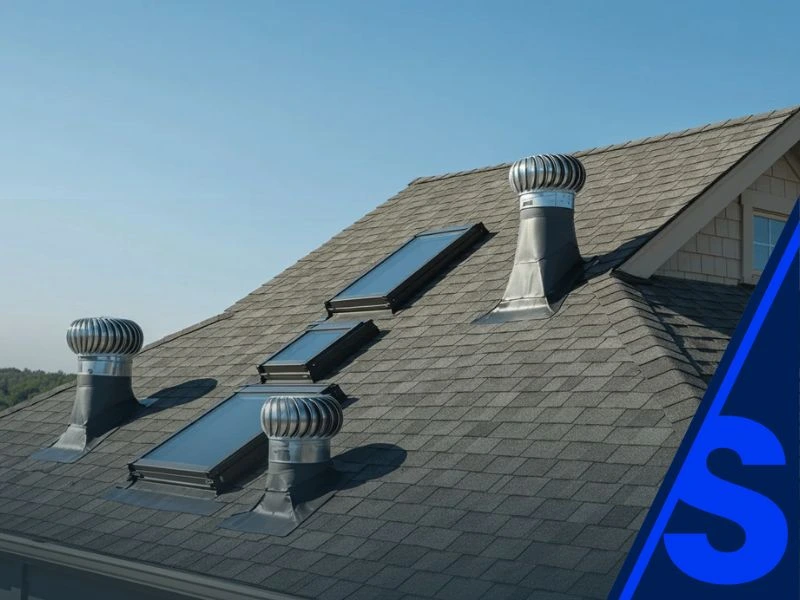
To calculate roof ventilation, first determine the attic floor’s square footage by multiplying its length and width. Then, divide the total square footage by either 150 or 300, depending on your local code or a balanced system. The result is the required net free ventilating area (NFVA) in square feet. Finally, convert this area to […]
Powered Attic Fans in Florida: Do They Help or Hurt Builder Ventilation Systems?

In Florida construction, powered attic fans can either support or disrupt ventilation performance depending on how they’re installed. When paired correctly with soffit intakes, they can improve attic heat removal. But when combined with sealed attics, ridge vents, or gable vents, they often create negative pressure that draws conditioned air from the living space, leading […]
Box Vents: Simple, Affordable, and Often Misunderstood
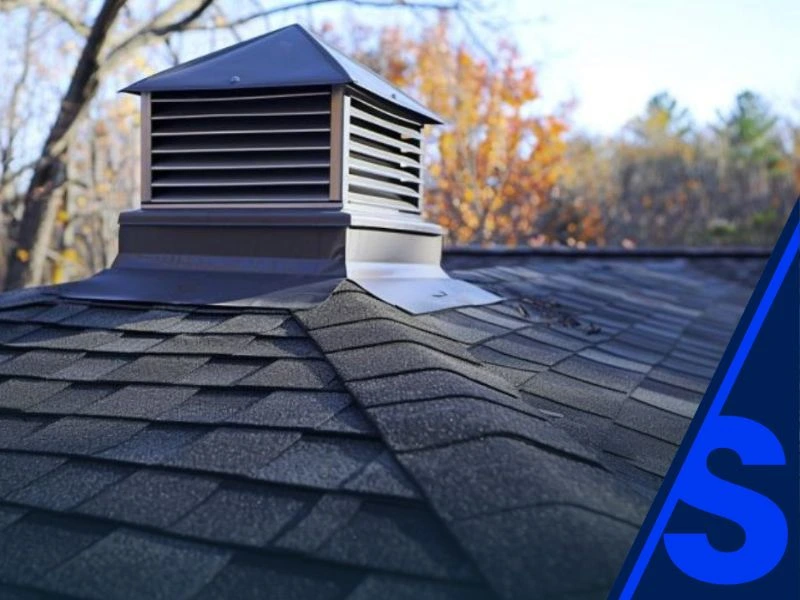
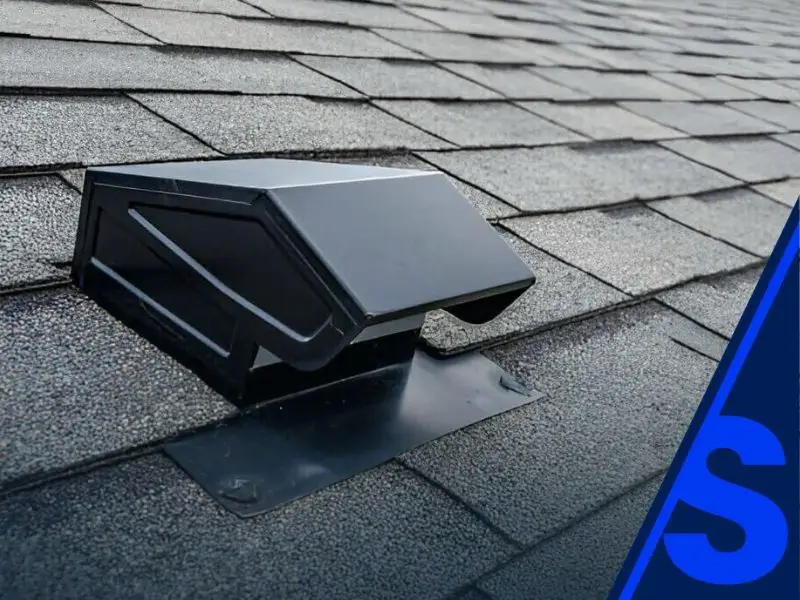
Box vents (also called roof louvers) remain a simple, affordable, and flexible solution for meeting Florida Building Code (FBC) attic ventilation requirements especially on complex or short-ridge roof designs. However, they must be installed correctly and never mixed with other exhaust systems like ridge or gable vents on the same roof plane. Proper placement near […]
Gable Vents in Florida Construction: When They’re Useful and When They Cause Problems

Gable vents in Florida construction remain a debated topic. While they can support cross-ventilation in traditional vented attics, they often create moisture and code compliance issues when combined with sealed or spray-foam attic assemblies. In Florida’s humid climate, builders should either use a balanced ridge-and-soffit system for proper attic ventilation or adopt an unvented attic […]
Fiberglass Felt Roof Underlayment: Advantages and When Builders Should Use It

Selecting the right roof underlayment is one of the most critical steps in any new construction roofing project. Underlayment acts as the protective layer between the roof deck and the roofing material, providing waterproofing, dimensional stability, and additional structural assurance. Among the options available to builders, fiberglass felt roof underlayment continues to play an important […]
Soffit Vents: Why Every Balanced Roof Ventilation System Starts Here
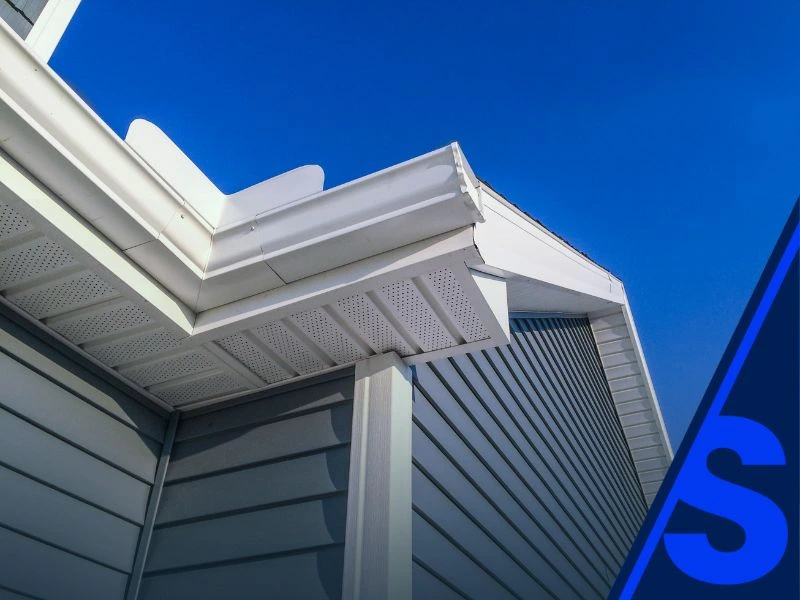
Balanced roof ventilation is critical for builders managing new construction projects. One of the most important but often overlooked components is the soffit vent. Proper soffit vent installation controls airflow in the attic, maintains roof system performance, and helps prevent moisture and temperature-related issues that can compromise building integrity. This article explains why soffit vents […]
Ridge Vents: Why They’re the Backbone of a Balanced Roof Ventilation System
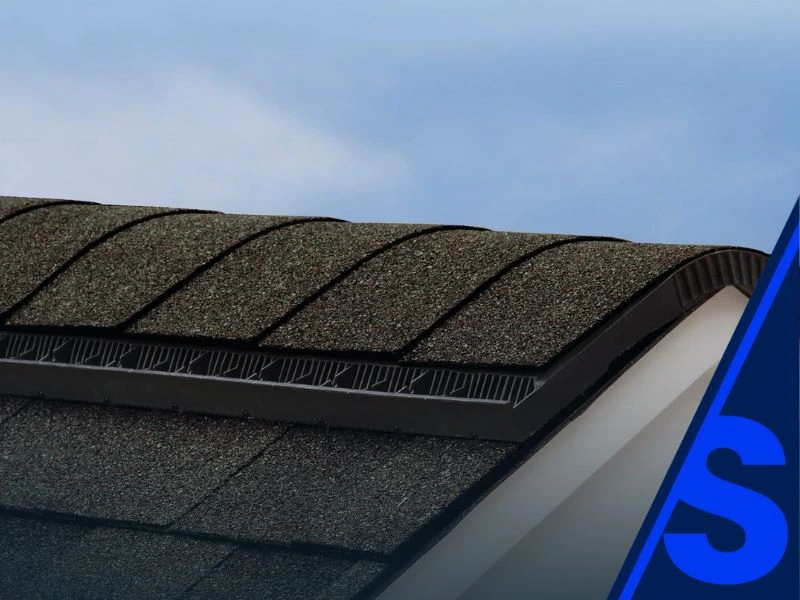
Ridge vents are one of the most critical yet overlooked components in modern roofing systems. For builders, ensuring proper attic ventilation is not just about airflow but also about compliance, warranty protection, and long-term durability of the roofing structure. A ridge vent is designed to balance intake and exhaust ventilation across the roofline, creating a […]
What Is the Best Roof Ventilation System? A Builder’s Guide to Balanced Venting That Performs
Every roof plays a critical role in the overall durability and performance of a building. For builders, one of the most overlooked aspects of a roof system is ventilation. Choosing the best roof ventilation system ensures balanced airflow, reduces risk of condensation, helps prevent costly callbacks, and keeps projects compliant with code. This article explores […]