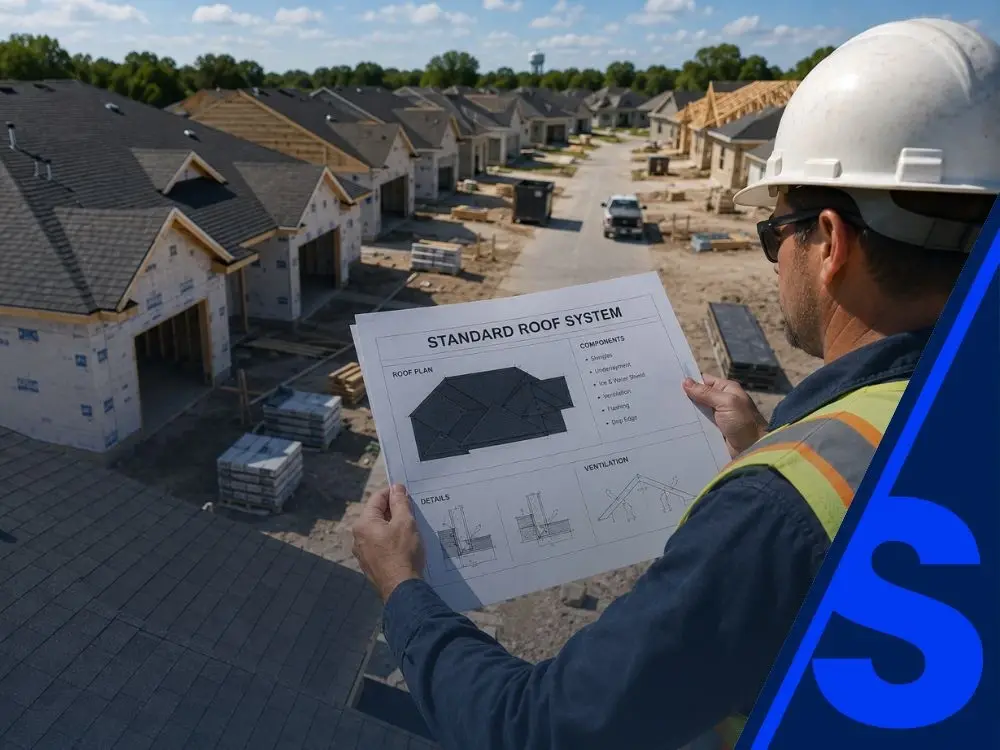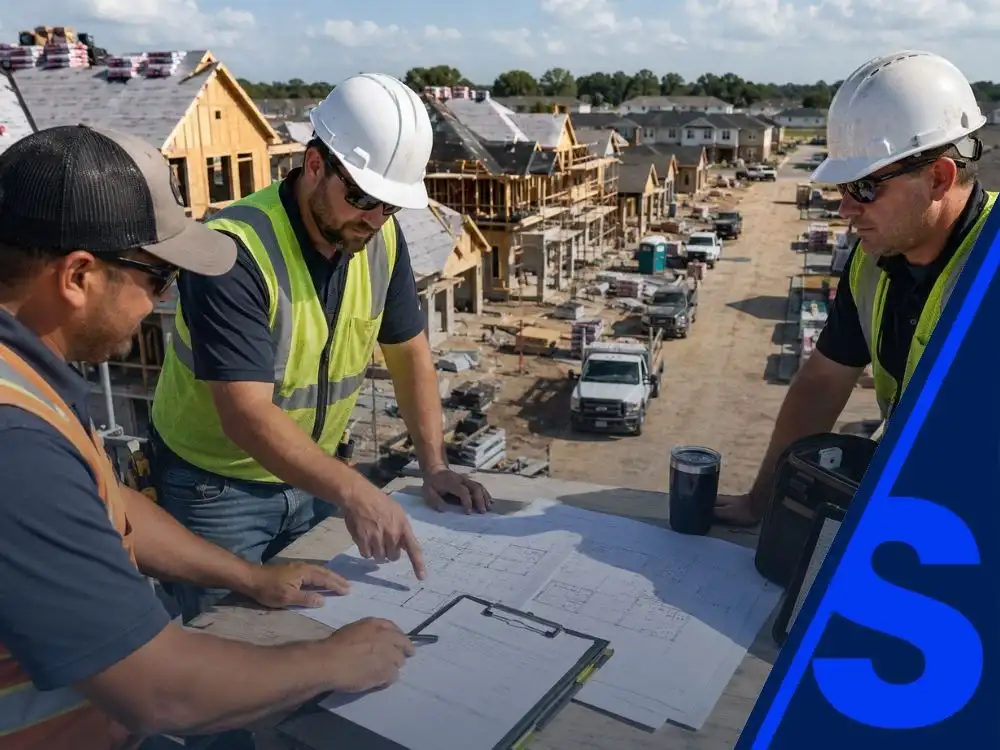
Every roof plays a critical role in the overall durability and performance of a building. For builders, one of the most overlooked aspects of a roof system is ventilation. Choosing the best roof ventilation system ensures balanced airflow, reduces risk of condensation, helps prevent costly callbacks, and keeps projects compliant with code.
This article explores different roof ventilation methods, how they integrate with roof materials and roof systems, and the technical considerations builders must account for when designing and installing ventilation in both residential and commercial roofing systems. By the end, you will understand how to evaluate ventilation for every roof type, including flat roofing systems, metal roofing systems, and membrane roofing systems.
Why Does Every Roof Require Proper Ventilation?
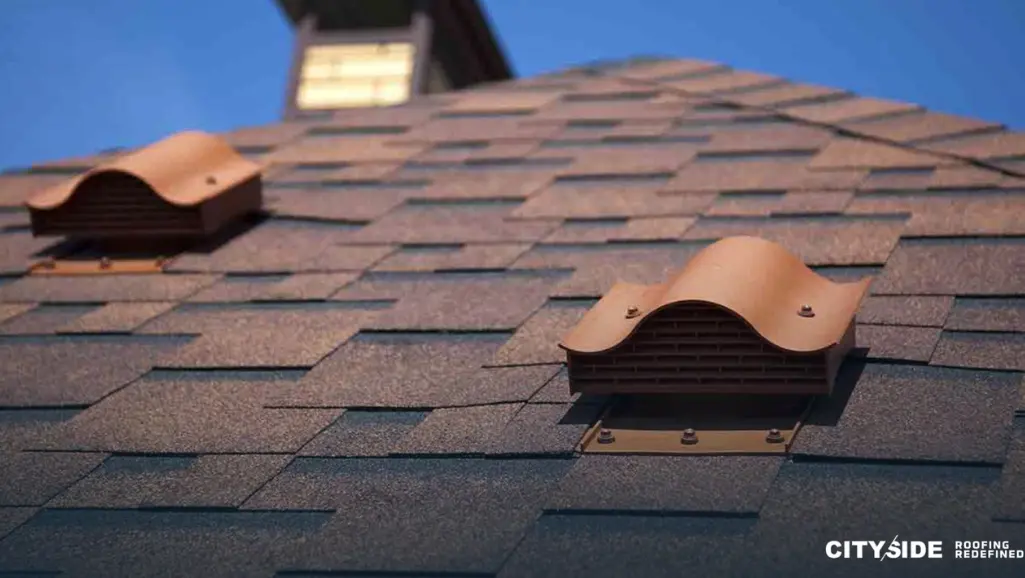
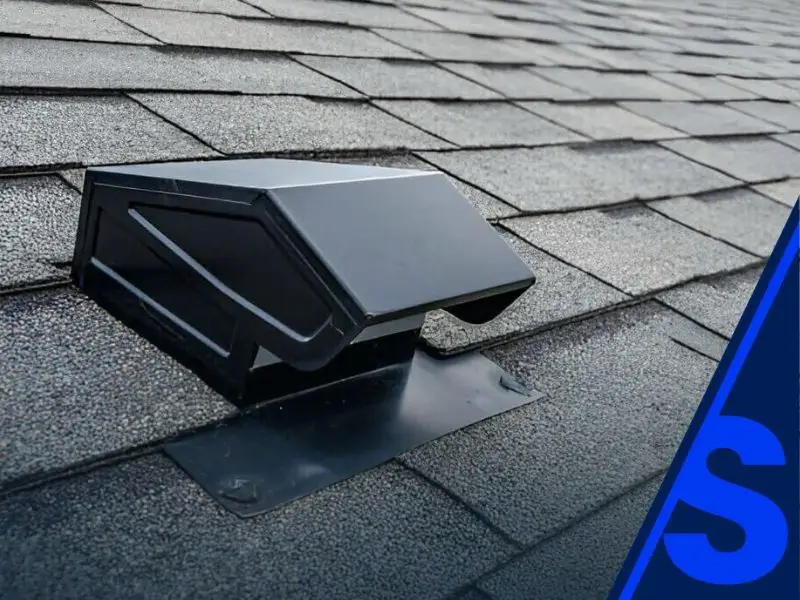
Every roof requires ventilation because air circulation controls moisture and temperature inside roof assemblies. Without a balanced system, condensation can form on the underside of the roof deck, reducing roof lifespan and creating conditions that lead to roof replacement sooner than expected.
For builders, proper ventilation design is not just about preventing roof leaks. It is also about ensuring the roof will last the length of the warranty period, reducing callbacks, and helping maintain builder reputation. Whether the project involves a flat roof, a shingle roof, or a standing seam metal roofing installation, ventilation systems are integral to long-lasting roofing performance.
What Are the Main Types of Roof Ventilation Systems?
Builders have several systems to choose from when planning roof installation. The main types include:
- Ridge and soffit venting: Popular roofing approach for residential roof projects that balances intake and exhaust.
- Gable vents: A traditional roofing option, though less effective in high-wind areas.
- Roof louvers: Installed across the roof surface, offering simple venting for certain residential and commercial buildings.
- Mechanical systems: Fan-driven ventilation for warehouse roofing or commercial buildings where passive venting is insufficient.
Each type of roof system has specific ventilation requirements. Choosing a roof ventilation method that aligns with the roof material, roof shapes, and roof designs is critical for builders aiming to deliver consistent results.
How Does Ventilation Differ Between a Flat Roof and a Pitched Roof?
Though flat roofs and pitched roofs both require airflow, the approach is very different. A flat roof often incorporates membrane roofing systems such as TPO roofing, EPDM roofing, or modified bitumen roofing. These roofing styles usually require carefully designed airflow pathways through roof cavities and roof membranes.
In contrast, pitched roofs such as tile roofing, slate roof, or asphalt roofing benefit from ridge and soffit venting, which allows natural convection to balance airflow. Builders must recognize that flat roofing material requires different materials and design strategies compared to pitched roof options. This ensures the roof can help maintain consistent performance and meet code requirements.
Why Do Membrane Roofing Systems Demand Special Attention?
A membrane roof, whether PVC roof, single-ply roofing membrane, or liquid-applied roofing systems, creates a sealed environment that can trap moisture. Without proper venting, condensation can build beneath the roof membrane and reduce adhesion.
Builders working with commercial roofing systems must also evaluate modified bitumen systems, bur systems, and other membrane roofing systems for airflow. Professional roofing teams recommend integrating roof vents into design at the planning stage to prevent costly rework during roof installation.
What Role Does Roof Material Play in Ventilation Design?
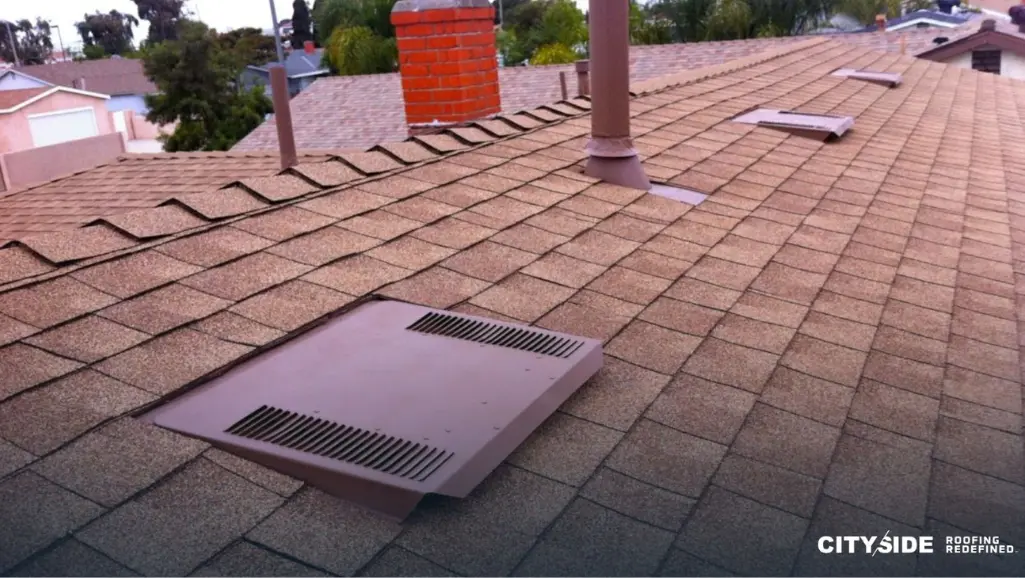
The roof material you choose directly affects how a ventilation system should be designed. Metal roofing comes with natural expansion and contraction, which means standing seam metal roofing requires ventilation that reduces heat buildup. Concrete roof and slate roof systems are dense and long-lasting roofing products, but they need adequate airflow to prevent heat retention.
For flat roofing systems, builders must consider materials for flat roof projects such as EPDM roofing, modified bitumen roofing, and liquid-applied roofing. Each material has unique thermal performance, so ventilation systems must be designed accordingly. Builders can review roofing materials to consider on CitySide’s Roofing Products Guide for additional detail.
What Are Common Roofing Materials and How Do They Affect Airflow?
Common roofing material options in the roofing industry include asphalt roofing, tile roofing, slate roof, shingle roof, and green roof. Each has unique ventilation needs:
- Asphalt roofing requires steady airflow beneath the roof deck to reduce heat.
- Tile roofing and slate roof projects benefit from ventilation channels to prevent moisture buildup.
- Green roof and living roof installations must integrate airflow systems to manage humidity beneath vegetation layers.
Builders choosing different types of roofing materials must assess how each interacts with insulation, roof membranes, and roof coatings. Proper integration ensures the roof can help balance energy costs and extend service life.
What Are the Pros and Cons of Ventilation for Commercial Roof Projects?
Commercial roofing systems face different ventilation challenges than residential and commercial roof types. A commercial roof often covers large floor areas such as warehouse roofing or commercial buildings. Ventilation must be engineered to move large volumes of air across a flat roofing material surface.
Pros:
- Reduces heat buildup across large roof surfaces.
- Helps protect roofing materials to consider such as single-ply roof membranes.
- Aligns with energy codes, reducing long-term energy costs.
Cons:
- Improper design can reduce effectiveness, especially on low roof slopes.
- Mechanical systems add cost and complexity.
- Requires regular roof maintenance to ensure airflow is not obstructed.
Builders can consult CitySide Commercial Roofing Systems to review venting solutions that align with building code and project requirements.
How Can Builders Choose the Best Roofing Ventilation for Each Project?
Choosing a roof ventilation system is about balancing roofing needs with design requirements. Builders should consider:
- Roof type and slope
- Roofing materials to consider and roof membrane compatibility
- Local climate conditions such as humidity, snow loads, or heat exposure
- Whether the project is a residential and commercial roof or purely commercial buildings
Ventilation must be integrated into the roofing project schedule early. A roofing company that provides quality assurance can validate venting designs, helping builders avoid future warranty disputes.
What Are Signs of Roof Ventilation Issues Builders Should Watch For?
Signs of roof ventilation problems are often detected during roof installation or roof maintenance inspections. Builders should look for:
- Condensation on the underside of the roof deck
- Persistent mold or mildew in attics or roof cavities
- Warped roof surface materials or roofing tiles
- Ice buildup on low roof edges in cold climates
- Higher-than-expected energy costs due to trapped heat
Addressing signs of roof ventilation problems during construction helps builders avoid callbacks and protect long-lasting roofing performance.
How Do Roof Designs and Roof Shapes Influence Ventilation?
Roof designs vary widely, from simple gable residential roof projects to complex commercial roofing systems with multiple penetrations. Roof shapes like hip, gable, or low roof structures dictate vent placement and airflow strategies.
For example, though flat roofs may appear easier to ventilate, they often require mechanical venting to meet code. In contrast, a shingle roof on a residential and commercial project may use ridge vents for easy installation. Builders who adapt venting design to specific roof shapes and roof options will improve overall project outcomes.
What Are the Best Roofing Practices for Builders?
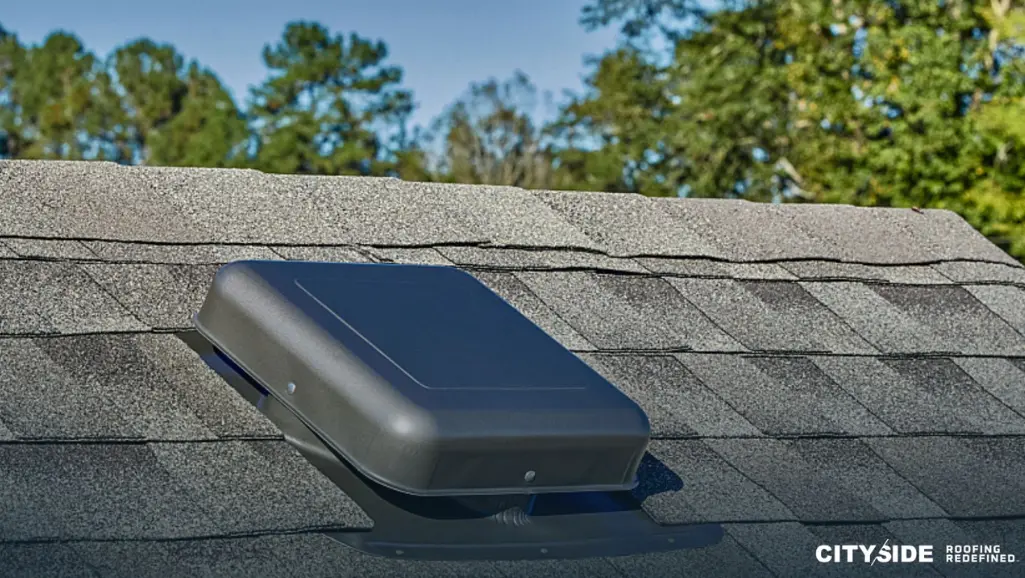
The best roofing practices for ventilation emphasize early planning and integration. Builders should:
- Choose venting systems that match the roof material and roof type.
- Verify that ventilation design meets building code requirements.
- Partner with a roofing contractor experienced in professional roofing installations.
- Document ventilation systems in the project’s QA process for warranty validation.
By incorporating these practices, builders ensure roofing can last as intended while reducing risks of callbacks. For more details, see CitySide Professional Roofing Services.
Key Points to Remember
- Every roof requires a ventilation system that matches roof material, roof system, and roof shapes.
- Flat roof projects demand different venting solutions compared to pitched roofs.
- Membrane roofing systems require special design attention to prevent condensation beneath roof membranes.
- Builders must consider roofing styles, common materials, and roofing industry best practices.
- Proper ventilation reduces energy costs, improves roof lifespan, and supports warranty compliance.
Choosing the right ventilation system is a critical part of delivering quality in both residential and commercial roof projects. With balanced venting, builders can meet code, protect investments, and provide clients with roofs that perform for decades.
For builder-focused roofing support and quality assurance, contact CitySide Roofing today to schedule a consultation and integrate proper ventilation into your next project.