In Florida construction, powered attic fans can either support or disrupt ventilation performance depending on how they’re installed. When paired correctly with soffit intakes, they can improve attic heat removal. But when combined with sealed attics, ridge vents, or gable vents, they often create negative pressure that draws conditioned air from the living space, leading to moisture issues, inspection failures, and potential warranty concerns.
For Florida builders, attic ventilation is a matter of building code compliance, inspection success, and roof system longevity. The question of whether powered attic fans actually help or hurt a ventilation system comes up frequently during plan reviews and final inspections.
Improper fan placement or usage especially when combined with sealed attic assemblies or mixed vent types can create airflow imbalances that cause moisture buildup, negative pressure, and failed inspections. In many cases, powered fans can even work against passive ventilation systems by short-circuiting airflow or pulling conditioned air from the home.
This article explores:
- The pros and cons of powered attic fans in Florida’s hot, humid climate
- How attic fans interact with FBC ventilation requirements
- When powered ventilation can help, and when it causes harm
- Best practices for builders seeking code-aligned attic design
If you’re managing production builds or high-efficiency custom homes, understanding when attic fans work and when they don’t can help you avoid costly rework, maintain code compliance, and protect your reputation for quality craftsmanship.
For project-specific technical support or Florida Building Code guidance, reach out to CitySide Roofing for expert assistance.
What Is the Purpose of an Attic Fan in Builder Projects?
The purpose of an attic fan is to remove hot air from the attic, helping maintain a balanced temperature between the roof deck and the living space below. In theory, these systems help keep your attic cooler during summer and reduce thermal stress on roofing materials.
However, in new construction, attic fans must be evaluated through a code and design lens, not just comfort. Florida’s Building Code requires proper ventilation ratios between intake and exhaust vents. Builders who add a powered attic fan without calculating air exchange rates risk pulling air from the attic in ways that can cause depressurization, sucking conditioned air from ducts or ceiling penetrations.
This is why working with a roofing contractor experienced in Florida’s ventilation system codes like CitySide Roofing, can prevent compliance issues during inspection.
How Attic Fans Work by Pulling Hot Air
Attic fans work by pulling hot air from the attic and exhausting it through a vent opening. When designed properly, this process allows air into the attic through soffit vents, creating a consistent flow that prevents heat buildup.
Fans are designed to supplement passive ventilation systems, not replace them. If soffit vents are blocked or undersized, powered attic fans can create negative pressure, which leads to unintended airflow from the living space. This imbalance can draw moisture-laden indoor air into the attic insulation, risking mold and structural degradation.
Builders should verify that the type of attic and vent layout can support mechanical airflow before they install an attic ventilation fan.
Pros and Cons of Attic Ventilation Fans in Florida
The pros and cons of attic fans vary depending on the project design and the ventilation strategy in place.
Pros:
- Can keep your attic cool by expelling heat buildup.
- Helps reduce attic temperature in unconditioned attic spaces.
- Fans can help protect roof decking and shingles from prolonged thermal exposure.
Cons:
- Fans can create negative pressure that pulls air from your attic or the home below.
- Overpowered systems can make the air conditioner work harder, negating any efficiency gains.
- Fans require proper intake venting and balanced system design to function safely.
In Florida, where much ventilation depends on humidity control and sealed attic assemblies, powered fans can do more harm than good if not properly designed and documented.
When Gable Vents Cause Builder Inspection Failures
Gable vents are one of the most common reasons builders fail attic ventilation inspections in Florida. While they are sometimes combined with power fans, this setup often violates balanced airflow requirements under the Florida Building Code.
If a powered attic ventilator pulls air directly through a gable vent rather than the soffits, it bypasses intended air pathways. This results in air in the attic that does not move evenly across the roof deck, leaving hot zones and potential condensation areas.
To avoid these failures, many Florida builders have transitioned to passive ventilation systems with ridge and soffit vents or hybrid systems verified by mechanical engineers. For help designing compliant assemblies, contact CitySide Roofing.
Types of Attic Fans Used in Construction
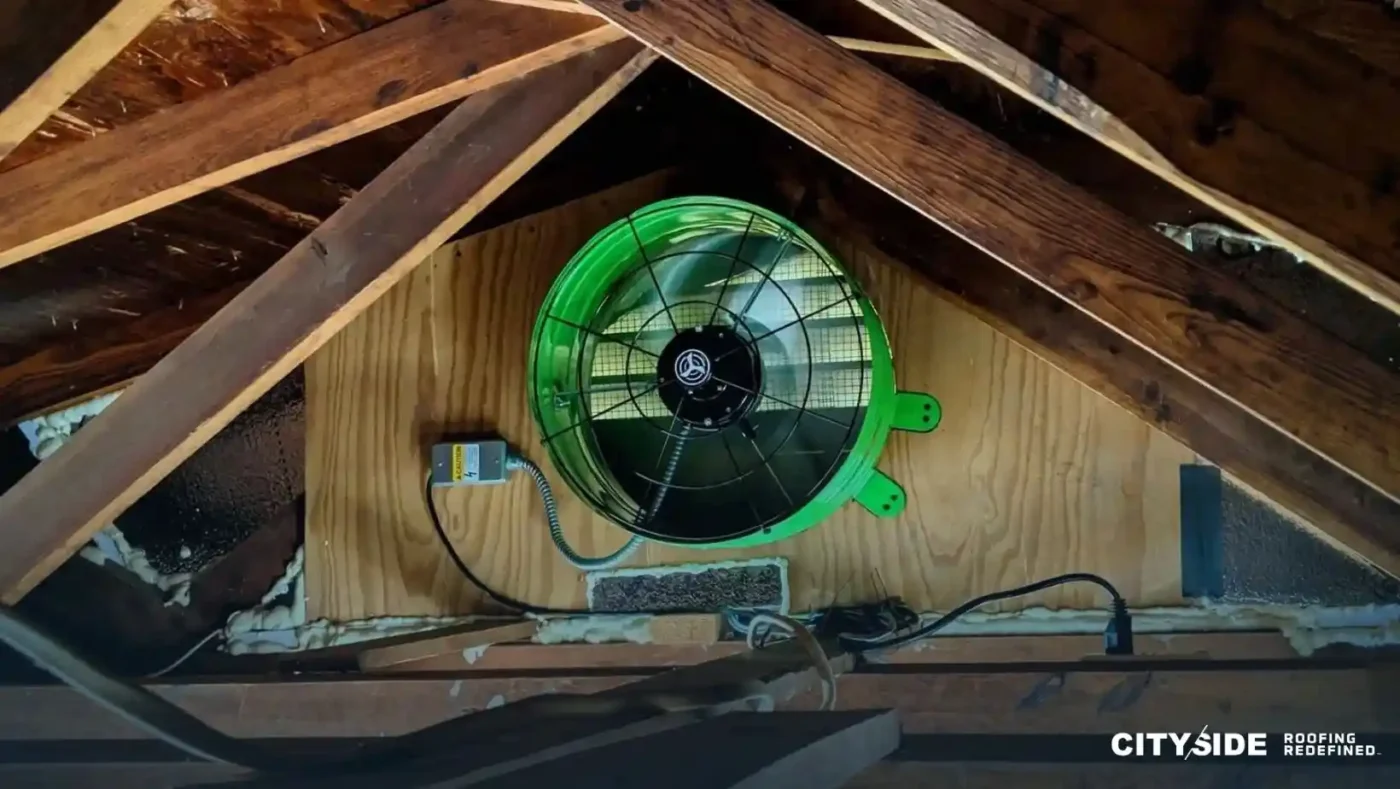
Understanding the type of attic fan helps determine where and when they should be installed.
- Hardwired attic fan – Powered by electricity, typically installed on gable ends or roof decks. Builders must ensure wiring meets code and energy standards.
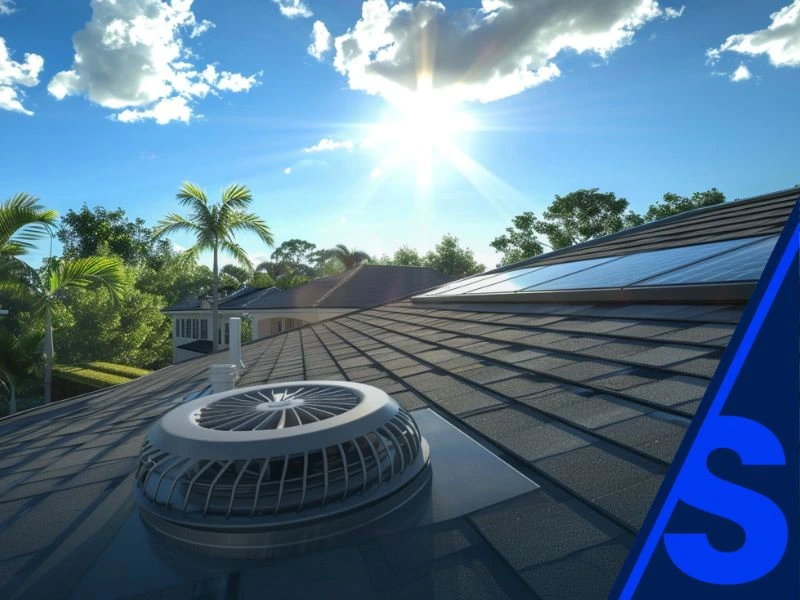
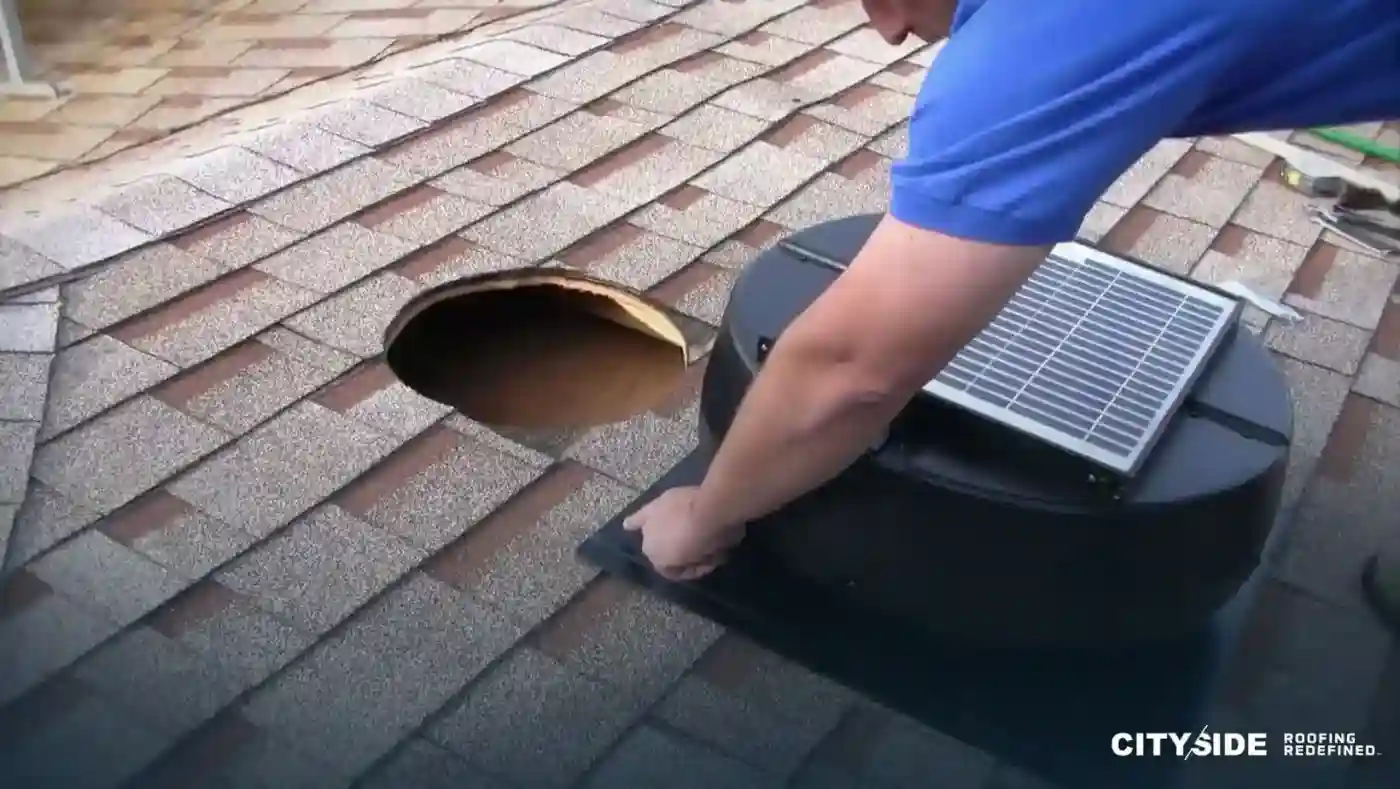
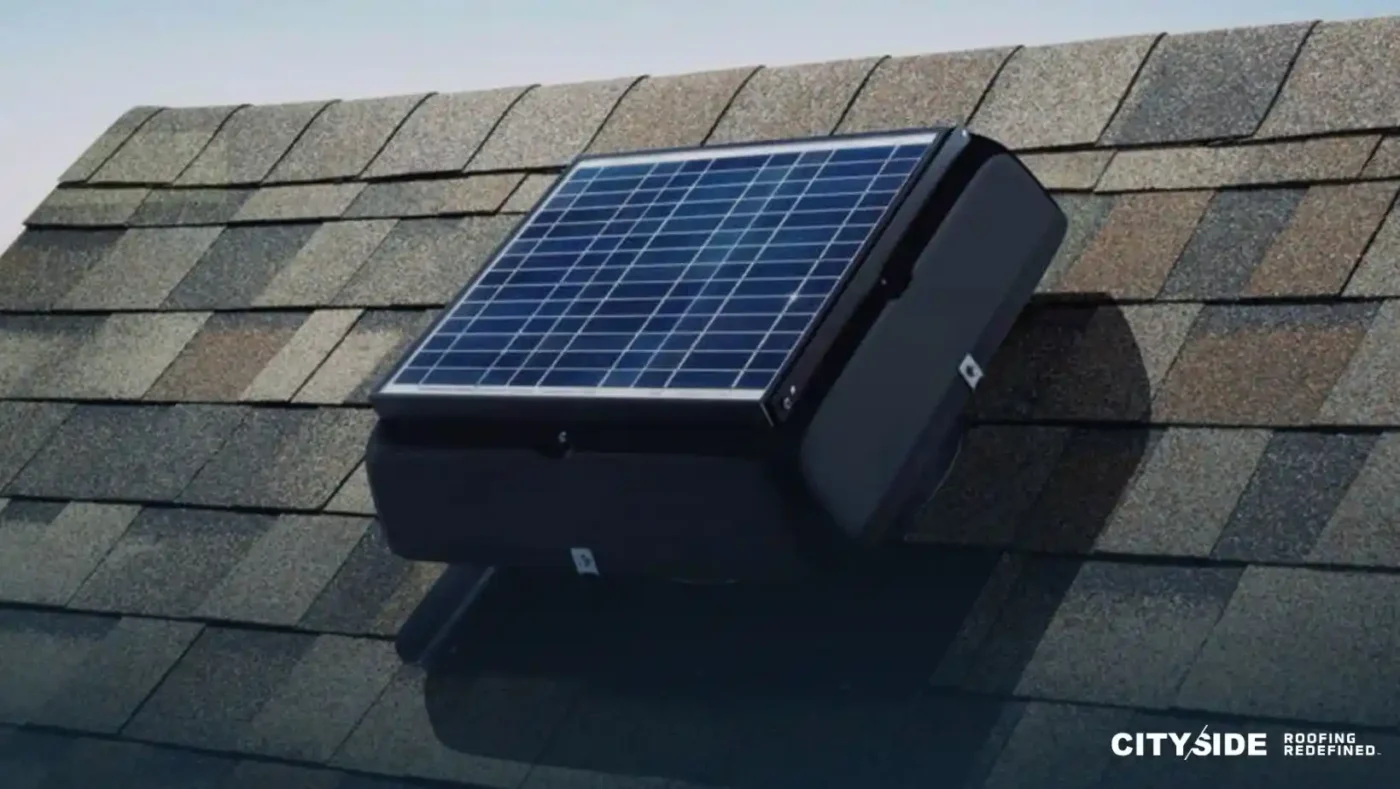
- Solar attic fan – Uses renewable solar energy to power ventilation, ideal for off-grid or energy-efficient projects.
- Whole house fan – Designed to move air out of the attic and through the living space, not commonly used in sealed Florida attics.
Each type of fan has its own airflow performance, installation method, and energy profile. Builders should compare the fans pros and cons relative to the project’s ventilation strategy.
Solar Attic Fans: Pros and Cons for Builders
A solar attic fan operates on solar energy, using a small panel mounted to the roof to drive airflow. In Florida’s sunny climate, these systems perform consistently without adding electrical load to the home.
Solar attic fans also reduce wiring complexity and can integrate with sustainable construction standards. However, they may underperform in shaded conditions or during overcast periods, leading to uneven heat control.
For production builders, solar-powered fan options can simplify compliance with energy efficiency codes but should be combined with continuous passive ventilation for balance.
Attic Ventilation Fans: How They Work with Passive Systems
When properly designed, attic ventilation fans work as part of a larger system that includes attic vents, soffit openings, and ridge exhausts. These systems work by pulling hot air out of the attic and drawing in cooler air through the soffits.
Builders must ensure there is enough ventilation intake area to balance the powered exhaust. Without this balance, fans can also create a suction effect that draws air from the attic below the thermal barrier.
Fans are often installed in error without verifying soffit ventilation, which can lead to inspection rejections or moisture-related issues down the line. Proper design ensures that fans help maintain attic airflow rather than disrupt it.
Common Mistakes Builders Make When Installing an Attic Fan
When installing an attic fan, several builder-side errors can compromise performance and compliance:
- No airflow modeling or intake balance – Fans may overpower available soffit venting.
- Mixing vent types – Combining gable vents with power fans creates airflow conflict.
- Ignoring insulation design – Poorly placed fans disturb attic insulation or violate air-sealing strategies.
- Lack of documentation – Missing installation specs can fail QA checks or warranty audits.
Partnering with a Florida-based expert like CitySide Roofing ensures attic ventilation systems are installed to manufacturer specs and pass inspection the first time.
Do Powered Attic Fans Actually Improve Energy Efficiency?
Many builders assume that adding a powered attic fan improves energy efficiency, but this isn’t always true. When the attic isn’t properly sealed or ventilated, the fan can pull conditioned air from the living area, making the air conditioner work harder.
Proper attic ventilation should control hot air through natural or balanced mechanical means. In humid climates, mechanical ventilation without humidity control can increase latent heat load.
In other words, fans can create short-term temperature drops but raise overall energy consumption if the system isn’t designed holistically.
Are Powered Fans the Best Choice for New Construction?
The best choice for new construction depends on the type of attic, local climate, and code requirements. In many Florida builds, powered attic fans are being replaced with high-efficiency passive ventilation systems.
However, in large or complex attics where passive airflow isn’t enough, power fans may supplement cooling as long as they are installed according to engineering specs and building code. Builders should add an attic fan only when mechanical design confirms airflow balance.
In short, use fans where necessary, but ensure documentation proves compliance with ventilation requirements before inspection.
Builder Takeaways and Compliance Tips
Key points for builders:
- Always verify that powered fans comply with Florida Building Code ventilation ratios.
- Never mix gable vents and mechanical exhausts without confirming airflow modeling.
- Combine solar attic fans with passive ventilation for balanced air movement.
- Avoid pulling air out of your attic faster than intake allows.
- Document installation specs for warranty, QA, and inspection signoff.
- Partner with professional installers to ensure systems are code-compliant and optimized for long-term durability.
If you are managing multiple new builds or high-performance roof systems, CitySide Roofing’s builder-focused ventilation solutions integrate documentation, QA, and inspection-ready reporting to help you meet compliance goals efficiently.
For builder consultations or project support, contact CitySide Roofing today.