Box vents (also called roof louvers) remain a simple, affordable, and flexible solution for meeting Florida Building Code (FBC) attic ventilation requirements especially on complex or short-ridge roof designs. However, they must be installed correctly and never mixed with other exhaust systems like ridge or gable vents on the same roof plane. Proper placement near the ridge line ensures effective attic airflow, prevents inspection issues, and supports long-term roof performance.
For Florida builders, few topics in attic ventilation create as much confusion as the box vent. These small, square vents are sometimes dismissed as “old-school” compared to ridge vents, yet they continue to play a critical role in achieving code-compliant roof ventilation when used correctly.
Box vents are passive exhaust systems designed to remove trapped attic heat and humidity. Installed near the ridge line, they work best as part of a balanced ventilation system with continuous soffit intake. Problems arise when they’re combined with other exhaust vent types such as ridge or gable vents on the same roof plane, which can disrupt airflow and trigger inspection or warranty issues.
“We want to keep the living space and the nonhabitable attic space at the same moisture conditions.”
— Armin Rudd, Research Engineer, Building Science Corporation (PA-0601: Eliminating Attic Vents)
Understanding how box vents function and where they fit within Florida’s humid, hurricane-prone climate is essential for both code compliance and long-term roof durability.
This article explains:
- What box vents (roof louvers) are and how they work
- How they differ from ridge and gable vents
- Common installation mistakes and inspection pitfalls
- Best practices for using them in Florida new construction
Whether you’re managing production schedules, planning a reroof, or troubleshooting attic performance, mastering proper venting strategy is key to meeting FBC ventilation requirements and ensuring lasting roof performance.
What Is a Box Vent and Why Do Builders Still Use Them?
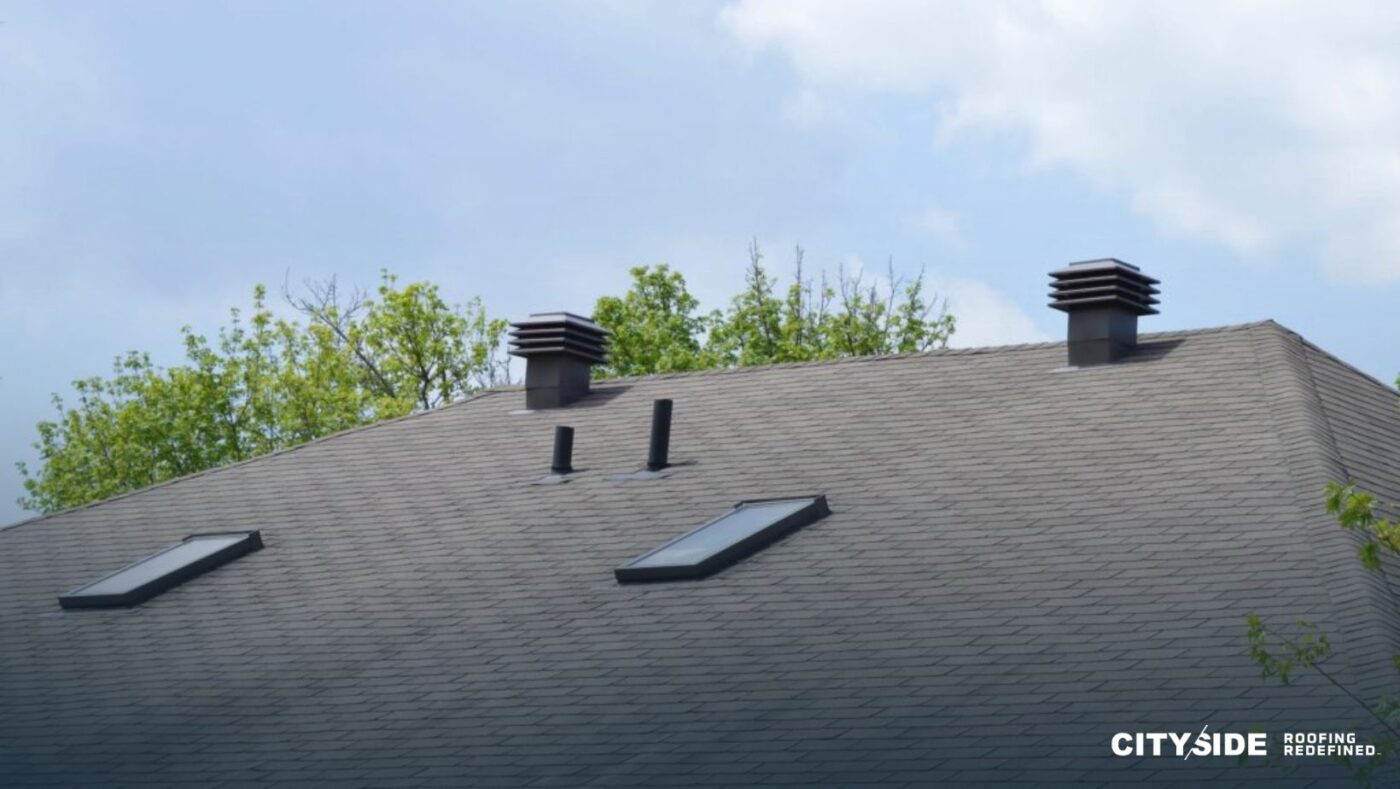
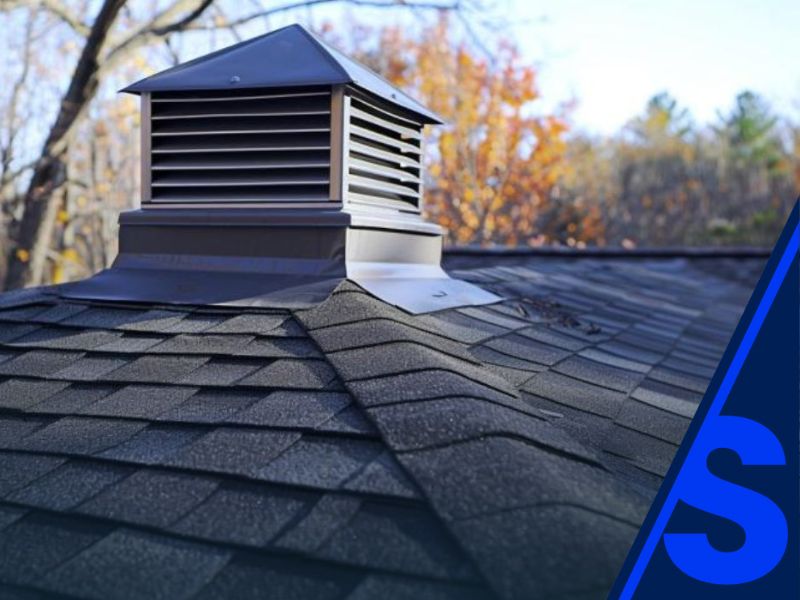
A box vent, also known as a roof louver or slant back vent, is a square or rectangular roof vent designed to allow hot air to escape from the attic. These vents are typically made from aluminum, steel, or plastic and are installed near the ridge line to provide passive exhaust for attic heat and humidity.
Builders continue to use box vents in new roof systems because they’re simple, cost-effective, and flexible for complex roof designs. In many Florida subdivisions where hip roofs dominate, box vents provide a practical alternative to ridge vents when the ridge length is too short to achieve adequate ventilation.
How Do Box Vents Work in a Roofing Ventilation System?
A box vent functions as an exhaust vent, allowing hot air to escape from the attic through natural convection. When paired with soffit or eave vents, the system creates a continuous flow of cooler air from the soffits up through the attic and out through the vents.
Each roof vent must be placed strategically to ensure balanced airflow. In a typical residential roof system, multiple box vents are installed across the upper roof sections, each covering about 50 to 60 square inches of net free vent area. Builders should calculate vent spacing and quantity according to attic size and slope to meet minimum ventilation ratios.
When integrated properly, box vents reduce attic heat, prevent moisture buildup, and help roofing materials maintain their performance over time. The key is to treat attic ventilation as a system, not a set of parts installed independently.
Box Vents vs. Ridge Vents: Which Is Better for Florida Roofs?
The debate between ridge vents and box vents is common among builders, especially in the Florida market. A ridge vent runs along the entire ridge of the roof, offering continuous exhaust ventilation. Box vents, on the other hand, are discrete units that provide point ventilation at specific locations.
Ridge vents are preferred for simple gable-style roofs with long ridge lines and consistent slopes. They provide superior airflow and a cleaner appearance, and when installed with continuous soffit vents, they create balanced attic ventilation.
Box vents, however, excel in hip roofs and roofs with limited ridge length where ridge vents cannot provide enough exhaust area. They also allow for more flexible placement across multiple roof sections. Builders working with diverse home elevations often find that combining box vents and soffit vents provides more consistent ventilation performance than ridge-only systems.
For large or complex residential and light commercial projects, Cityside Roofing can help model the airflow and recommend whether a ridge or box vent system is more effective.
Best Placement Practices for Box Vents in New Construction
Proper placement of box vents is essential for code compliance and performance. The vents should be installed near the upper section of the roof but not directly on the ridge. Builders should ensure even spacing across all roof sections, particularly on hip or irregular roofs.
Box vents should never be installed on the same plane as ridge vents or combined with gable vents, as mixed systems disrupt airflow and reduce efficiency. The goal is to create a consistent, predictable air path from soffit to exhaust.
Builders should also consider roof pitch, attic size, and insulation thickness when planning vent placement. The use of a large flange for easy installation and properly sealed flashing minimizes leak potential and ensures the vent integrates cleanly into the shingle layout.
For project-specific guidance and airflow calculations, builders can contact Cityside Roofing’s Builder Support Team.
Common Builder Mistakes with Box Vent Installation
Even experienced crews can make errors that compromise roof performance or cause inspection issues. The most common builder mistakes include:
- Mixing vent types (ridge, gable, and box vents on the same roof).
- Failing to seal nail holes or vent flanges, leading to potential leaks.
- Installing vents too low on the roof, which limits exhaust efficiency.
- Neglecting to balance intake and exhaust airflow through soffits and attic vents.
Another overlooked issue is vent count. Underestimating the number of required vents can cause trapped heat and moisture. Always calculate net free vent area per the Florida Building Code and manufacturer guidelines.
When working with a professional roofing contractor like Cityside Roofing, builders gain access to code-compliant vent layout templates and automated scheduling that ensures every vent is installed according to specification.
Material Options: Plastic, Metal, and Steel Vents
Box vents are available in several materials, each suited to specific environments and project budgets.
- Plastic vents are lightweight, UV-resistant, and cost-effective, but may degrade faster under Florida’s intense heat.
- Aluminum vents provide corrosion resistance and good heat tolerance but can dent during installation or maintenance.
- Steel vents offer superior durability and strength, ideal for high-wind areas, but require proper coating or paint to prevent corrosion.
For Florida’s coastal regions, builders should specify vents tested for high wind uplift and salt exposure. Metal vents with UV-stable finishes and durable gaskets reduce the risk of long-term degradation and help maintain code compliance under Florida’s climate conditions.
Addressing Leak Concerns and Moisture Control
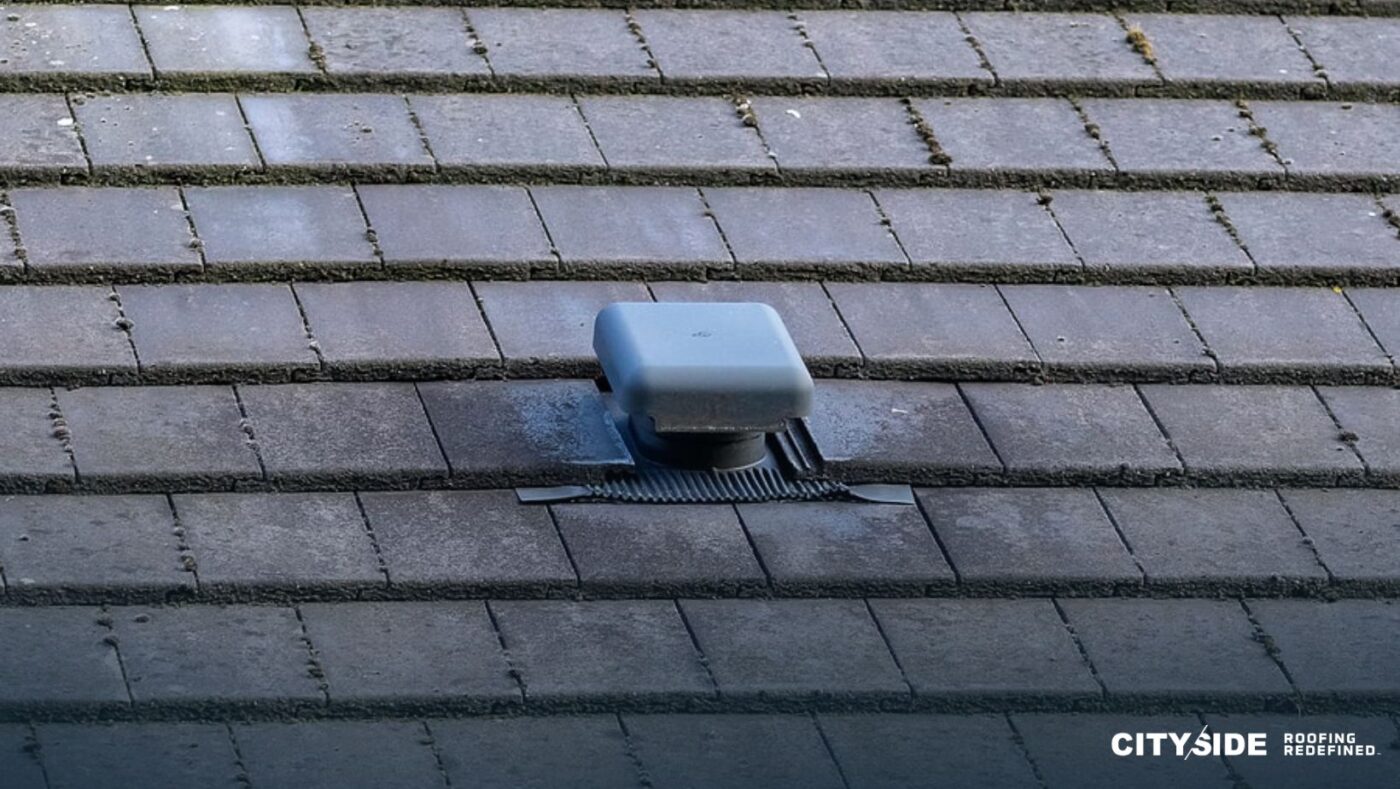
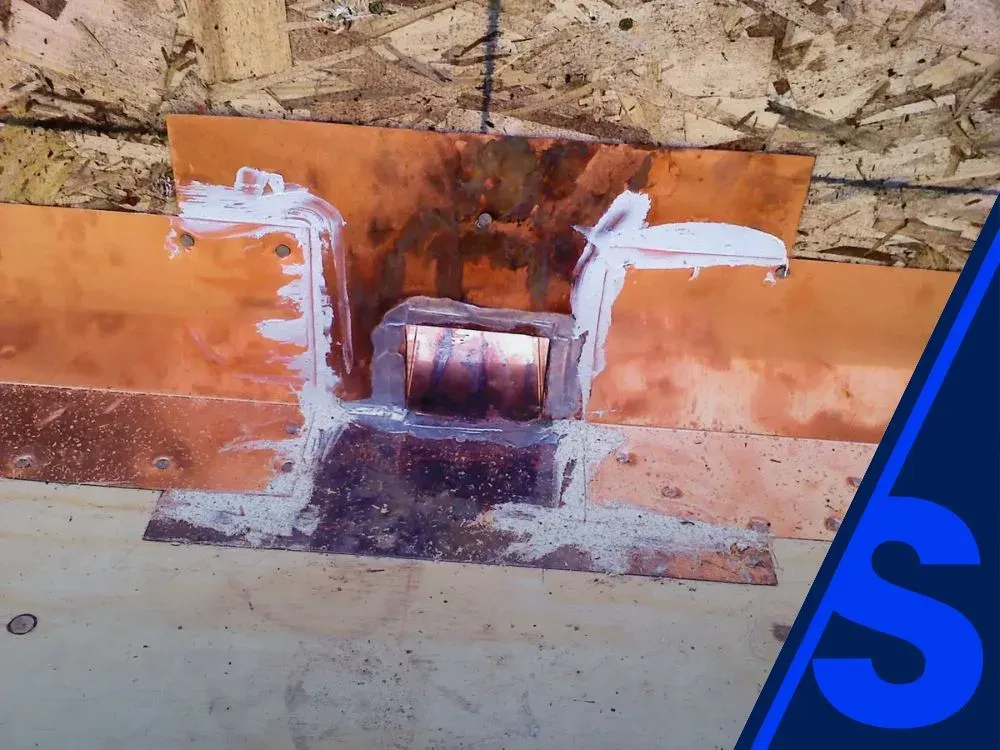
One of the most common misconceptions about box vents is that they are prone to leaks. In reality, leaks usually result from improper flashing or installation errors rather than vent design. Correctly installed box vents, using compatible flashing, sealants, and underlayment, maintain a watertight seal under heavy rain.
Box vents help prevent moisture buildup by allowing warm, humid air to escape from the attic before condensation forms on roof framing or insulation. This moisture control is critical for preventing mold growth, roof deck delamination, or insulation deterioration.
Proper vent placement, balanced intake, and adherence to installation details are the builder’s best tools to maintain moisture protection and pass final inspections without issue.
Box Vents in Florida’s Building Code Context
Florida’s building codes have specific requirements for attic ventilation in both residential and commercial construction. The code mandates a minimum ratio of 1 square foot of ventilation per 150 square feet of attic space, split evenly between intake and exhaust.
Box vents can easily help builders meet these requirements when used correctly. For hip roofs or complex roof geometries where ridge vents cannot provide adequate vent area, box vents are a practical alternative.
Builders should verify that all vent products are tested to ASTM D3161 Class F or equivalent standards for wind resistance. Specifying vents approved under Florida Product Approval or Miami-Dade standards ensures compliance during inspection and protects project warranties.
When Should Builders Upgrade or Replace Roof Vents?
Vent upgrades typically occur during roof replacement or when switching to a new roof system that changes ventilation dynamics. Builders may recommend replacing vents if the existing ones show corrosion, cracks, or UV damage.
When getting a new roof, consider upgrading to a high-performance metal vent system designed to withstand Florida’s heat and humidity. Vent replacement is also an opportunity to correct poor vent placement or airflow issues discovered during pre-construction inspections.
Using products from manufacturers such as Lomanco or Air Vent ensures long-term reliability, code compliance, and compatibility with shingle systems.
Conclusion
Box vents are often misunderstood, but when installed properly, they remain a reliable and affordable solution for attic ventilation in Florida’s demanding climate. They offer flexibility for complex roof designs, meet code requirements, and reduce builder risk during inspections.
Key takeaways for builders:
- Use box vents strategically on hip or short-ridge roofs to meet exhaust requirements.
- Avoid mixing ridge, gable, and box vents on the same roof plane.
- Follow manufacturer specifications for spacing, flashing, and sealant use.
- Choose vent materials rated for Florida’s UV and wind exposure.
- Document installation through a verified QA process to simplify inspection.
Related Reading: