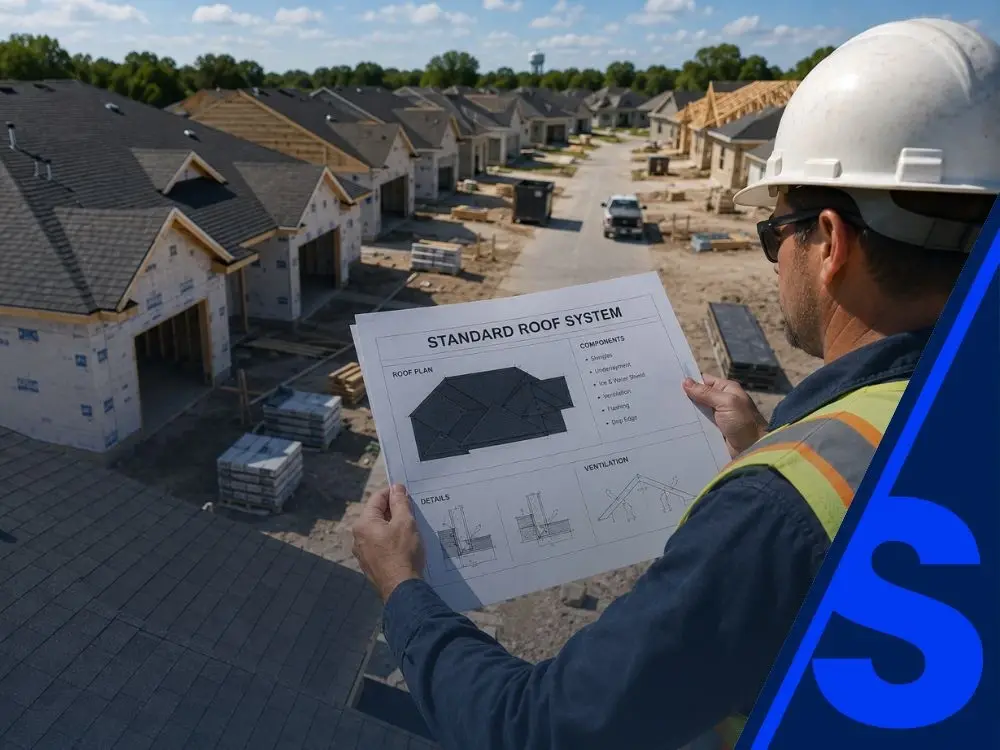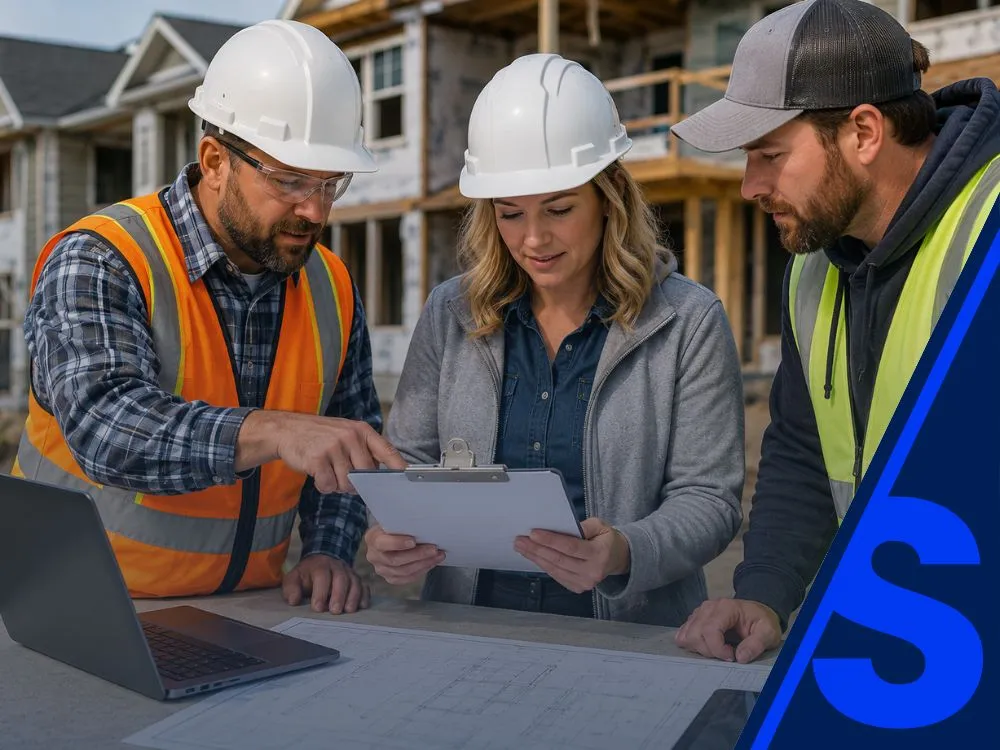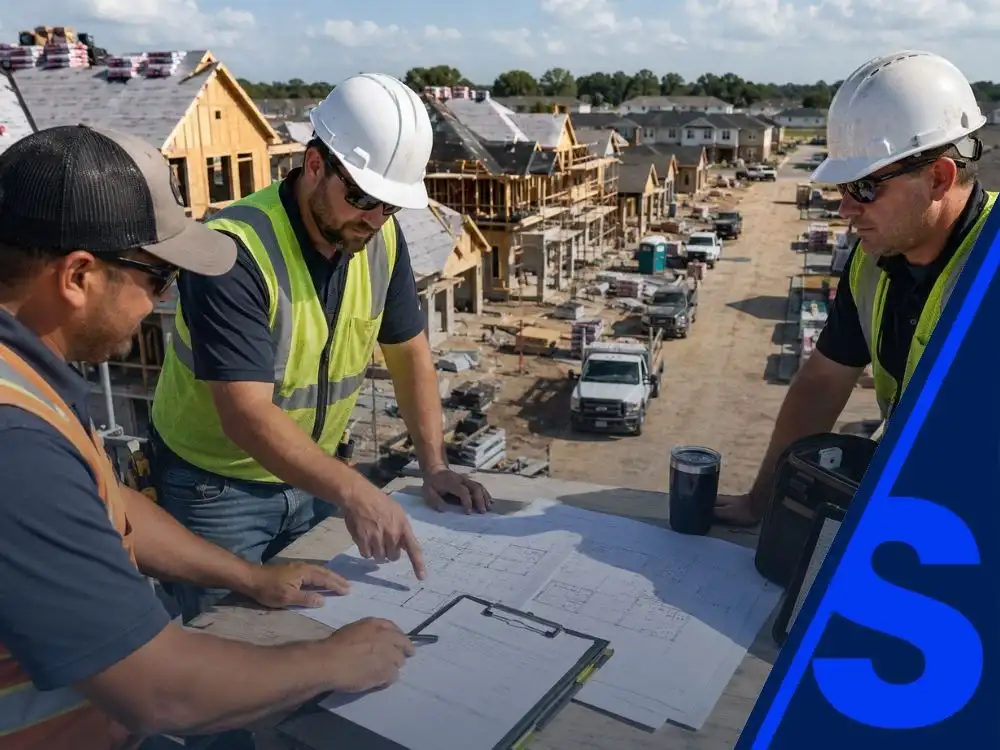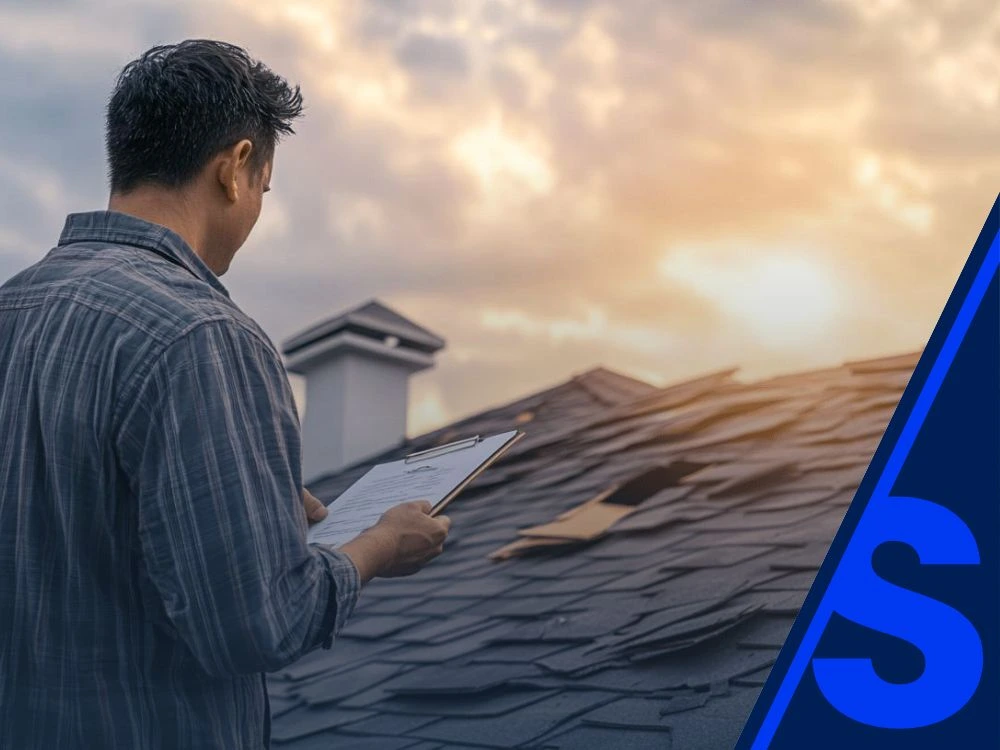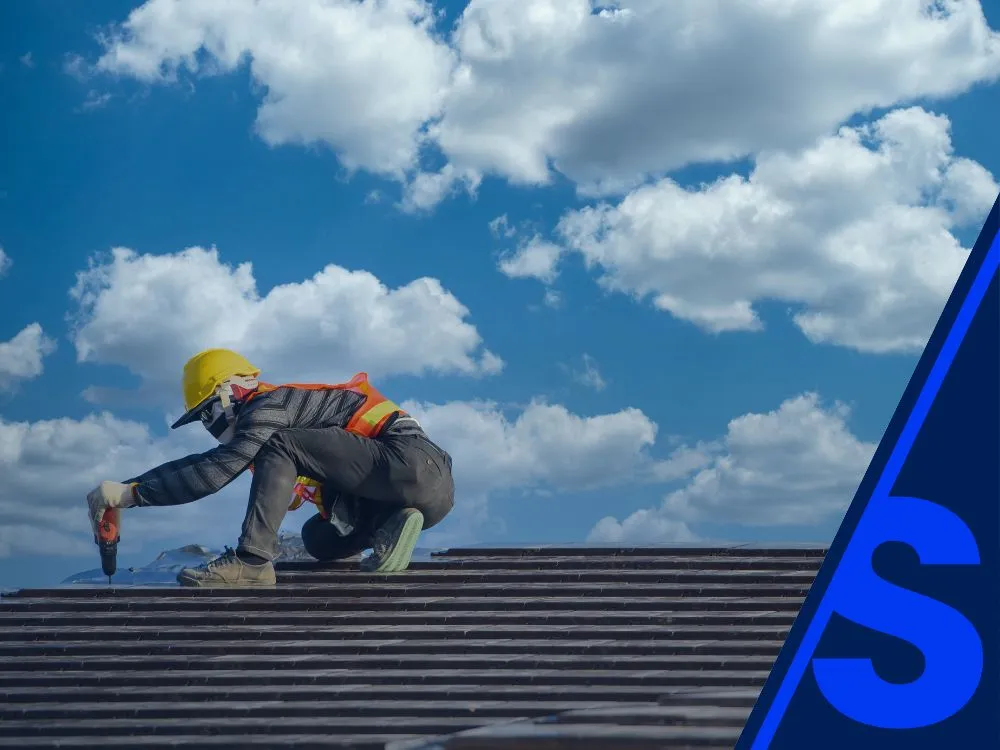
Roof quality control involves systematic, on-site inspections, process oversight, and documentation to ensure roofing materials, installation, and long-term performance meet building codes and project specifications. For builders, key methods include visual checks for material damage, correct flashing installation, and ventilation compliance, along with advanced tools like infrared scanning to detect trapped moisture and drone inspections for hard-to-access roof areas. A strong roof quality control program reduces warranty risk, improves inspection outcomes, and supports consistent production scheduling across communities.
What are the 4 types of quality control?
The four main types of quality control include material inspections, process inspections during installation, final system performance verification, and documentation-based compliance audits to confirm work meets code and specification standards.
What is the quality of a good roof?
A good roof is defined by correct installation, code-compliant ventilation, watertight flashing details, durable materials, and a verified inspection record that supports long-term performance and warranty protection.
What are the 5 steps of quality control?
The five steps are planning the QC process, inspecting materials, monitoring installation, performing final system checks, and documenting results for compliance, warranty, and builder accountability.
What is quality control in construction?
Quality control in construction is the structured process of verifying that materials, workmanship, and completed systems meet project requirements, building codes, and performance expectations before turnover.
The National Institute of Standards and Technology notes that construction quality assurance and verification processes are essential to reducing defects and improving long-term building performance. Source: https://www.nist.gov
For production and custom home builders, roofing is one of the most critical scopes in the construction schedule. The roof is the primary exterior system protecting the structure, interior finishes, and long-term durability of the home. Yet roofing is also one of the most common sources of warranty claims, inspection failures, and costly callbacks when quality control is inconsistent.
Roof quality control is not simply a final walkthrough. It is a structured system of planning, inspections, documentation, and accountability that ensures every roof installed across a community meets code requirements, manufacturer standards, and builder expectations.
In Florida and other high-demand markets, builders face additional complexity. Hurricane resistance requirements, strict ventilation ratios, fast-paced production schedules, and trade coordination challenges all increase the need for a repeatable, professional roof quality control program.
This guide breaks down what roof quality control means for builders, how to implement it effectively, and what best-in-class roofing trade partners do to protect builders from risk.
For builders seeking a dependable partner, working with a proven CitySide Roofing team helps ensure every roof is delivered with documented quality assurance and inspection readiness.
Why Roof Quality Control Matters in New Construction
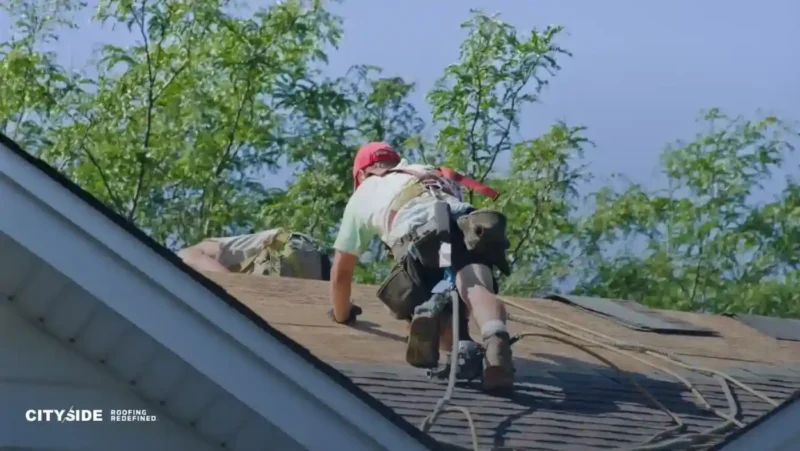
Roof quality control is one of the highest-leverage builder processes because roofing failures create downstream impacts across the entire project.
A missed flashing detail can lead to interior water damage. Improper ventilation can trigger moisture issues and code violations. Material defects can delay inspections and disrupt production schedules.
For builders, roof quality control directly supports:
- First-pass inspection success
- Reduced warranty exposure
- Predictable cycle times
- Consistent trade performance across communities
- Protection of builder reputation
Roof QC is especially important in Florida, where high wind zones and storm exposure demand strict adherence to code-approved installation practices.
Builders looking to strengthen standards across projects should review this related resource:
Why Quality Roofing Standards Matter in New Construction
The Builder-Focused Definition of Roof Quality Control
Roof quality control is the systematic process of verifying that the roofing system is installed correctly at every phase of construction.
For builders, this includes:
- Material verification before install
- On-site workmanship inspections during install
- Code compliance checks for ventilation and flashing
- Final watertightness review before turnover
- Documentation for warranty and audit protection
Unlike homeowner-driven roofing discussions, builder roof quality control is about production consistency, risk mitigation, and scalable operational excellence.
A professional roofing contractor in Florida should function as a trade partner with repeatable QC systems, not just an installer.
The 4 Core Pillars of Roofing Quality Control
Builders can think of roof quality control in four categories:
1. Material Quality Control
Ensuring shingles, underlayment, fasteners, and flashing components arrive undamaged and code-approved.
2. Installation Process Control
Verifying correct sequencing, fastening patterns, and manufacturer requirements during install.
3. Performance and Compliance Control
Confirming ventilation ratios, water shedding details, and Florida Building Code requirements are met.
4. Documentation and Warranty Control
Capturing inspection records, photos, and compliance logs that reduce future disputes.
The 5-Step Roof Quality Control Workflow for Builders
A scalable QC system follows a repeatable workflow.
| Step | QC Phase | Builder Outcome |
| 1 | Pre-install planning | Prevents scope gaps and delays |
| 2 | Material inspection | Avoids defective installs |
| 3 | In-progress audits | Catches errors early |
| 4 | Final system verification | Supports inspection readiness |
| 5 | Documentation and closeout | Reduces warranty risk |
This process is essential for builders managing multiple starts per month and requiring consistent trade execution.
Pre-Installation QC: Getting Ahead of Defects
The most effective roof quality control begins before the first shingle is installed.
Builders should confirm:
- Correct roof plan and slope design
- Approved materials staged on-site
- Underlayment and flashing packages match spec
- Ventilation design meets code ratios
- Trade sequencing is aligned with framing and dry-in milestones
Pre-install QC protects cycle time and prevents rework that disrupts production scheduling.
A trusted roofing trade partner in Florida helps builders lock in these details before install day.
On-Site Workmanship Inspections During Installation
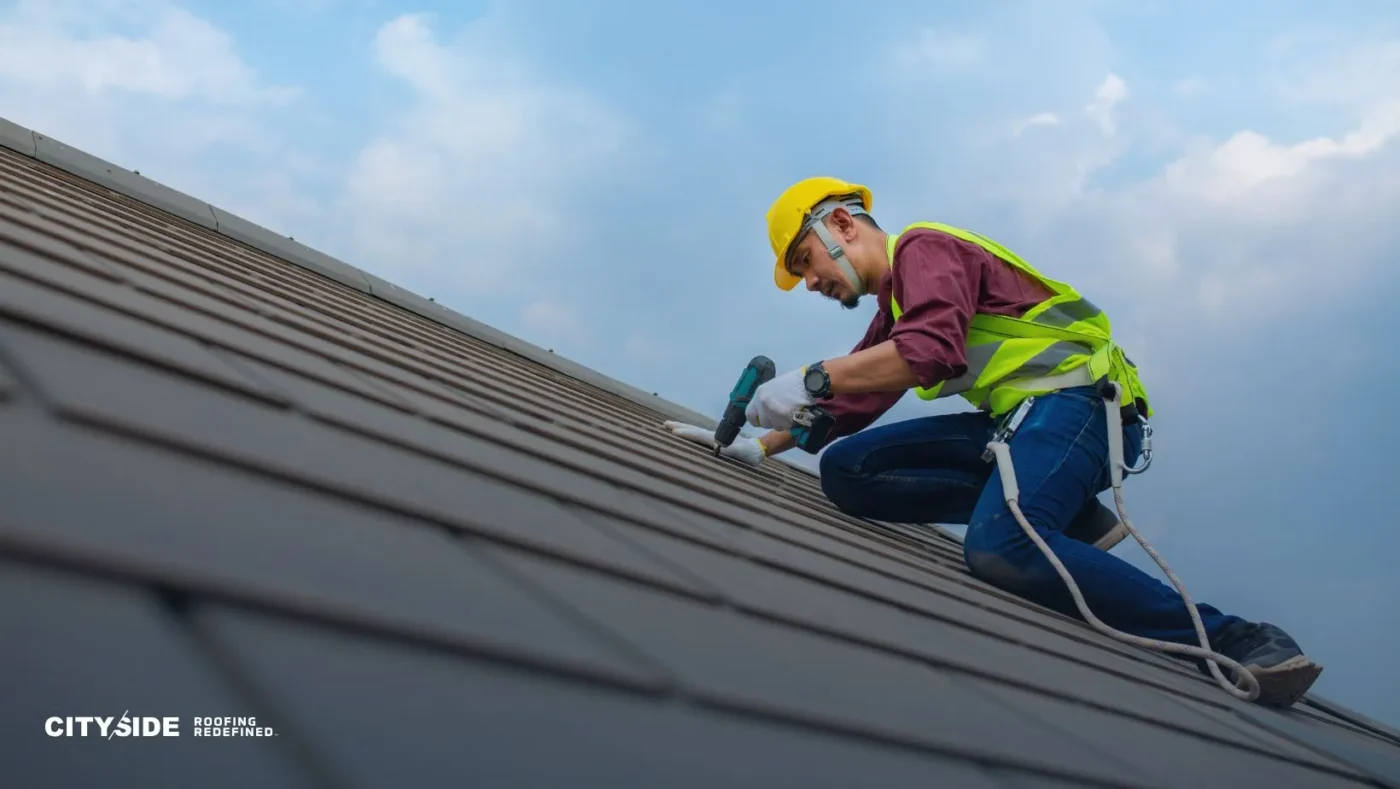
Workmanship errors are the leading cause of builder roofing callbacks.
Key installation checkpoints include:
- Correct nail placement and fastening patterns
- Proper starter strip alignment
- Step flashing at all sidewalls
- Valley detailing per manufacturer specs
- Clean integration around roof penetrations
Builders should require mid-install inspections rather than waiting until completion, when corrections are more costly.
Flashing Quality Control: The Highest-Risk Leak Area
Flashing is the most common failure point in roofing systems.
Builder QC teams should inspect:
- Chimney and wall flashing continuity
- Skylight flashing kits installed per manufacturer
- Pipe boot seals and storm collars
- Kickout flashing at roof-to-wall transitions
Even small flashing gaps can lead to significant warranty claims and interior damage.
Ventilation and Code Compliance in Florida Builds
Florida code places strict requirements on attic ventilation, intake-to-exhaust balance, and moisture control.
Roof QC must verify:
- Ridge vent continuity
- Soffit vent intake is unobstructed
- No mixing of incompatible vent types
- Compliance with Florida Building Code ventilation ratios
Ventilation failures often result in failed inspections and long-term moisture risk.
Builders working with a qualified roofing company in Florida reduce exposure by ensuring ventilation is verified and documented.
Advanced QC Tools: Infrared and Drone Inspections
Modern roof quality control increasingly uses technology for verification.
Infrared Scanning
Infrared tools detect trapped moisture beneath membranes or underlayment layers, identifying hidden risks before turnover.
Drone Inspections
Drones provide visibility into hard-to-access roof areas, improving safety and inspection completeness on large production sites.
These tools support builder-grade documentation and reduce missed defects.
Warranty Risk Reduction Through Documentation
Roof QC is incomplete without documentation.
Builders benefit from:
- Photo logs of critical details
- Signed inspection checklists
- Code compliance verification
- Warranty-ready closeout packages
Documentation protects builders during disputes and strengthens long-term trade accountability.
CitySide’s builder systems emphasize documented QC as part of operational excellence.
Balancing Cost, Speed, and Quality in Production Roofing
Builders often face pressure to move quickly without sacrificing quality.
The most successful approach is not cutting corners but building repeatable systems that deliver consistency.
This related resource explores the balance builders must manage:
Balancing Cost and Quality in Modern Roofing Solutions
Roof quality control is the mechanism that makes speed and durability compatible.
Roofing QC Checklist for Builders
Below is a simplified builder-ready QC checklist:
| Category | Inspection Item |
| Materials | No damaged shingles or missing components |
| Underlayment | Proper overlap and fastening |
| Flashing | Step flashing at all walls and penetrations |
| Ventilation | Intake and exhaust balanced per code |
| Fastening | Nail patterns match manufacturer specs |
| Final Review | Clean finish, no exposed fasteners |
| Documentation | Photos and checklist completed |
This checklist should be standardized across communities to maintain consistency.
Choosing the Right Roofing Partner for Quality Control
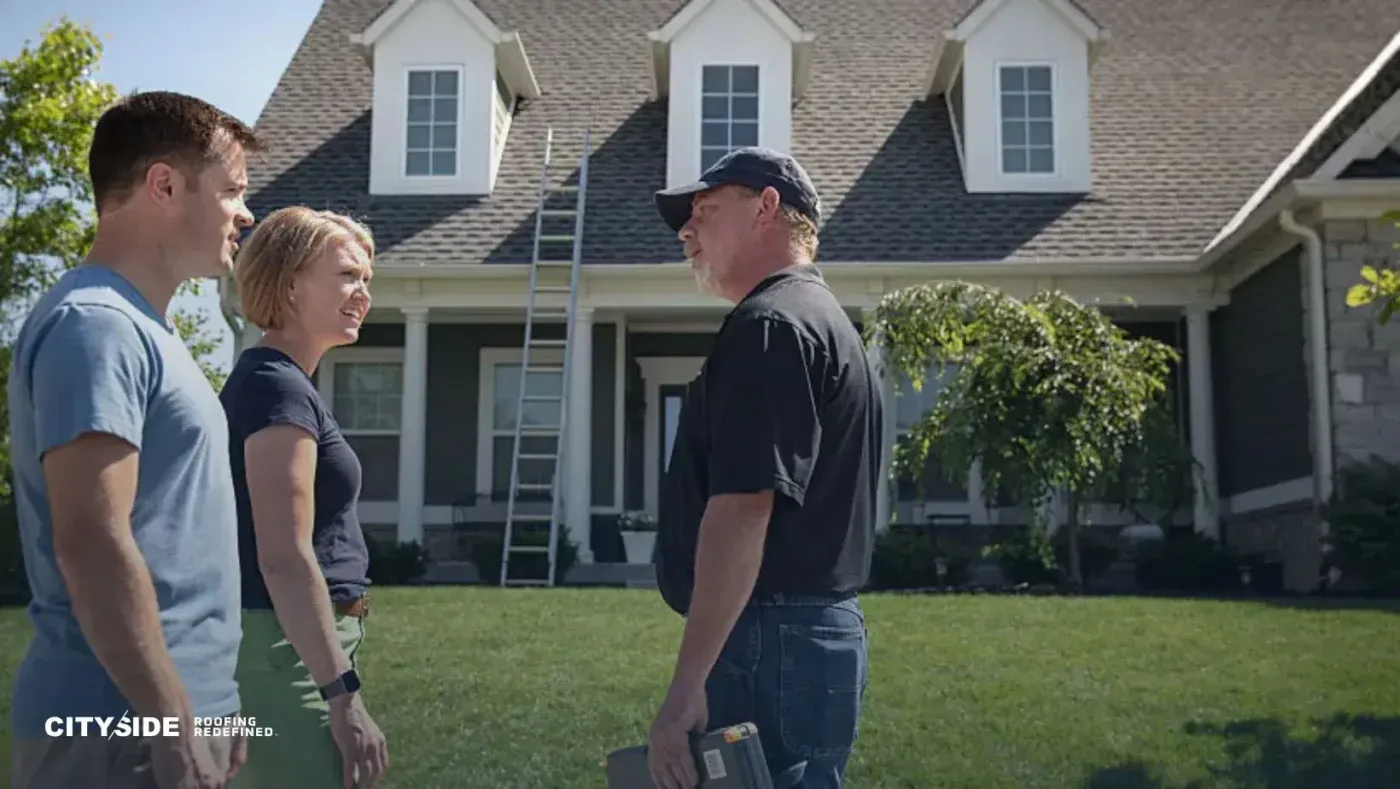
Not all contractors operate with builder-grade QC systems.
Builders should look for:
- Dedicated inspection processes
- Scheduling systems aligned with production
- Code compliance expertise in Florida
- Warranty resolution workflows
- Documented quality standards
Working with experienced roofers for luxury home roofing installation ensures complex builds meet the highest standards.
Conclusion: Roof Quality Control Is a Builder Advantage
Roof quality control is not optional for builders operating at scale. It is a competitive advantage that protects schedules, reduces warranty exposure, and ensures consistent delivery across every home.
By implementing structured inspections, leveraging advanced tools, and partnering with a contractor that prioritizes operational excellence, builders can turn roofing from a risk area into a reliable production system.
Key Builder Takeaways
- Roof quality control reduces inspection failures and warranty claims
- Flashing and ventilation are the most critical QC focus areas
- Mid-install inspections prevent costly rework
- Documentation is essential for builder protection and closeout
- Advanced tools like infrared and drones improve verification
- The right roofing trade partner supports scalable quality systems
Ready to Strengthen Roofing QC Across Your Projects?
If you want a roofing partner that delivers builder-grade inspections, documentation, and code-compliant execution, connect with CitySide today.