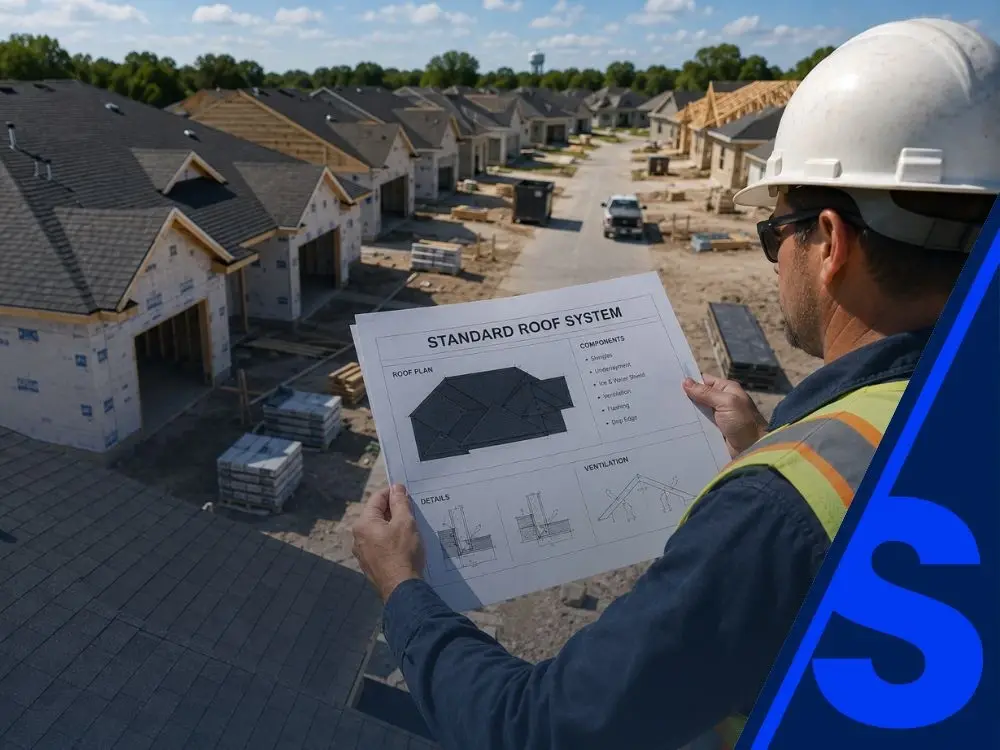
Parapet wall scuppers are openings designed for roof drainage, used as primary or emergency overflow systems. Their installation is governed by the International Building Code (IBC) and International Plumbing Code (IPC) to prevent damaging water ponding on the roof structure. Proper sizing, placement, and detailing are critical for code compliance, structural safety, and long-term roof performance on new construction projects.
What is the minimum height for a scupper opening in a parapet wall?
Most codes require the scupper opening to be installed so the bottom of the opening is not less than 2 inches above the roof surface, unless designed as a primary drain. Emergency overflow scuppers are typically placed higher to activate only when primary drainage fails.
What are scupper drain requirements?
Scupper drain requirements are dictated by the IBC and IPC and include minimum opening sizes, placement relative to roof slope, overflow capacity, and coordination with the roof drainage system to prevent ponding water.
What is the height of a parapet wall as per IS code?
Under Indian Standards, parapet wall height is typically a minimum of 1 meter for roof safety, though drainage design is addressed separately. For projects governed by US codes, parapet height is determined by building design, wind loads, and drainage requirements rather than a fixed minimum.
What is the size code for a scupper?
Scupper size is calculated based on roof area, rainfall intensity, and drainage type. Codes do not prescribe a single universal size but require scuppers to be sized to handle design storm conditions without allowing water to accumulate beyond allowable limits.
Parapet wall scuppers are a critical yet often underestimated component of flat and low-slope roof design. For builders and developers, scuppers are not an architectural afterthought but a life safety and structural protection element governed by strict code requirements. Improperly designed or installed parapet wall scuppers can lead to roof ponding, structural overload, water intrusion, and failed inspections.
In Florida and other high-rainfall regions, parapet wall scuppers play an even more important role. Heavy rain events, tropical systems, and intense downpours demand reliable drainage systems that activate exactly as designed. Understanding how parapet wall scuppers function, how they are regulated by code, and how to implement best practices during construction is essential for risk mitigation and long-term roof performance.
What Are Parapet Wall Scuppers?
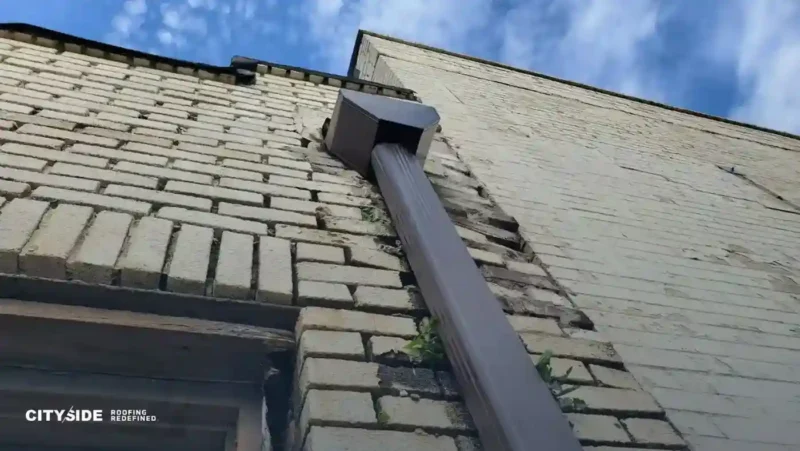
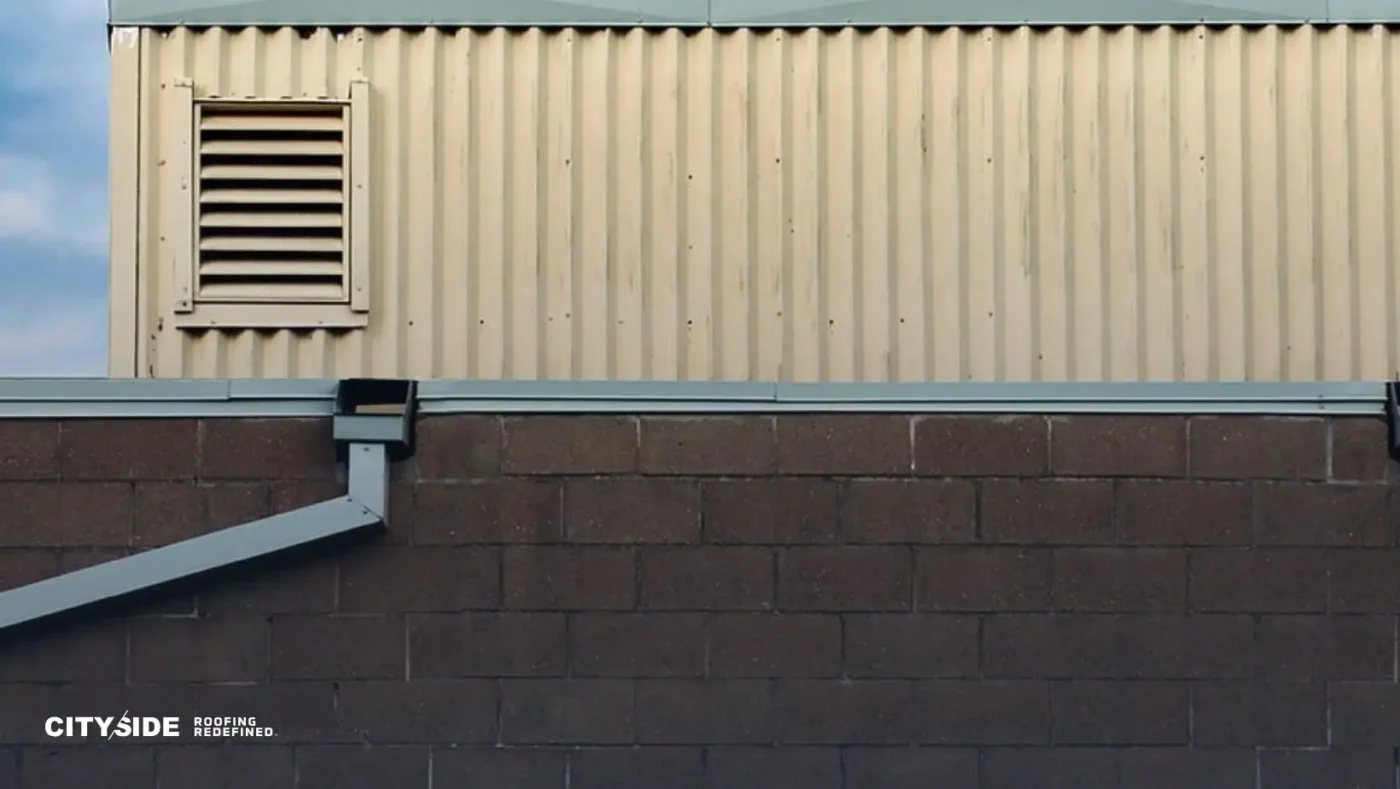
Parapet wall scuppers are openings located in or through parapet walls that allow water to drain off a roof. Unlike internal roof drains that route water through piping systems, scuppers discharge water directly through the wall to the exterior of the building.
Scuppers can serve two primary functions. They can act as the primary drainage method for a roof or as an emergency overflow system designed to engage when primary drains become blocked or overwhelmed. In many commercial and multifamily buildings, parapet wall scuppers are used specifically for emergency drainage to protect the roof structure from excessive water loading.
Because parapet wall scuppers penetrate the building envelope, they require careful coordination with roofing membranes, flashing systems, and wall assemblies to remain watertight while still allowing unrestricted water flow.
Why Parapet Wall Scuppers Matter for Roof Drainage
Roof drainage failures are one of the leading causes of structural damage on flat roofs. When water cannot exit the roof surface quickly enough, ponding occurs. Prolonged ponding increases dead load on the structure, accelerates membrane degradation, and raises the risk of leaks.
Parapet wall scuppers provide a passive drainage path that does not rely on internal piping. This makes them especially valuable as overflow protection. If internal drains clog due to debris, construction waste, or inadequate maintenance, scuppers serve as a secondary defense against water accumulation.
For builders, parapet wall scuppers are also an inspection-sensitive element. Inspectors often verify scupper placement, height, and sizing because these factors directly affect occupant safety and structural performance during storm events.
Code Requirements Governing Parapet Wall Scuppers
Parapet wall scuppers are regulated primarily by the International Building Code and the International Plumbing Code. These codes establish when scuppers are required, how they must be sized, and how they must be positioned relative to the roof surface.
The IBC requires that roofs with parapet walls include secondary drainage provisions when primary drainage systems are present. Parapet wall scuppers are one of the most common methods used to satisfy this requirement. The code specifies that overflow scuppers must be sized to prevent water from rising above a level that could compromise structural integrity.
The IPC further defines how roof drainage systems, including scuppers, must be designed to accommodate rainfall rates based on geographic location. This means scupper sizing is not arbitrary but must be calculated using local rainfall intensity data.
Expert Insight on Code Intent
According to guidance published by the Federal Emergency Management Agency and summarized in FEMA Technical Bulletin 2, roof drainage systems including scuppers are intended to prevent structural collapse caused by excessive water accumulation during extreme rain events by providing redundant drainage paths when primary systems fail.
Primary Versus Emergency Parapet Wall Scuppers
Primary parapet wall scuppers are designed to handle the full design rainfall load for the roof. These scuppers are positioned at the low point of the roof slope and serve as the main drainage outlet.
Emergency parapet wall scuppers, on the other hand, are positioned higher than the primary drainage plane. Their purpose is not daily drainage but protection against catastrophic failure. When water rises above normal levels due to blocked drains or extreme rainfall, emergency scuppers activate and discharge excess water.
Builders must clearly distinguish between these two functions during design and installation. Emergency scuppers cannot be placed at the same elevation as primary drains, and inspectors will often verify this during final inspections.
Minimum Height and Placement Requirements
One of the most common inspection issues related to parapet wall scuppers is incorrect height placement. Emergency overflow scuppers must be installed above the roof surface but below the elevation that would allow water to endanger the structure.
Codes generally require the bottom of an emergency scupper opening to be set above the roof surface by a minimum vertical distance, often aligned with the allowable ponding depth of the roof structure. This ensures the scupper activates before water load exceeds structural limits.
Placement is equally important. Scuppers must be located where water naturally flows, typically at roof low points. Installing scuppers without proper slope coordination can render them ineffective even if they meet dimensional requirements.
Sizing Parapet Wall Scuppers Correctly
Scupper sizing is a technical calculation based on roof area and rainfall intensity. Larger roofs or regions with higher rainfall require larger scupper openings or multiple scuppers to safely manage water flow.
Codes reference standardized rainfall data, often expressed in inches per hour, to determine the required drainage capacity. Builders must ensure that parapet wall scuppers are sized to discharge water at a rate equal to or greater than the anticipated rainfall.
Undersized scuppers are a frequent cause of code violations and post-construction drainage issues. Oversizing, while generally safer, must still be coordinated with wall design and flashing details to avoid compromising the building envelope.
Integration With Roofing and Waterproofing Systems
Parapet wall scuppers penetrate both the roof and wall assemblies, making waterproofing coordination essential. Improper flashing around scuppers is a common source of leaks, especially where water discharge is concentrated.
Best practices include using pre-manufactured scupper boxes or sleeves that integrate seamlessly with the roofing membrane. These components are designed to be fully wrapped by the membrane and flashed into the parapet wall to create a continuous waterproof barrier.
Builders should ensure that scupper flashing details are reviewed during shop drawing and submittal phases, not left to field improvisation. Consistent detailing across projects reduces variability and risk.
Common Construction Mistakes With Parapet Wall Scuppers
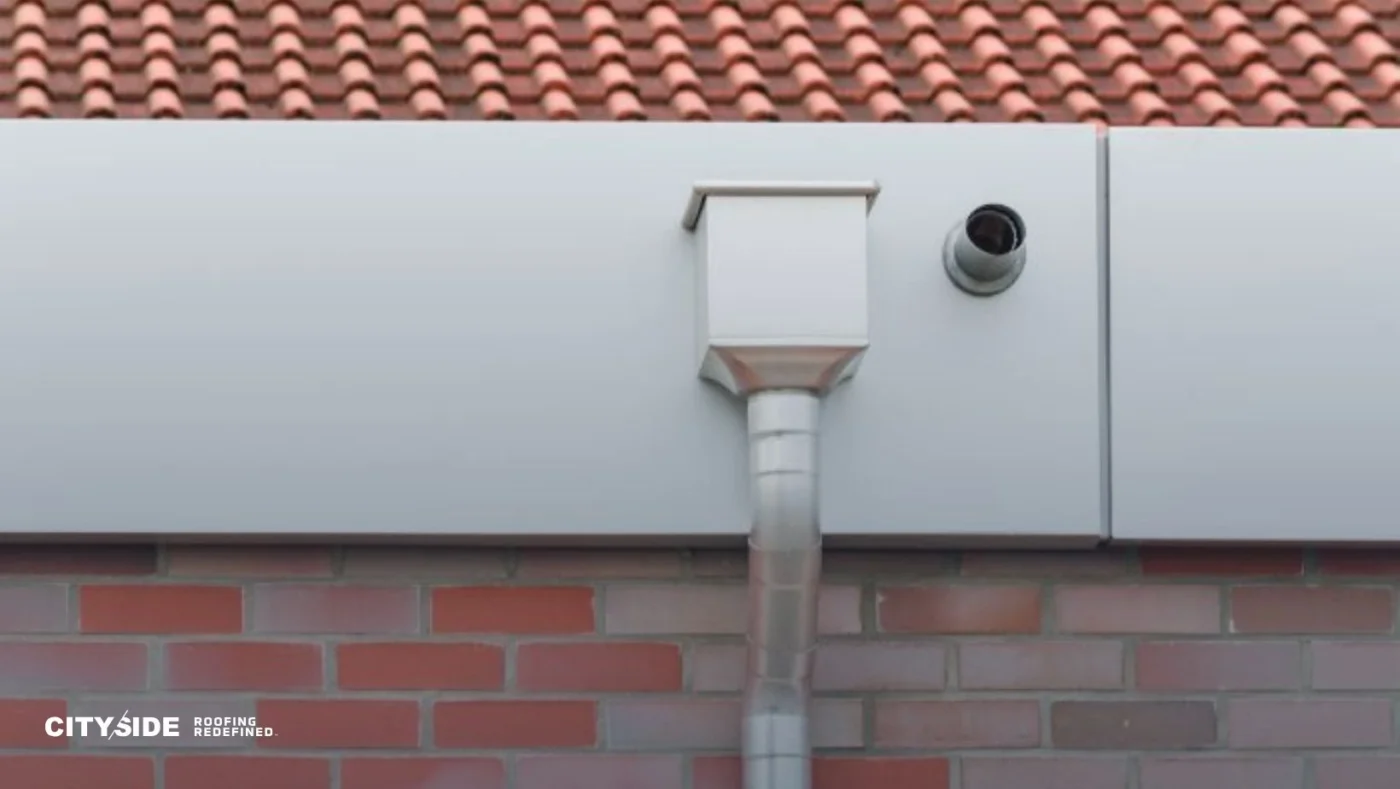
Several recurring mistakes can undermine the performance of parapet wall scuppers. These include installing scuppers without adequate roof slope, placing emergency scuppers too low, and failing to coordinate scupper elevation with structural design limits.
Another frequent issue is inadequate protection at the discharge point. Water exiting a scupper can damage exterior walls, landscaping, or walkways if not properly directed away from the building.
Builders should also avoid treating scuppers as interchangeable with roof drains. Each system has distinct design and code requirements, and substituting one for the other without proper engineering can result in failed inspections.
Best Practices for Builders and Developers
Successful implementation of parapet wall scuppers begins during the design phase. Builders should coordinate closely with architects, structural engineers, and roofing professionals to ensure scupper locations, sizes, and elevations align with the overall roof drainage strategy.
During construction, quality control inspections should verify that scuppers are installed at the correct height, properly flashed, and unobstructed. Temporary construction debris should never be allowed to block scupper openings.
Documenting scupper installation details and elevations as part of the project closeout package can also streamline inspections and reduce disputes during warranty periods.
Florida-Specific Considerations
Florida’s climate places unique demands on roof drainage systems. High rainfall intensity, sudden storm events, and debris carried by wind increase the likelihood of drain blockage. This makes emergency parapet wall scuppers especially important.
Local jurisdictions may also adopt amendments to the IBC and IPC that affect scupper requirements. Builders working across multiple municipalities should verify local interpretations to avoid surprises during inspections.
In coastal areas, corrosion-resistant materials should be used for scupper components to withstand salt exposure and humidity.
Long-Term Performance and Risk Mitigation
Parapet wall scuppers are not just a code checkbox. They are a long-term risk mitigation tool that protects the building structure throughout its service life. Properly designed and installed scuppers reduce the likelihood of catastrophic water loading events that can lead to structural damage and costly repairs.
For builders, investing time and attention into scupper design reduces callbacks, warranty claims, and liability exposure. Consistent execution across projects builds reliability into the construction process.
Parapet wall scuppers play a vital role in roof drainage and structural protection. Governed by the IBC and IPC, they must be properly sized, placed, and integrated into the roofing and wall systems to function as intended. For builders and developers, understanding code requirements and best practices for parapet wall scuppers is essential for delivering safe, compliant, and durable buildings.
Key Takeaways
- Parapet wall scuppers provide primary or emergency roof drainage
- Codes require scuppers to prevent excessive water ponding
- Proper height and placement are critical for performance and inspections
- Scupper sizing must match roof area and rainfall intensity
- Integration with roofing membranes and flashing is essential
- Quality control during construction reduces long-term risk
If you are planning a new construction project and need support coordinating roof drainage systems, parapet wall scuppers, and code compliance, contact CitySide Roofing to discuss builder-focused roofing solutions and quality-driven execution.
Related Reading: