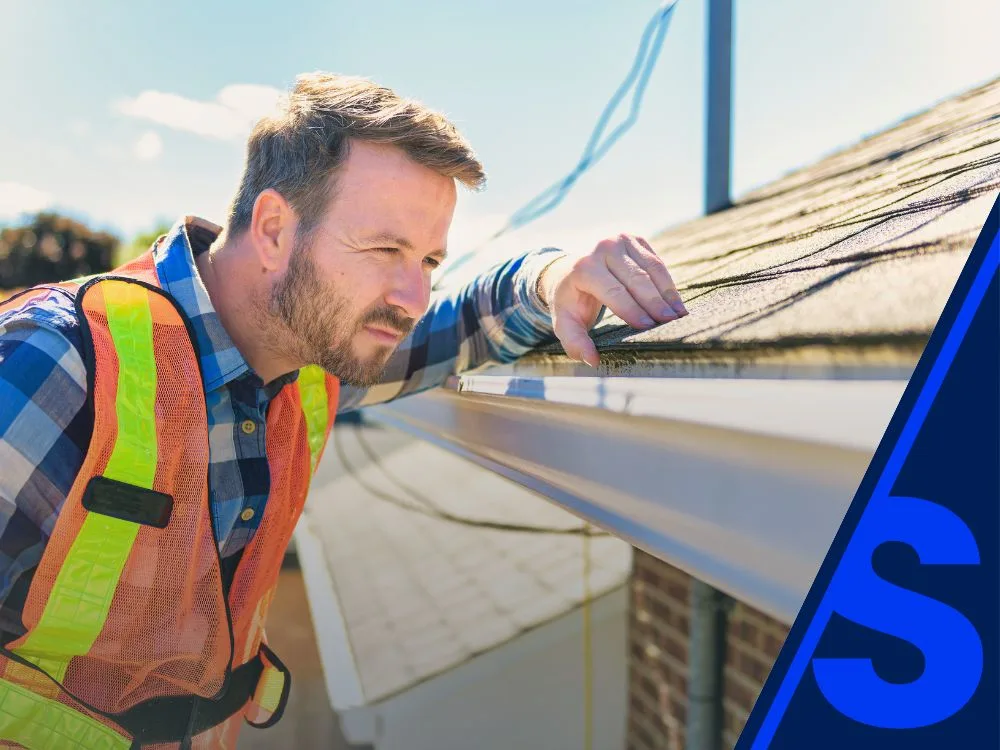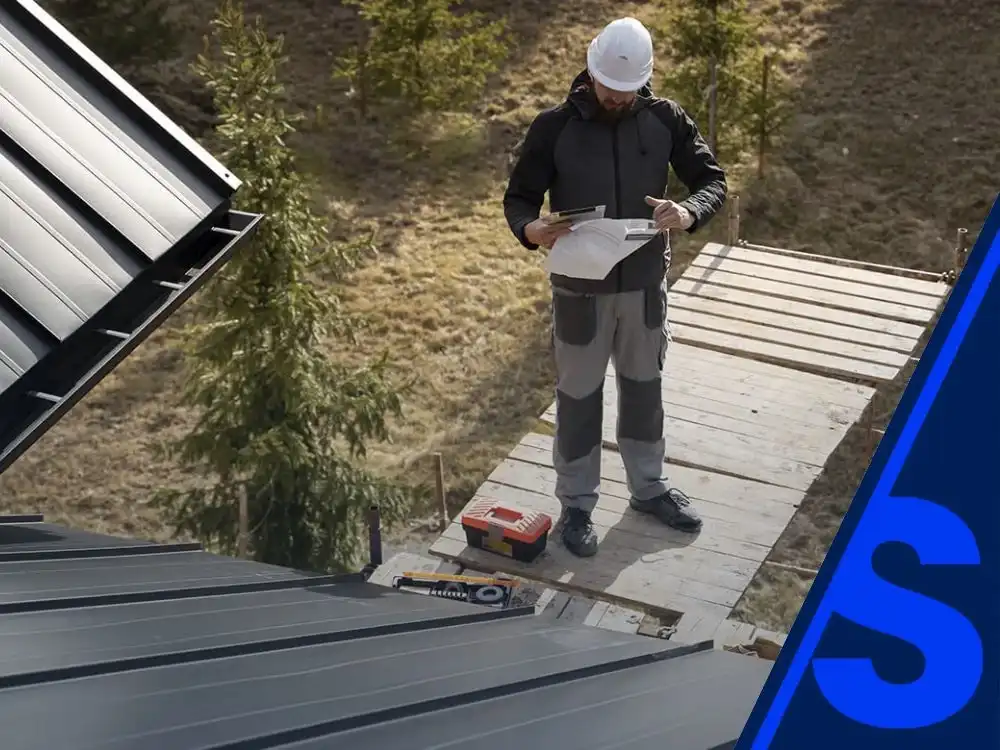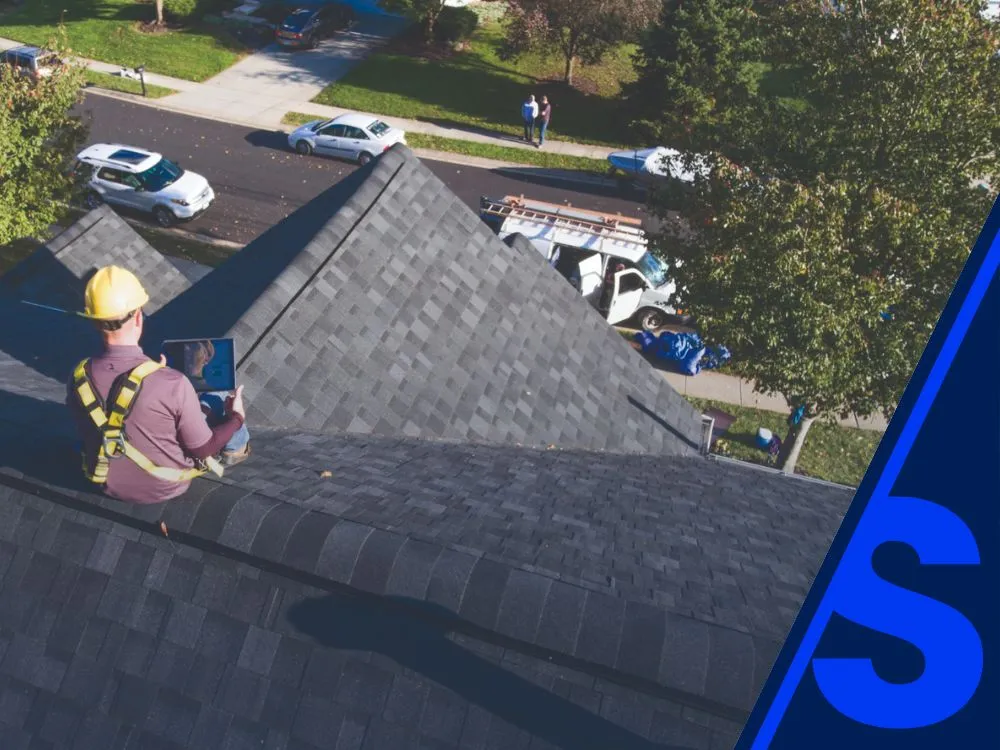
A two-phase roofing inspection typically combines an exterior, in-person assessment of materials and structure with a secondary analytical phase such as reviewing documentation, evaluating interior conditions, and utilizing drone or infrared technology for accuracy. This comprehensive approach ensures that installation errors, leaks, structural concerns, and code compliance issues are identified early. For builders, a structured two-phase roofing inspection strengthens quality control, reduces warranty exposure, and protects production timelines.
What are phase inspections?
Phase inspections are structured checkpoints during construction where specific components are reviewed before proceeding to the next stage. In roofing, this often means inspecting the deck and underlayment before final covering, followed by a second inspection after full installation.
How to properly inspect a roof?
A proper roof inspection includes reviewing structural decking, fastening patterns, flashing details, drainage components, ventilation design, and manufacturer compliance. It also involves verifying documentation and ensuring installation aligns with code requirements.
What are the 4 types of inspections?
The four common inspection types in construction include pre-installation inspection, in-progress inspection, final inspection, and warranty or post-completion inspection. Roofing projects often combine the first three into a structured quality control process.
What is a phase 3 inspection?
A phase 3 inspection typically refers to a final comprehensive review after installation is complete. It ensures the roof system meets code, manufacturer specifications, and project standards before turnover.
For production builders and custom home builders alike, roofing is one of the most critical components of structural performance and long-term durability. A single overlooked fastening error or flashing detail can lead to callbacks, delays, and warranty claims. That is why implementing a structured two-phase roofing inspection process is essential for improved quality control.
Rather than relying on a single final walk-through, a two-phase roofing inspection separates structural and material verification into distinct checkpoints. This approach allows builders to catch errors before they are concealed and to confirm that the finished system meets code, manufacturer requirements, and project specifications. When coordinated properly, it supports operational efficiency and protects scheduling milestones.
Expert Insight on Inspection and Quality Standards
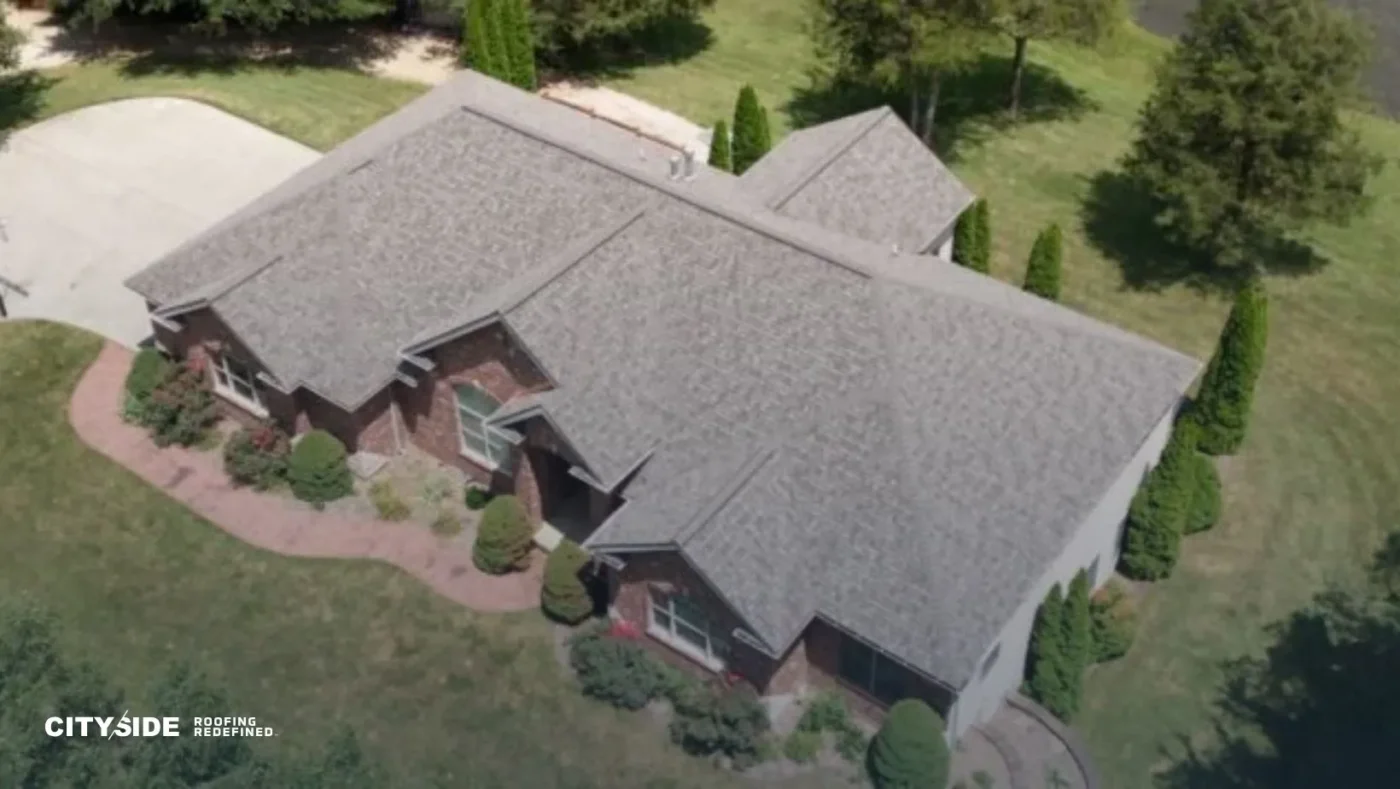
According to the National Institute of Building Sciences, structured inspection processes during construction significantly reduce long-term building failures by identifying defects before enclosure and finalization. Early-phase inspections are considered critical to quality assurance in high-performance building systems.
Why Builders Need a Two-Phase Roofing Inspection
In new construction, roofing is typically installed under tight schedules. Trades overlap, weather windows are limited, and inspection timelines can affect certificate of occupancy approvals. A two-phase roofing inspection adds structure to this fast-moving environment.
The first phase focuses on substrate integrity and preparation. The second phase verifies finished system performance. Together, they create a documented quality control system that reduces rework and supports compliance.
For builders working with a Roofing trade partner in Florida, integrating inspections into the production schedule ensures roofing does not become a bottleneck. Instead, it becomes a predictable, managed step in the construction timeline.
Phase One: Structural and Substrate Inspection
The first phase of the two-phase roofing inspection occurs before shingles, tile, or metal panels fully conceal the roof deck. This inspection verifies foundational elements that are difficult to review once covered.
Key Items Reviewed in Phase One
- Roof decking alignment and fastening patterns
- Underlayment installation and overlap
- Flashing integration at penetrations
- Ice and water protection where required
- Ventilation openings and ridge preparation
Catching issues at this stage prevents concealed defects. For example, improperly fastened decking may not be visible once shingles are installed. Addressing it during phase one avoids expensive tear-offs later.
Phase Two: Final System and Performance Inspection
The second phase occurs after roofing materials are installed. This inspection verifies compliance with manufacturer specifications and local code.
Key Items Reviewed in Phase Two
- Shingle or tile alignment
- Flashing at valleys and sidewalls
- Ridge vent termination
- Fastener patterns
- Drainage and scupper integration
This phase confirms that the roofing system performs as designed. For production builders, it is also the moment to confirm that documentation is complete and ready for municipal approval.
Comparing Single-Phase vs Two-Phase Roofing Inspection
The table below outlines operational differences between inspection strategies.
Inspection Model | Defect Detection Timing | Risk of Rework | Documentation Strength | Builder Control |
Single-Phase | After completion | High | Limited | Reactive |
Two-Phase Roofing Inspection | During installation and post-installation | Low | Strong | Proactive |
A two-phase roofing inspection shifts the builder from reactive correction to proactive quality management.
Integrating Technology into the Inspection Process
Modern builders increasingly incorporate drone imaging, thermal scans, and digital reporting tools into phase two inspections. Infrared imaging can identify moisture intrusion or insulation gaps that are not visible to the naked eye.
Drone photography allows project managers to review roof installations across multiple lots without climbing each roof. For large-scale developments, this significantly improves operational efficiency.
Working with a Roofing contractor in Florida that integrates technology ensures faster reporting and clearer documentation.
Production Scheduling and Inspection Coordination
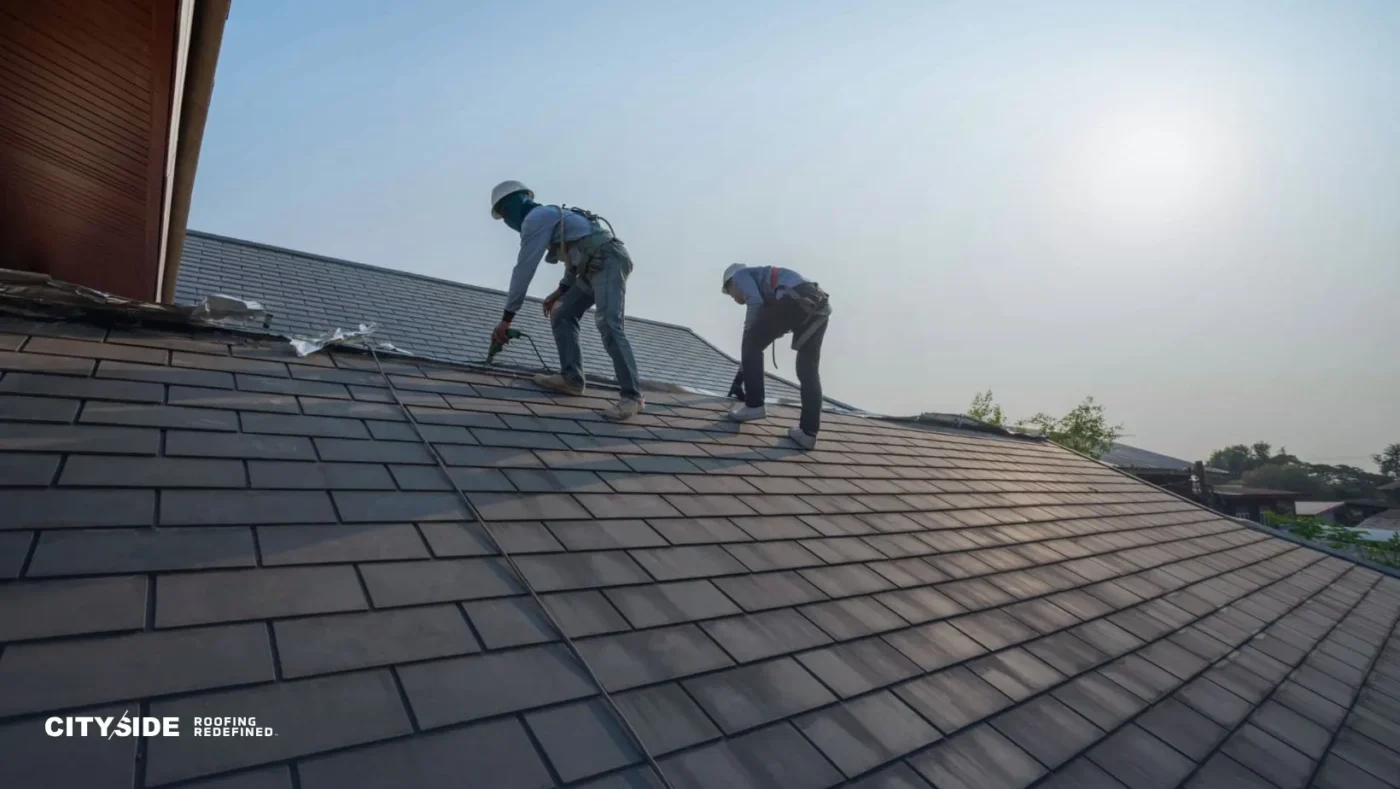
Inspection timing must align with framing, sheathing, and exterior cladding schedules. Delayed inspections can stall drywall installation or exterior finishes.
Below is a simplified example of roofing inspection coordination within a production schedule.
Construction Stage | Roofing Activity | Inspection Phase |
Framing Complete | Deck installed | Phase One |
Underlayment Installed | Flashing integration | Phase One |
Roofing Material Installed | Final fasteners | Phase Two |
Exterior Completion | Final review | Phase Two |
When inspections are embedded in scheduling software and ERP systems, builders reduce delays and improve communication between trades.
Code Compliance and Documentation
Municipal building departments often require proof of proper underlayment installation, flashing, and fastening patterns. A documented two-phase roofing inspection ensures that required details are captured before concealment.
In Florida, wind uplift requirements and fastening schedules are particularly strict. Builders who partner with a Roofing company in Florida experienced in local code enforcement reduce inspection friction and minimize failed inspections.
Proper documentation during phase one protects builders during warranty claims. If an issue arises years later, inspection records provide verification of compliant installation.
Warranty Risk Reduction Through Early Detection
Warranty claims are often traced back to small installation errors. Improper flashing around chimneys or vent penetrations may not cause leaks immediately but can fail over time.
A two-phase roofing inspection reduces these risks by verifying flashing integration before materials are layered over it. The second phase confirms alignment and seal integrity.
Builders who use structured inspection processes consistently report fewer post-closing service calls and lower warranty reserve expenditures.
Quality Control Systems for Custom Home Builders
Luxury and custom home projects demand heightened attention to detail. High-end materials such as tile or standing seam metal require precise installation tolerances.
For Roofers for luxury home roofing installation, a two-phase roofing inspection protects architectural intent and structural reliability. It ensures specialty materials are installed to exact specifications.
Custom builders benefit from detailed inspection documentation that can be presented to clients or archived for long-term project records.
Related Reading: Elastomeric Roof Coatings: Builder-Focused Lifecycle, Technical Pros & Cons Across Substrates
Inspection Checklists for Builders
A standardized checklist improves consistency across projects.
Phase One Checklist Example
- Deck moisture content verified
- Underlayment overlap measured
- Flashing installed at all penetrations
- Vent openings clear
- Fastener spacing confirmed
Phase Two Checklist Example
- Shingle exposure uniform
- Valley flashing sealed
- Ridge vent installed correctly
- Drainage unobstructed
- Final photo documentation complete
Builders working with CitySide Roofing can incorporate inspection checklists into project documentation for consistent quality assurance.
Related Roofing Systems and Inspection Integration
Roof coatings and specialty materials also require structured inspection processes. For example, reflective systems discussed in Advanced Reflective Metal Roof Coatings for Builder Efficiency and Code Compliance must be verified for thickness and adhesion during phase two.
Similarly, elastomeric systems outlined in Elastomeric Roof Coatings: Builder-Focused Lifecycle, Technical Pros & Cons Across Substrates require substrate review before coating application.
By aligning coatings and roofing materials with inspection checkpoints, builders create a unified quality control framework.
Operational Efficiency Through Standardization
Standardizing the two-phase roofing inspection across all builds creates predictability. Field supervisors know when to schedule inspections. Project managers understand documentation requirements. Trades align their work accordingly.
This standardization reduces delays and strengthens coordination between roofing crews and other subcontractors. Builders operating at scale benefit from repeatable, documented procedures.
Common Builder Mistakes Without a Two-Phase System
Builders who rely only on final inspections often encounter these issues:
- Concealed flashing errors
- Missed underlayment defects
- Improper fastener spacing
- Delayed discovery of drainage issues
Each of these problems can trigger rework that impacts drywall, insulation, or exterior finishes. A structured two-phase roofing inspection addresses them early.
Building Long-Term Trade Partnerships
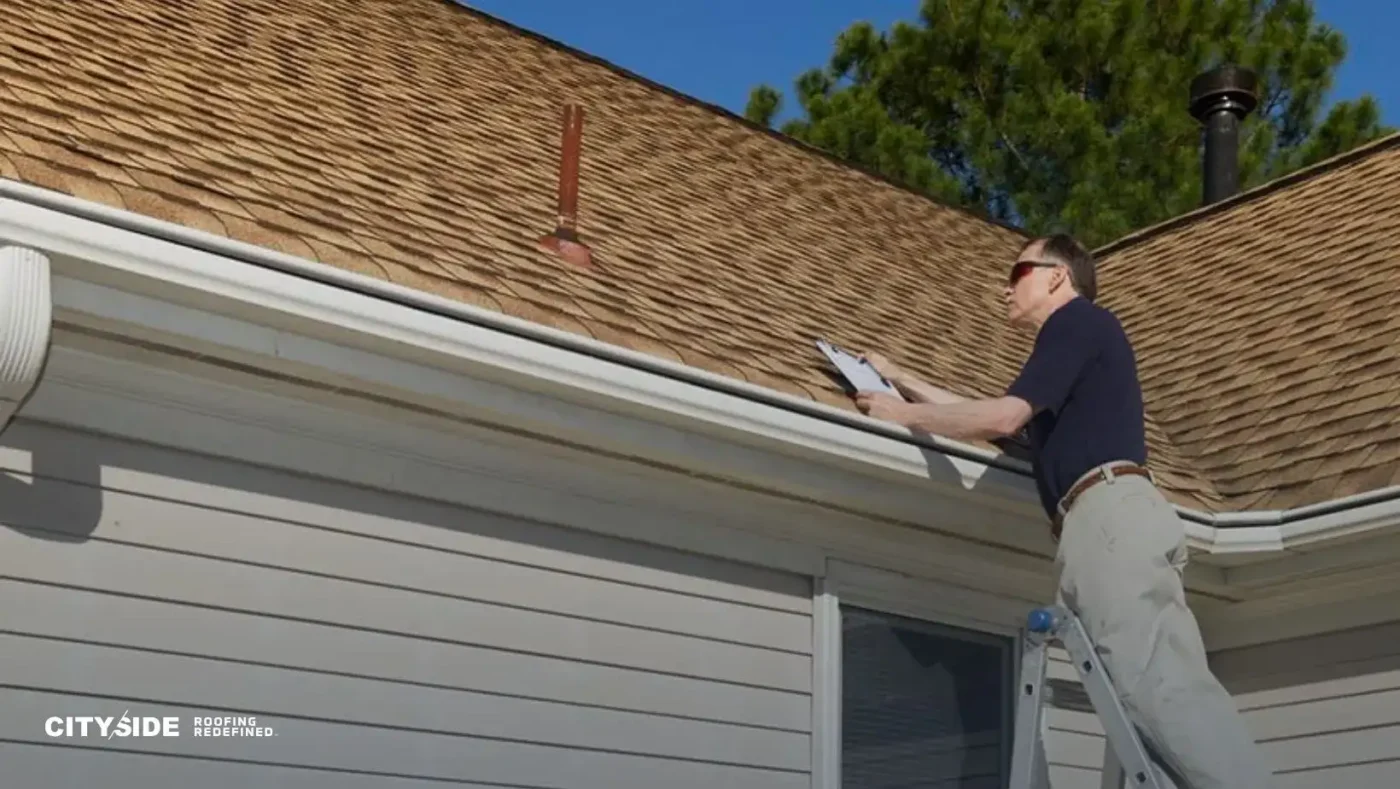
Builders benefit from consistent collaboration with a Roofing trade partner in Florida for custom homes who understands inspection requirements and production demands.
Strong partnerships align inspection processes with builder expectations. Communication improves. Rework decreases. Scheduling stabilizes.
When inspections are embedded in the relationship between builder and roofing trade partner, quality control becomes part of the workflow rather than an afterthought.
Conclusion
The two-phase roofing inspection is not simply a procedural step. It is a strategic quality control framework designed to improve compliance, reduce warranty exposure, and support efficient production schedules.
By separating substrate verification from final system review, builders gain greater visibility into installation quality. They catch errors earlier, document compliance more thoroughly, and deliver stronger finished products.
For production builders and custom home builders alike, implementing a two-phase roofing inspection is a practical step toward improved operational performance.
Key Builder Takeaways
- A two-phase roofing inspection reduces concealed defects and rework
- Phase one protects structural integrity before concealment
- Phase two verifies system performance and compliance
- Structured inspections improve documentation and warranty defense
- Technology integration enhances accuracy and efficiency
- Standardized checklists strengthen quality control across projects
- Partnering with an experienced Roofing company for custom home builders ensures consistent inspection success
To strengthen your quality control systems and integrate a structured two-phase roofing inspection into your next project, connect with CitySide Roofing today!
Related Reading: Advanced Reflective Metal Roof Coatings for Builder Efficiency and Code Compliance