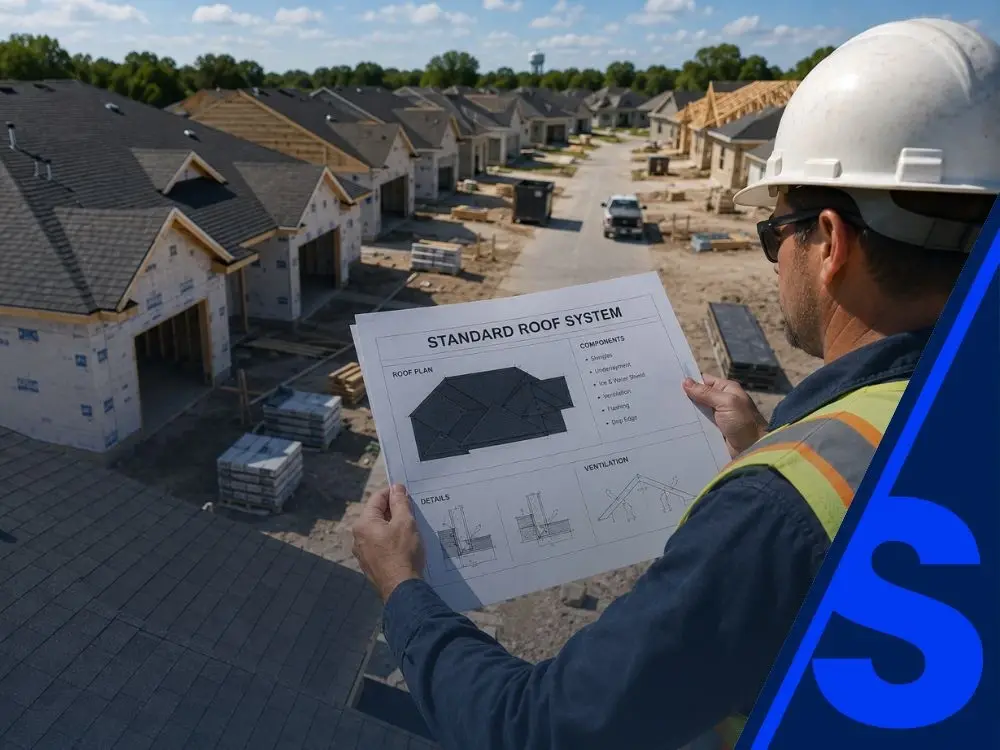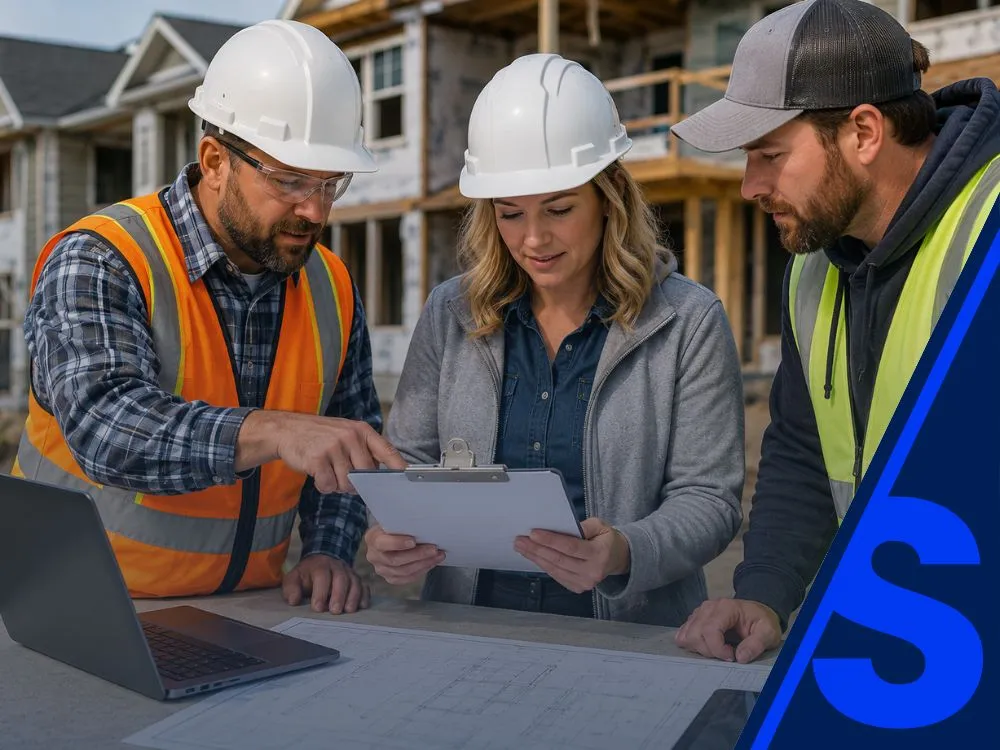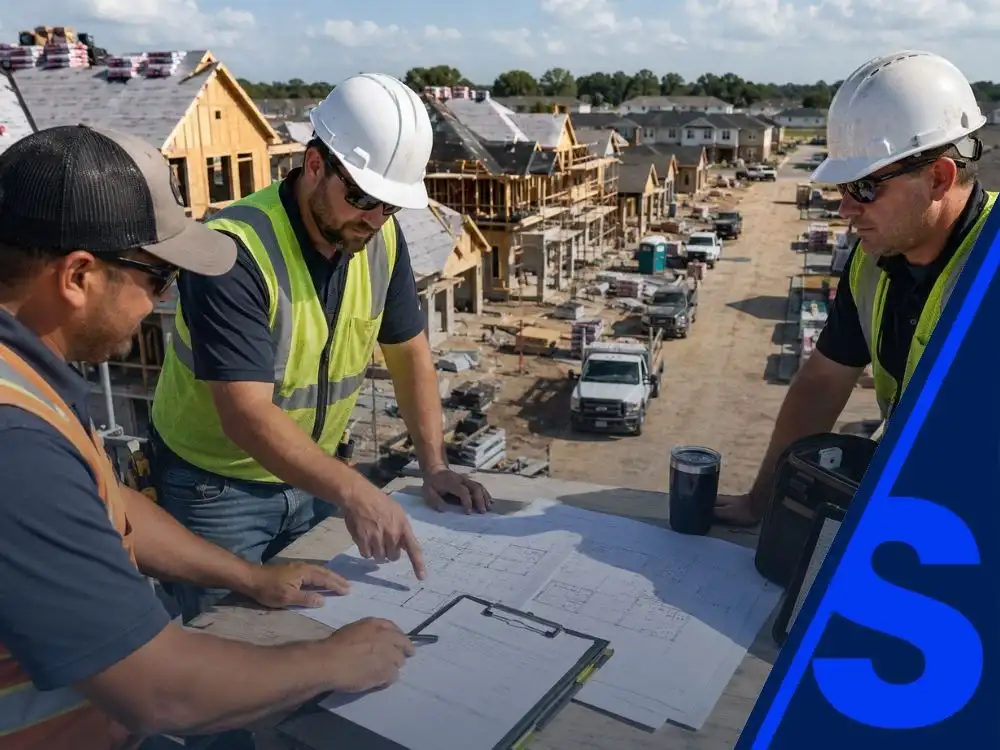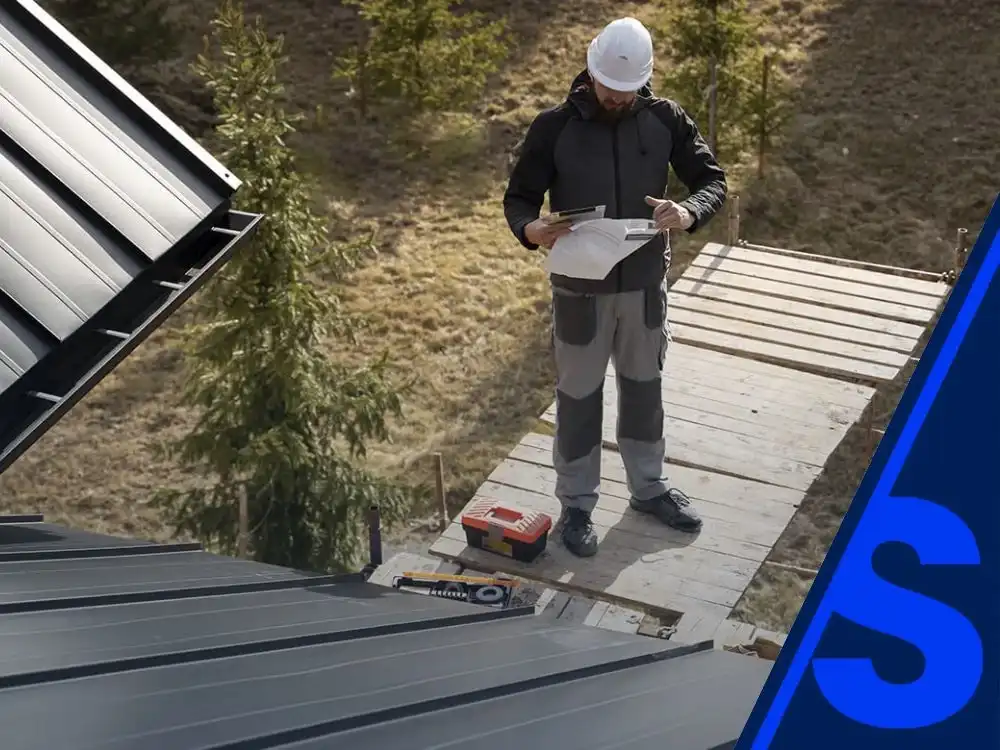
Roof quality assurance involves independent, third-party monitoring of roofing projects to verify that materials and installations comply with specifications, codes, and industry standards. It includes scheduled site visits by certified observers during critical construction phases to check substrate conditions, materials, and workmanship. For builders, tracking measurable roof quality assurance metrics protects production schedules, ensures code compliance, reduces warranty exposure, and prevents costly premature failures.
What is meant by traditional modern roofing?
Traditional modern roofing typically refers to contemporary roofing systems that combine time-tested materials such as asphalt shingles or metal panels with updated installation standards, improved underlayments, and code-compliant fastening systems.
How are modern roofs made?
Modern roofs are built using layered systems that include structural decking, underlayment, flashing, insulation when required, and finished roofing materials. Each layer must be installed according to manufacturer specifications and building code requirements to ensure long-term performance.
What roof type is best for a modern house?
The best roof type for a modern house depends on climate, structural design, and builder goals. Common choices include architectural shingles, standing seam metal, and low-slope membrane systems, all selected based on durability, compliance, and production efficiency.
What is the most common roofing system used today?
Architectural asphalt shingles remain the most common roofing system used today in residential construction, while low-slope membrane systems such as TPO and modified bitumen are widely used in commercial and multi-unit builds.
In production construction, roof quality assurance is not optional. It is a measurable discipline that protects builders from delays, inspection failures, and warranty exposure. A well-designed roof system can still fail if installation deviates from specification or code. That is why builders must track key roof quality assurance metrics throughout the construction cycle.
Roof quality assurance goes beyond a final inspection. It involves structured oversight, scheduled field verification, and documentation during critical stages of installation. For home builders managing multiple projects, tracking the right metrics ensures operational efficiency, consistent workmanship, and compliance with building codes.
According to the National Institute of Building Sciences, quality assurance processes in construction are essential to verify compliance with design intent and industry standards, reducing lifecycle risk and premature failure.
For builders seeking a reliable Roofing trade partner in Florida, aligning with structured QA processes is one of the most effective ways to safeguard project outcomes.
Why Roof Quality Assurance Matters in New Construction
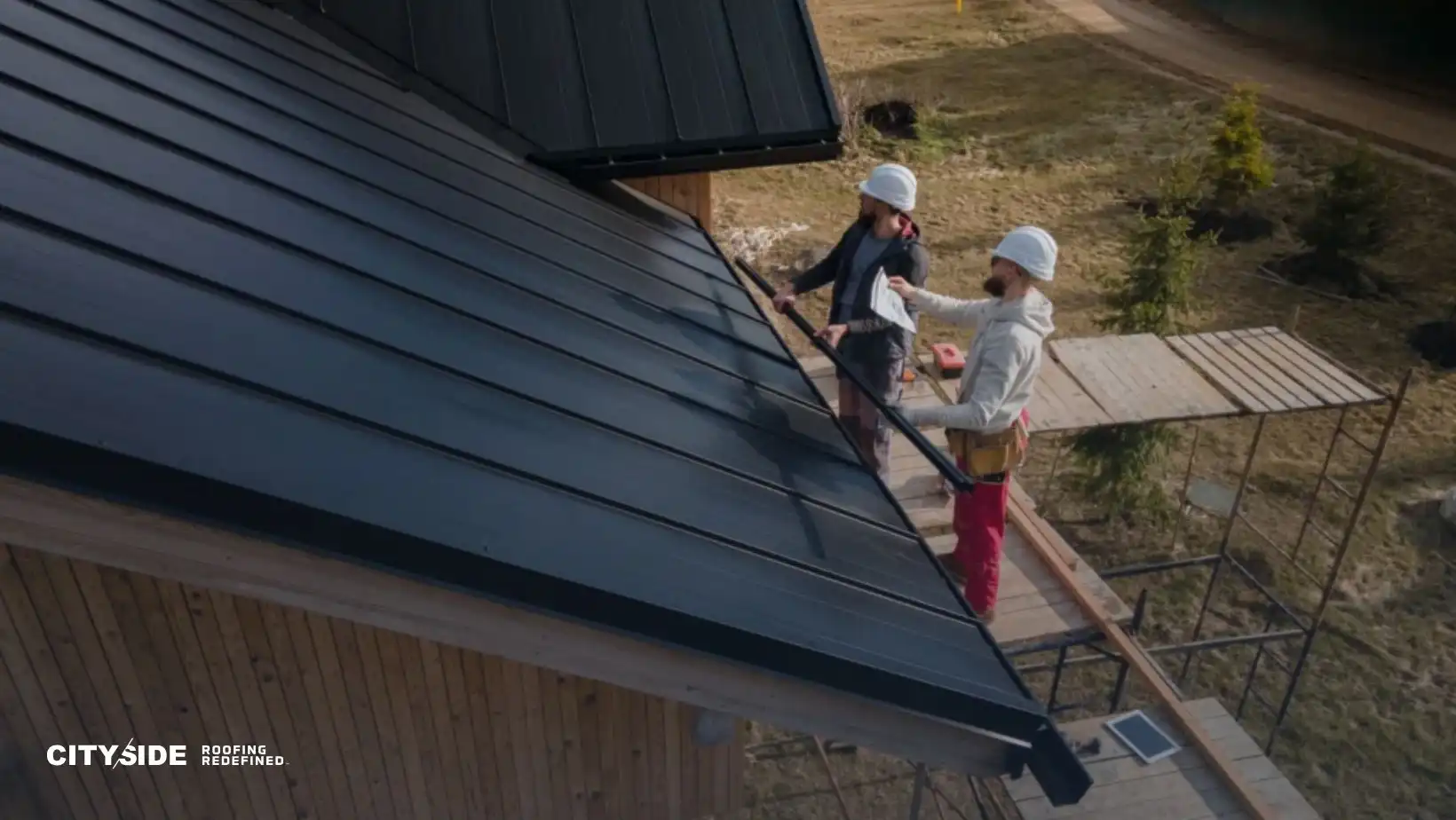
In new construction, roofing errors often remain hidden until months or years after completion. By that time, remediation is expensive and disruptive. Roof quality assurance reduces this risk by identifying nonconforming materials, improper fastening, and flashing deficiencies before they become warranty claims.
Builders operating at scale must prioritize repeatable processes. Quality control systems tied to measurable performance indicators provide consistency across multiple crews and developments. Without documented QA procedures, builders rely on assumptions rather than data.
Partnering with a Roofing company in Florida that integrates inspection, documentation, and reporting into its workflow strengthens builder confidence and reduces uncertainty during final inspections.
Core Roof Quality Assurance Metrics Builders Should Track
Tracking the right metrics transforms quality assurance from theory into operational control. Below are foundational metrics every builder should monitor.
1. Substrate Condition Verification Rate
Before roofing materials are installed, the roof deck must meet moisture, fastening, and flatness requirements. Tracking the percentage of roof decks inspected and verified prior to underlayment installation ensures that no roof progresses with hidden structural issues.
2. Fastener Compliance Rate
Improper fastening is one of the leading causes of premature roof failure. Builders should track whether fastener spacing, depth, and type match manufacturer specifications. Random audits during installation phases help verify compliance.
3. Flashing Installation Accuracy
Flashing errors around penetrations, valleys, and transitions are common failure points. Quality assurance should include documented verification that step flashing, counterflashing, and drip edge components are installed according to approved details.
4. Inspection Pass Rate on First Review
Tracking how many roofs pass internal QA inspection on the first review provides insight into crew training and workmanship consistency. Low pass rates indicate systemic issues requiring corrective action.
Roof Quality Assurance Phases and Critical Inspection Points
Roof quality assurance is most effective when inspections occur at defined phases rather than only at completion.
Construction Phase | QA Focus | Builder Benefit |
Deck Installation | Moisture content, fastening | Prevent hidden structural defects |
Underlayment | Overlap, fastening pattern | Maintain water resistance compliance |
Flashing | Correct layering and sealing | Reduce leak risk |
Final Installation | Shingle alignment, fastener exposure | Ensure aesthetic and performance standards |
By assigning measurable checkpoints to each phase, builders improve transparency and accountability.
Code Compliance Metrics to Monitor
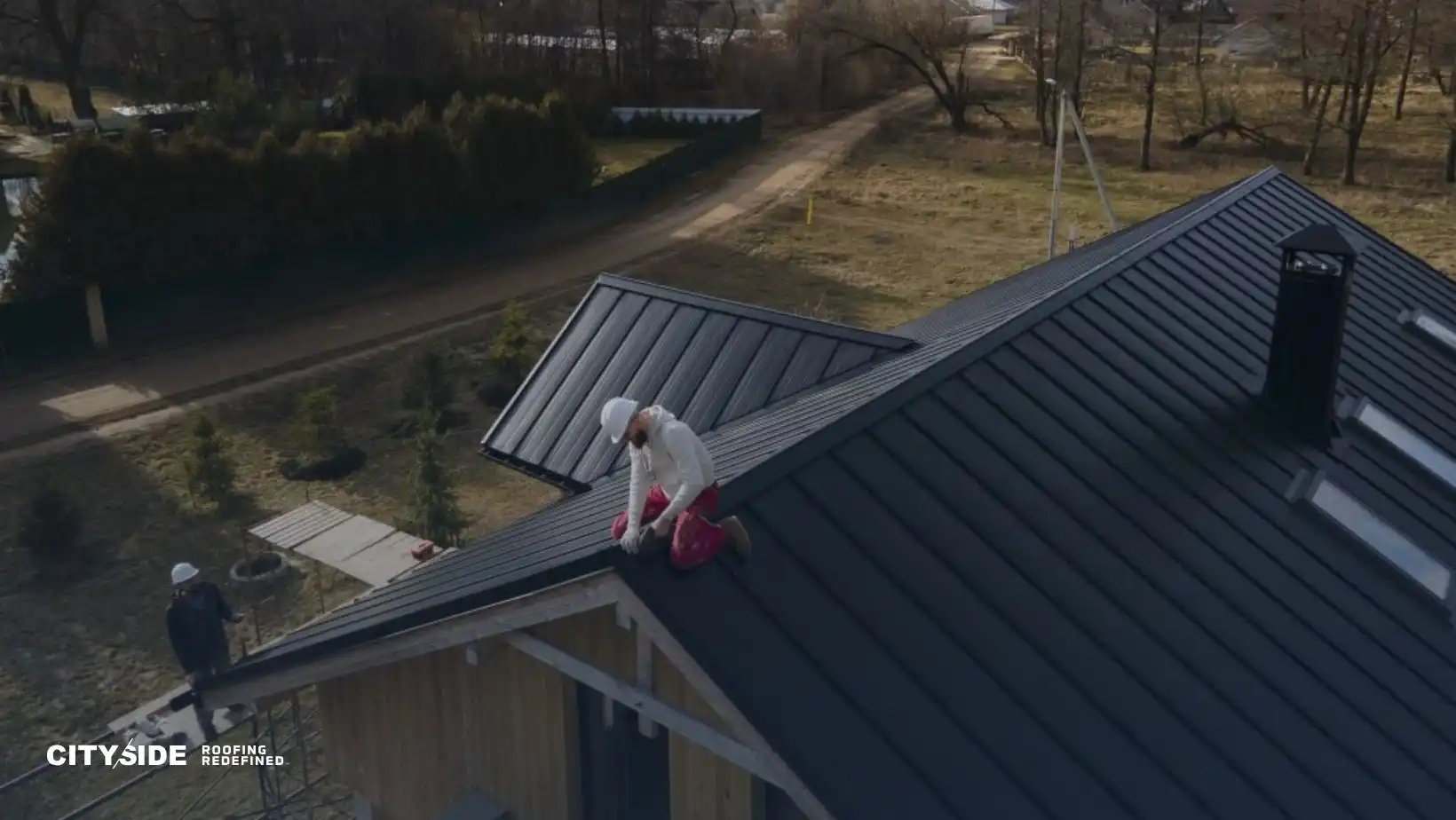
Code compliance is nonnegotiable in new construction. Builders must ensure roofing systems meet local and state requirements.
Underlayment Coverage Verification
Confirming correct overlap and fastening protects against water intrusion. This metric should be documented with photos and inspection logs.
Wind Resistance Compliance
In high-wind regions, fastening schedules and product ratings must align with local code. Builders should verify uplift ratings against project location requirements.
Ventilation Ratios
Roof ventilation must meet minimum intake and exhaust ratios. Improper ventilation can result in failed inspections and performance issues.
A Roofing contractor in Florida experienced in regional codes can streamline this compliance tracking.
Material Verification and Documentation Tracking
Material substitution without proper approval creates risk. Builders should track:
- Manufacturer certifications
- Lot numbers and delivery documentation
- Compliance with project specifications
Maintaining a digital record of material verification protects against disputes and simplifies warranty processing.
For insights on reflective system performance in new builds, see Advanced Reflective Metal Roof Coatings for Builder Efficiency and Code Compliance.
Installation Timeline and Production Efficiency Metrics
Roof quality assurance should not disrupt scheduling. Instead, it should enhance it.
Metric | Target Range | Operational Impact |
Average Roof Installation Time | 1 to 3 days per unit | Keeps trade sequencing on schedule |
QA Inspection Turnaround | Within 24 hours | Prevents work stacking |
Rework Percentage | Below 5 percent | Protects margins |
Tracking these metrics ensures quality processes support production efficiency rather than slow it.
Builders working with CitySide Roofing often integrate QA review into scheduling to avoid bottlenecks.
Warranty Risk Reduction Metrics
Warranty claims are expensive and reputation damaging. Builders should track:
- Callback frequency per 100 roofs installed
- Leak incidence within first year
- Flashing-related failure percentage
Lower warranty incident rates correlate directly with robust roof quality assurance programs.
For lifecycle-focused performance strategies, see Elastomeric Roof Coatings Builder Focused Lifecycle Technical Pros Cons Across Substrates
Training and Crew Performance Indicators
Roof quality assurance is only as strong as the crews implementing it.
Certification Tracking
Ensure installers maintain manufacturer or trade certifications when required.
Corrective Action Documentation
Track how quickly deficiencies are corrected after identification.
Repeat Deficiency Rate
Recurring issues indicate training gaps. Monitoring this metric helps builders refine onboarding and quality standards.
A Roofing trade partner in Florida for custom homes should offer structured training and oversight programs that align with builder expectations.
Data-Driven Quality Control Systems
Modern builders increasingly rely on digital QA platforms that include:
- Photo documentation
- Timestamped inspection logs
- Material tracking databases
- Automated reporting
These systems reduce human error and create a defensible compliance record. Builders managing luxury developments benefit from working with Roofers for luxury home roofing installation who prioritize documentation and traceability.
Comparing Traditional Inspection vs Structured QA Programs
Approach | Inspection Frequency | Documentation Level | Risk Exposure |
Traditional Final Inspection | End of project only | Minimal | High |
Structured QA Program | Multi-phase inspections | Full documentation | Reduced |
Structured QA programs reduce risk exposure and support consistent build quality.
Integrating QA into Builder Workflow
Roof quality assurance must align with production sequencing. Successful integration involves:
- Pre-scheduling inspection windows
- Aligning material deliveries with QA checkpoints
- Training superintendents on documentation standards
Builders who treat QA as an operational discipline rather than an afterthought achieve higher inspection pass rates and lower rework percentages.
Working with a Roofing company for custom home builders that embeds QA into its workflow simplifies this integration.
Key Takeaways for Builders
- Roof quality assurance protects production schedules and margins
- Track measurable metrics such as fastener compliance and inspection pass rates
- Conduct phase-based inspections instead of relying on final review only
- Monitor warranty callback frequency as a performance indicator
- Use documentation systems to support code compliance and risk mitigation
- Align QA processes with builder scheduling to maintain efficiency
If you are ready to strengthen your roof quality assurance processes and reduce warranty risk across your new construction projects, connect with a proven Roofing contractor in Florida. Contact us today to discuss how structured QA systems can protect your builds and your brand.