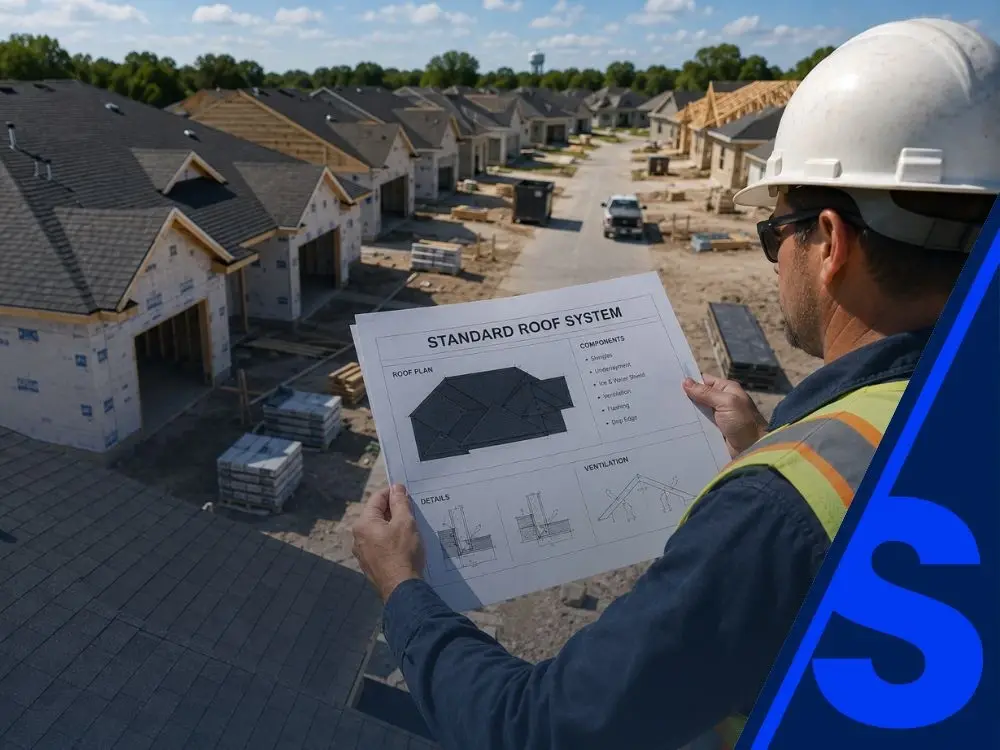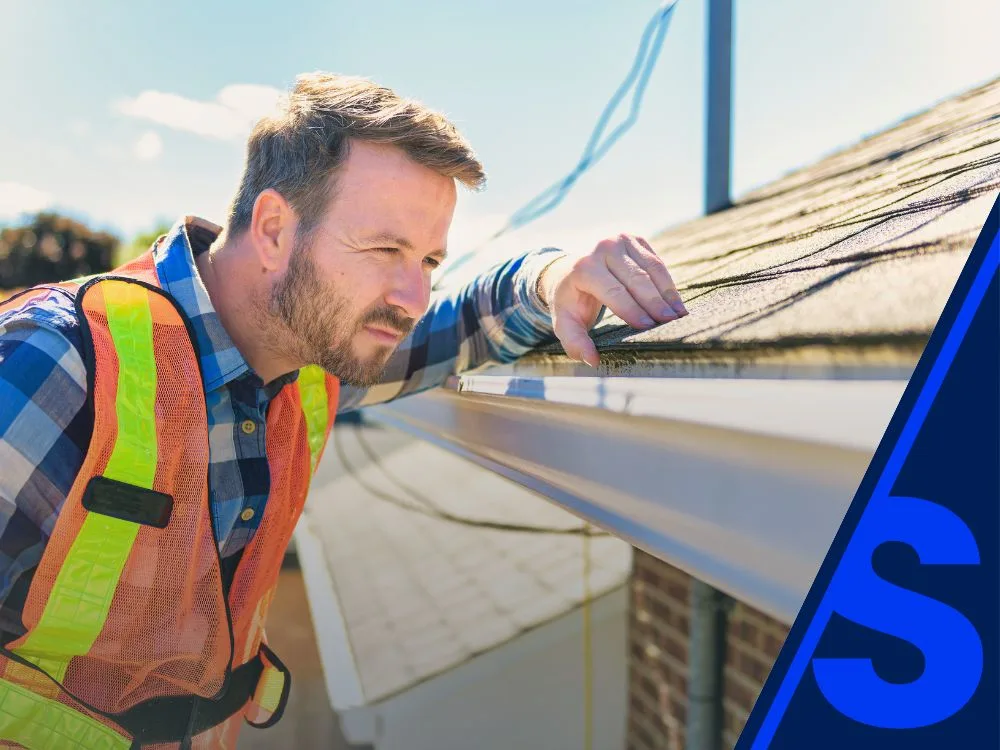
Roof quality assurance is a proactive process that ensures roofing systems meet durability, safety, and performance standards through continuous monitoring, inspection, and documentation. Roofing quality inspections during the drying phase verify materials, installation techniques, and adherence to design specifications before interior work begins. This reduces warranty exposure, prevents structural failures, protects schedules, and ensures compliance from project start to finish.
What is meant by traditional modern roofing?
Traditional modern roofing refers to roofing systems that combine time-tested materials such as asphalt shingles or metal panels with modern underlayments, fastening systems, and moisture barriers designed to meet current building codes and performance standards.
How are modern roofs made?
Modern roofs are built using layered systems that include structural decking, underlayment, flashing, ventilation components, and finished roofing materials. Each layer is installed according to engineering specifications to ensure durability and code compliance.
What roof type is best for a modern house?
The best roof type for a modern house depends on climate, design, and performance goals. In many regions, asphalt shingles and standing seam metal systems are widely used due to cost efficiency, durability, and compatibility with current building codes.
What is the most common roofing system used today?
The most common roofing system used today in residential construction is asphalt shingles, followed by metal roofing in certain markets. Both systems rely heavily on proper installation and inspection to achieve long-term performance.
For builders managing new construction, the drying phase represents a pivotal milestone. Once the roof is installed and the structure is dried in, interior trades begin mobilizing. Any defect at this stage can cascade into delays, costly rework, and long-term warranty exposure.
This is why roofing quality inspections during the drying phase are not optional quality checks. They are a strategic risk management tool. Conducting thorough inspections before insulation, drywall, and mechanical systems are installed ensures that the roofing system performs as designed and complies with code.
According to the National Institute of Building Sciences, effective quality assurance programs significantly reduce construction defects and long-term maintenance costs when inspections are embedded into project milestones rather than conducted at the end of the build process.
For builders focused on production efficiency and operational excellence, prioritizing roofing quality inspections during the drying phase is a critical component of project control.
What Are Roofing Quality Inspections During the Drying Phase?
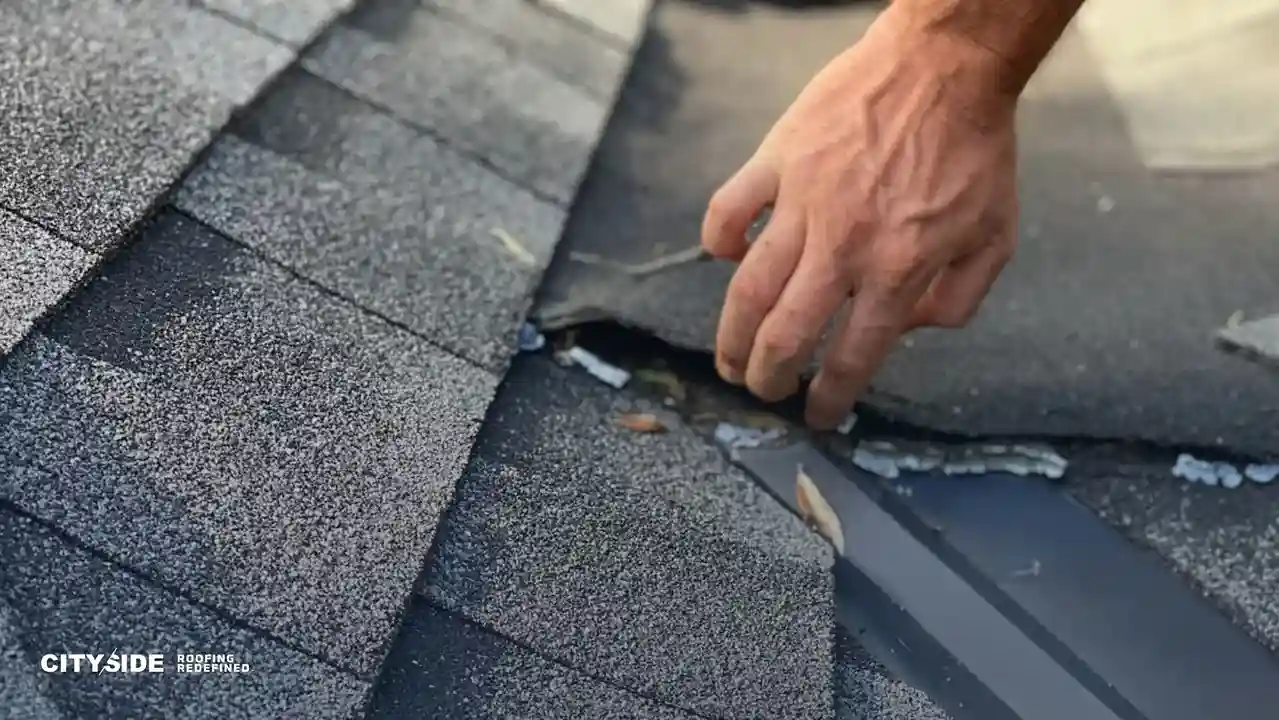
Roofing quality inspections conducted during the drying phase evaluate the installed roofing system before interior finishes conceal potential issues. This includes reviewing:
- Underlayment placement
- Flashing installation
- Fastener patterns
- Ventilation components
- Drainage details
At this stage, builders have maximum visibility and accessibility. Problems identified now can be corrected without tearing into completed interior finishes.
For builders working with a Roofing trade partner in Florida, integrating roofing quality inspections into the drying phase ensures defects are resolved before they impact framing inspections or interior schedules.
Why the Drying Phase Is a Critical QA Checkpoint
The drying phase marks the transition from structural shell to protected envelope. If roofing quality inspections are skipped or rushed, moisture intrusion risks increase dramatically.
Common drying phase risks include:
- Improper flashing at penetrations
- Incorrect underlayment overlaps
- Inadequate fastening
- Blocked drainage paths
These issues may not present immediate visible symptoms but can lead to leaks months after project completion.
Builders who rely on structured roofing quality inspections during this phase reduce downstream warranty claims and avoid schedule disruptions.
Roofing Quality Inspections and Production Scheduling
In production building, time is revenue. Delays during framing, mechanical, or drywall phases ripple across multiple lots.
Integrating roofing quality inspections into the drying phase helps maintain predictable timelines. Inspections can be scheduled immediately after roof installation and before interior trades begin.
Below is a sample inspection timeline integration model:
|
Project Stage |
Roofing QA Activity |
Risk Mitigated |
|
Roof Installation |
Fastener and underlayment verification |
Wind uplift failure |
|
Dry-In Completion |
Flashing and penetration inspection |
Water intrusion |
|
Pre-Insulation |
Ventilation and decking review |
Moisture accumulation |
|
Pre-Drywall |
Final envelope verification |
Hidden leak risk |
Builders partnering with a Roofing contractor in Florida who understands production sequencing can integrate these checkpoints seamlessly.
Code Compliance and Roofing Quality Inspections
Roofing systems must meet local building codes regarding wind uplift resistance, moisture control, and flashing standards.
Roofing quality inspections during the drying phase verify:
- Fastener spacing compliance
- Proper installation of secondary water barriers
- Flashing details at valleys and penetrations
- Correct ventilation ratios
Failing to confirm compliance at this stage can result in failed municipal inspections and rework costs.
Builders working with CitySide Roofing benefit from code-aligned QA documentation that supports inspection signoff and audit readiness.
Material Verification During the Drying Phase
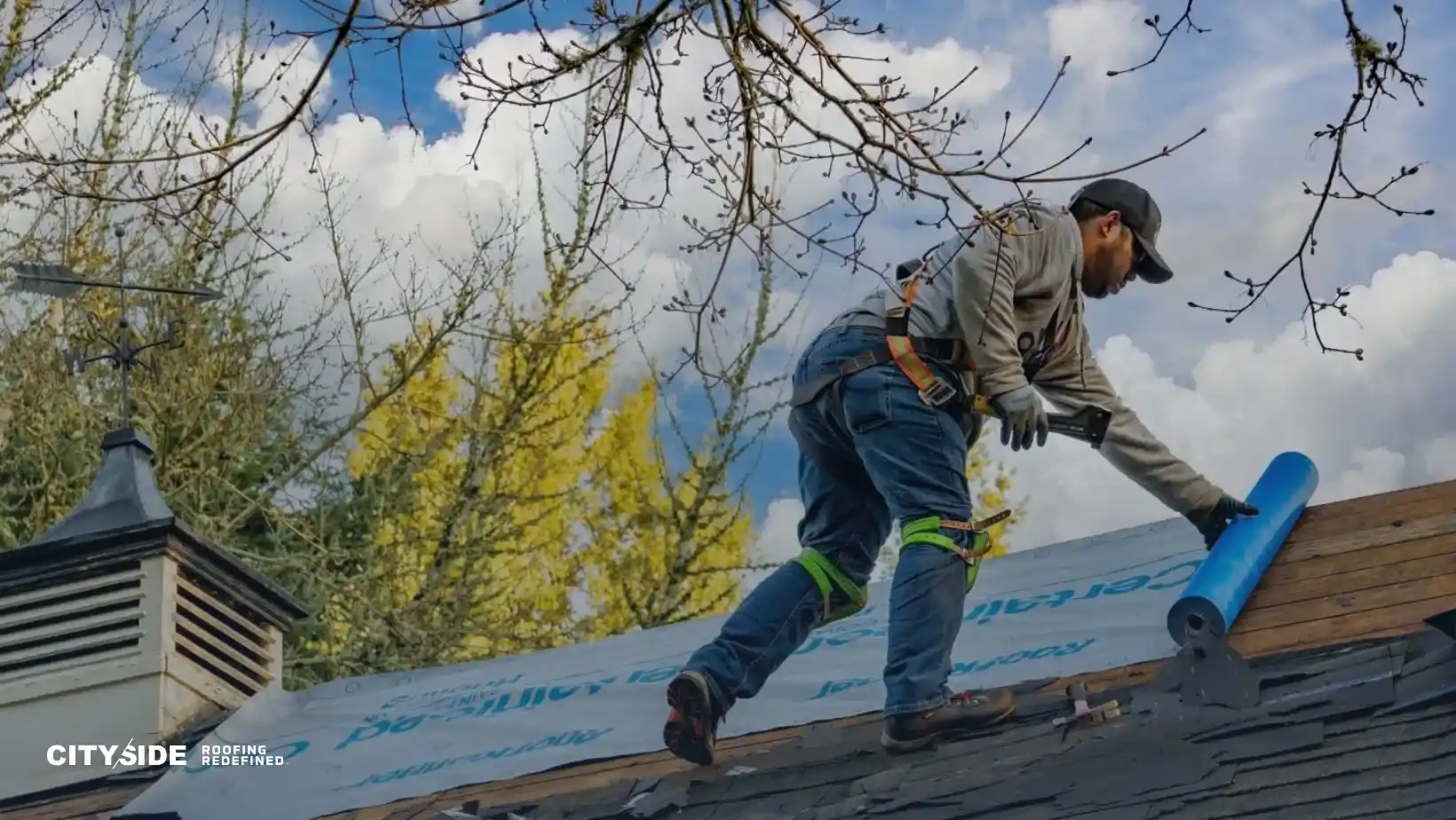
Roofing quality inspections are not limited to installation techniques. They also verify that specified materials are actually used.
Common verification points include:
- Correct underlayment type
- Manufacturer-approved flashing components
- Fasteners rated for wind zone requirements
- Ventilation products consistent with design specs
Material substitution without approval increases liability. A roofing company for custom home builders must confirm that installed products match submittals and contract documents.
Operational Efficiency Through Structured QA Systems
Roofing quality inspections during the drying phase enhance operational efficiency by standardizing processes.
A structured QA system includes:
- Digital photo documentation
- Checklist-based inspections
- Supervisor signoff protocols
- Deficiency tracking and correction logs
Below is a sample roofing QA checklist framework:
|
Inspection Category |
Verification Item |
Pass/Fail |
|
Underlayment |
Overlap and fastening |
|
|
Flashing |
Proper integration at penetrations |
|
|
Fasteners |
Spacing per code |
|
|
Ventilation |
Intake and exhaust balance |
|
|
Drainage |
Slope and scupper functionality |
Builders who partner with a Roofing trade partner in Florida for custom homes gain repeatable QA systems that protect brand reputation.
Warranty Risk Reduction and Long-Term Liability
Warranty claims often trace back to installation oversights during early construction phases.
Roofing quality inspections during the drying phase reduce warranty exposure by identifying:
- Incomplete sealing
- Improper fastener penetration
- Inadequate membrane integration
- Drainage deficiencies
Correcting these issues before interior finishes begin significantly lowers post-closeout claims.
Builders working with Roofers for luxury home roofing installation understand that high-value homes demand zero tolerance for preventable defects.
Integrating Roofing QA With Modern Roofing Systems
Modern roofing systems incorporate advanced materials such as reflective coatings and elastomeric membranes. Each requires careful inspection during installation.
Builders evaluating performance enhancements can review related technical discussions in:
- Advanced Reflective Metal Roof Coatings for Builder Efficiency and Code Compliance
- Elastomeric Roof Coatings: Builder-Focused Lifecycle, Technical Pros & Cons Across Substrates
Roofing quality inspections confirm these systems are applied according to manufacturer requirements and integrated correctly with base roofing components.
Roofing Quality Inspections in High Wind and Heavy Rain Regions
In Florida and similar climates, wind uplift and heavy rainfall increase roofing system stress.
Roofing quality inspections during the drying phase should include:
- Wind zone fastener verification
- Secondary water barrier confirmation
- Scupper and drainage inspection
- Flashing reinforcement checks
Builders operating in coastal zones especially benefit from partnering with a Roofing company in Florida that understands regional code nuances.
Cost Impact of Skipping Drying Phase Inspections
Skipping roofing quality inspections during the drying phase may seem like a time saver, but the long-term costs often outweigh short-term gains.
Estimated cost comparison:
|
Scenario |
Average Correction Cost |
|
Flashing correction during drying phase |
Low labor, no interior damage |
|
Leak repair after drywall |
High labor, drywall replacement |
|
Post-occupancy water damage |
Structural repair, warranty claim |
The earlier a defect is identified, the lower the correction cost.
Building a Culture of Roofing Quality Assurance
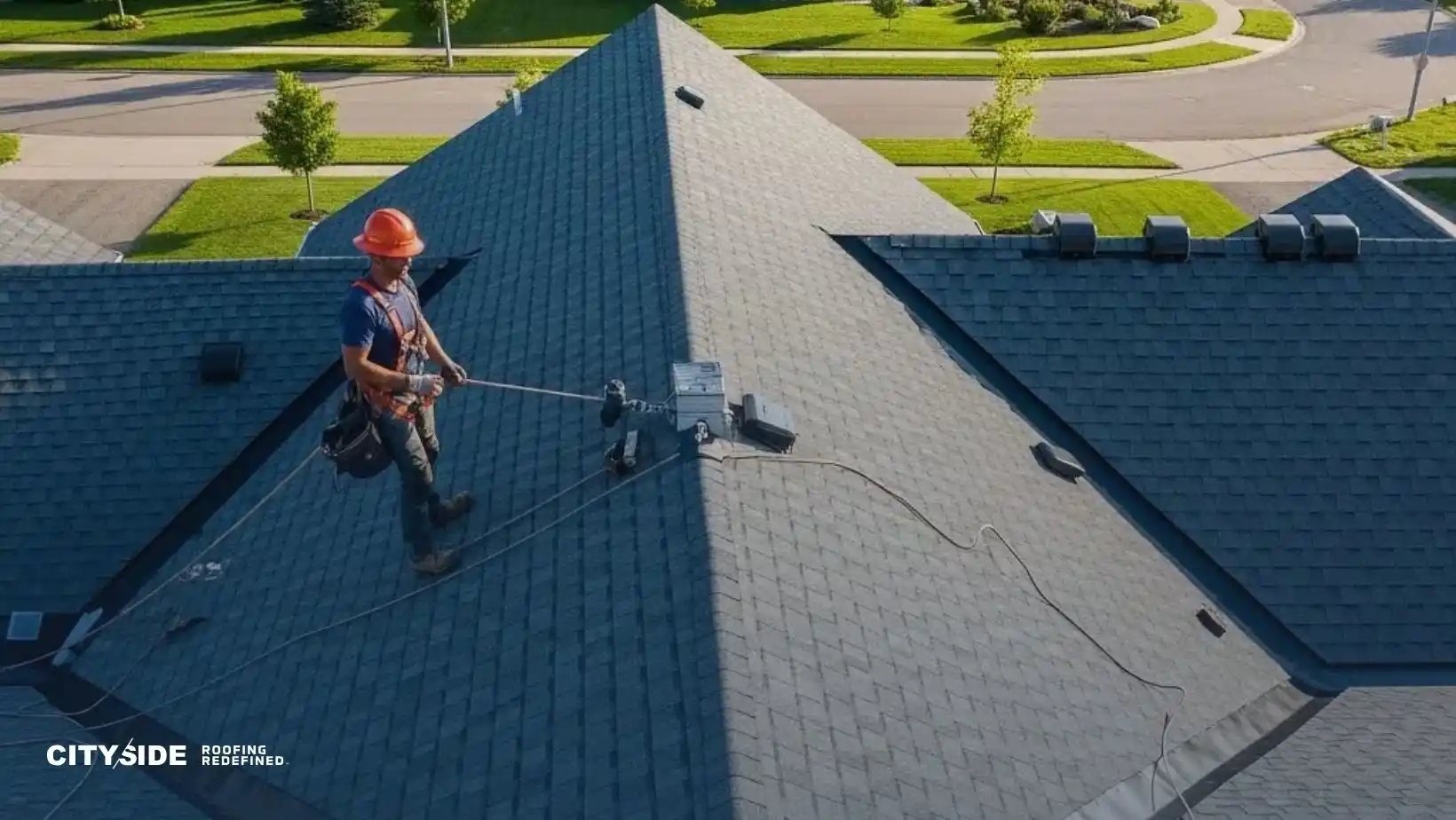
Roofing quality inspections are most effective when embedded into company culture.
Builders can implement:
- Mandatory inspection checkpoints
- Third-party QA audits
- Trade partner accountability metrics
- Digital documentation archives
This systematic approach transforms inspections from reactive measures into proactive risk management tools.
Builders seeking long-term reliability should align with a Roofing trade partner in Florida committed to structured QA processes.
Roofing quality inspections during the drying phase are a strategic safeguard for builders focused on compliance, scheduling efficiency, and warranty reduction. This inspection window provides optimal access and visibility, allowing defects to be corrected before they impact interior work or occupancy.
Builders who integrate roofing QA into drying phase milestones reduce risk, protect margins, and deliver higher-performing roof systems.
Key Builder Takeaways
- Roofing quality inspections during the drying phase prevent concealed defects
- Early verification reduces warranty claims and costly rework
- Code compliance must be confirmed before interior work begins
- Material and installation checks protect long-term performance
- Structured QA systems improve operational efficiency
- Partnering with experienced roofing professionals enhances reliability
For builder-focused roofing quality inspections and drying phase QA integration, connect with CitySide Roofing today!