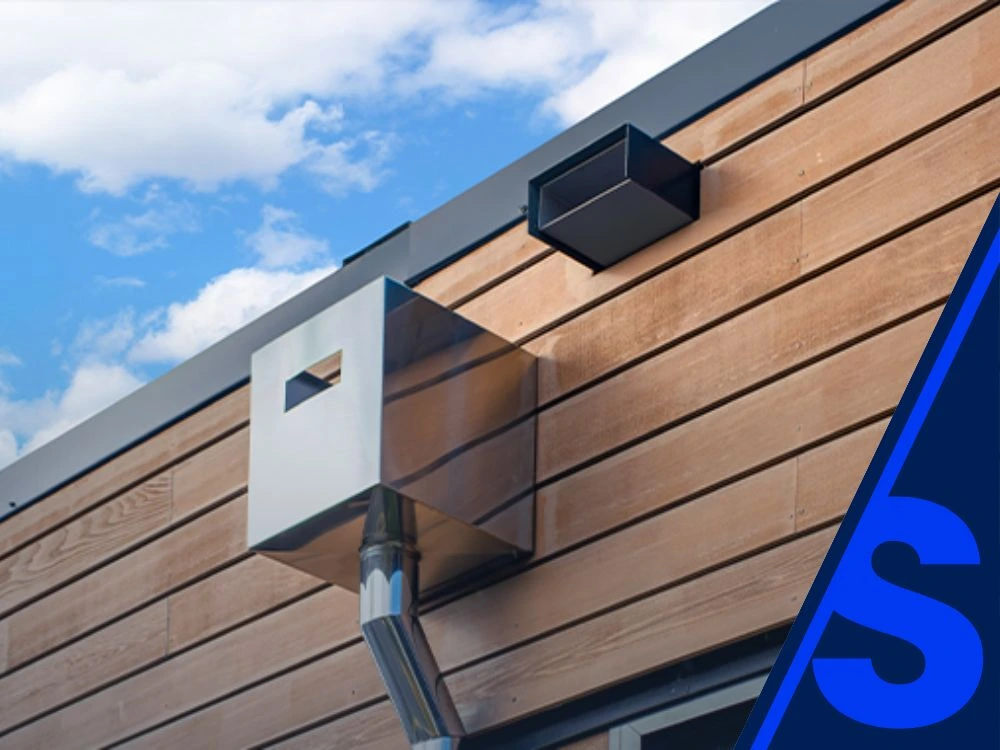
Building codes require overflow scuppers to prevent catastrophic structural failure caused by water accumulation on flat roofs. They serve as a critical secondary drainage system to handle water when the primary internal drainage system fails due to clogging or extreme weather events.
What is the purpose of an overflow scupper?
An overflow scupper provides a secondary outlet for water on a flat roof when the primary drainage system cannot keep up. Its purpose is to allow excess rainwater to exit the roof at or near the roof edge to prevent ponding water that can lead to structural damage.
What is the purpose of an overflow roof drain?
An overflow roof drain provides an alternate path for water to leave a roof when internal drains or gutters are overwhelmed or blocked. It protects the structure by ensuring water does not accumulate to dangerous levels.
What design considerations are used to calculate the number of overflow scuppers required?
Design considerations include roof area, local rainfall intensity, slope of the roof surface, capacity of primary drains, and code requirements. Engineers calculate the expected peak flow and size and space overflow scuppers to handle that flow reliably.
Is an overflow drain required?
In most building codes, an overflow drain or equivalent secondary drain like overflow scuppers is required for roofs with internal drains. This is to ensure safety in case the primary system fails due to clogging or exceptional weather.
Managing water on flat and low-slope roofs is a core responsibility for builders and roof system designers. Overflow scuppers are often viewed as minor components, but they play a major role in building performance and compliance. Water accumulation on a roof can lead to leaks, membrane failure, structural stress, and in extreme cases, catastrophic collapse if not properly drained. This article explains why overflow scuppers are required by building codes, how to size and place them, and best practices for installation.
“Roof drainage systems are required to remove water accumulation from roofs and the design must provide for emergency overflow in case of blockage of roof drains”
Source: International Code Council on roof drainage requirements.
What Are Overflow Scuppers?
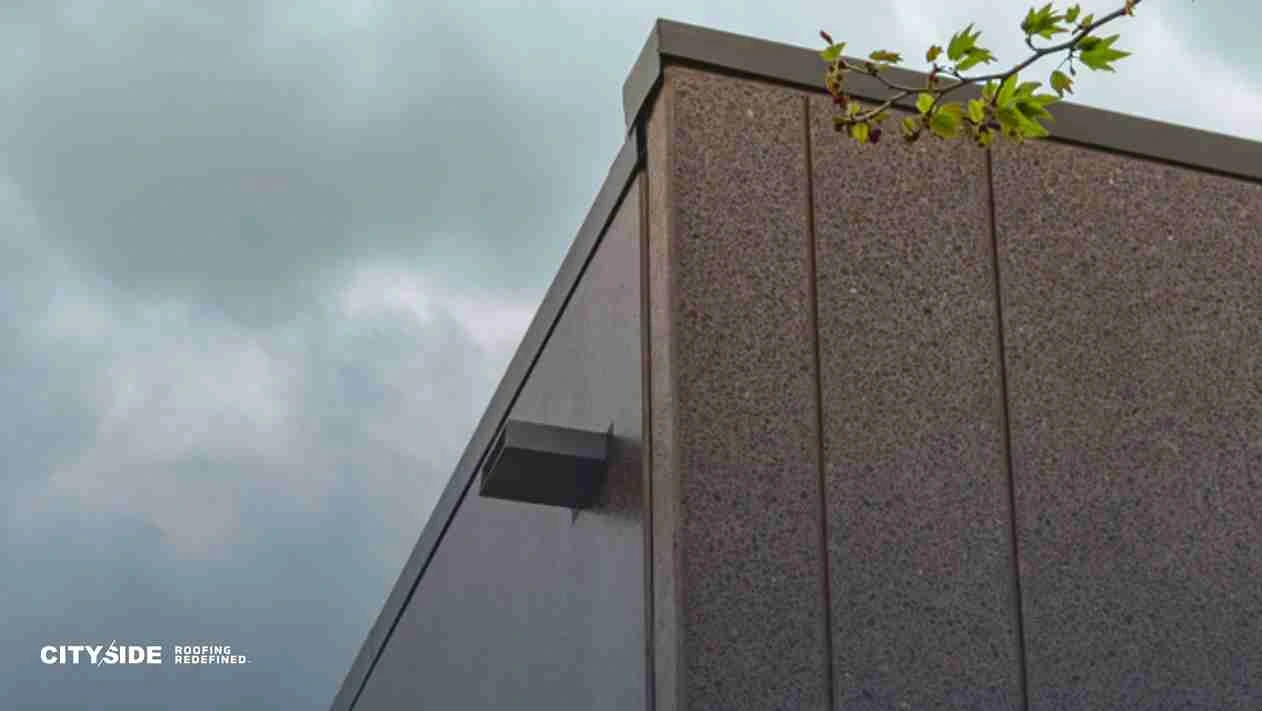
Overflow scuppers are openings in parapet walls or roof edges that provide an emergency path for rainwater to exit the roof when internal drains cannot handle the volume. They are permanently open and sized to allow rapid water movement. Unlike typical scuppers that might serve everyday drainage, overflow scuppers only need to activate when the primary system fails or is overwhelmed.
They may be simple rectangular cutouts in the roof edge, or they can include metal castings or grates to protect against debris. They are typically connected to downspouts or leader lines that direct water safely away from the building structure to prevent erosion or water damage to lower elements.
Why Building Codes Require Overflow Scuppers
Building codes focus on life safety and structural integrity. One of the basic assumptions in design is that water must not accumulate on a roof beyond a certain depth. Standing water, also known as ponding water, adds significant weight and can cause deflection or even structural failure in flat roof assemblies.
Overflow scuppers provide redundancy in drainage. When an internal drain becomes blocked with debris or when rainfall intensity exceeds design assumptions, these scuppers allow water to leave the roof quickly and safely.
Most modern codes, including the International Building Code (IBC) and many local amendments, require overflow provisions whenever an internal drainage system is used. This requirement ensures that secondary measures are in place to protect buildings and occupants.
How Overflow Scuppers Work in Roof Drainage Systems
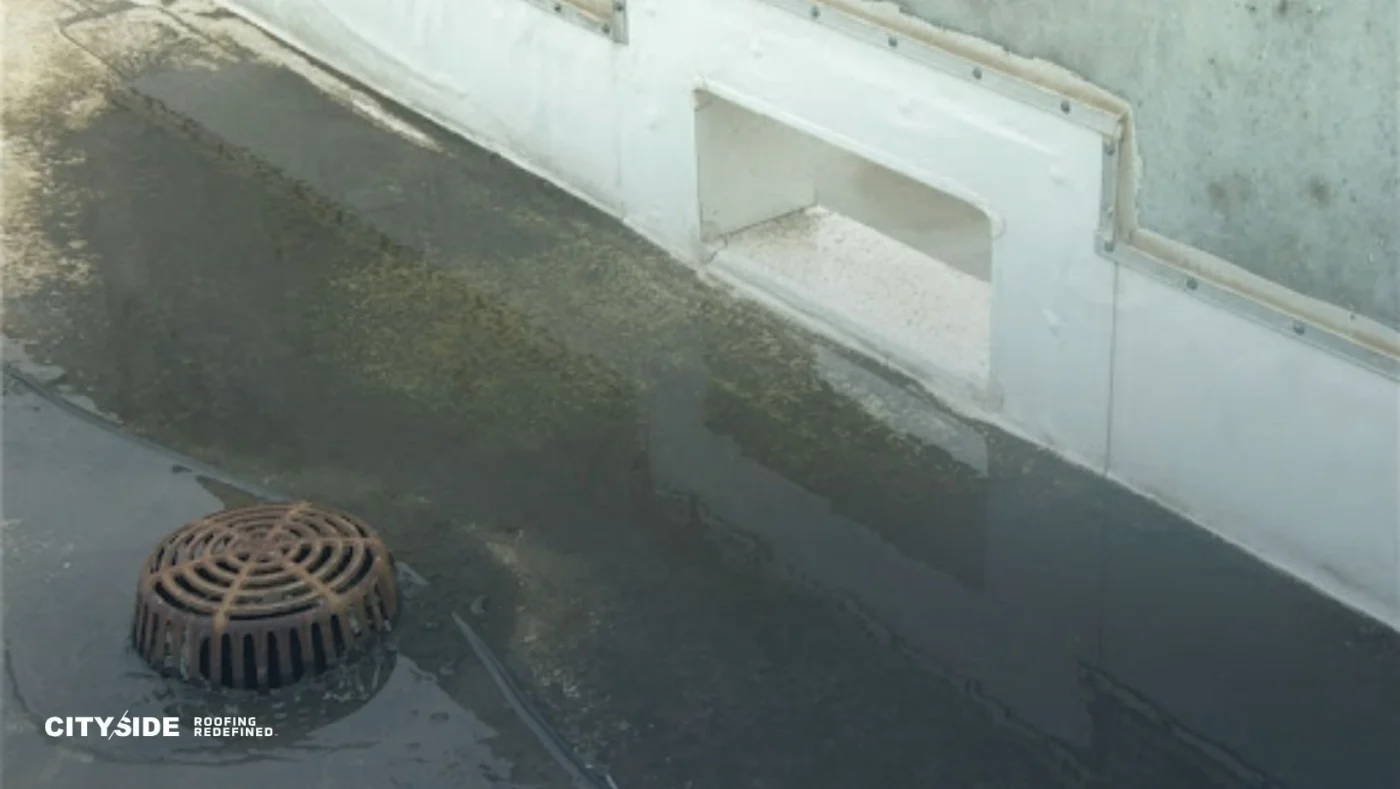
In a typical roof drainage design, rainwater flows toward internal drains or external gutters and downspouts. The primary drains are sized based on anticipated rainfall intensity and roof area. However, if a drain clogs or if the storm exceeds design parameters, water could rise on the roof surface.
Overflow scuppers act as relief valves. As water reaches a critical height, it flows out through the scupper opening. Designers often place the scuppers at an elevation slightly higher than the primary drain inlet so that under normal conditions most water leaves through the internal system. Once that system cannot keep up, the water level rises to the level of the overflow scupper.
Proper placement and sizing are essential to ensure that water leaves the roof at a rate that prevents dangerous buildup while avoiding damage to building exteriors and nearby surfaces.
Code Requirements and Compliance
Building codes, and specifically the sections related to roof drainage, address both primary and secondary systems. These codes are designed to reduce the likelihood of water-related damage and to protect people and property.
Key code concepts include:
- Minimum drainage capacity: The code specifies how much water the primary drainage system must handle based on rainfall rates.
- Emergency overflow: If roof drains are used, a secondary means such as overflow scuppers must be provided.
- Placement relative to building components: Overflow scuppers must be positioned so that water discharged does not damage walls, doors, or lower roofs.
- Sizing criteria: Codes and standards provide formulas or references for determining the number and size of overflow scuppers needed for a given roof area.
Builders must consult applicable codes in their jurisdiction, as local requirements may vary. However, the underlying principle remains consistent: roofs must be protected against water accumulation beyond safe limits.
Design Considerations for Sizing Overflow Scuppers
Sizing overflow scuppers requires a clear understanding of roof area and expected drainage needs. Designers typically start with the roof’s square footage and the expected rainfall intensity (measured in inches per hour). Using these inputs, engineers calculate the flow rate that the roofing system must handle.
A few common considerations include:
- Roof slope: Even on flat roofs, a slight slope can help direct water toward drains and scuppers.
- Rainfall intensity: In regions with frequent heavy storms, higher capacity is necessary.
- Primary drainage capacity: The size and number of internal drains influence how much water might need to be handled by overflow scuppers.
Engineers use hydrologic calculations to determine the needed opening size and number of scuppers. These calculations ensure that the overflow system is not undersized, which could lead to ponding, or oversized, which could lead to unnecessary water discharge in light rain events.
Placement Best Practices for Overflow Scuppers
Proper placement of overflow scuppers is as important as their size. Best practices include:
- High points of roof perimeter: Scuppers should be placed where water is likely to reach first if internal systems fail.
- Even distribution: Placing scuppers along multiple sides of a large roof prevents water from concentrating in one location.
- Avoiding discharge hazards: Water should be directed safely away from entrances, walkways, and sensitive building elements to prevent unsafe conditions.
In some designs, scuppers are connected to vertical leaders that carry water to a lower drainage system or ground-level dispersal area. In all cases, water exiting the scupper should be managed so that it does not create erosion or impact adjacent structures.
Materials and Construction Methods
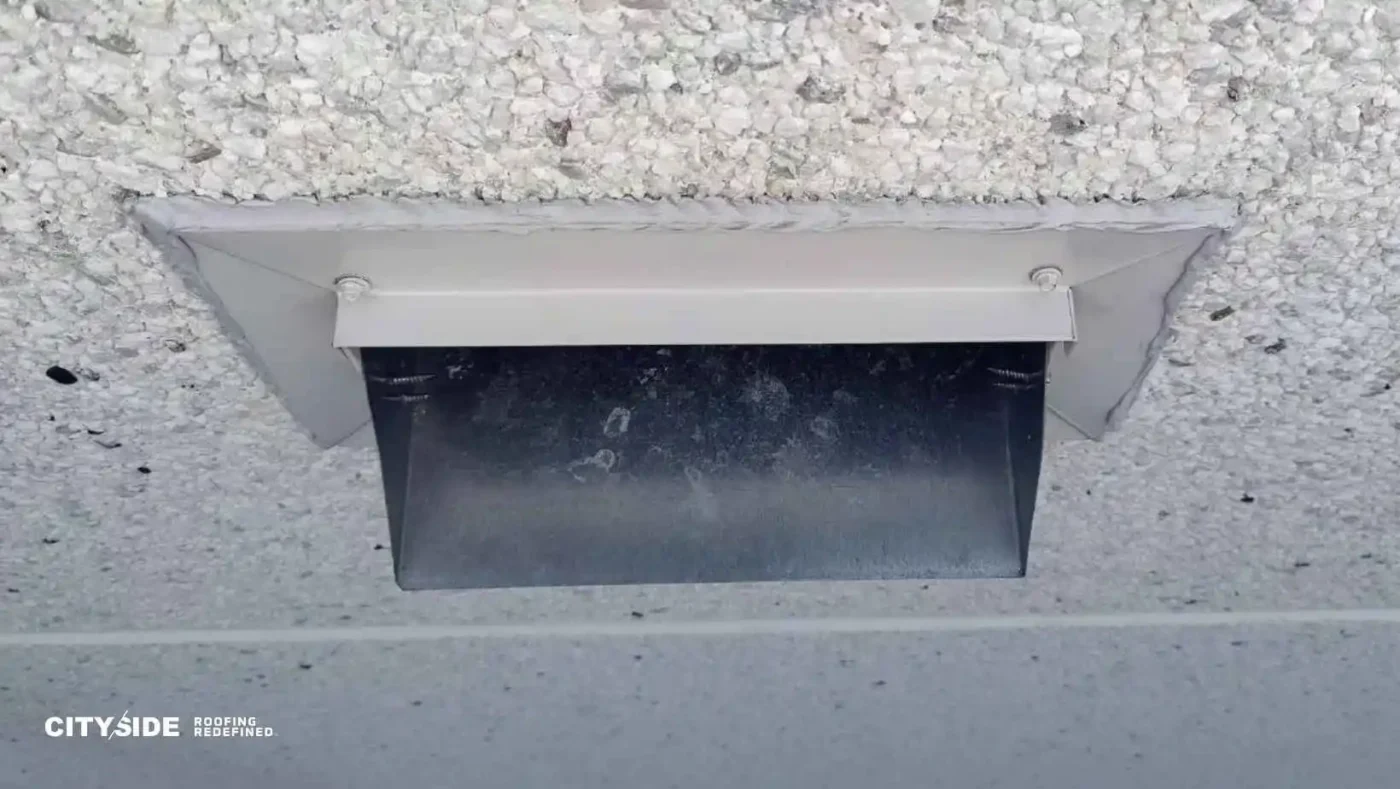
Scuppers must be durable and capable of withstanding both weather and the building movement that occurs over time. Common materials include:
- Galvanized steel: Strong and corrosion-resistant for many climates.
- Aluminum: Lightweight and corrosion-resistant, particularly where moisture is frequent.
- Copper or stainless steel: Offers long-term durability in corrosive environments.
The construction method must ensure watertight integration with the roof membrane. Poorly installed scuppers can become leak points, defeating their purpose. Flashing and sealants used around the scupper opening should meet manufacturer and code requirements to maintain a continuous barrier.
Coordination with Roof Membrane and Insulation
For new construction, overflow scuppers must be considered early in roof assembly design. Coordination with the roofing membrane and insulation layers prevents gaps that could allow water intrusion or thermal bridging.
Areas to pay attention to include:
- Membrane continuity: The membrane must wrap into the scupper opening without interruption.
- Insulation interface: Insulation should not block drainage paths or create vulnerable cavities.
- Thermal performance: Scupper placements and openings must not compromise overall roof insulation performance.
Builders should engage roofing professionals during design and installation phases to ensure all components work together as intended.
Avoiding Common Mistakes
Even experienced builders can make errors that compromise overflow scupper performance. Common mistakes include:
- Undersized scuppers: Causing water to exceed the opening capacity.
- Improper placement: Leading to water accumulation or discharge hazards.
- Poor integration with roof membrane: Creating leak pathways.
- Ignoring local code differences: Resulting in inspection failures.
Attention to detail in both design and construction prevents these issues and helps deliver a roof that performs well through heavy rain events.
Testing and Quality Assurance
Testing and quality assurance help ensure that overflow scuppers will function when needed. Builders should:
- Inspect scupper installation before final membrane installation.
- Verify that drainage paths are clear during final inspection.
- Conduct water tests in staging areas where feasible to observe water movement.
Documenting these steps as part of project QA supports compliance and helps minimize liability in case of future issues.
Case Example: Florida Stormwater Management
Florida’s intense rainstorms make overflow scuppers particularly important. Primary drainage systems can be overwhelmed during hurricanes or tropical storms, and scuppers act as a safeguard to prevent water from accumulating on structural decks.
Designs in Florida often include multiple scuppers along long parapet walls to handle quick runoff. Builders must ensure these systems are sized and placed correctly, and they must coordinate with other stormwater management elements like gutters or interior drains.
Maintenance and Long-Term Performance
Though primarily a construction concern, proper documentation and handoff help facility managers maintain scuppers over the life of the roof. Ensuring that scuppers remain free of debris and that water flows unimpeded helps prevent issues later in the building lifecycle.
Builders should provide clear notes on scupper locations and expected performance to owners or property managers.
Key Takeaways for Builders
- Building codes require overflow scuppers to provide secondary drainage when primary systems fail.
- Proper sizing and placement prevent water accumulation and potential structural damage.
- Integration with the roof membrane and attention to materials are critical to long-term performance.
- Coordination with primary drainage design and code compliance ensures a pass at inspection.
- Quality assurance and documentation help protect both the builder and the building over time.
For assistance on specifying or installing code-compliant roof drainage systems and overflow scuppers, contact CitySide Roofing today.
Related Reading: