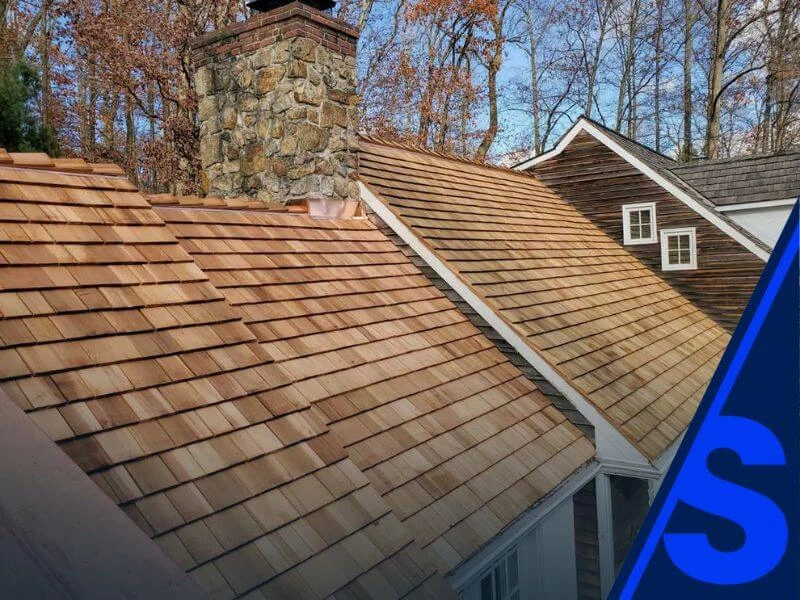
Wood shakes are hand split, thicker, and more textured, while wood shingles are machine sawn, thinner, and more uniform. Shakes offer better insulation and a rugged, high-end aesthetic but cost more and require more labor. Shingles provide a smoother, classic look that is easier to install. Use shakes when you want a dramatic, rustic architectural finish and use shingles when you need uniformity and cleaner lines. In Florida, both materials are niche choices due to humidity, fire ratings, and hurricane performance concerns.
What is the difference between wood shake and wood shingles?
Wood shakes are hand split, giving them an uneven, heavily textured surface. Wood shingles are machine cut, giving them consistent thickness and a smoother appearance. Shakes create more shadow and depth, while shingles create more uniform lines.
What are the disadvantages of a wood shake roof?
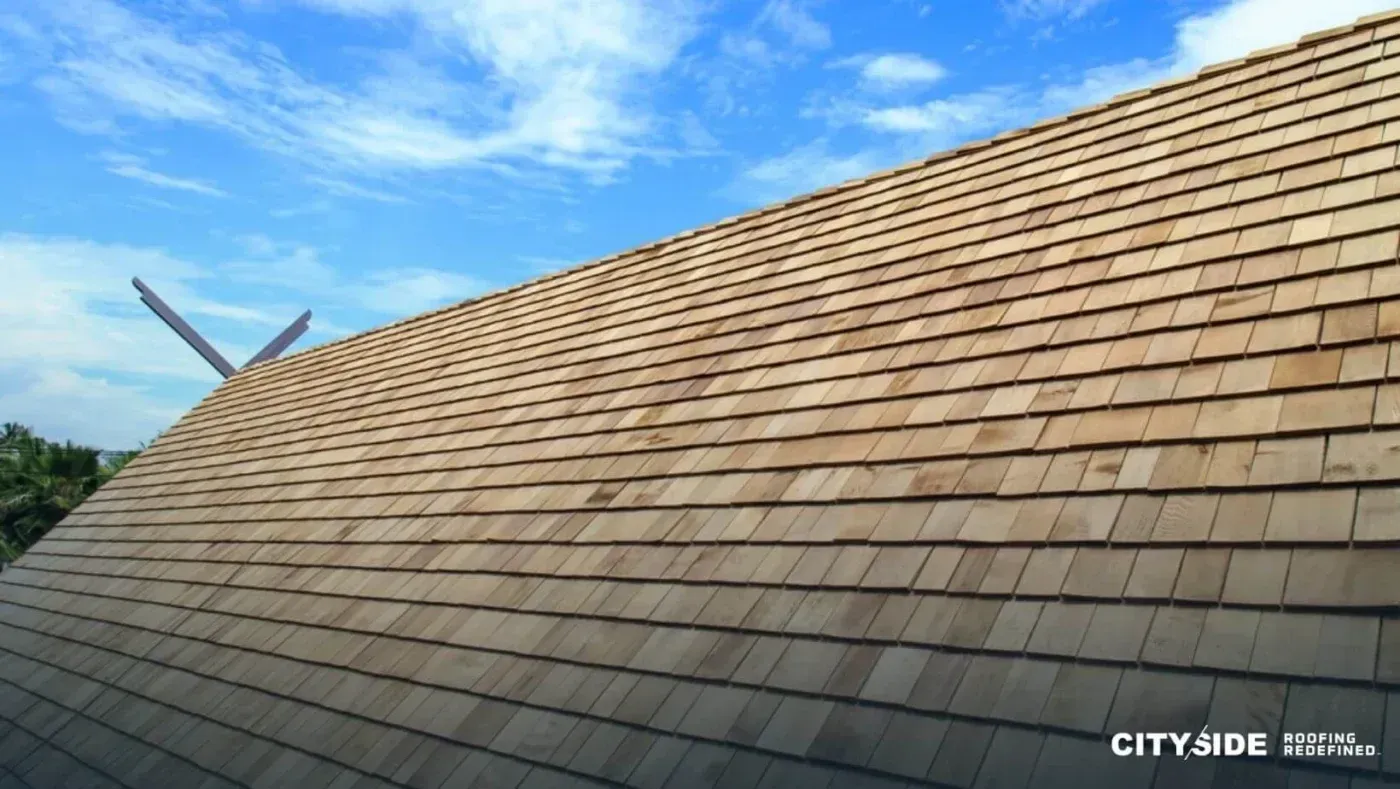
Wood shake roofing is prone to moisture absorption, decay, mold, and insect activity in humid climates. It also performs poorly in high wind regions unless installed with enhanced fastening. Maintenance costs are significantly higher than modern alternatives.
Which is the most desirable cut for wood shakes and shingles?
Builders typically prefer edge grain cuts because they are more stable, less likely to cup, and offer the longest service life. Flat grain cuts tend to warp, and slash grain tends to split.
What are the benefits of a wood shake roof?
Wood shakes provide excellent natural insulation, a high-end rustic appearance, and a thicker profile that can outlast shingles when maintained properly. They also complement specific architectural styles such as mountain lodge, craftsman, and high-end cabins.
For builders, architects, and project managers evaluating specialty roofing options, the comparison of wood shake vs wood shingle roofing is often rooted in aesthetics, structural performance, and long-term value. Similarly, when comparing architectural vs. 3-tab shingles, the focus is often on durability, cost, and climate suitability. While these materials remain iconic in certain regions of the United States, they are far less practical for Florida’s hot, humid, and hurricane-prone climate. Understanding the technical and aesthetic differences is still valuable, especially for custom homes, historic replications, or luxury builds where the design intent calls for natural wood finishes.
According to the USDA Forest Products Laboratory, natural wood roofing requires precise installation and climate-appropriate detailing to maintain performance, a reminder that material choice is as critical as workmanship. With this context in mind, builders working in Florida can use wood roofing knowledge to guide owners toward suitable alternatives when needed.
What Are Wood Shingles and How Are They Manufactured?
Wood shingles are machine sawn on both sides, resulting in smooth faces and uniform thickness. This manufacturing method produces clean, consistent courses when installed, which is ideal for architectural designs that prioritize symmetry and refinement.
Shingles typically come in standard lengths and thicknesses, which makes estimating and installation more predictable. The smooth finish also allows water to shed quickly. In most climates this is a benefit, but in Florida the combination of constant humidity and driving rain means that even a well installed shingle roof struggles to stay dry, accelerating decay.
For builders handling historic projects or specialty architectural styles, shingles remain a viable option, but they require exceptional detailing including ventilation, spacing, and regular maintenance schedules.
What Makes Wood Shakes Different From Wood Shingles?
Wood shakes differ from wood shingles primarily in how they are produced. Shakes are hand split from blocks of cedar or other approved species, leaving a rougher texture with natural grain variation. This results in the iconic shadow lines and rustic character often associated with lodge-style or artisanal residential architecture.
Because shakes are thicker than shingles, they offer deeper exposure and better thermal insulation. This thickness, however, creates gaps and irregularities that require layered felt or interlayment between courses to prevent moisture intrusion.
Florida builders rarely use shakes except for high-end custom homes where aesthetics outweigh maintenance concerns. Even then, shakes must be carefully detailed because their irregular surfaces trap moisture more readily in humid environments.
How Do Wood Shakes and Wood Shingles Perform in Humid Climates?

Wood roofing absorbs moisture, and humidity slows evaporation. In states with wet, tropical conditions like Florida, this creates a perfect environment for rot, mold, mildew, and termite activity. Even pressure treated or premium cedar products will struggle to maintain durability.
Wood shingle roofs in humid climates require frequent inspections, treatment applications, and cleaning. Wood shake roofs require even more because their deep texture retains more water. As a result, most Florida municipal building codes and local inspectors rarely approve wood roofing without enhanced fire and wind mitigation measures.
Compared to tile or metal roofing, which shed water quickly and resist decay, wood roofing introduces preventable failure points.
What Are the Fire and Wind Code Concerns in Florida?
One of the biggest challenges for wood roofing in Florida is compliance with state and local codes. Florida’s stringent fire and wind requirements make wood roofing a difficult choice.
Many jurisdictions restrict or prohibit wood roofing unless it meets fire resistant classifications. While fire treated wood shingles and shakes exist, exposure to moisture can reduce their effectiveness over time.
Wind uplift is another concern. Hand split shakes create uneven surfaces that catch wind more easily, and fastener schedules must be strictly followed. Even with enhanced fastening, asphalt or metal systems outperform wood roofing by a significant margin in hurricane zones.
For this reason, builders rarely spec wood roofing for new construction unless the client insists and the jurisdiction approves.
What Architectural Styles Typically Use Wood Shakes?
Wood shakes lend themselves to specific aesthetic goals. Their rugged texture and thicker profile work best with:
- Craftsman homes
- Rustic cabin or lodge-inspired designs
- Mountain and northwest regional styles
- High-end custom homes where authenticity matters
Builders working in Florida occasionally encounter out of state architects who specify shakes without realizing the climate implications. In these cases, a conversation about performance, code compliance, and long-term maintenance is essential.
In contrast, Florida building styles often utilize clay tile, concrete tile, stone coated steel, standing seam metal, or architectural asphalt shingles.
Are Wood Shingles More Practical Than Shakes in Modern Construction?
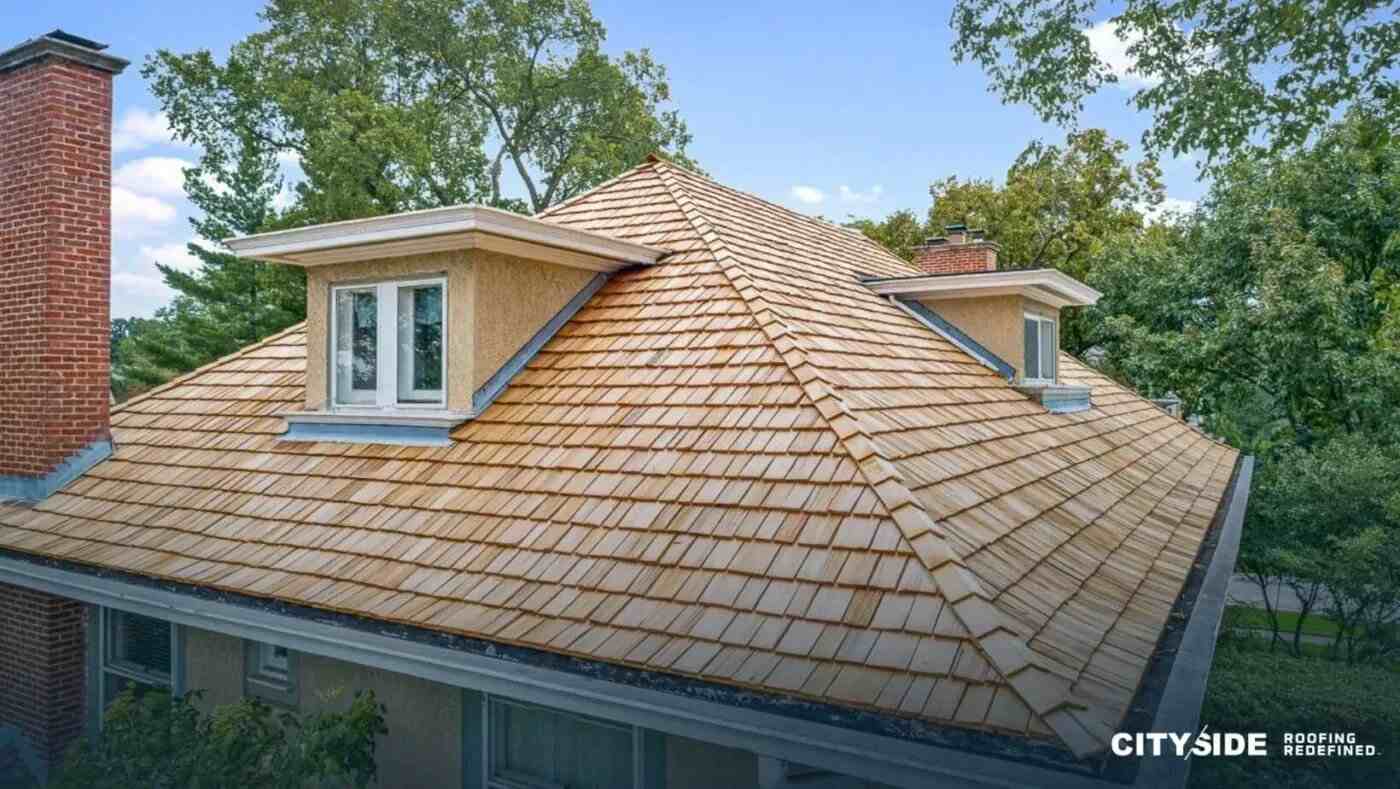
When comparing wood shake vs wood shingle roofing for practical construction purposes, shingles have advantages. Their uniform thickness makes installation faster and easier. Their smooth surface sheds water more efficiently. Their predictable sizes simplify estimating and planning.
Even so, wood shingles still face the same core issues in Florida: high maintenance, mold susceptibility, short lifespan, and limited wind resistance. For builders focused on production efficiency, wood shingles rarely fit into modern workflows.
In other regions, shingles remain a classic choice for colonial or traditional architecture, but Florida’s climate makes them niche at best.
How Do Costs Compare Between Shakes and Shingles?
Wood shakes generally cost more than wood shingles due to labor intensive production, increased material thickness, and more complex installation. Builders also factor in interlayment materials, premium fasteners, and specialized craftsmanship.
Wood shingles are more affordable up front, but both systems require ongoing maintenance that increases lifetime cost substantially. In most Florida markets, a wood roofing system can cost far more per year than metal or tile once maintenance is included.
Because of this, cost conscious builders tend to guide clients toward durable, lower maintenance systems.
When Should a Builder Choose Shakes Over Shingles?
Builders may select shakes when the architectural style requires deep texture and dramatic shadowing. They may also opt for shakes in historic restorations where authenticity is required.
In luxury custom homes outside strict code zones, shakes can add prestige and unique character. However, Florida’s humidity and wind requirements mean shakes must be installed with enhanced detailing, advanced underlayment systems, and strict maintenance expectations.
Shingles may be chosen when the design calls for clean, uniform patterns or when the project replicates traditional northeastern or midwestern architectural styles.
Why Is Wood Roofing Rare in Florida and What Are Better Alternatives?
Wood roofing is uncommon in Florida for several reasons:
- High humidity causing rot and mold
- Termite activity
- Frequent heavy rain
- Extreme UV exposure
- Hurricane wind speeds exceeding wood’s structural capacity
- Fire code restrictions
Builders instead rely on resilient materials that handle Florida’s climate:
- Concrete or clay tile for coastal durability
- Standing seam metal for wind resistance
- Architectural asphalt shingles for cost effective performance on production homes
These materials offer consistent performance with lower risk of callbacks or inspection failures.
Summary: Key Points for Builders
- Wood shakes are hand split, thick, textured, and visually dramatic
- Wood shingles are machine cut, thin, smooth, and more uniform
- Both materials require significant maintenance, especially in humid climates
- Florida codes often limit or discourage wood roofing due to fire and wind risks
- Shakes suit rustic luxury designs; shingles suit traditional classic styles
- In Florida, wood roofing is niche and generally replaced by tile, metal, or architectural asphalt
- Always consider lifespan, inspection risk, and long term owner maintenance when evaluating wood roofing
If you need installation support or material guidance for Florida appropriate roofing systems, our team is ready to assist with planning, specs, and builder-focused project management.
Related Reading: