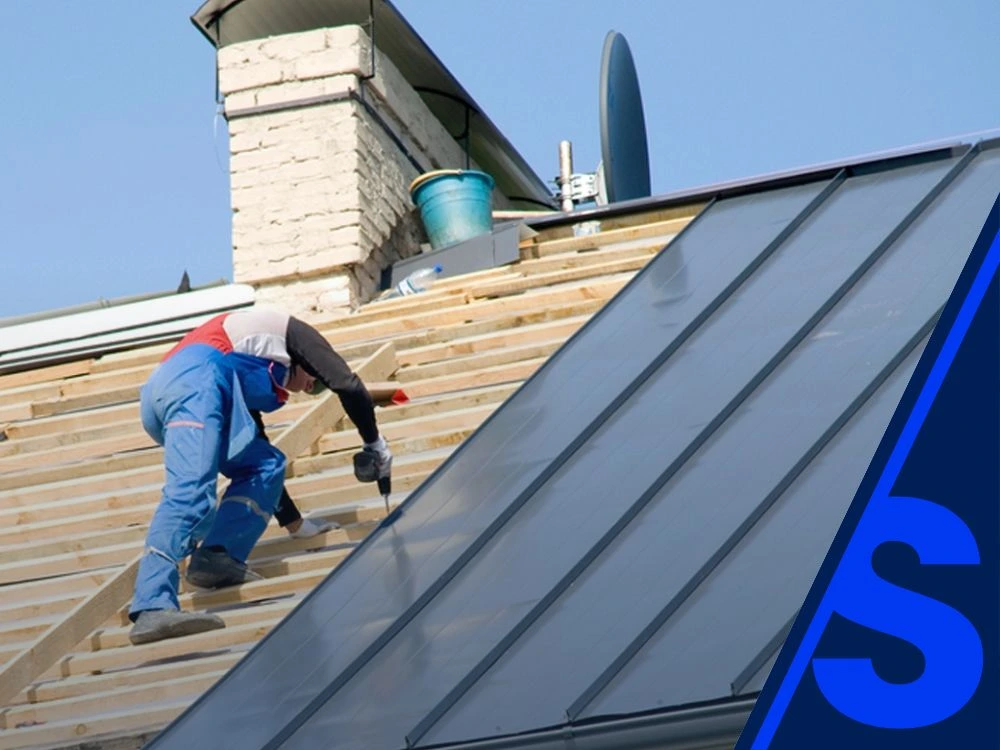
Roofing systems for builders focus on durability, installation efficiency, and climate suitability, with major types including metal, asphalt shingles, and low-slope membranes such as TPO and EPDM. Key systems include standing-seam metal for longevity, high-performance asphalt shingles for cost-effectiveness, and insulated, sustainable options like cool roofs. For new construction, builders must prioritize energy efficiency, fire resistance, proper ventilation, and installation consistency to maintain production schedules, reduce warranty risk, and meet code compliance requirements.
What are the types of roofing systems?
Roofing systems in new construction typically include asphalt shingle systems, metal roofing systems, tile roofing systems, and low-slope membrane systems such as TPO and EPDM. Each system varies in durability, cost, installation time, and suitability for different home designs and climates.
What are the 10 types of roofs?
Common roof types include gable, hip, flat, shed, gambrel, mansard, butterfly, dormer, combination roofs, and low-slope systems. Builders select these based on architectural design, drainage requirements, structural considerations, and regional code compliance.
What is the roof system in construction?
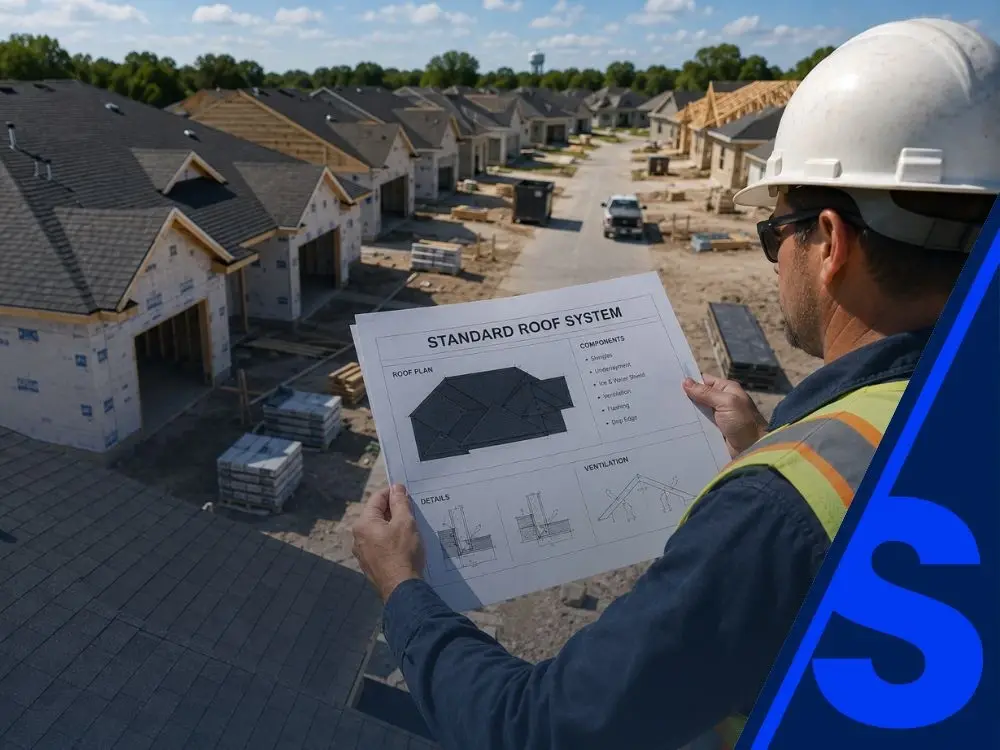
A roof system in construction refers to the complete assembly of structural decking, underlayment, flashing, ventilation, insulation, and the final roofing material. It functions as a unified system to protect the structure, manage moisture, and meet building code requirements.
What type of roof is best?
The best roofing system depends on the builder’s priorities, including cost targets, design requirements, climate conditions, and production timelines. Asphalt shingles are often preferred for production efficiency, while metal and tile systems are selected for durability and architectural performance in custom homes.
Why Roofing System Selection Matters for Builders
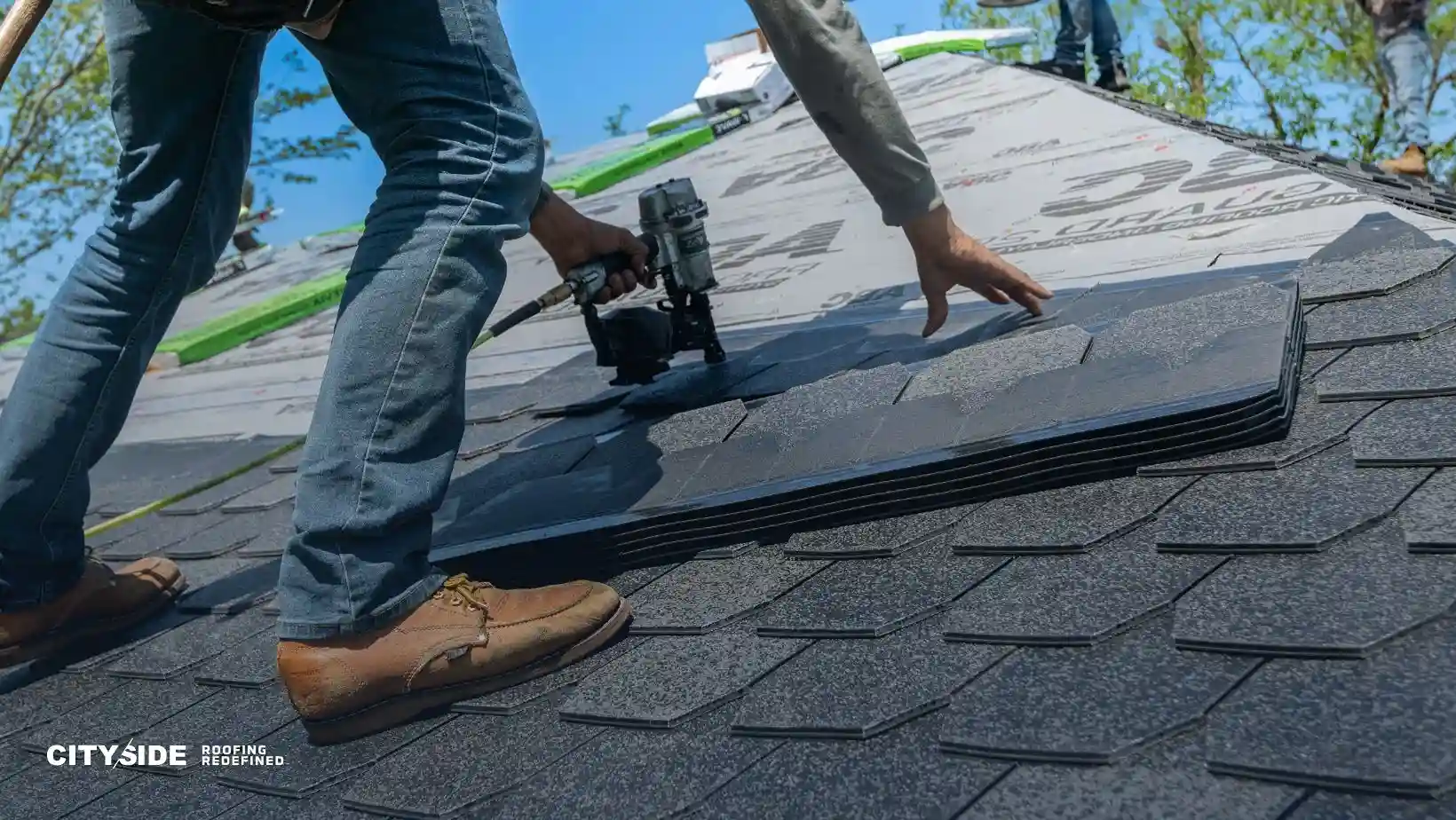
Choosing the right roofing system is not just a design decision. For builders, it is a production, compliance, and risk management decision that directly affects timelines, costs, and long-term performance.
Roofing systems influence:
- Dry-in speed and production scheduling
- Inspection readiness and code compliance
- Material logistics and procurement timelines
- Labor efficiency and crew specialization
- Warranty exposure and long-term durability
According to the U.S. Department of Energy, proper roof system selection and ventilation significantly impact energy efficiency and moisture control in buildings. Their research emphasizes that roofing assemblies must be designed as integrated systems to perform effectively in different climates.
For builders working across both custom homes and track homes, the challenge is balancing performance with efficiency. A system that works well for high-volume production may not meet the design and durability expectations of a custom build.
This is where understanding roofing systems for builders becomes critical.
Understanding the Difference Between Custom Homes and Track Homes
Before selecting a roofing system, builders must recognize the fundamental differences between these two construction models.
Track homes
Track homes focus on:
- High production volume
- Standardized designs
- Predictable material usage
- Fast cycle times
- Cost efficiency
Roofing systems for track homes must support speed, consistency, and scalability.
Custom homes
Custom homes prioritize:
- Unique architectural design
- Premium materials
- Complex rooflines
- Long-term durability
- High-end finishes
Roofing systems for custom homes must support flexibility, precision, and higher performance standards.
Builders working with a Roofing company for custom home builders often require more advanced coordination due to these complexities.
Core Roofing Systems for Builders
Asphalt shingle systems
Asphalt shingles remain the most widely used roofing system in residential construction.
Factor | Performance |
Installation speed | Fast |
Cost | Low to moderate |
Durability | Moderate |
Best use | Track homes and production builds |
Asphalt systems are ideal for builders who prioritize speed and cost control. They are easy to install, widely available, and compatible with high-volume production schedules.
Metal roofing systems
Metal roofing offers superior durability and longevity.
Factor | Performance |
Installation speed | Moderate |
Cost | Moderate to high |
Durability | High |
Best use | Custom homes and premium builds |
Standing seam metal systems are increasingly popular for builders focused on long-term performance and energy efficiency.
Tile roofing systems
Tile roofing provides strong durability and architectural appeal.
Factor | Performance |
Installation speed | Slower |
Cost | High |
Durability | Very high |
Best use | Custom and luxury homes |
Tile systems require structural planning and skilled installation, making them more suitable for custom builds.
Low-slope membrane systems
Used in modern designs and certain residential applications.
Factor | Performance |
Installation speed | Moderate |
Cost | Moderate |
Durability | Moderate to high |
Best use | Flat or low-slope roof designs |
Roofing System Comparison for Builders
System Type | Installation Speed | Cost Range | Warranty Risk | Best Fit |
Asphalt Shingle | Fast | Low | Moderate | Track homes |
Metal Roofing | Moderate | Medium to High | Low | Custom homes |
Tile Roofing | Slow | High | Low | Luxury homes |
TPO/EPDM | Moderate | Medium | Moderate | Modern designs |
This comparison highlights how system selection directly impacts production scheduling and risk exposure.
Builders working with a Roofing trade partner in Florida can better align system selection with project goals and timelines.
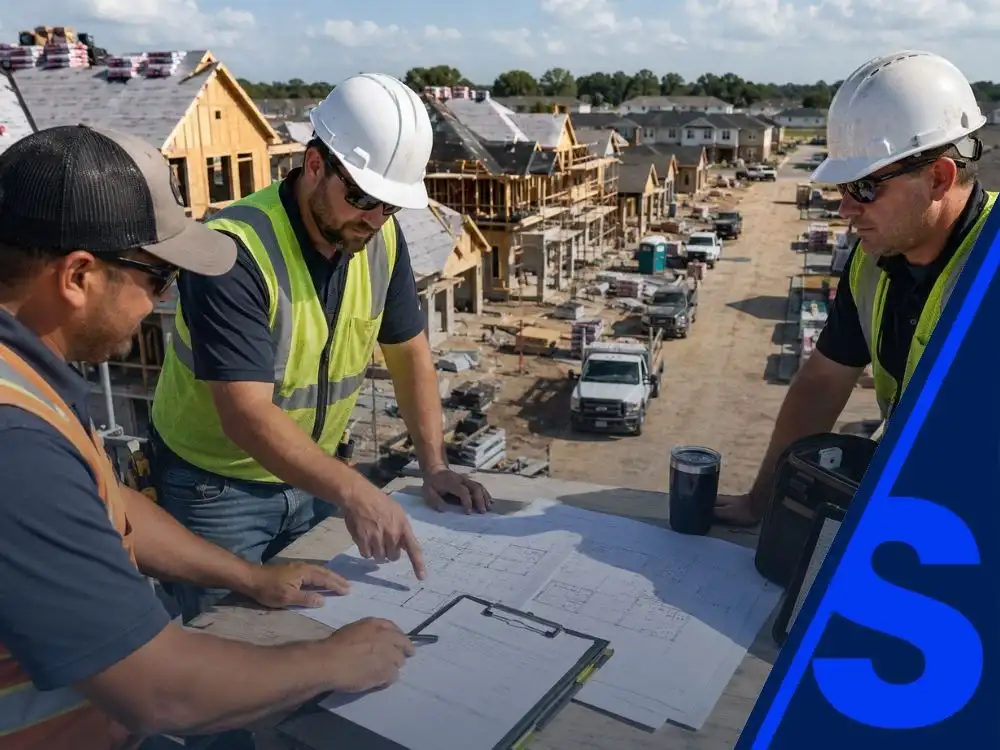
Production Scheduling Impact of Roofing Systems
Roofing systems significantly affect construction timelines.
Installation timeline comparison
System | Typical Installation Time |
Asphalt shingles | 1 to 3 days |
Metal roofing | 3 to 5 days |
Tile roofing | 5 to 10 days |
Membrane systems | 2 to 4 days |
For production builders, even a one-day delay per home can create major bottlenecks across multiple communities.
Builders working with a Roofing company in Florida that understands production scheduling can maintain consistent build cycles.
Code Compliance and Ventilation Considerations
Roofing systems must meet strict code requirements, particularly for ventilation and moisture control.
Roofing code compliance checklist
Requirement | Importance |
Ventilation (NFA compliance) | Prevents moisture buildup |
Underlayment installation | Protects against water intrusion |
Flashing details | Reduces leak risk |
Fire resistance rating | Meets safety standards |
Builders can explore ventilation calculations and compliance strategies in this guide:
How to calculate roof ventilation a builders guide to NFA and code
Material Selection and Lifecycle Performance
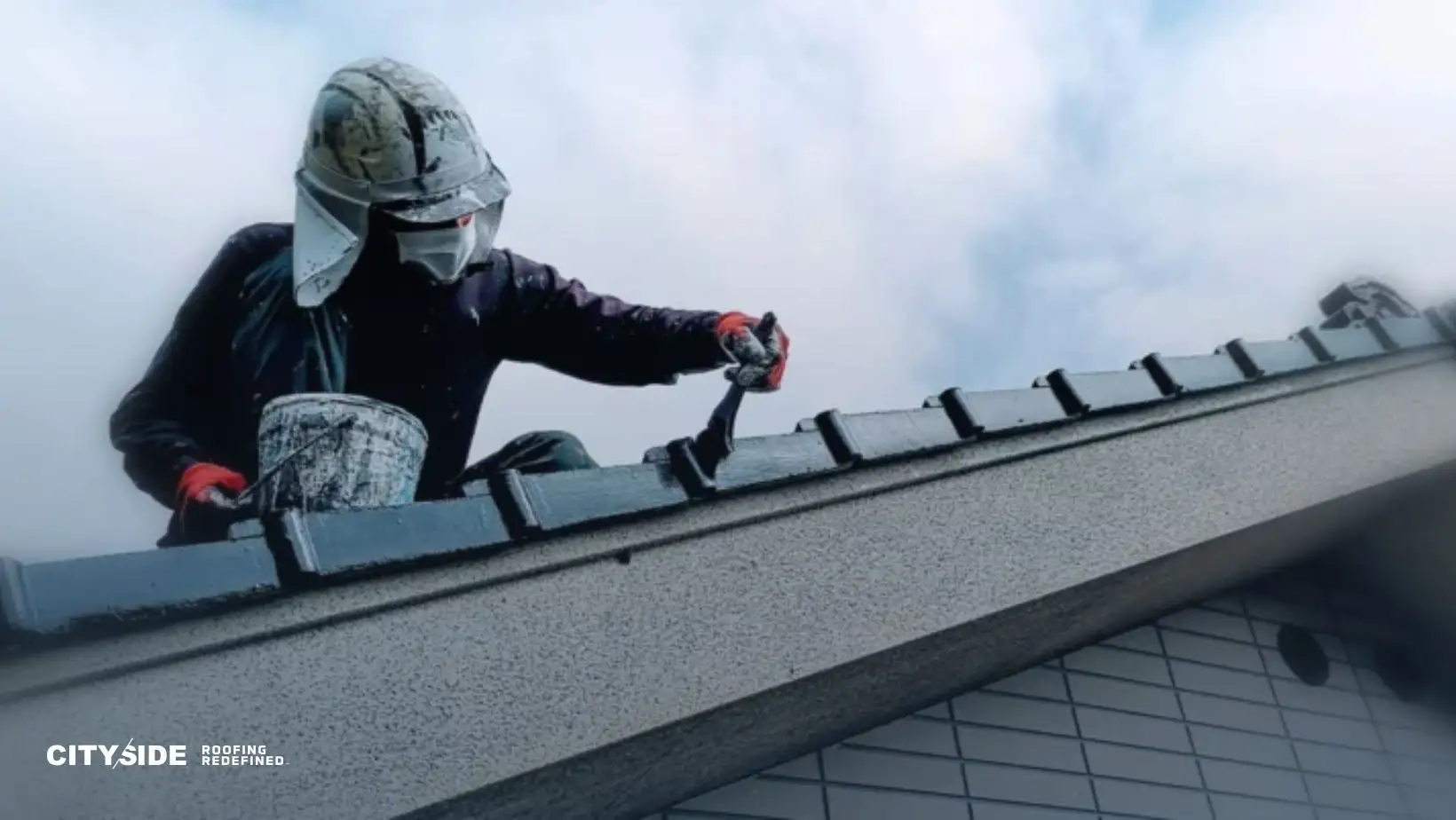
Material choice affects both initial construction and long-term performance.
Builders evaluating coating systems and extended lifecycle performance can review:
Elastomeric roof coatings builder focused lifecycle technical pros cons across substrates
These systems can enhance durability, improve reflectivity, and support energy efficiency goals.
Quality Control Systems in Roofing Installation
Consistency is critical in large-scale construction.
Builders should implement:
- Standardized installation checklists
- Material verification protocols
- Inspection documentation systems
- Crew performance tracking
A reliable Roofing trade partner in Florida for custom homes helps ensure quality standards are maintained across both production and custom projects.
Warranty Risk Reduction Through System Selection
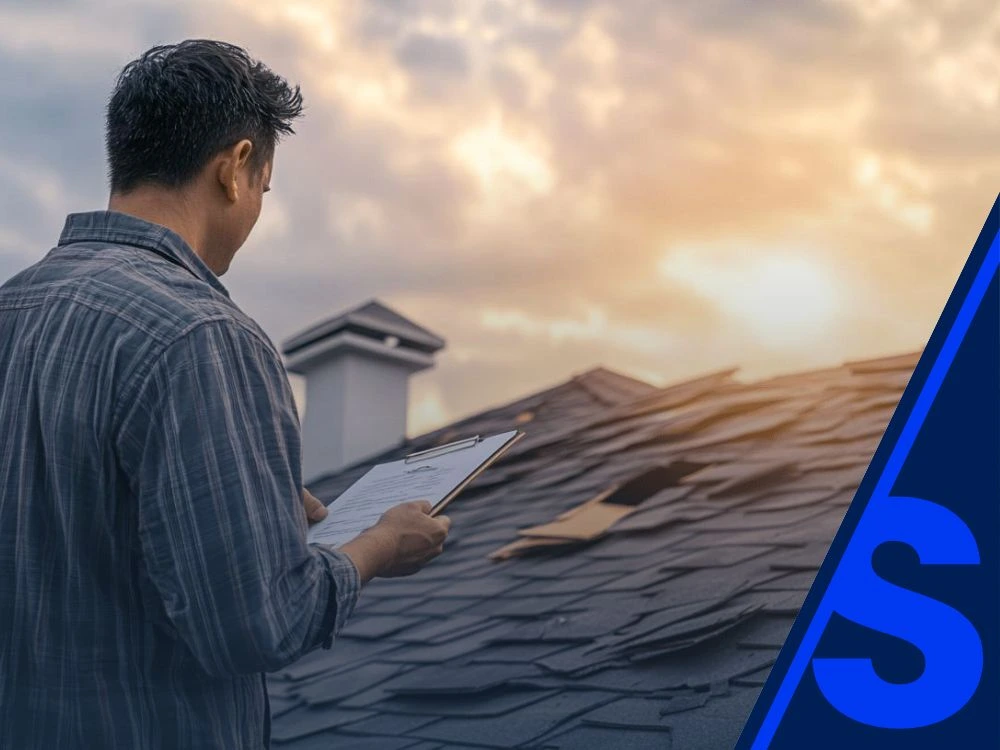
Roofing failures often result from:
- Improper installation
- Poor material selection
- Inadequate ventilation
- Missed inspections
Selecting the right roofing system reduces these risks.
Warranty risk comparison
System | Risk Level |
Asphalt shingles | Moderate |
Metal roofing | Low |
Tile roofing | Low |
Membrane systems | Moderate |
Builders working with experienced Roofers for luxury home roofing installation can further reduce risk in complex builds.
Choosing the Right Roofing System for Each Project Type
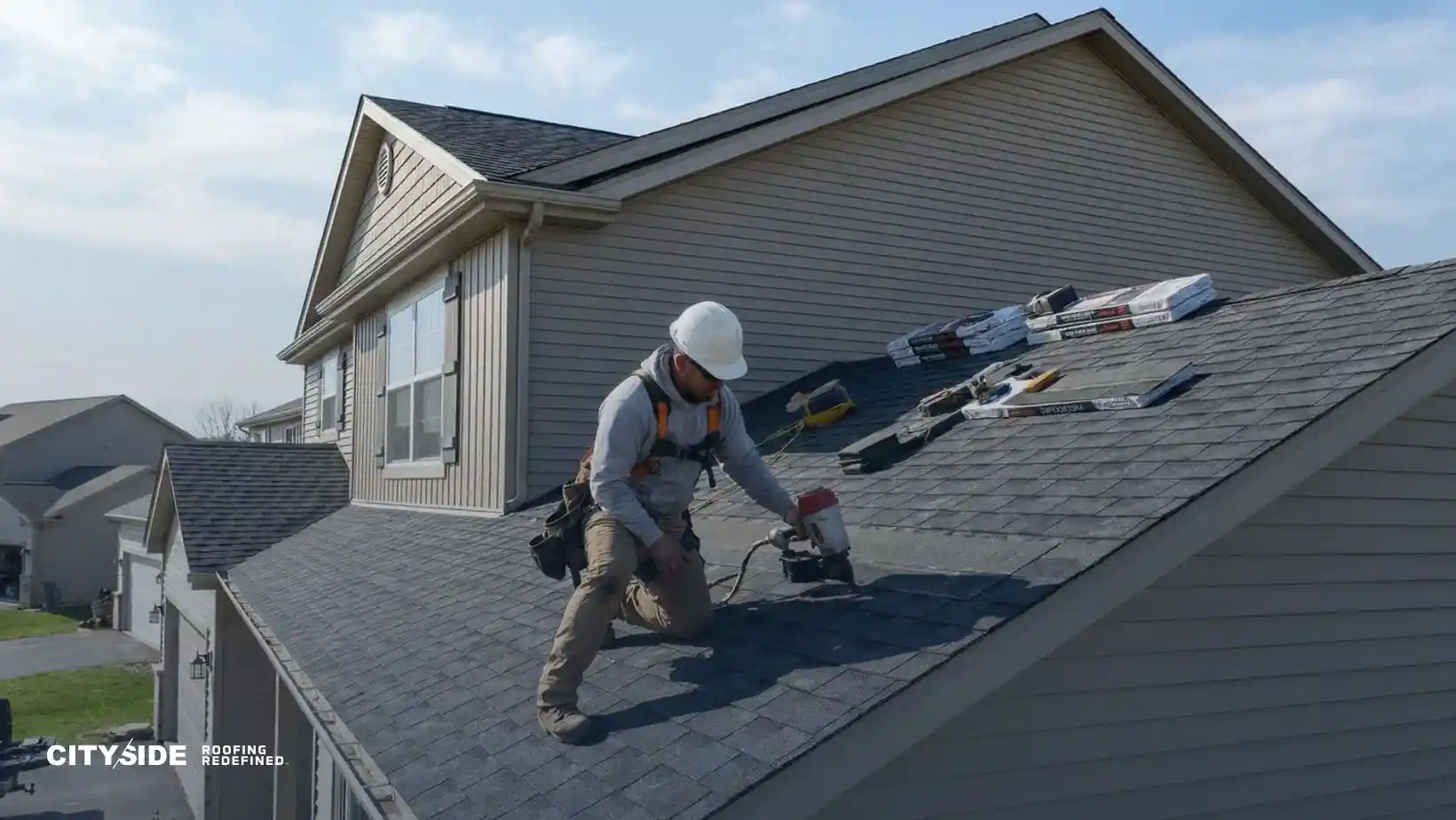
For track homes
Best priorities:
- Speed of installation
- Cost efficiency
- Material availability
- Consistency across units
Recommended systems:
- Asphalt shingles
- Standard ventilation systems
- Simplified roof designs
For custom homes
Best priorities:
- Durability and longevity
- Architectural flexibility
- Premium materials
- Enhanced ventilation and insulation
Recommended systems:
- Metal roofing
- Tile roofing
- Advanced coating systems
Builders working with CitySide Roofing gain access to roofing solutions tailored to both production and custom construction needs.
Conclusion: Aligning Roofing Systems With Builder Goals
Roofing systems are a foundational part of construction strategy, not just a finishing detail.
For builders, the right system must align with:
- Production timelines
- Code compliance requirements
- Material logistics
- Labor efficiency
- Long-term warranty performance
Track home builders benefit from standardized, fast-install systems, while custom builders require flexible, high-performance solutions.
Partnering with a reliable Roofing company in Florida ensures that roofing systems are selected and installed with both efficiency and quality in mind.
Key Builder Takeaways
- Roofing systems directly impact production scheduling and dry-in timelines
- Asphalt shingles are ideal for track home efficiency and cost control
- Metal and tile systems provide durability for custom homes
- Proper ventilation and code compliance are critical for performance
- Quality control systems reduce installation errors and warranty claims
- Material selection should align with both design and operational goals
Builders ready to select the right roofing systems and improve project efficiency can connect with a trusted Roofing contractor in Florida today.