Automated roofing scheduling tools streamline operations by using AI and cloud-based systems to manage appointments, dispatch crews, and track materials in real time. These systems reduce manual, error-prone processes, offering 24/7 online booking, automated SMS and email reminders to reduce no-shows, and drag and drop calendars for efficient dispatch. For home builders, that means tighter production control, faster jobsite coordination, better material timing, cleaner inspection readiness, and fewer costly delays across multiple active builds.
What is the purpose of roofing?
In new construction, the purpose of roofing is to protect the structure from weather, support proper drainage and ventilation, and create a code-compliant exterior assembly that allows the home to reach dry-in. For builders, roofing is also a critical milestone because interior trades, moisture-sensitive materials, and schedule continuity depend on the roof being completed correctly and on time.
What is roofing software?
Roofing software is a digital system used to manage estimating, scheduling, dispatch, materials, inspections, and field documentation for roofing projects. In a builder-focused environment, the most valuable roofing software connects with production schedules and ERP workflows so roofing activity stays aligned with framing milestones, inspection timing, and closeout requirements.
Is there a robot that can do roofing?
Some experimental robotics and automation systems are being tested for roofing-related tasks, especially repetitive installation and material handling. However, in residential new construction today, the most practical form of roofing automation is software that improves scheduling, logistics, documentation, and communication rather than replacing skilled installation crews.
What is a roofing system?
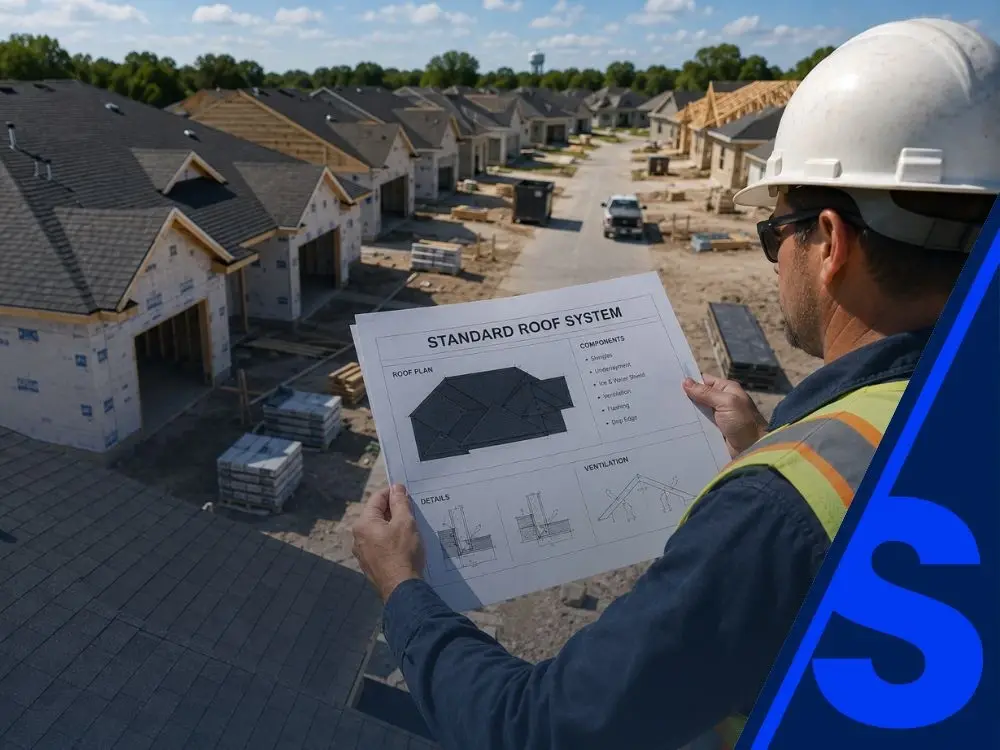
A roofing system is the complete set of components that work together to protect the building, including decking, underlayment, flashing, ventilation elements, fasteners, and the finished roof covering such as shingles, tile, or metal. Builders need the full system to perform as one assembly because code compliance, quality control, and warranty outcomes depend on every layer being installed correctly.
For home builders, roofing is not just another trade on the schedule. It is a production gate that affects everything that follows. Once the roof is installed and the home reaches dry-in, the project can move forward with greater confidence. Interior rough-ins, insulation, drywall planning, finish protection, and overall cycle time all benefit from a roof that is scheduled properly and completed without avoidable delay.
That is why automated roofing scheduling has become increasingly important in modern homebuilding operations. In the past, roofing schedules were often managed through whiteboards, spreadsheets, phone calls, and scattered email updates. That may work on a small number of jobs, but it quickly breaks down when a builder is managing multiple starts, several communities, long material lead times, and a narrow window for inspections.
The National Institute of Standards and Technology has emphasized that fragmented information flow and poor coordination are major drivers of construction inefficiency, reinforcing the value of digital systems that connect scheduling, materials, and field execution.
Automated roofing scheduling solves that coordination problem by using software to trigger roofing events based on verified conditions rather than guesswork. It helps builders organize crew dispatch, track materials, send reminders, reduce no-shows, improve field communication, and keep production schedules moving. Most importantly, it allows roofing to function as a controlled process instead of a reactive scramble.
For production builders and custom home builders alike, the payoff is straightforward. Better scheduling reduces wasted labor, limits material timing errors, improves code and inspection readiness, and helps protect margins. It also creates a stronger record of what happened on each lot, which matters for quality control and long-term warranty risk reduction.
Why Automated Roofing Scheduling Matters in New Construction
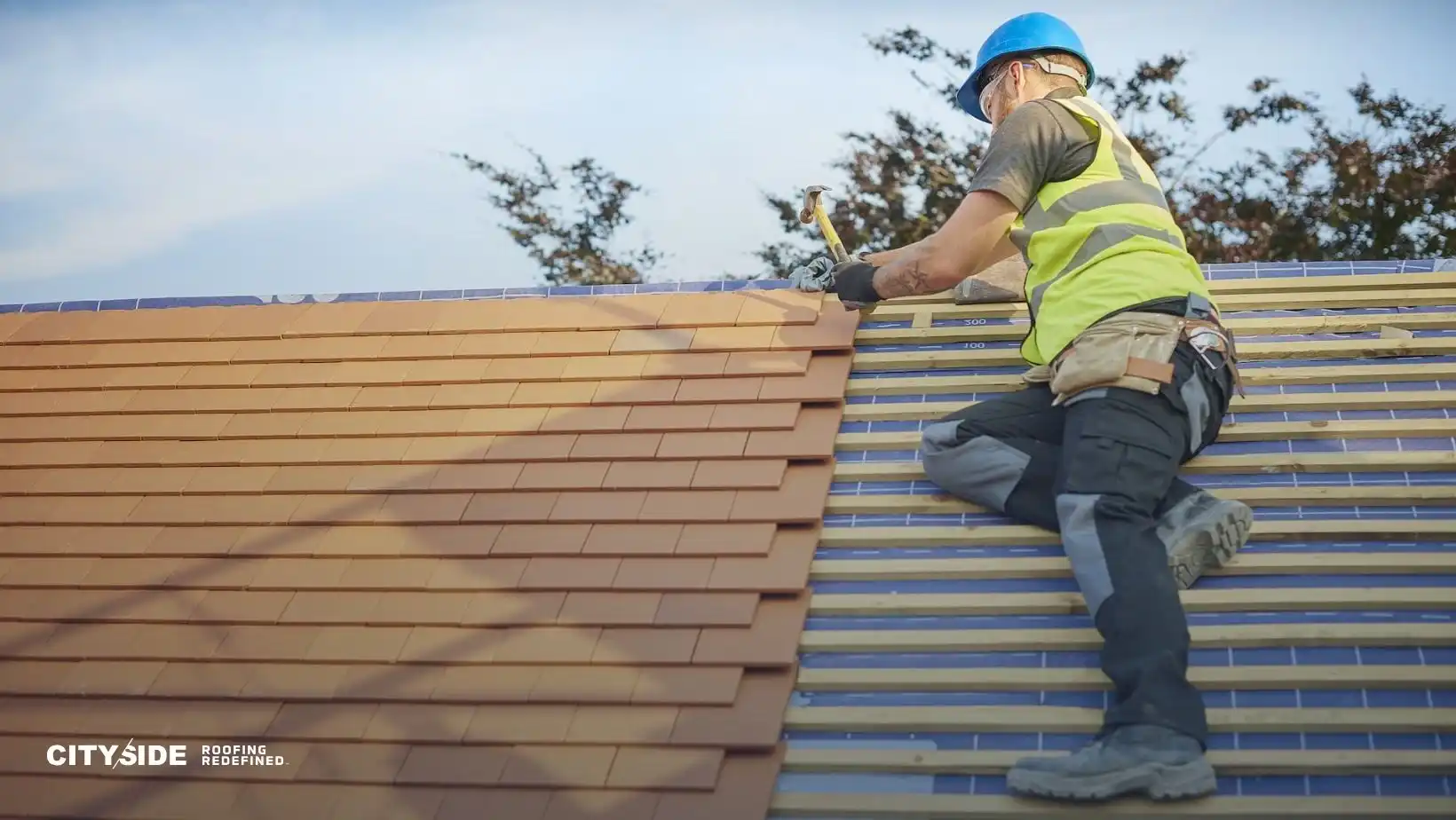
Builders operate in an environment where delays multiply fast. A one-day miss at the roofing stage can create a chain reaction that affects several other trades. If the home does not dry in when expected, electricians and HVAC teams may need to be pushed. Insulation may be delayed. Drywall sequencing may be affected. Site supervision becomes more complex because the entire stack of activities shifts.
Automated roofing scheduling helps prevent that scenario by tying the roofing process to actual jobsite readiness. Instead of assuming a lot is ready, the software can trigger the next step when required milestones are complete. That may include framing sign-off, decking completion, material availability, weather confirmation, and inspection prerequisites.
This matters even more for builders operating across multiple communities. Manual scheduling may allow one delayed lot to consume too much project management attention, while other ready homes wait longer than they should. Automation gives visibility across all active jobs, which makes it easier to assign crews intelligently and keep the overall pipeline moving.
The value is not only speed. The value is controlled speed. Builders need systems that help crews arrive when the site is truly ready, materials are staged correctly, and inspection requirements are understood in advance.
What Automated Roofing Scheduling Actually Includes
Automated roofing scheduling is more than digital calendar management. For builders, it usually involves several connected capabilities working together.
These systems can include:
- milestone-based job activation tied to framing or decking completion
- drag and drop dispatch tools for moving crews across jobsites
- automated SMS and email reminders for field teams and supervisors
- 24/7 online booking or request functionality for schedule updates
- real time material tracking and delivery coordination
- inspection status tracking and readiness alerts
- mobile field updates with photos, checklists, and timestamps
- dashboard reporting across multiple lots or communities
When builders work with a trusted CitySide Roofing, these digital workflows can support tighter coordination from dry-in planning through closeout.
Where Builders Lose Time Without Automation
Manual roofing coordination tends to create four consistent problems.
First, crews get assigned to sites that are not actually ready. The superintendent may think framing is complete, but a missing correction or unresolved decking issue prevents the roofing team from starting. That results in lost labor efficiency and avoidable reshuffling.
Second, materials arrive at the wrong time. If roofing components are delivered too early, they create congestion and storage risk. If they arrive too late, the lot sits idle waiting for product.
Third, communication becomes fragmented. Project managers, field supers, procurement teams, and trade partners may all be relying on different versions of the schedule. That increases the chance of confusion and misalignment.
Fourth, documentation often trails the work. Instead of capturing quality checks and inspection status in real time, teams piece together records later. That weakens accountability and creates risk if a future warranty issue arises.
Automated roofing scheduling addresses each of these by standardizing how jobs move from readiness to dispatch to installation to inspection.
How Automated Roofing Scheduling Saves Builders Time
The most immediate time savings come from reducing administrative effort. Builders no longer need to spend as much time calling crews, confirming availability, checking material delivery status, or manually sending reminders. When the software handles routine triggers and alerts, teams can focus on exception management rather than constant follow-up.
Another time benefit comes from better crew utilization. Dispatch tools can assign the right team to the right lot based on geography, readiness, roof complexity, and current workload. That reduces wasted travel time and idle time.
Automated reminders also matter. A roofing schedule can fall apart when someone forgets a change, misses a confirmation, or assumes another team already handled it. SMS and email reminders help keep supervisors, crews, and project managers aligned without constant manual intervention.
The result is a shorter and more predictable roofing cycle. Builders may not eliminate every delay, especially when weather is a factor, but they can reduce the number of delays caused by poor coordination.
Time savings comparison
Scheduling Activity | Manual Process | Automated Process |
Confirm lot readiness | Multiple calls and site checks | Triggered by milestone status |
Assign roofing crew | Phone or email coordination | Dispatch based on live schedule |
Notify stakeholders | Manual messages | Automated SMS and email alerts |
Track material status | Separate follow-up | Real time coordination in system |
Request inspections | Often delayed until after field update | Prompted when work reaches readiness |
How Automated Roofing Scheduling Saves Builders Money
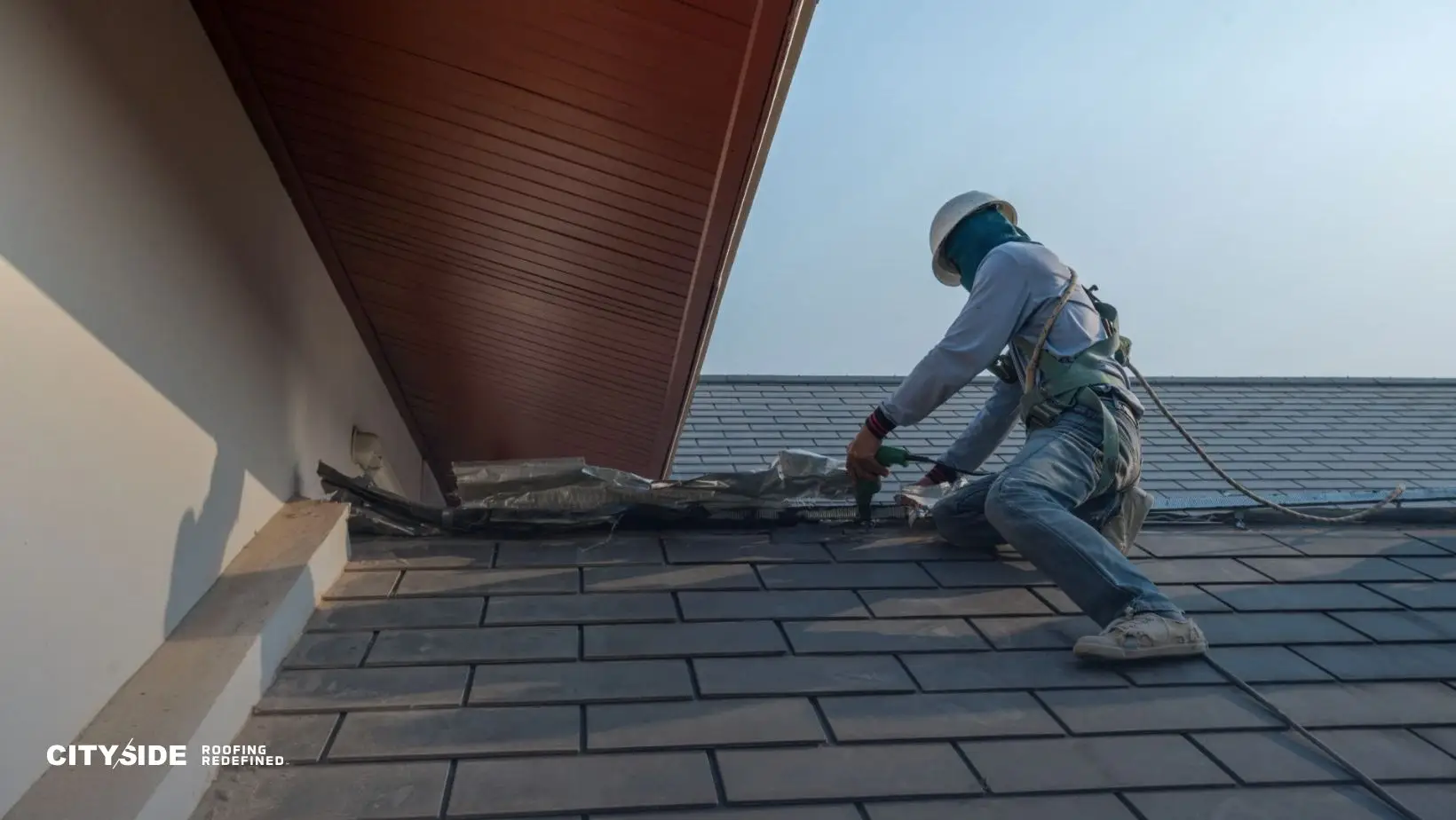
Time savings are valuable, but builders ultimately feel the impact in the budget. Delays, inefficiencies, and field confusion all cost money. Roofing is especially sensitive because it sits so close to dry-in and affects many downstream activities.
Automated roofing scheduling reduces labor waste by limiting failed dispatches and unnecessary site visits. It lowers the chances of materials being mishandled or sitting exposed on-site for too long. It helps reduce overtime and schedule compression later in the build because trades are less likely to be pushed back unexpectedly.
There is also a less obvious cost benefit. Better documentation reduces financial exposure tied to quality claims and warranty issues. When the roofing process is tracked clearly, builders are in a better position to show what was installed, when it was completed, and whether inspections and quality checks were documented properly.
Cost impact comparison
Cost Driver | Common Result Without Automation | Likely Result With Automation |
Crew idle time | Higher | Lower |
Material mistiming | More frequent | Reduced |
Admin coordination cost | High | Lower |
Reinspection-related delays | More likely | Less likely |
Schedule compression later in build | More common | Reduced |
Documentation gaps | Frequent | Less frequent |
For builders that want to understand how schedule automation directly prevents production slowdowns, this related guide on how automated roofing scheduling eliminates delays in new builds provides additional context.
Production Scheduling Benefits for Builders
Production scheduling is one of the strongest use cases for roofing automation. Builders do not need roofing to happen eventually. They need it to happen in the right sequence, with minimal disruption, across a moving portfolio of active homes.
Automated roofing scheduling improves production by making it easier to balance work across communities. If one subdivision is delayed due to inspections or materials, crews can be reassigned to another ready location without the usual confusion. If weather affects part of a region, the schedule can be adjusted more quickly using a shared digital platform.
This becomes even more important as start volumes increase. A builder managing ten homes may still be able to coordinate manually. A builder managing fifty or a hundred active lots will struggle without a system that organizes jobs based on readiness and priority.
Example multi-community scheduling view
Community | Homes Ready for Roofing | Crews Available | Inspections Pending | Material Readiness |
Community A | 11 | 3 | 4 | Good |
Community B | 7 | 2 | 1 | Partial delay |
Community C | 15 | 4 | 5 | Good |
Community D | 6 | 2 | 2 | Good |
This type of visibility allows construction leaders to make decisions quickly and protect the broader production schedule instead of managing one lot at a time.
Inspection and Code Compliance Advantages
Builders also benefit from automated roofing scheduling because inspections and code compliance are easier to manage when roofing steps are organized digitally. Roofing work often involves multiple checkpoints, and each missed or poorly timed inspection can delay the lot and increase friction with local authorities.
Automated systems can flag when a home is ready for underlayment inspection, flashing verification, or final roof review. That reduces the chance that work progresses too far without the right approvals or that inspection requests are submitted late.
The value here is not just passing inspections. It is reducing uncertainty around inspection timing and creating a cleaner compliance trail.
Roofing code compliance checklist
Compliance Item | Why It Matters to Builders | Automation Benefit |
Deck readiness verified | Prevents installation on incomplete substrate | Tied to milestone completion |
Underlayment documented | Supports moisture protection and code review | Photo and checklist capture |
Flashing details confirmed | Reduces leak risk and callbacks | Step-based QC prompts |
Ventilation components tracked | Supports system performance and code alignment | Material and field verification |
Final inspection status logged | Keeps turnover process moving | Centralized recordkeeping |
Builders looking deeper at material choices that support reliable dry-in planning can also review Fiberglass felt roof underlayment advantages and when builders should use it, especially where timing, durability, and installation consistency matter.
Quality Control Systems Improve With Automation
Quality control often breaks down when the schedule is rushed or communication is inconsistent. Automated roofing scheduling helps builders put more structure around field execution.
Instead of relying on memory or informal supervision, teams can use software to require completion steps before moving forward. That may include photo uploads, checklist confirmations, material verification, and digital sign-offs tied to specific lots.
This creates a repeatable process across communities. It also makes it easier to identify recurring installation problems before they affect a larger number of homes. If one flashing detail is repeatedly missed, the builder can spot the pattern earlier and work with the trade partner to correct it.
For custom homes, where rooflines are often more complex and specifications more detailed, these quality controls become even more important. The cost of correction is higher, and the schedule impact of rework is often greater.
Builders working with a reliable Roofing company for custom home builders are better positioned to pair skilled installation with documented quality systems.
Material Coordination and Supply Chain Timing
Roofing schedules are only as strong as the material plan behind them. Automated systems improve procurement timing by linking deliveries to verified field readiness instead of rough estimates.
That means underlayment, shingles, tile, metal panels, and accessories can be released based on actual need. Builders reduce the risk of materials arriving too early or too late, and they gain better visibility into shortages or backorders before the lot is impacted.
Material timing table
Material Category | Typical Lead Time | Best Trigger for Release |
Asphalt shingles | 3 to 7 days | Framing and deck readiness confirmed |
Underlayment | 2 to 5 days | Dry-in prep scheduled |
Metal panels | 2 to 4 weeks | Field measure and shop approval complete |
Tile roofing | 3 to 6 weeks | Structural and schedule lock confirmed |
Flashings and accessories | 3 to 10 days | Installation date set |
Builders that manage complex elevations, specialty details, or higher-end specifications especially benefit from better procurement coordination because custom materials tend to have longer lead times and less scheduling flexibility.
Why Automated Roofing Scheduling Supports Warranty Risk Reduction

Warranty risk is one of the most overlooked reasons to automate roofing workflows. Builders often think of scheduling as a speed issue, but it is also a documentation issue.
When the roofing process is tracked digitally, builders create a stronger record of lot readiness, material timing, quality checks, and inspection status. That makes it easier to investigate future concerns and harder for process gaps to go unnoticed.
A better documentation trail can support:
- proof of installation timing
- photo evidence of key phases
- confirmation of inspection completion
- tracking of crews assigned to each lot
- records of materials tied to the project
This does not eliminate warranty claims, but it does help reduce risk and improve defensibility when questions arise later.
Choosing the Right Trade Partner for Automated Scheduling
Technology only helps when the roofing partner can operate inside the system. Builders need a trade partner that values schedule discipline, field communication, documentation, and responsiveness.
The right partner should be able to work from milestone-based scheduling, respond to automated dispatch workflows, support inspection readiness, and contribute to clean closeout records. This is especially important in new construction, where roofing is tied to broader production goals rather than one-off service calls.
A builder seeking a dependable Roofing trade partner in Florida for custom homes should look for more than installation capability. The builder should look for operational compatibility, reporting discipline, and the ability to support quality control across a growing pipeline.
Conclusion
Automated roofing scheduling gives builders a practical way to reduce waste, improve coordination, and protect schedule performance during one of the most critical phases of new construction. By replacing manual processes with milestone-based workflows, builders can dispatch crews more efficiently, track materials in real time, reduce no-shows through automated reminders, and create stronger visibility across active jobs.
The benefits go beyond convenience. Automated roofing scheduling supports production scheduling, inspection readiness, code compliance, quality control, and warranty risk reduction. It helps builders keep roofing aligned with the broader project plan instead of letting it become a source of disruption.
For builders that want tighter control over field execution and better communication across their pipeline, working with a proven Roofing trade partner in Florida can make the technology much more effective in practice.
Key Builder Takeaways
- Automated roofing scheduling reduces manual coordination and improves production control across active new construction jobs
- AI-assisted dispatch tools help match crews to ready sites faster and with less wasted labor
- Automated SMS and email reminders improve communication and reduce missed schedule steps
- Real time material tracking helps builders avoid delivery mismatches and dry-in delays
- Inspection readiness becomes easier to manage when roofing workflows are tied to milestone-based triggers
- Better documentation supports stronger quality control and lower warranty risk
- Multi-community dashboards give builders more visibility into roofing progress and scheduling pressure points
Builders ready to improve schedule reliability, quality control, and operational efficiency can connect with a trusted Roofing contractor in Florida through the CitySide contact page.