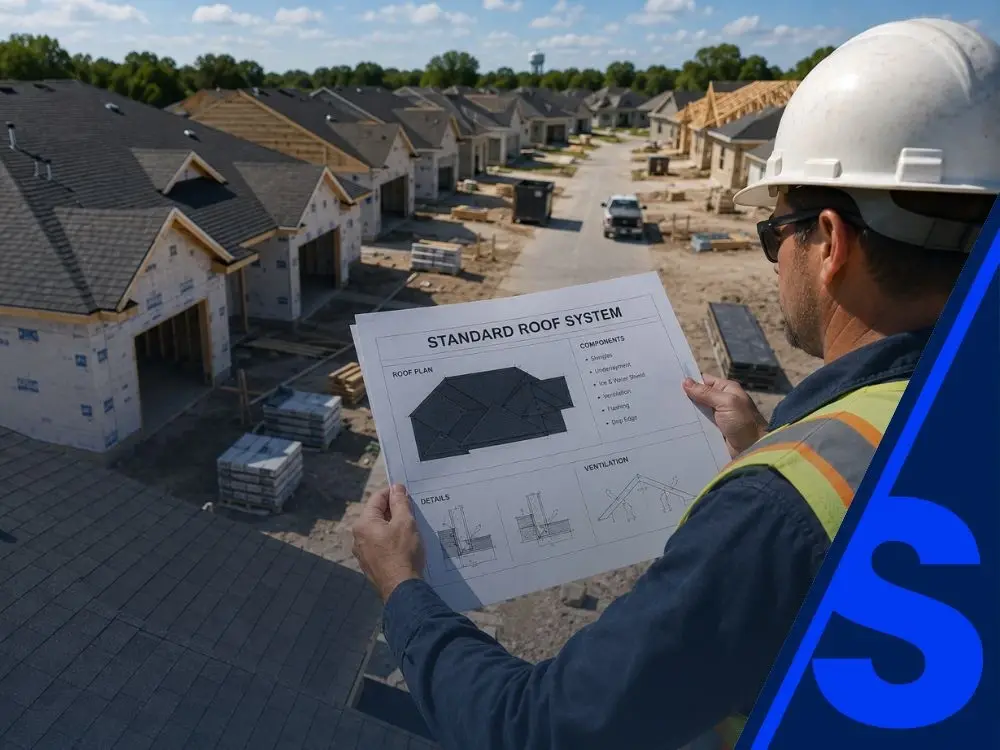
API integration in roofing connects different software systems to automate workflows, improve data accuracy, and streamline operations. This allows various tools, such as CRM, project management, and measurement software, to exchange data seamlessly, eliminating manual data entry and reducing errors. For home builders managing new construction, API integration strengthens production scheduling, inspection tracking, warranty documentation, and quality control systems while reducing operational friction across multiple communities.
What is API integration with an example?
API integration allows two or more software platforms to communicate automatically. For example, when aerial roof measurement software sends roof dimensions directly into a builder’s ERP system, eliminating manual entry, that is API integration in action.
What software is used to measure roofing?
Roof measurement is typically completed using aerial measurement platforms, CAD-based takeoff systems, and digital estimating software. These tools calculate slope, square footage, and material quantities and can integrate into scheduling and procurement systems through APIs.
What is API in construction?
In construction, an API, or Application Programming Interface, enables systems such as ERP platforms, inspection software, scheduling tools, and accounting programs to exchange data automatically. This creates consistency and reduces administrative duplication.
What are API integration tools?
API integration tools include middleware platforms, workflow automation engines, and direct system connectors that allow structured data exchange between CRMs, ERPs, inspection systems, estimating platforms, and procurement software.
Why API Integration in Roofing Is Reshaping Builder Operations
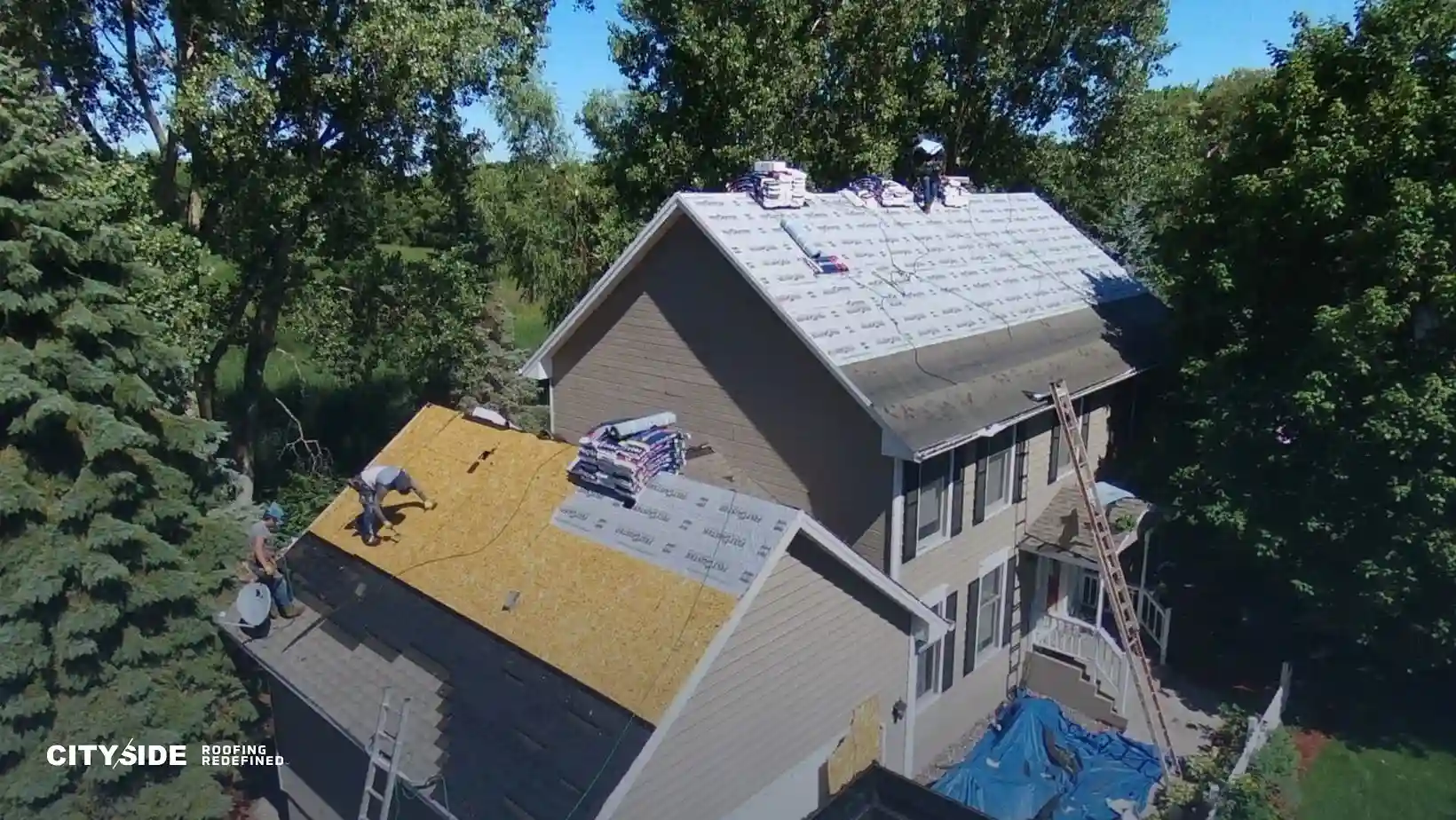
For production and custom home builders, roofing is a critical-path trade. Dry-in dates determine interior start timelines. Inspection approvals influence downstream subcontractor scheduling. Warranty documentation impacts long-term liability exposure.
Historically, roofing data moved manually between systems. Measurement reports were downloaded and reentered. Inspection approvals were emailed. Material quantities were copied into purchasing systems. Every manual transfer introduced friction and risk.
API integration in roofing removes that friction by connecting builder systems directly with roofing workflows. Data flows automatically between measurement, estimating, scheduling, procurement, inspection tracking, and job costing platforms.
According to the National Institute of Standards and Technology, inefficient data interoperability costs the construction industry billions annually in avoidable waste and miscommunication. As noted by the National Institute of Standards and Technology, improving structured data exchange significantly reduces inefficiencies across construction projects.
For builders, API integration is not about technology for its own sake. It is about operational control, production predictability, and risk reduction.
How API Integration in Roofing Supports New Construction Production
Home builders manage roofing across:
- Multiple lots
- Multiple communities
- Different municipal jurisdictions
- Strict inspection schedules
- Compressed production timelines
API integration ensures roofing does not become a bottleneck.
Example: Manual vs API-Integrated Roofing Workflow
Process Step | Manual Workflow | API-Integrated Workflow |
Roof measurement | Download PDF report | Measurement auto-syncs to ERP |
Estimating | Reenter quantities | Data auto-populates estimate |
Procurement | Manual purchase order entry | PO generated from approved estimate |
Scheduling | Email coordination | Roofing start triggered by milestone |
Inspection logging | Spreadsheet tracking | Inspection status auto-updates dashboard |
The difference is not incremental. It is systemic.
Builders seeking to modernize roofing coordination should align with a partner such as CitySide Roofing, which understands builder-grade digital integration and production-level execution.
Production Scheduling and API Integration
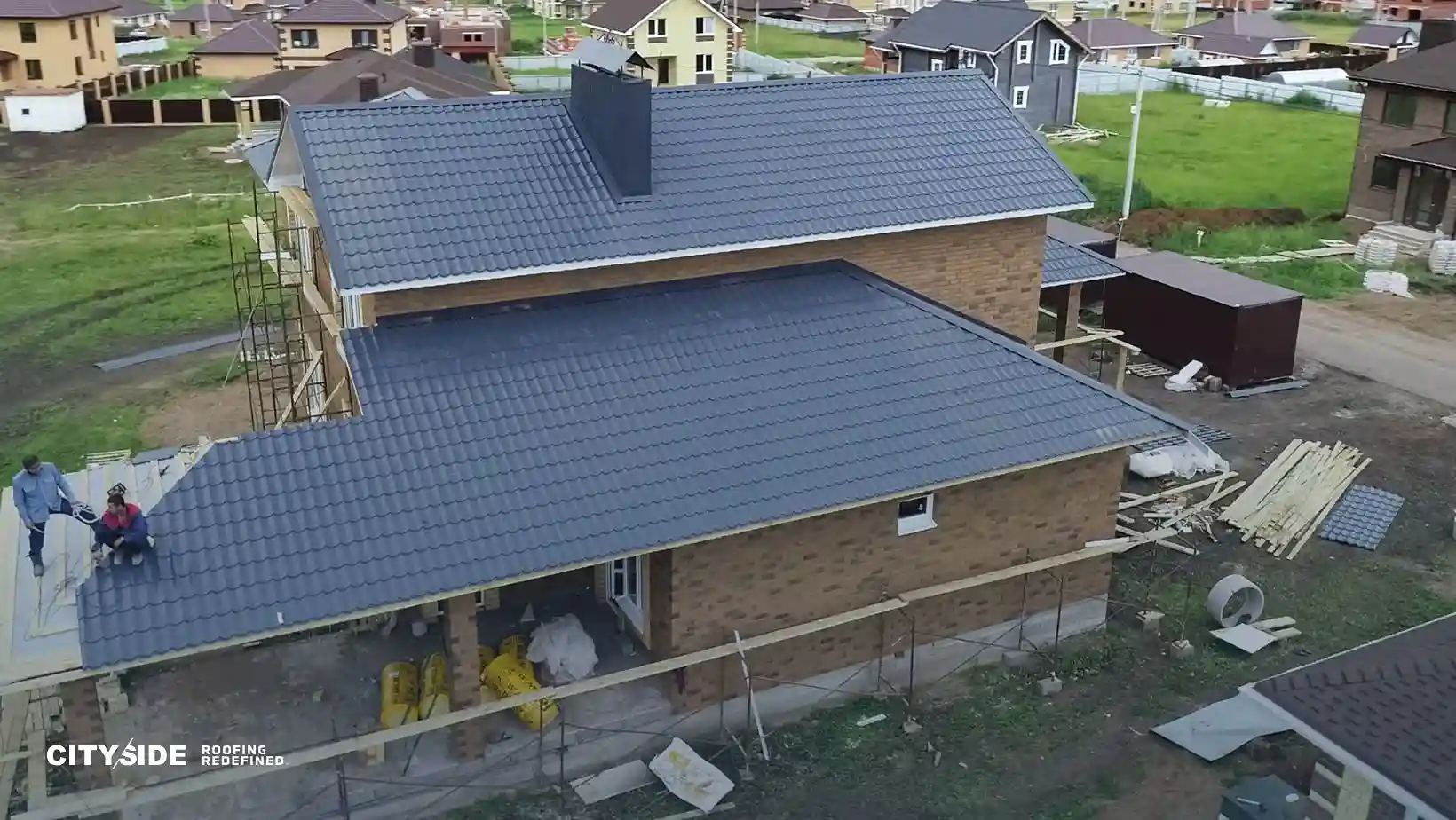
Roofing timing directly affects:
- Framing completion
- Dry-in milestone
- Window and door installation
- Mechanical rough-ins
- Insulation and drywall start
API integration connects scheduling systems with roofing readiness data.
Roofing Scheduling Trigger Example
Milestone | API Action |
Framing inspection passed | Roofing start automatically scheduled |
Roof measurement approved | Estimate finalized and budget updated |
Estimate approved | Material release triggered |
Materials delivered | Installation window confirmed |
Underlayment inspection approved | Interior trades released |
This automation eliminates scheduling gaps caused by manual confirmation delays.
For a Roofing contractor in Florida operating within a production builder’s system, integration ensures roofing crews arrive only when prerequisites are complete.
Inspection and Code Compliance Automation
Inspection failure is one of the most expensive forms of delay in new construction.
API integration in roofing ensures inspection data flows directly into the builder’s system.
Roofing Inspection Compliance Checklist
Inspection Phase | API Data Captured | Builder Benefit |
Deck inspection | Approval timestamp | Confirms readiness |
Dry-in inspection | Photo verification | Reduces reinspection risk |
Flashing inspection | Detail checklist confirmation | Protects warranty |
Final inspection | Official approval record | Streamlines closeout |
When inspection data syncs automatically, project managers do not rely on fragmented emails or verbal updates.
Builders working with a Roofing company in Florida that integrates digital inspection reporting reduce cycle time variability and administrative labor.
Warranty Risk Reduction Through Data Traceability
Warranty claims often result from incomplete documentation rather than installation failure alone.
API integration supports:
- Material batch tracking
- Crew assignment logs
- Inspection approval records
- Photo archives tied to lot numbers
- Option-specific specification documentation
Warranty Documentation Flow Example
Documentation Element | Without API | With API |
Underlayment spec | Filed separately | Linked to lot record |
Flashing photos | Stored on device | Uploaded automatically |
Inspection approvals | Email attachment | Synced to ERP |
Closeout packet | Assembled manually | Auto-generated |
For a Roofing company for custom home builders, this level of traceability is especially important when working with high-spec materials and complex roof geometries.
Advanced Roofing Systems and API Coordination
Builders increasingly incorporate advanced materials to meet efficiency and compliance goals.
Reflective metal systems, for example, require precise documentation and specification alignment. Builders exploring these systems can review advanced reflective metal roof coatings for builder efficiency and code compliance through a Roofing trade partner in Florida at this resource:
Advanced Reflective Metal Roof Coatings for Builder Efficiency and Code Compliance
API integration ensures:
- System specifications populate purchasing accurately
- Inspection checklists reflect manufacturer requirements
- Compliance documentation is archived automatically
- Warranty registrations are triggered at completion
Without integration, advanced systems increase administrative complexity and risk.
The Importance of Early API Planning With Roofing Partners
Integration works best when roofing partners are involved early in the planning process.
Early collaboration ensures:
- System specifications align with builder ERP fields
- Inspection checkpoints are standardized
- Procurement triggers match production cadence
- Documentation requirements are defined upfront
Builders can explore the operational advantages of early coordination with roofing experts here:
The Importance of Early Collaboration with Roofing Experts
Engaging a Roofing trade partner in Florida for custom homes at the planning stage reduces downstream integration friction and protects production timelines.
Multi-Community Operational Visibility
Production builders often oversee roofing across dozens or hundreds of active lots.
API integration provides dashboard-level clarity.
Multi-Community Roofing Dashboard Example
Community | Roofs Scheduled | Inspections Pending | QC Flags | Material Status |
Community A | 18 | 4 | 1 | Confirmed |
Community B | 12 | 3 | 0 | Confirmed |
Community C | 9 | 5 | 2 | Delayed |
These dashboards pull live data from:
- Measurement tools
- Scheduling software
- ERP procurement
- Inspection systems
Builders gain real-time insight without manual reporting.
Quality Control Systems Powered by API Integration
Quality control in roofing depends on consistent documentation.
API integration enforces:
- Pre-install verification checklists
- Field photo capture requirements
- Automated corrective action tasks
- Standardized punch list tracking
QC Workflow Comparison
Step | Manual Process | API-Driven Process |
Pre-install review | Verbal confirmation | System-required checklist |
Field documentation | Optional photos | Mandatory uploads |
Issue escalation | Email chain | Automated task assignment |
Closeout | Manual compilation | System-generated package |
For Roofers for luxury home roofing installation, where detailing precision is critical, digital QC enforcement significantly reduces risk.
Financial Control Through Integrated Roofing Data
API integration connects measurement, estimating, purchasing, and job costing.
Roofing Cost Visibility Table
Cost Category | Budgeted | Actual | Variance |
Materials | $14,200 | $14,000 | -$200 |
Labor | $9,000 | $9,350 | +$350 |
Equipment | $1,300 | $1,250 | -$50 |
Total | $24,500 | $24,600 | +$100 |
Because data flows automatically, builders see cost shifts in real time rather than weeks later.
This visibility helps a Roofing contractor in Florida operate as a strategic partner rather than a reactive trade.
The Future of API Integration in Roofing
The next evolution of API integration in roofing includes:
- Predictive scheduling based on weather forecasts
- Automated material reorder alerts
- Real-time inspection result notifications
- AI-assisted defect detection
- Integrated compliance dashboards for municipal reporting
Builders who adopt integration early gain a compounding advantage in operational efficiency and risk reduction.
To align your roofing program with digitally integrated workflows, partner with CitySide Roofing to ensure roofing performance matches builder production standards.
Conclusion: API Integration in Roofing Is a Builder Advantage
API integration in roofing transforms manual coordination into structured automation. For home builders focused on:
- New construction efficiency
- Production scheduling reliability
- Inspection and code compliance
- Warranty risk mitigation
- Quality control standardization
- Financial transparency
Integration creates measurable operational improvement.
Builders that treat roofing as an integrated system, not a disconnected subcontractor function, will achieve stronger predictability and reduced administrative burden across their pipeline.
Key builder takeaways
- API integration in roofing eliminates manual data reentry and reduces errors
- Automated milestone triggers improve dry-in scheduling reliability
- Integrated inspection data strengthens compliance and reduces reinspection delays
- Digital documentation lowers warranty exposure
- Real-time dashboards improve multi-community visibility
- Integrated cost tracking protects margins
Ready to modernize your roofing workflow?
Connect with a Roofing contractor in Florida through the contact page to discuss API-driven integration and production-aligned roofing execution.