Optimizing roof drainage with scuppers requires careful consideration of both sizing based on rainfall intensity and roof area, and strategic placement at the lowest points of the roof to prevent water accumulation, membrane failure, and structural damage. Building codes provide specific requirements for minimum scupper dimensions, overflow provisions, and drain pipe sizing to ensure safe and effective performance.
How to size a roof scupper?
Roof scupper sizing is based on roof drainage area, roof slope, and local rainfall rates. Codes typically require scuppers to handle peak rainfall events without allowing water to pond beyond safe limits.
What are scupper drain requirements?
Scupper drain requirements include minimum opening dimensions, placement at low points, overflow scuppers for redundancy, and connection to approved drainage systems that discharge water safely away from the structure.
What is the minimum dimension of a scupper?
Most building codes require a minimum scupper opening of 4 inches by 4 inches, though larger sizes are often necessary depending on roof area and rainfall intensity.
What size pipe for roof drain?
Roof drain pipe size is determined by the drainage area and rainfall rate, with common sizes ranging from 3 inches to 6 inches or larger for high-capacity systems.
Proper roof drainage is one of the most critical yet frequently underestimated aspects of low-slope and flat roof design. When water is not removed efficiently, it can lead to ponding, accelerated membrane deterioration, increased structural loads, and long-term performance issues. Scuppers play a key role in roof drainage systems, particularly on parapet-style roofs where internal drains may not be practical or sufficient on their own.
Understanding scupper sizes and placement is essential for architects, engineers, and builders who want to optimize drainage performance, meet code requirements, and reduce long-term maintenance risks. This article provides a comprehensive technical guide to scupper sizing, placement strategies, and integration with modern roof drainage systems.
Expert Insight on Roof Drainage Standards
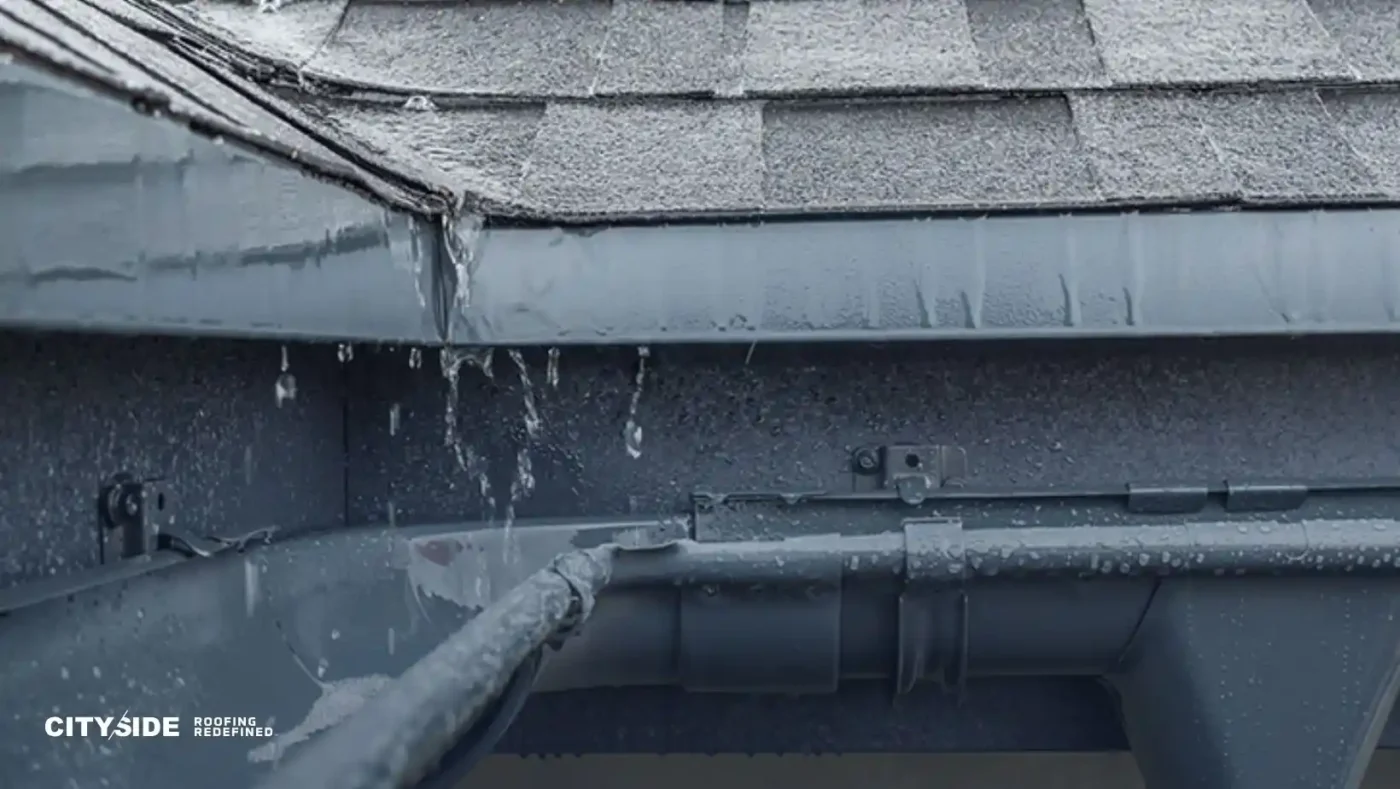
According to guidance published by the Federal Emergency Management Agency, proper roof drainage design including correctly sized scuppers is essential to prevent excessive roof loading during heavy rainfall events and to reduce the risk of structural failure. FEMA emphasizes that inadequate drainage capacity is a common contributor to roof collapses during extreme weather conditions.
What Are Roof Scuppers and Why Do They Matter?
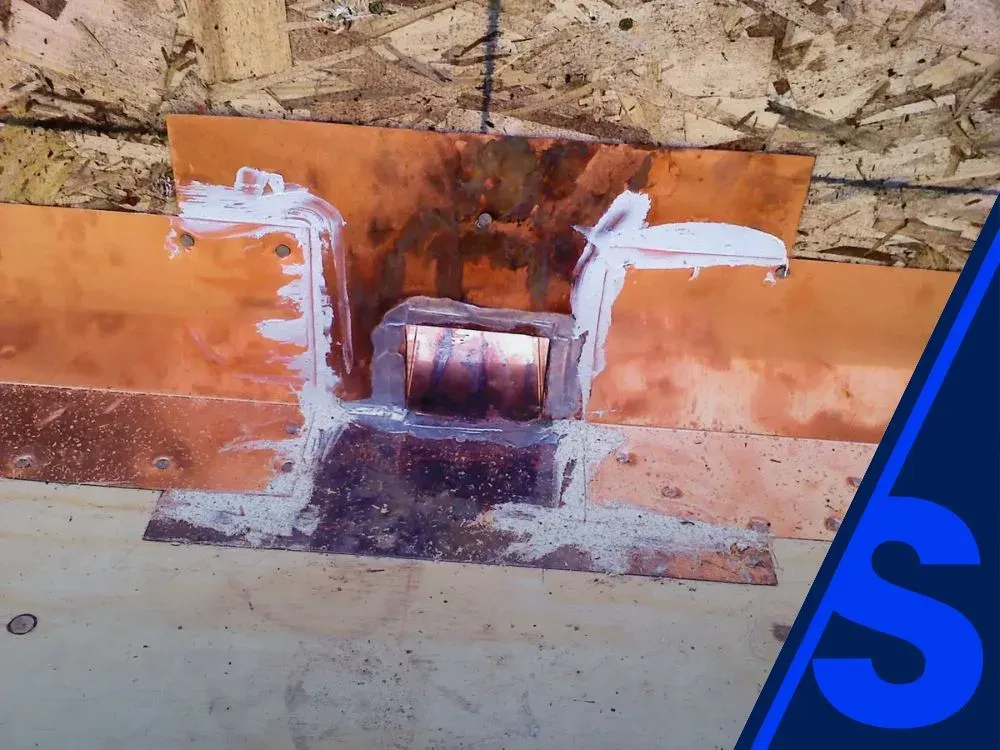
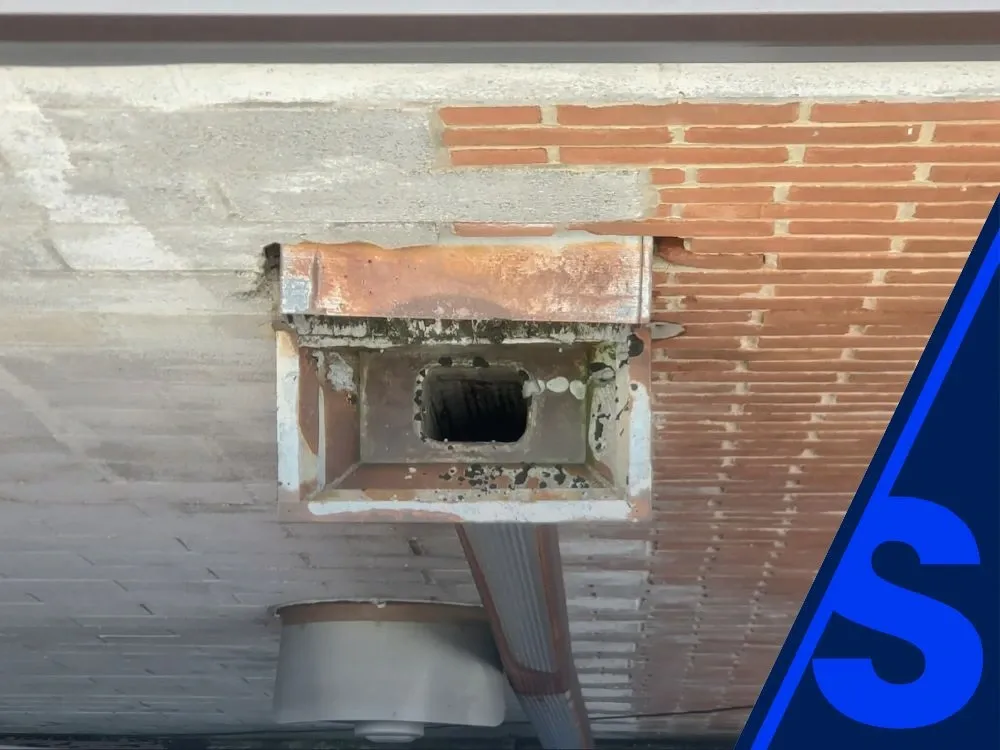
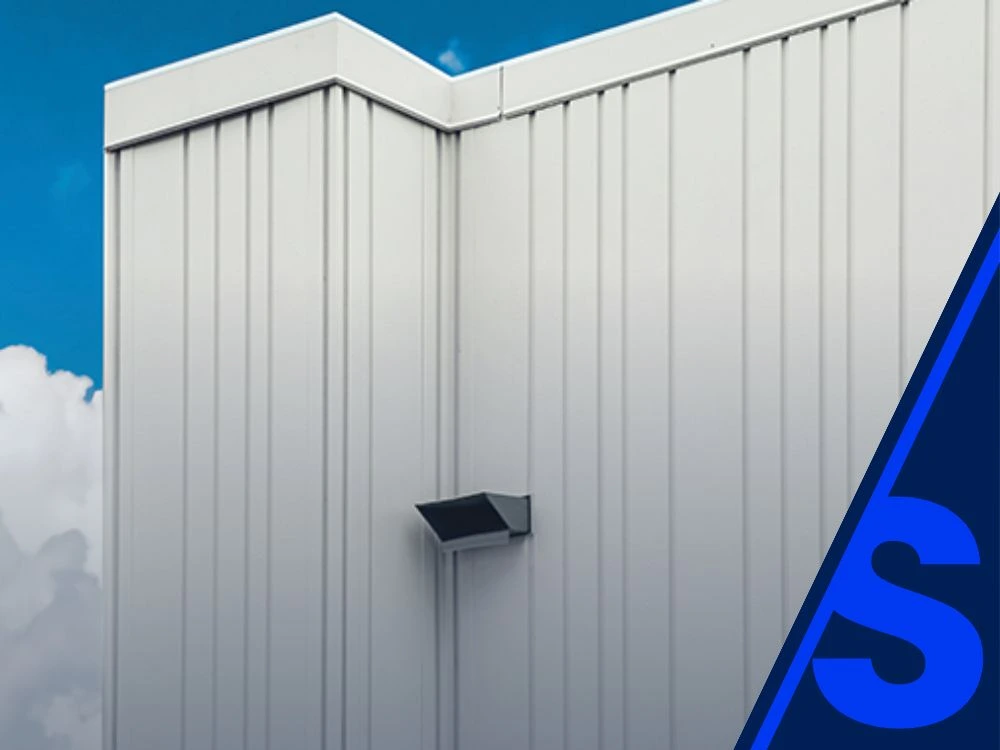
A roof scupper is an opening in a parapet wall or roof edge designed to allow water to drain off the roof surface. Scuppers are commonly used on flat or low-slope roofs and can discharge water directly to the exterior or into a leader pipe connected to the storm drainage system.
Scuppers matter because they provide a predictable and visible drainage path. Unlike internal roof drains that rely on piping beneath the roof structure, scuppers allow water to exit the roof horizontally, reducing the risk of concealed blockages. When properly designed, scuppers help prevent water accumulation that can compromise roof membranes and structural components.
Understanding Scupper Sizes and Drainage Capacity
Scupper sizes directly influence how much water can be removed from a roof during a rain event. If scuppers are undersized, water may pond faster than it can drain, increasing the load on the roof and stressing the membrane and deck.
Drainage capacity is typically calculated using the roof area served by each scupper and the design rainfall rate for the project location. The larger the roof area and the higher the rainfall intensity, the larger the scupper opening must be. Many designers underestimate scupper sizes by relying solely on minimum code dimensions rather than performance-based calculations.
How Rainfall Rates Impact Scupper Sizing
Rainfall rates vary significantly by region, and local codes often reference historical rainfall data to establish design criteria. In high-rainfall climates, scuppers must be sized to accommodate intense downpours without allowing water levels to exceed safe limits.
Design rainfall is often expressed in inches per hour and represents a worst-case scenario rather than an average storm. Scupper sizing must account for this peak rate, especially on large roof areas where water can accumulate quickly. Failure to design for local rainfall conditions can lead to overflow, interior leaks, and structural distress.
Minimum Scupper Dimensions and Code Requirements
Most building codes establish minimum scupper dimensions to ensure a baseline level of performance. A commonly referenced minimum size is 4 inches by 4 inches, but this is not intended to be a one-size-fits-all solution.
Codes also require scuppers to be placed at specific heights above the roof surface, particularly for overflow scuppers. These secondary openings act as a fail-safe if primary drains become blocked. The vertical distance between the roof surface and overflow scupper opening is carefully regulated to limit water depth and roof loading.
Scupper Placement Strategies for Effective Drainage
Proper placement is just as important as proper sizing. Scuppers should be located at the lowest points of the roof to encourage natural water flow toward the openings. Roof slope, deflection, and construction tolerances all influence where low points occur.
On parapet roofs, scuppers are often placed through the parapet wall, allowing water to exit laterally. On edge conditions without parapets, scuppers may be integrated into roof edges or combined with gutters. Strategic placement reduces ponding potential and improves the reliability of the drainage system.
Primary vs Overflow Scuppers
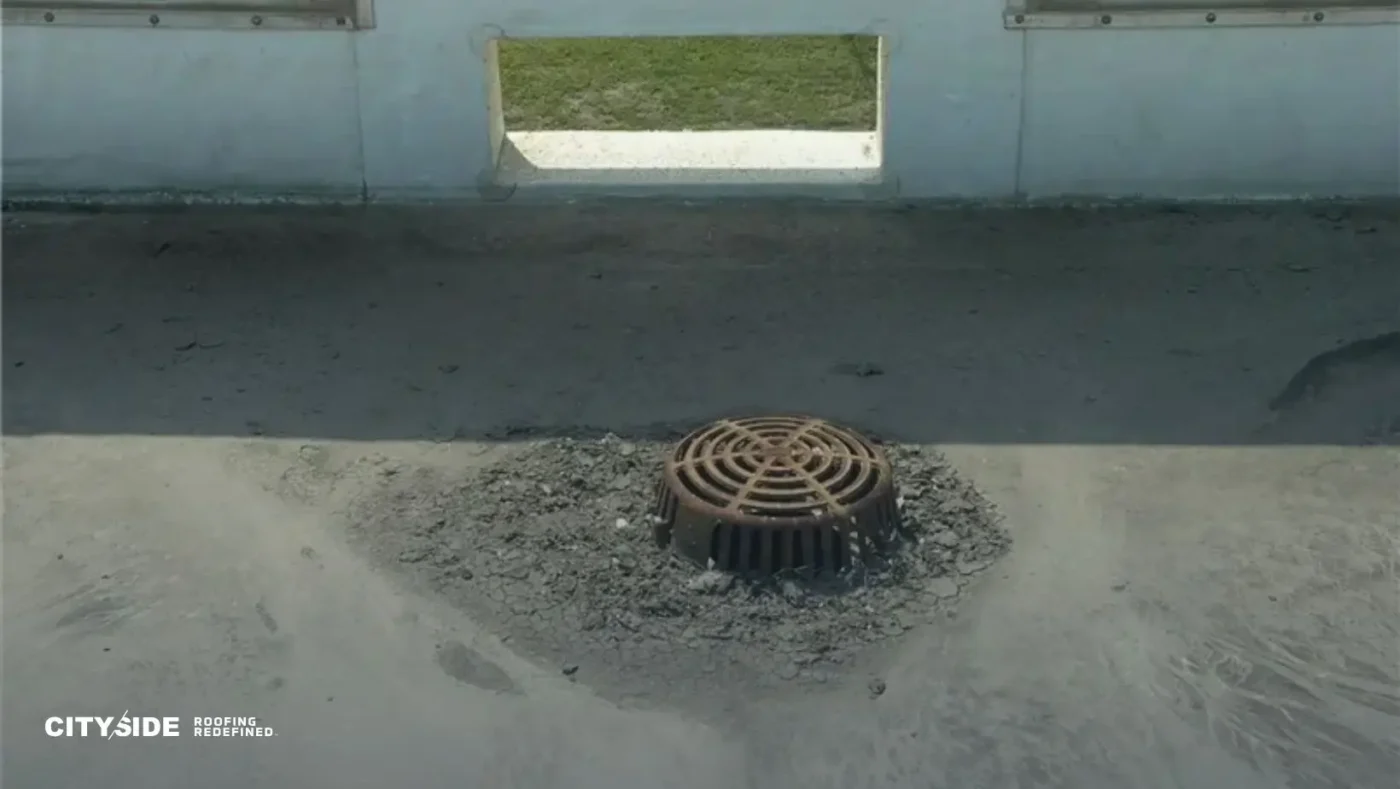
Primary scuppers are designed to handle normal rainfall events and are typically connected to leader pipes or discharge directly to grade. Overflow scuppers serve as a backup system in case primary drains or scuppers become clogged.
Overflow scuppers are intentionally set higher than primary drains. Their purpose is not daily drainage but emergency relief. Building codes require overflow scuppers to be sized and located so that water depth does not exceed structural design limits, even during severe storms.
Relationship Between Scuppers and Roof Drains
Scuppers and roof drains often work together as part of a comprehensive drainage strategy. Internal roof drains are effective for large roof areas but can be vulnerable to blockage if debris enters the system. Scuppers provide redundancy and visible confirmation that water is draining properly.
When combining systems, designers must ensure that scuppers do not interfere with the performance of internal drains. Hydraulic calculations should consider how water divides between drains and scuppers during various rainfall intensities.
Pipe Sizing for Scupper Drainage
When scuppers connect to downspouts or leader pipes, pipe sizing becomes a critical factor. Pipes that are too small can restrict flow and negate the benefits of properly sized scuppers.
Pipe diameter is determined by the drainage area served and the anticipated flow rate. Common pipe sizes range from 3 inches for small roof areas to 6 inches or larger for expansive roofs or high-rainfall regions. Smooth interior surfaces and proper slope help maintain flow efficiency.
Common Design Mistakes with Scupper Sizes
One of the most common mistakes is designing scuppers strictly to minimum code dimensions without evaluating actual drainage needs. Another frequent issue is placing scuppers without accounting for construction tolerances, which can result in unintended high points that trap water.
Inadequate coordination between architectural, structural, and roofing details can also lead to scuppers that are blocked by insulation, membrane buildup, or parapet finishes. These issues often only become apparent after water-related problems occur.
Material Considerations for Scuppers
Scuppers are typically fabricated from metal such as stainless steel, aluminum, or coated steel, though some systems use molded components. Material selection should consider corrosion resistance, compatibility with the roof membrane, and long-term durability.
Improper material selection can lead to premature failure at the scupper opening, which is already a high-risk area for water intrusion. Proper detailing and integration with flashing systems are essential to maintain watertight performance.
Maintenance and Inspection Implications
Even a well-designed scupper system requires periodic inspection. Debris buildup at scupper openings is a common cause of drainage failure. Leaves, construction debris, and roofing materials can obstruct flow if not addressed.
Designing scuppers with accessible openings and clear flow paths makes inspection and maintenance easier. Visibility is a major advantage of scuppers over concealed internal drains.
Designing Scuppers for Long-Term Roof Performance
Scupper design should be viewed as a long-term investment in roof performance rather than a checklist item. Proper sizing and placement reduce membrane stress, minimize standing water, and extend the service life of the roof system.
When scuppers are designed correctly, they also reduce liability by lowering the risk of water-related damage and structural overload. This is particularly important for large commercial or multi-unit residential buildings where roof failures can have significant consequences.
Integrating Scupper Design into Construction Planning
Early coordination between design teams and construction professionals helps ensure scuppers are built as intended. Shop drawings, field verification of slopes, and quality control inspections all play a role in successful implementation.
Late-stage changes or value engineering decisions that reduce scupper size or quantity can compromise drainage performance. Maintaining design intent throughout construction is essential for achieving optimal results.
Future-Proofing Roof Drainage Systems
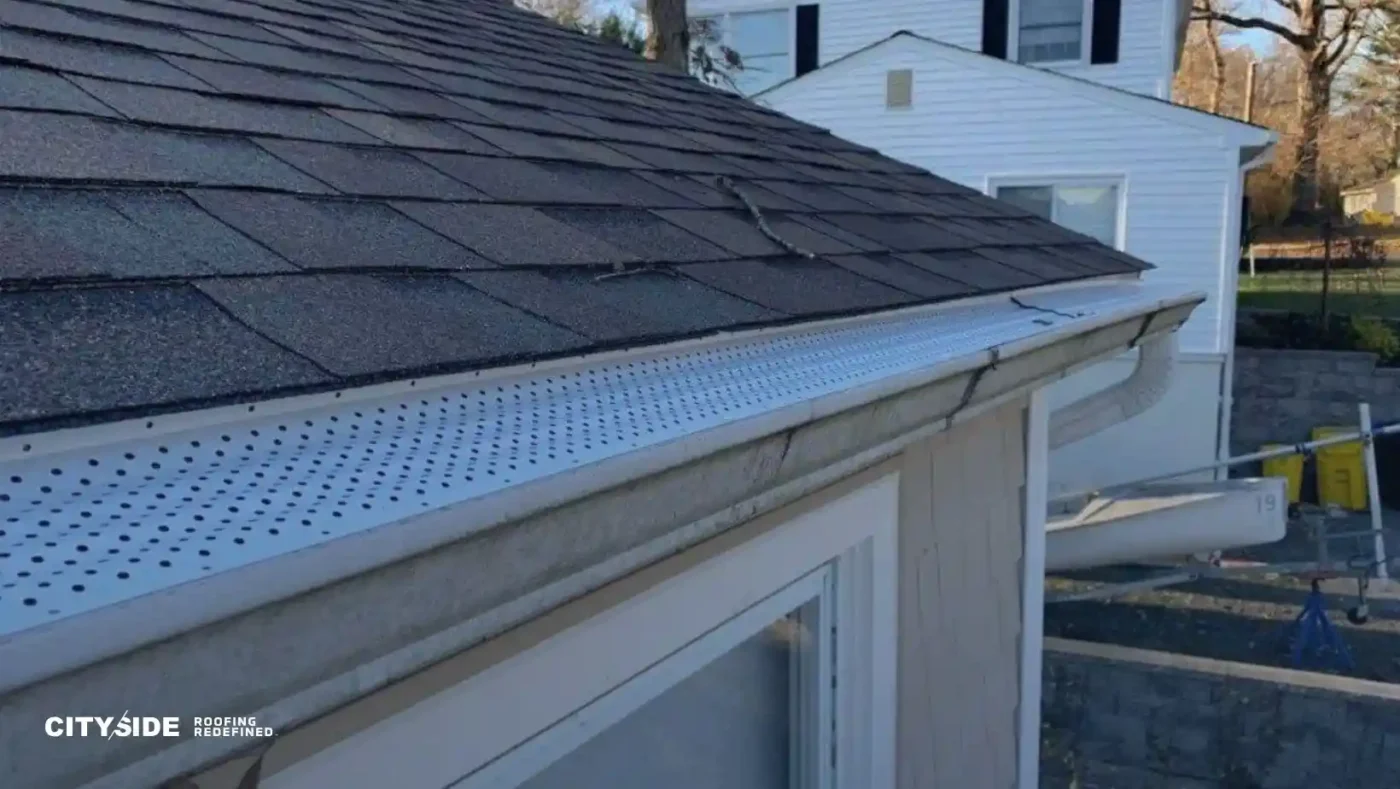
Climate patterns are changing, and many regions are experiencing more intense rainfall events than historical averages. Designing scuppers with additional capacity provides a margin of safety and helps future-proof roof drainage systems.
Oversizing scuppers slightly and including well-placed overflow openings can accommodate unexpected conditions without significant additional cost. This proactive approach improves resilience and long-term reliability.
Conclusion
Scupper sizes and placement are fundamental to effective roof drainage. Proper design requires more than meeting minimum code requirements. It demands an understanding of rainfall intensity, roof geometry, drainage paths, and long-term performance considerations.
By sizing scuppers based on actual roof area and local conditions, placing them strategically at low points, and integrating them with complementary drainage systems, builders and designers can significantly reduce the risk of ponding, leaks, and structural damage. Thoughtful scupper design is a cornerstone of durable, high-performing roof systems.
Key Takeaways
- Scupper sizes must be based on roof area and local rainfall, not just minimum code values
- Proper placement at roof low points is critical for effective drainage
- Overflow scuppers provide essential backup protection during extreme weather
- Pipe sizing and material selection directly affect drainage performance
- Well-designed scuppers extend roof life and reduce water-related risk
If you are planning a new roof system or reviewing drainage design for an upcoming project, consult with a qualified roofing professional early in the process to ensure scupper sizes and placement are optimized for performance, code compliance, and long-term durability.
Related Reading: