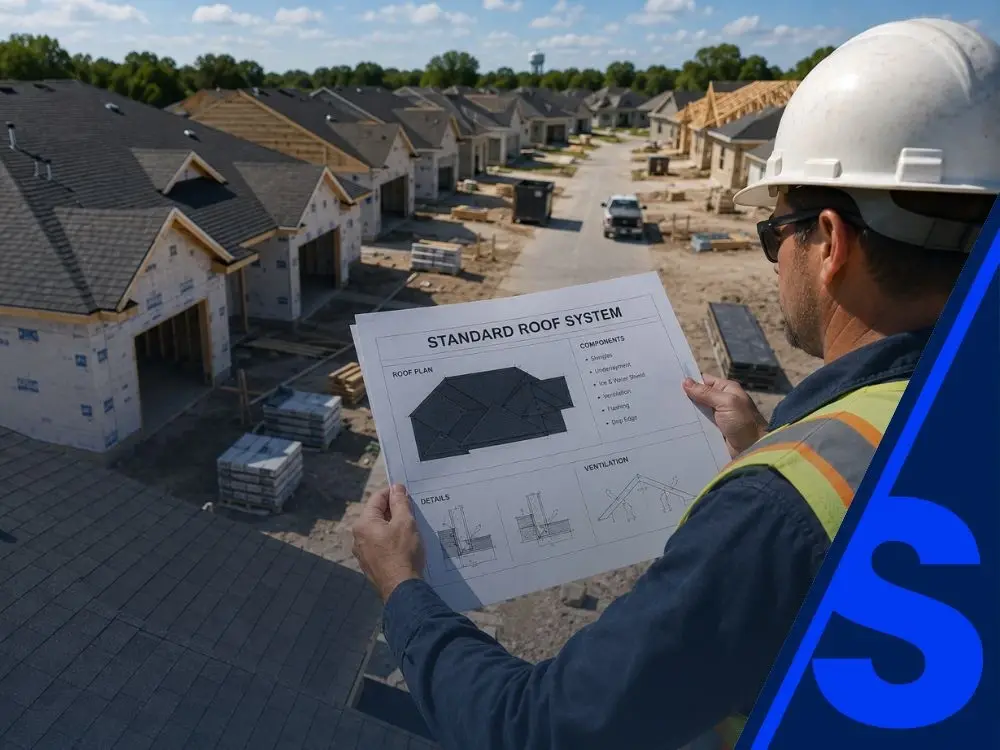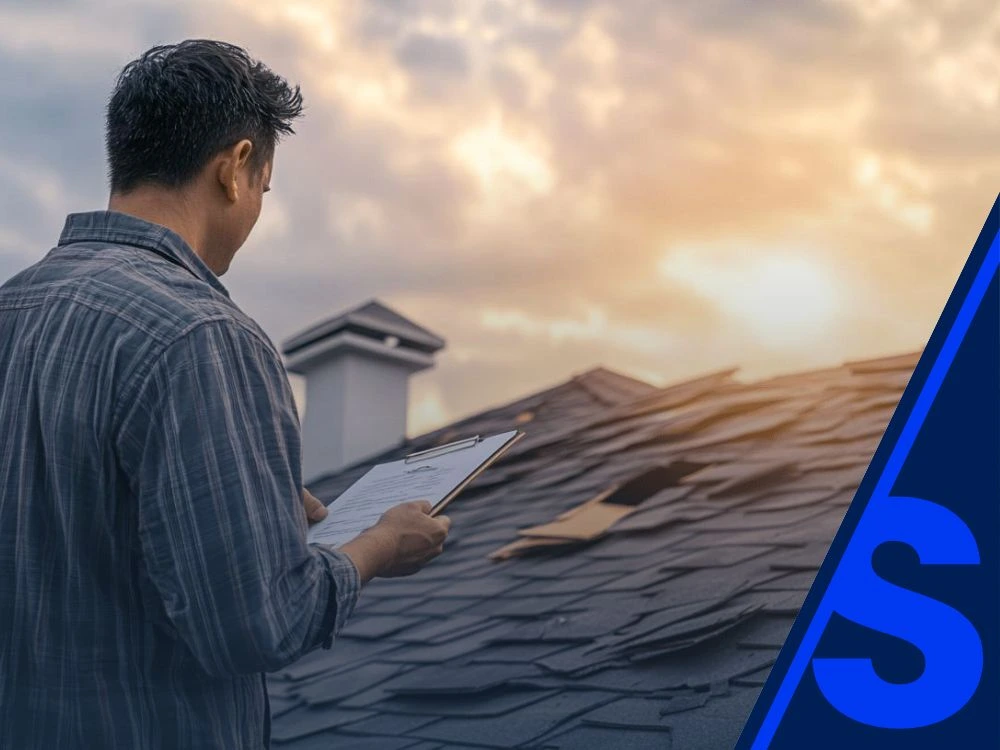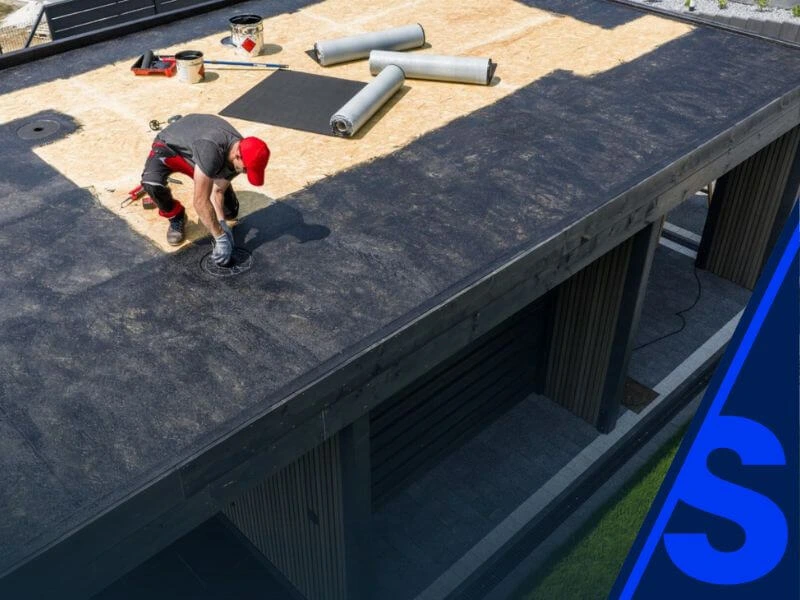
TPO is a durable and reflective membrane ideal for warm climates, especially Florida. EPDM is often cheaper upfront and more flexible, performing best in cold climates. TPO lasts about 15 to 25 years and may cost slightly more initially, but its energy savings and heat resistance help offset the difference. EPDM can last 20 to 30 years but relies on adhesives that require more maintenance and are vulnerable in hot, humid environments.
Which is better TPO or EPDM roof system?
TPO is generally better for warm climates, commercial settings, and new construction in Florida. EPDM is better for colder regions where UV intensity and humidity are lower.
Is EPDM more expensive than TPO?
EPDM is usually cheaper per square foot, but long-term maintenance costs in hot regions can make it more expensive overall.
What does a TPO roof mean?
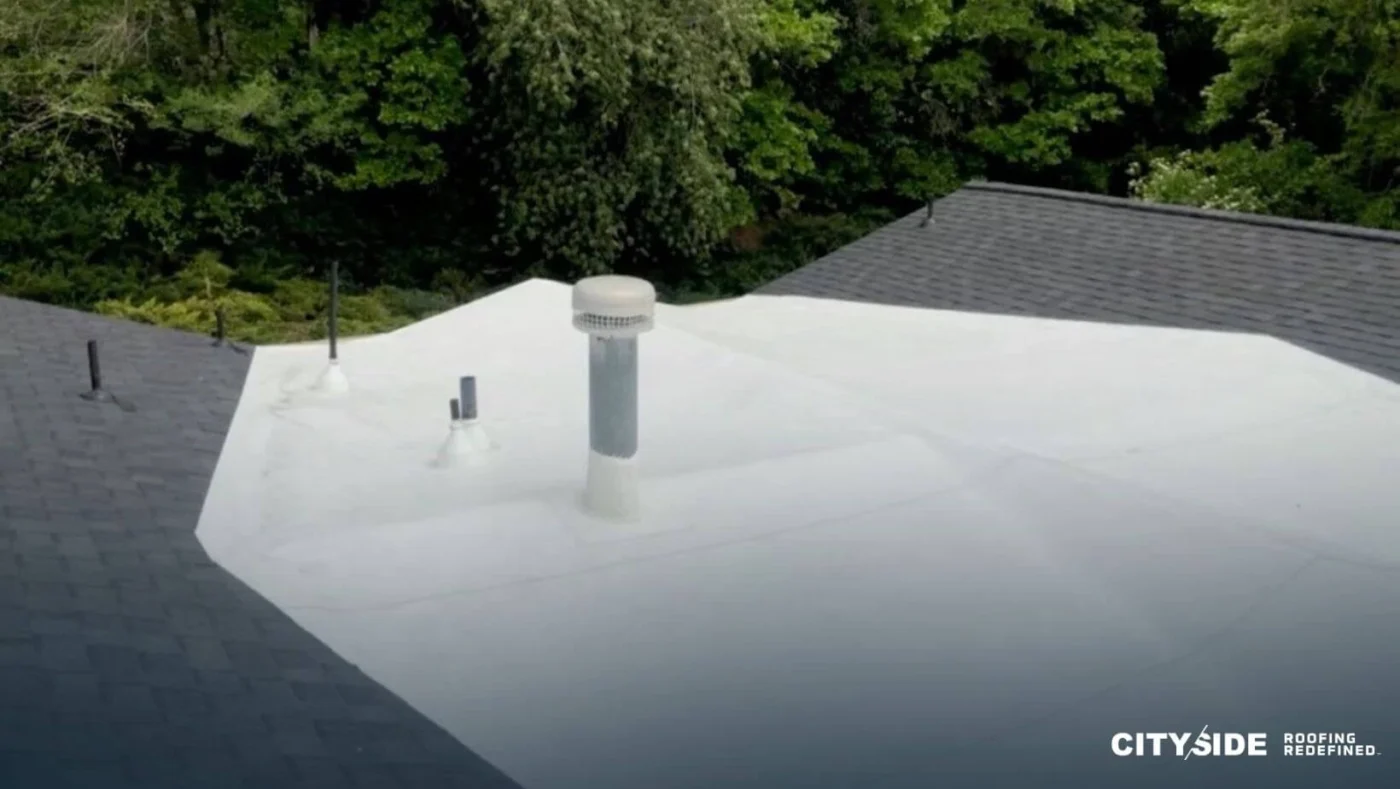
TPO stands for thermoplastic polyolefin. It is a single ply roofing membrane known for reflectivity, durability, and heat weldable seams.
What does a TPO roof cost?
TPO typically costs slightly more than EPDM but offers energy savings and lower long-term repair needs, especially in high heat zones.
According to the U.S. Department of Energy, reflective roofing membranes like TPO reduce heat absorption and help stabilize indoor temperatures in warm climates, which can lower cooling demand.
Source: https://www.energy.gov/energysaver/cool-roofs
Introduction
Builders in Florida face a unique challenge when selecting materials for low slope roof systems. They must balance cost, performance, heat resistance, and code compliance. The debate of TPO vs EPDM remains one of the most frequently discussed topics in low slope roofing, especially as production schedules, warranty requirements, and municipal inspections become more demanding. While both systems have their merits, Florida’s climate strongly favors TPO for durability, energy efficiency, and long-term cost control.
This guide breaks down the key differences between TPO and EPDM, explains what builders should prioritize for Florida projects, and outlines why most new construction teams choose TPO membranes for small low slope roof sections, porches, patios, and multi-unit structures.
Understanding the Basics of TPO vs EPDM
TPO and EPDM are both single ply membranes used in low slope roofing, but they behave very differently. TPO is a heat weldable thermoplastic, while EPDM is a flexible rubber membrane installed with adhesives or tapes. These installation differences affect durability, code approvals, and long-term maintenance.
Florida builders increasingly rely on TPO because it withstands UV exposure, humidity, and high surface temperatures better. EPDM remains common in northern states but struggles in climates with extreme sun intensity. Understanding these material fundamentals sets the stage for comparing performance, lifespan, and cost.
How Florida Climate Influences TPO vs EPDM Performance
Heat, UV exposure, and humidity heavily impact low slope roofs. Florida roofs regularly exceed 150 degrees in the summer, creating an environment where adhesives weaken and seams fail. Since EPDM relies on adhesive seams, its performance drops in high heat regions unless heavily maintained.
TPO, on the other hand, is mechanically fastened or fully adhered with heat welded seams that fuse into a monolithic layer. Welded seams outperform taped seams under Florida conditions and resist UV degradation more effectively. For this reason, many municipal inspectors in Florida prefer TPO for new construction.
Even small low slope sections on residential builds benefit from the heat resistance of TPO, especially when positioned near southern exposures.
Lifespan Comparison: How Long Do TPO and EPDM Roofs Last?
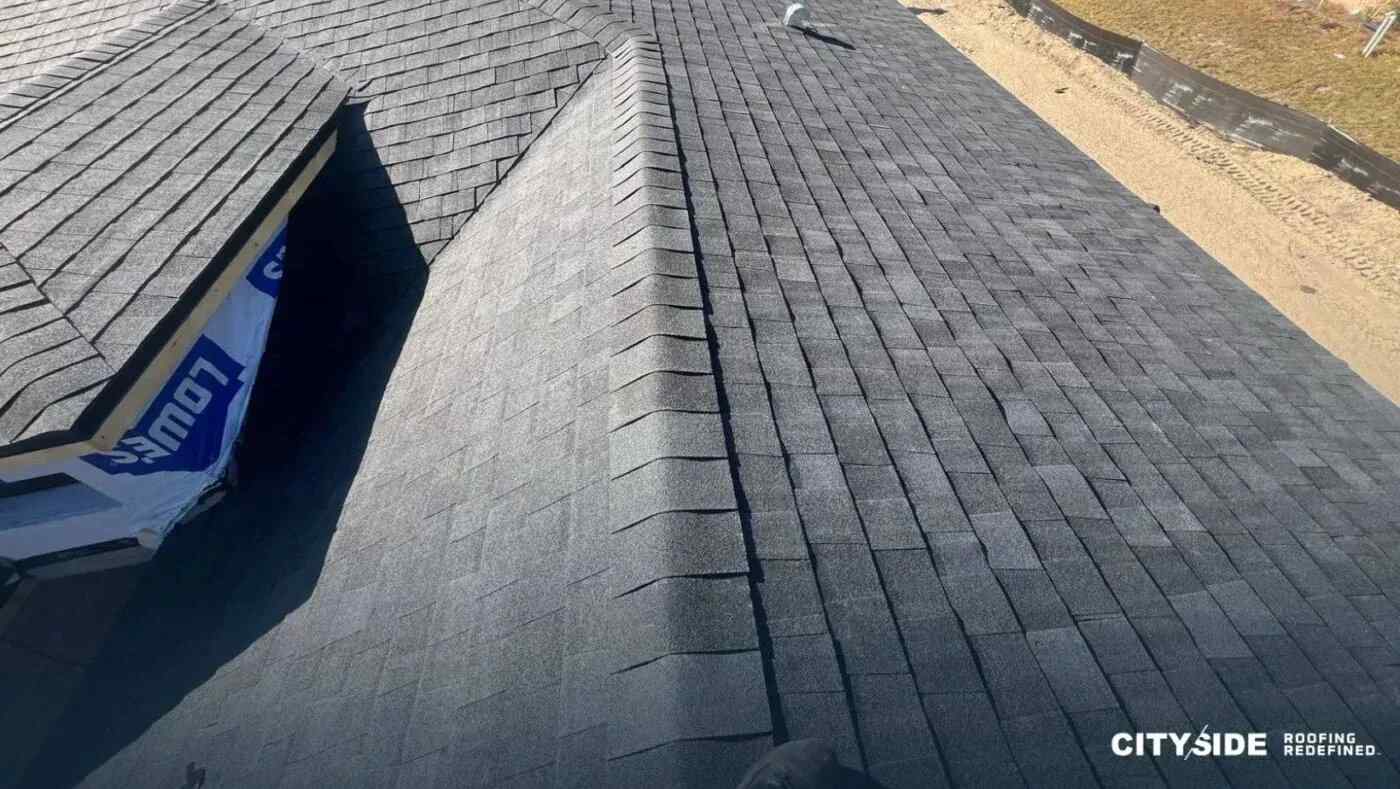
Under moderate climate conditions, EPDM commonly lasts 20 to 30 years. However, in Florida’s high humidity and UV exposure, this lifespan shortens significantly unless maintenance is frequent and proactive.
TPO typically lasts 15 to 25 years, depending on the brand and installation method. While this appears similar to EPDM on paper, TPO tends to maintain performance better in hot climates. Its reflective surface also reduces thermal cycling, which can extend membrane life.
Some builders lean toward EPDM for its inherent longevity in northern states, but for Florida new construction, the real world lifespan often favors TPO due to lower seam failure rates.
Installation Differences That Matter for Inspectors
One of the biggest differences between TPO and EPDM is how seams are joined. TPO seams are welded, forming a strong bond that passes inspection more reliably. EPDM seams rely on adhesives, which inspectors scrutinize more closely in regions with high humidity.
TPO also integrates better with Florida’s code requirements for energy efficiency and reflectivity. White TPO membranes often meet cool roof criteria without requiring additional coatings.
Because EPDM is not reflective and absorbs heat, builders may face difficulties meeting energy code baseline requirements without adding separate coatings or insulation enhancements. TPO, on the other hand, naturally meets these performance targets.
Cost Comparison: TPO vs EPDM for Builders
EPDM is typically cheaper per square foot. Its material cost is lower, and it has fewer specialty tools for installation. However, when building in a climate as demanding as Florida, long-term costs matter more than upfront savings, especially when considering the cost for builder projects in Florida.
TPO may cost slightly more initially, but reduced cooling costs, extended durability, and fewer repairs help offset the difference. Unlike EPDM, TPO does not require frequent seam maintenance or additional UV protection. Builders managing production timelines often choose TPO because consistent results reduce callbacks. Even small savings in warranty work can outweigh marginal differences in material pricing.
Energy Efficiency: Why TPO Excels in Hot Regions
TPO is highly reflective, which means it bounces sunlight away from the roof rather than absorbing it. This lowers attic and interior temperatures and reduces strain on AC systems. In Florida’s climate, cooling load reduction is a major cost advantage.
EPDM, being dark and absorptive, heats up significantly. This may be beneficial in cold climates where heat retention is desirable, but it adds considerable energy consumption in warm regions.
The high reflectivity of TPO also aligns with cool roof standards such as those recommended by the Department of Energy and many Florida building jurisdictions. Builders benefit from easier compliance and predictable thermal performance.
Durability and Resistance to Florida Weather Conditions
Florida weather brings intense sun, sudden storms, and high humidity. TPO performs well under these conditions because welded seams resist uplift and moisture intrusion. The membrane is stiff enough to handle foot traffic, wind uplift, and fasteners without tearing.
EPDM is more flexible and can withstand low temperatures, but in Florida its softness becomes a drawback. UV degradation, adhesive failure, and heat expansion can weaken the membrane unless maintained regularly.
As a result, TPO’s durability profile makes it more suitable for production builders who need repeatable performance across multiple job sites.
Which System Is Best for Small Low Slope Areas?
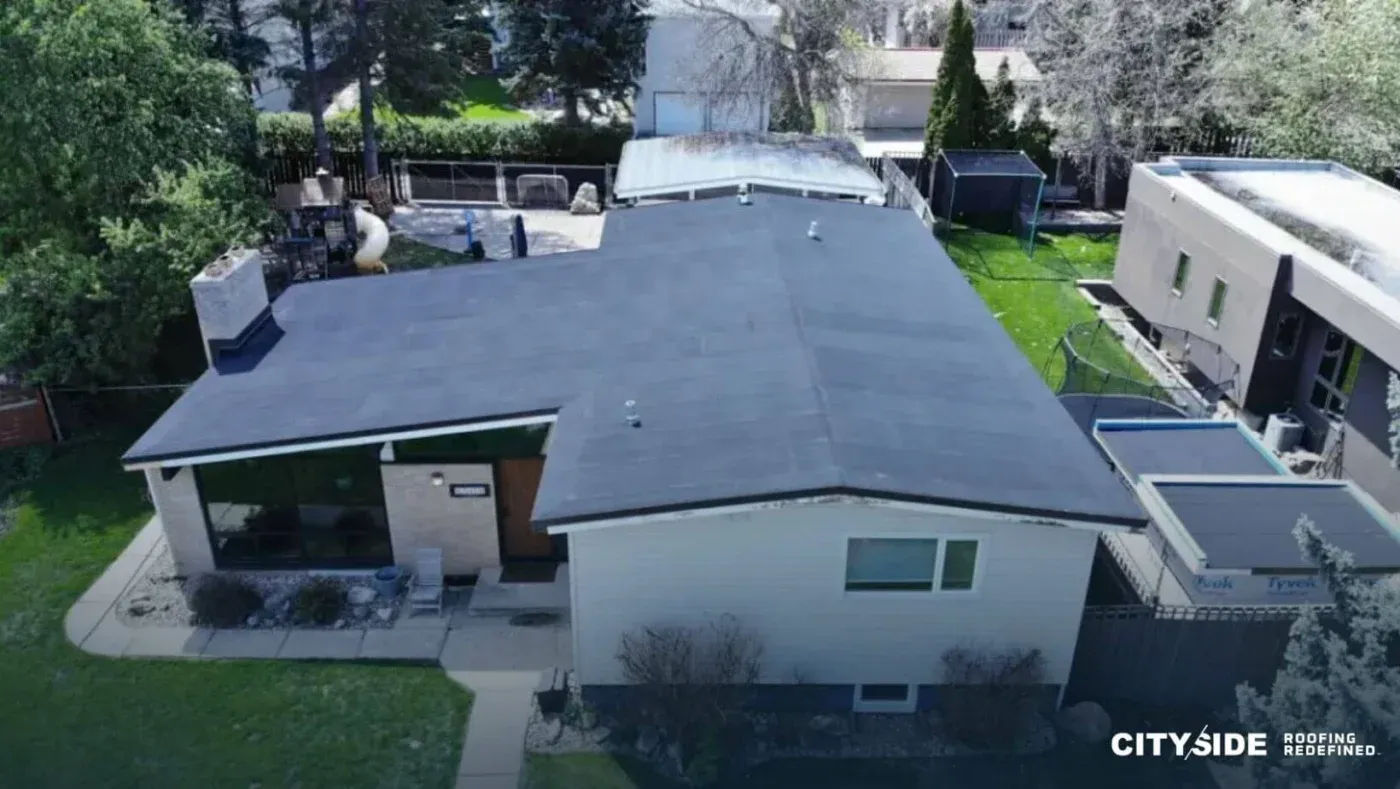
Small low slope roof sections such as porch roofs, low slope bedrooms, breezeways, and multifamily walkways demand a system that is quick to install, visually consistent, and low maintenance. TPO excels here because it welds cleanly and interfaces well with drip edge and mechanical fastening.
EPDM may wrinkle over time or experience adhesive uplift on small sections that receive direct Florida sun. For this reason, most Florida builders now specify TPO in construction documents for low slope residential and multifamily applications.
TPO’s bright appearance also provides a consistent finish that meets HOA and architectural expectations more easily than EPDM.
How CitySide Helps Builders Select the Right System
Choosing between TPO and EPDM is not just about material performance. It is also about scheduling, labor skill sets, warranty support, and municipal inspection requirements. CitySide works with builders to ensure the right membrane is used for the right application, especially on small low slope areas where improper membrane selection can lead to persistent callbacks.
By focusing on system compatibility, local code compliance, and builder workflows, CitySide helps project teams avoid costly mistakes and install the most efficient flat roof solution for Florida’s climate.
Summary: Key Points to Remember
- TPO outperforms EPDM in hot, humid climates like Florida.
- EPDM is cheaper upfront but requires more maintenance in high heat.
- TPO’s reflective surface reduces energy costs and meets code requirements more easily.
- Welded seams on TPO are stronger and more reliable for Florida inspections.
- EPDM performs best in cold climates, not Florida.
- Builders prefer TPO for consistent installation quality and fewer callbacks.
- CitySide assists builders in choosing the correct system for small low slope projects.
For help choosing the right low slope roofing system for your next build, contact CitySide Roofing today.
Related Reading: