The main roofing styles include the gable and hip roofs, which are common and structurally sound, as well as the shed (a single slope), gambrel (like a barn roof), and mansard (a multi-paneled roof). Other styles include the butterfly and Dutch roof, each offering a unique aesthetic and set of practical advantages.
For builders, understanding roofing system types is about performance, cost efficiency, and long-term client satisfaction. Every roof type serves a specific structural, aesthetic, and functional purpose. Whether constructing residential homes or commercial buildings, the chosen roof impacts drainage, energy efficiency, code compliance, and even resale value.
Florida builders, in particular, must balance hurricane-resistant designs with ventilation and insulation requirements. Knowing how each roofing system performs in this climate helps reduce callbacks and ensures that projects pass inspection while meeting client expectations.
Gable Roof Systems: The Classic and Most Versatile
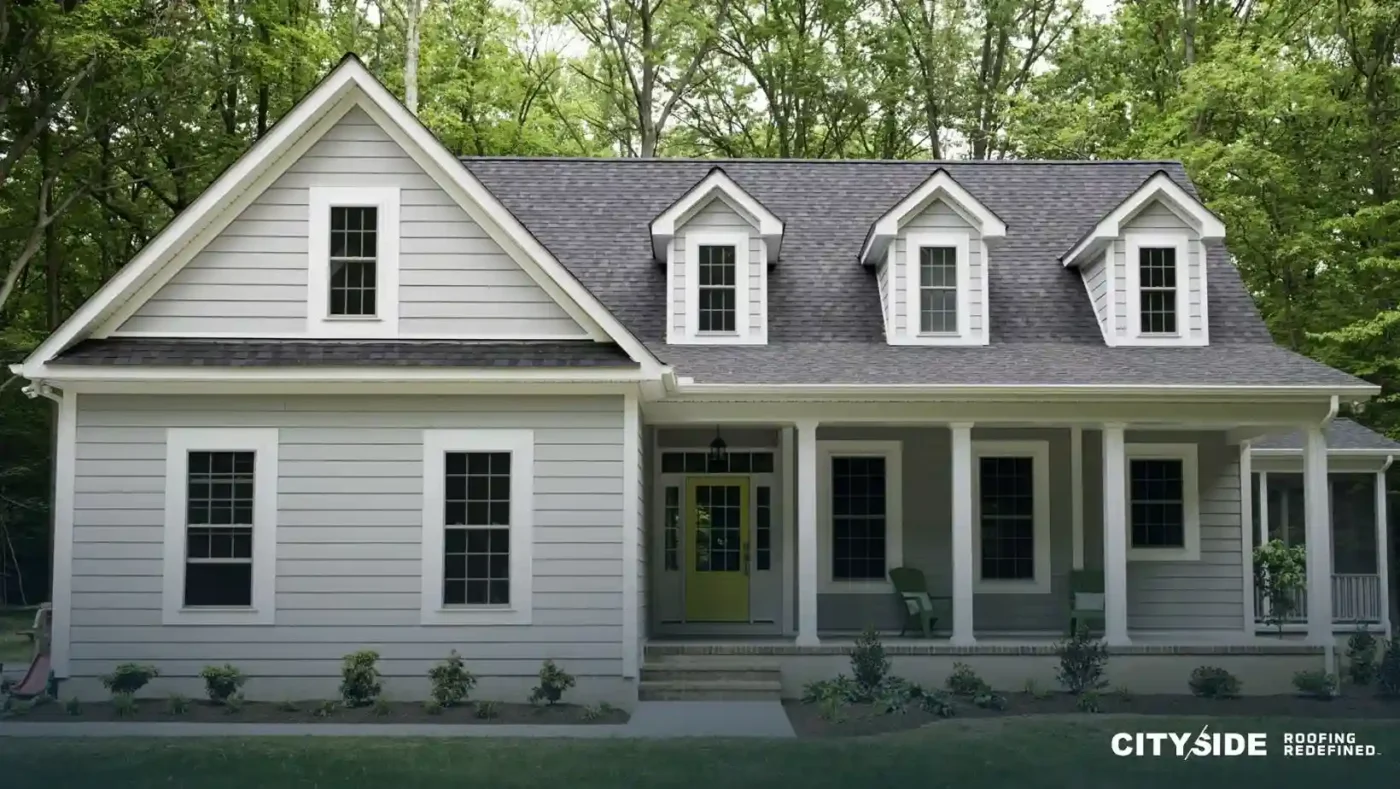
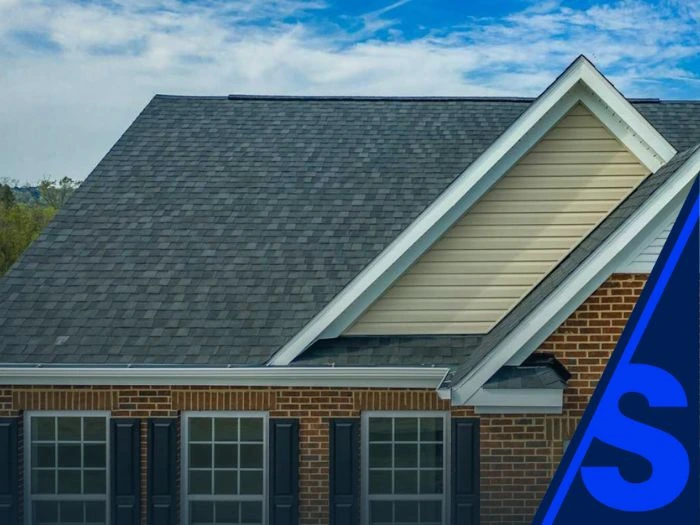
The gable roof is one of the most recognizable and widely used roofing system types. It features two sloping sides that meet at a ridge, creating a triangular shape on each end. Builders favor this design for its simplicity, cost efficiency, and effective water runoff.
A gable roof provides excellent attic ventilation and allows for easy installation of attic fans, vents, and insulation. Its steep pitch helps prevent water pooling and withstands moderate wind loads. However, in high-wind areas like coastal Florida, reinforced framing and bracing are critical to prevent uplift.
Because of its adaptable design, the gable roof fits nearly all architectural styles-from traditional homes to modern builds-and allows flexibility in roofing materials, including asphalt shingles, metal panels, or tiles.
Hip Roof Systems: Balanced, Durable, and Wind-Resistant
A hip roof slopes on all four sides, converging at the top to form a ridge or point. This structure is inherently more stable than a gable roof, making it ideal for high-wind zones. Hip roofs distribute wind forces evenly across the structure, reducing the likelihood of damage during storms.
Builders often choose hip roofs for their balanced look and added strength. They also perform well with roofing materials like clay tiles or metal panels, both common in Florida’s architectural landscape.
However, hip roofs can be more expensive due to additional framing complexity and higher labor requirements. Proper attic ventilation must be carefully designed since continuous ridge vents or off-ridge vents may be needed to ensure adequate airflow.
Shed Roof Systems: Simple, Modern, and Efficient
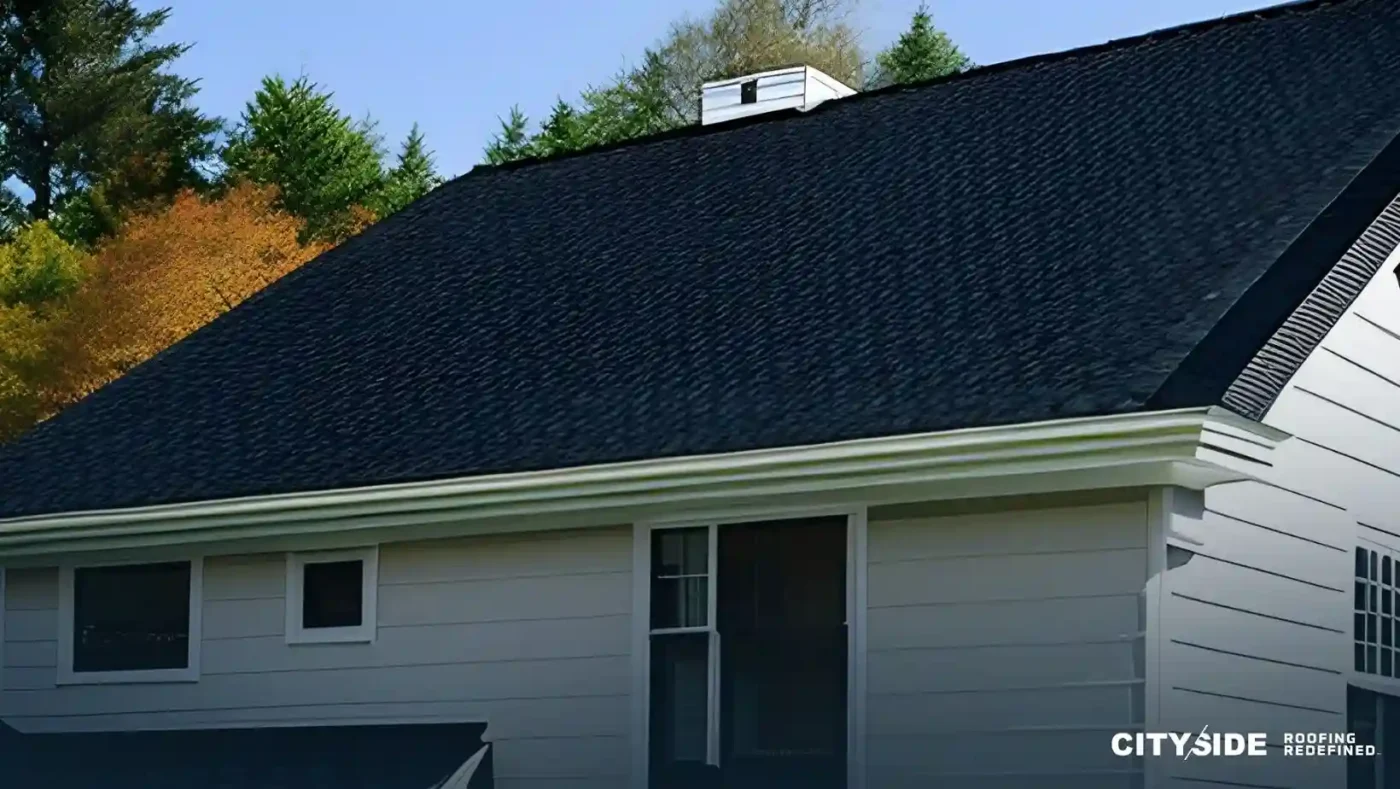
Shed roofs, also known as single-slope or skillion roofs, consist of one flat, inclined plane. This minimalist design is increasingly popular in modern and commercial construction because of its simplicity and ability to handle solar installations.
Builders appreciate shed roofs for their cost-effective framing and easy drainage. When oriented properly, they also allow for energy-efficient solar panel integration, taking advantage of direct sunlight exposure.
However, shed roofs require precise drainage planning, especially in high rainfall regions. Improper slope or undersized gutters can lead to water pooling and leakage. These systems are best suited for smaller buildings, additions, or contemporary architectural designs where sleek aesthetics are desired.
Gambrel Roof Systems: Classic Farmhouse Appeal and Spacious Attics
Gambrel roofs, recognizable from barn-style architecture, feature two slopes on each side. The lower slope is steeper, while the upper portion is shallower. This design provides ample attic or loft space, making it popular for storage or finished upper floors.
Builders value gambrel roofs for maximizing interior volume without increasing building height. They work particularly well for custom homes, garages, and rural-style properties. However, their open gable ends can be more vulnerable to wind damage unless properly reinforced with structural bracing and wind-resistant materials.
Maintenance and waterproofing are also key concerns, as the transition between slopes can accumulate debris if not designed with proper flashing and drainage.
Mansard Roof Systems: Elegant Multi-Paneled Design
The mansard roof, also known as a French roof, features four sides, each with two slopes. The lower slope is steep and often includes dormer windows, while the upper portion is nearly flat. This design offers excellent space efficiency, allowing builders to create additional living areas or attic rooms without altering the building’s footprint.
For builders, mansard roofs can enhance architectural appeal and property value, especially in urban projects or luxury developments. However, the flat upper surface requires proper waterproofing and drainage to avoid standing water. Using materials like metal or high-quality membranes can improve durability.
Mansard roofs are more complex to frame and construct, making them better suited for custom or high-end projects where aesthetics and space maximization outweigh construction costs.
Flat Roof Systems: Commercial Standard and Modern Versatility
Flat roofs are common in commercial, industrial, and some modern residential designs. Despite the name, flat roofs are built with a slight slope for drainage. They provide practical rooftop space for HVAC units, solar panels, or outdoor terraces.
Builders typically use materials like modified bitumen, TPO (thermoplastic polyolefin), or EPDM rubber membranes for waterproofing. These systems require regular maintenance to ensure drainage points remain clear.
In Florida’s humid climate, flat roofs must be carefully designed to prevent ponding and heat buildup. Adding reflective coatings or insulation layers can improve energy efficiency and longevity.
Butterfly Roof Systems: Modern Design with Functional Drainage
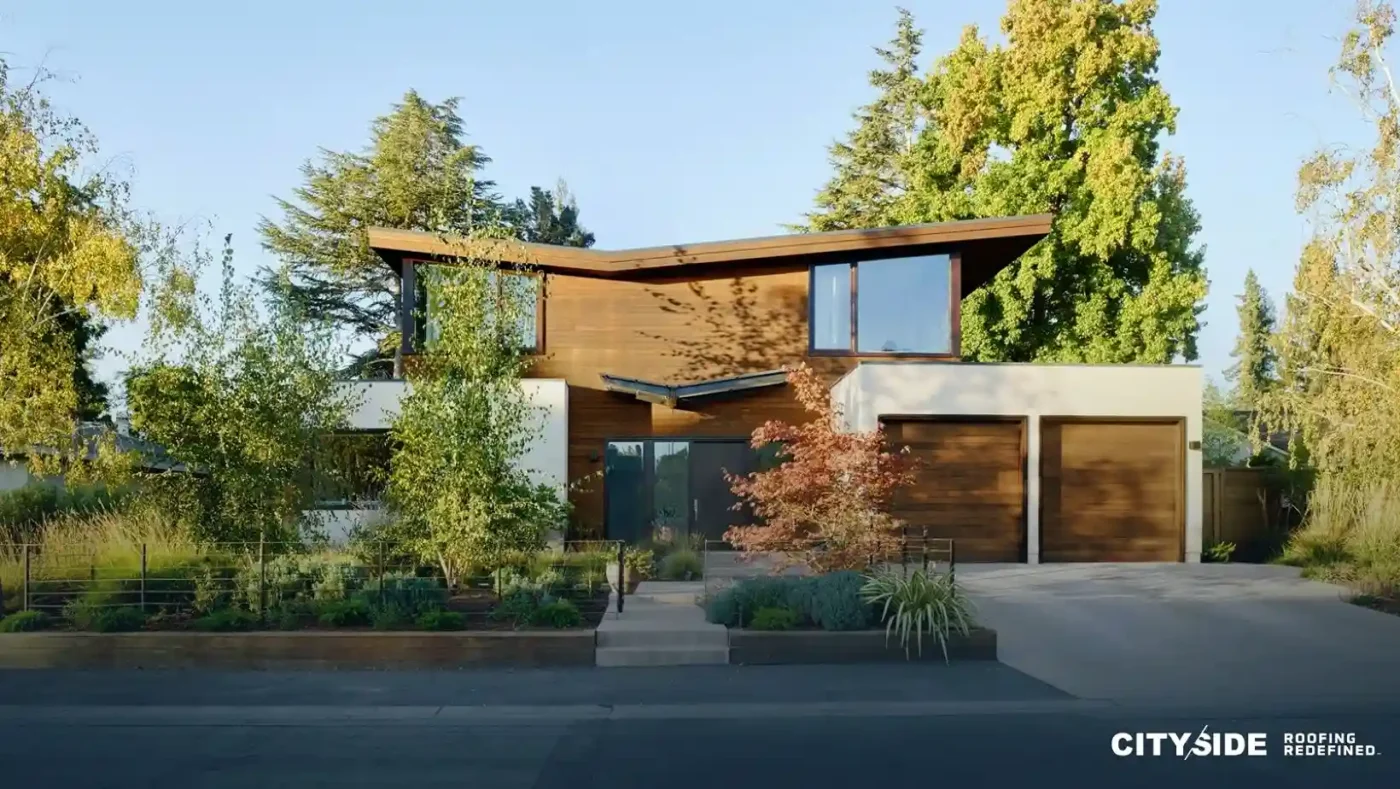
A butterfly roof features two slopes that angle inward toward the center, resembling the wings of a butterfly. This modern design creates a natural channel for rainwater collection and offers excellent opportunities for sustainable building practices, including rainwater harvesting systems.
For builders, butterfly roofs provide both aesthetic distinction and environmental function. However, they demand precise engineering to ensure water drains effectively and does not pool at the center joint. Waterproof membranes and reinforced gutters are essential.
Though less common in traditional builds, butterfly roofs are gaining traction in eco-friendly residential and commercial projects seeking modern architecture and sustainability.
Dutch Gable Roof Systems: The Hybrid Solution
The Dutch gable roof combines elements of gable and hip roofs, providing the structural stability of a hip design with the ventilation and attic space advantages of a gable. Builders often use this hybrid system for homes that require both curb appeal and functional performance.
This design also allows for decorative gable features, improving the building’s aesthetic without sacrificing wind resistance. For Florida builders, the Dutch gable offers a practical compromise between beauty and durability.
Proper vent placement and ridge cap detailing are key to maintaining balanced airflow while protecting against wind-driven rain.
Roof Materials and System Compatibility
Each roof type pairs best with specific materials, depending on slope, budget, and climate performance.
- Asphalt shingles: Ideal for gable and hip roofs due to affordability and easy installation.
- Metal panels: Excellent for shed, gable, and hip roofs; resistant to wind and reflective for energy efficiency.
- Clay or concrete tiles: Common in mansard and hip roofs, providing durability and aesthetic appeal in coastal climates.
- TPO or modified bitumen: Preferred for flat roofs due to waterproofing and UV resistance.
Builders should always confirm compatibility between the roof structure and chosen material to avoid warranty conflicts or structural issues.
Roofing Methods and Installation Practices
Roofing methods vary by slope and structure. For steep-slope roofs, overlapping materials such as shingles, tiles, or standing-seam metal panels are installed in successive layers. For low-slope or flat roofs, continuous membranes or torch-applied systems provide watertight protection.
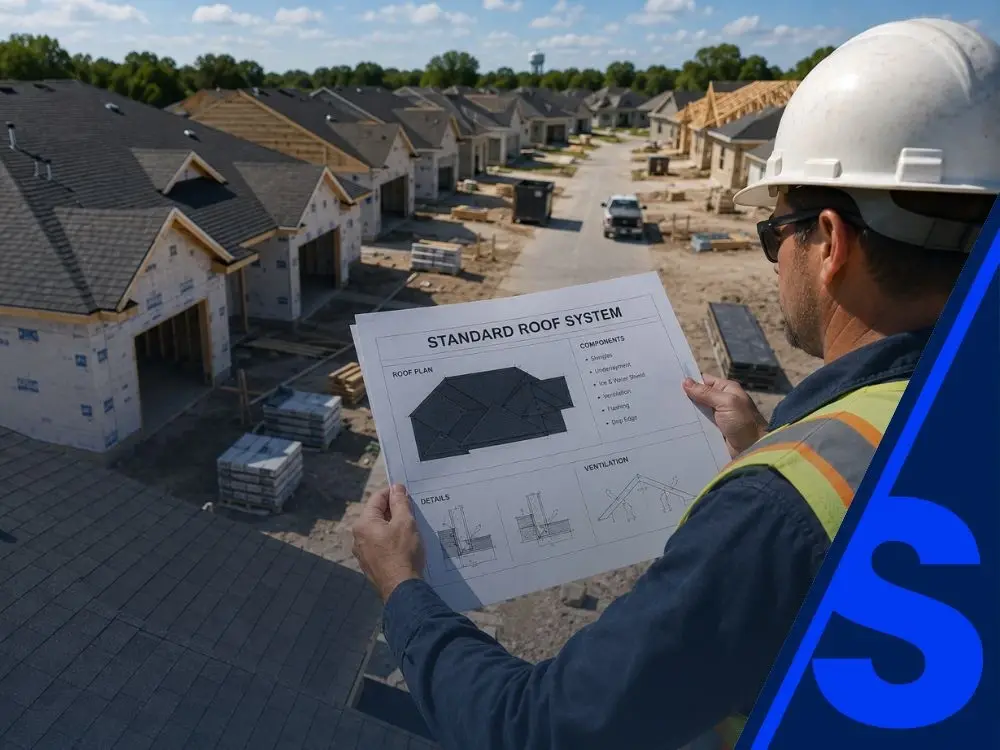
Ventilation and underlayment are essential across all roof types. In humid regions like Florida, builders must integrate ridge and soffit vents to maintain airflow, preventing attic heat buildup and condensation. Proper flashing, drip edges, and sealants further protect the system from wind-driven rain.
Choosing the Right Roofing System for Each Project
Selecting the right roofing system type depends on several builder-specific factors:
- Climate: Coastal regions demand wind-resistant systems like hip or metal roofs.
- Architecture: Contemporary homes may favor shed or butterfly roofs for modern appeal.
- Budget: Asphalt shingles and shed roofs offer lower initial costs, while metal and tile roofs provide long-term savings.
- Building Use: Commercial buildings typically use flat or low-slope roofing for functional space.
- Code Requirements: Florida Building Code mandates specific uplift resistance and underlayment details based on roof type and location.
By matching roof design to project needs, builders ensure both aesthetic value and performance longevity.
Common Mistakes Builders Should Avoid
Even experienced contractors can make errors when selecting or installing roofing systems. Key mistakes include:
- Choosing the wrong roof slope for the local climate.
- Using incompatible materials on complex roof designs.
- Neglecting ventilation or moisture barriers.
- Failing to account for expansion, contraction, or thermal movement.
- Overlooking inspection requirements for wind uplift and fastening patterns.
Thorough planning and compliance with manufacturer guidelines can prevent these issues and enhance project quality.
Conclusion
Understanding the different roofing system types helps builders make informed choices that meet design goals, budget limits, and code compliance. From gable and hip roofs to modern butterfly and mansard designs, each roof offers distinct structural and aesthetic benefits.
For Florida builders, the key is balancing performance and durability with local climate demands. A well-chosen roofing system reduces long-term maintenance, improves energy efficiency, and delivers lasting value to homeowners.
Key Takeaways:
- The five main roof styles are gable, hip, shed, gambrel, and mansard.
- Roof system choice depends on structure, climate, and project type.
- Material compatibility and ventilation are essential to roof longevity.
- Proper design and installation ensure energy efficiency and code compliance.
- Builders should balance cost, durability, and aesthetic appeal for every project.
For expert guidance on roof design, material selection, and code compliance in Florida projects, contact CitySide Roofing today to schedule a builder consultation.
Frequently Asked Question
What are the five main types of roof styles?
The five main types of roof styles most commonly used in construction are gable, hip, shed, gambrel, and mansard. Each offers different structural benefits, drainage capabilities, and design flexibility. Gable and hip roofs dominate residential projects, while shed and flat designs often serve commercial or modern architectural builds.
What are the three main types of roofing?
The three main types of roofing systems typically refer to asphalt shingle, metal, and tile roofing. These materials represent the most common categories based on cost, durability, and regional climate suitability. Asphalt shingles are affordable and easy to install, while metal and tile roofs provide longer life and superior resistance to Florida’s high heat and humidity.
What are roofing systems?
A roofing system is the complete assembly that protects a structure from weather and environmental elements. It includes the roof deck, underlayment, insulation, ventilation, flashing, and the outer covering material. Builders must consider both the roof’s structure and system components to ensure performance, energy efficiency, and code compliance.
What are the different types of roofing methods?
Different roofing methods refer to how the roof is designed and installed. These include steep-slope roofing, low-slope (flat) roofing, and specialty systems like green roofs or solar-integrated roofing. Builders choose methods based on architectural design, budget, and building code requirements.
Related Reading: