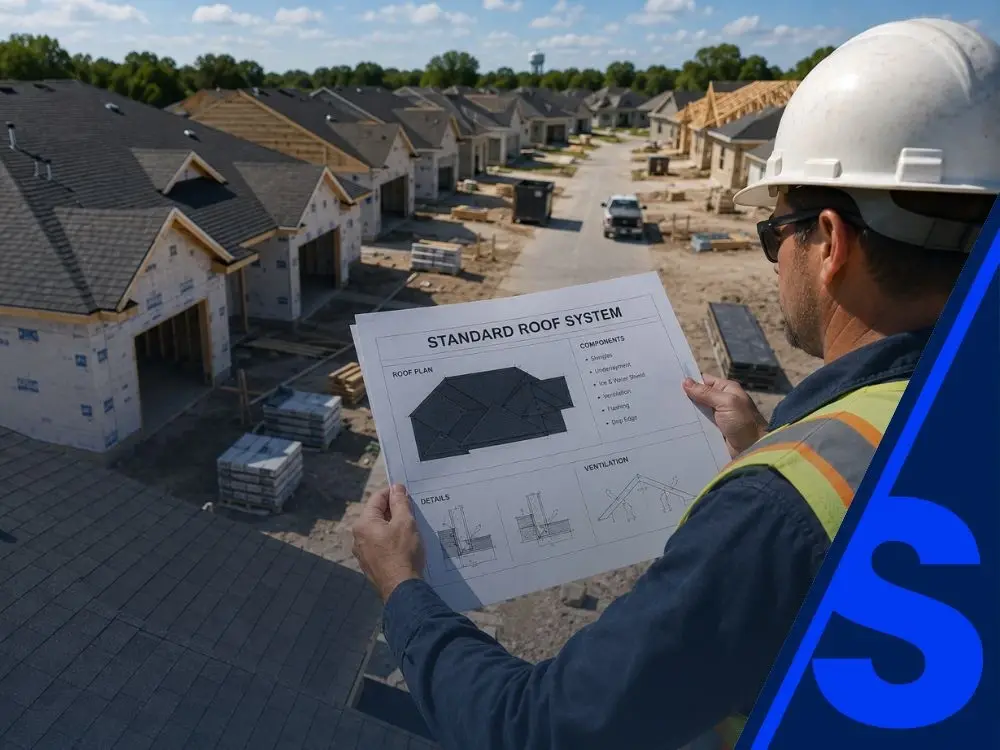
Roofing warranty management involves overseeing and maintaining the warranties on a roofing system to ensure long term performance and coverage. It requires tracking the two primary layers of protection: material warranties provided by manufacturers and workmanship warranties provided by installers. For home builders, effective roofing warranty management improves operational efficiency, supports quality control systems, reduces long term liability exposure, and strengthens trust between builders, roofing trade partners, and project stakeholders.
How does a roof warranty work?
A roof warranty works by defining what types of defects or failures are covered for a specific period of time. In new construction, builders typically manage two separate protections: manufacturer warranties covering roofing materials and workmanship warranties covering installation quality. Coverage often depends on proper installation, inspection compliance, and documented maintenance records.
What is the warranty management process?
The warranty management process includes registering warranties, documenting installation details, tracking inspection approvals, maintaining material records, processing claims, and resolving defects if issues occur. Builders use warranty management systems to improve accountability, reduce administrative confusion, and strengthen closeout documentation.
How to manage a roofing company?
Managing a roofing company in a builder-focused environment requires strong scheduling systems, quality control procedures, workforce coordination, safety compliance tracking, and clear communication with construction managers. Successful roofing operations also prioritize inspection readiness, documentation accuracy, and warranty management processes that align with builder production schedules.
What are the KPI for warranty management?
Key performance indicators for roofing warranty management include warranty claim frequency, response time to claims, inspection pass rates, documentation completeness, defect recurrence rates, and closeout accuracy. Builders often track these metrics to evaluate subcontractor performance and reduce long term warranty exposure.
Why Roofing Warranty Management Matters for Builders
For home builders, roofing warranty management is not simply a post-construction administrative task. It is a critical component of risk reduction, quality assurance, and long term operational efficiency.
In production building environments, roofing systems affect more than curb appeal. They influence moisture protection, structural performance, code compliance, and future warranty liability. A poorly documented roofing process or unclear warranty structure can create expensive disputes years after project completion.
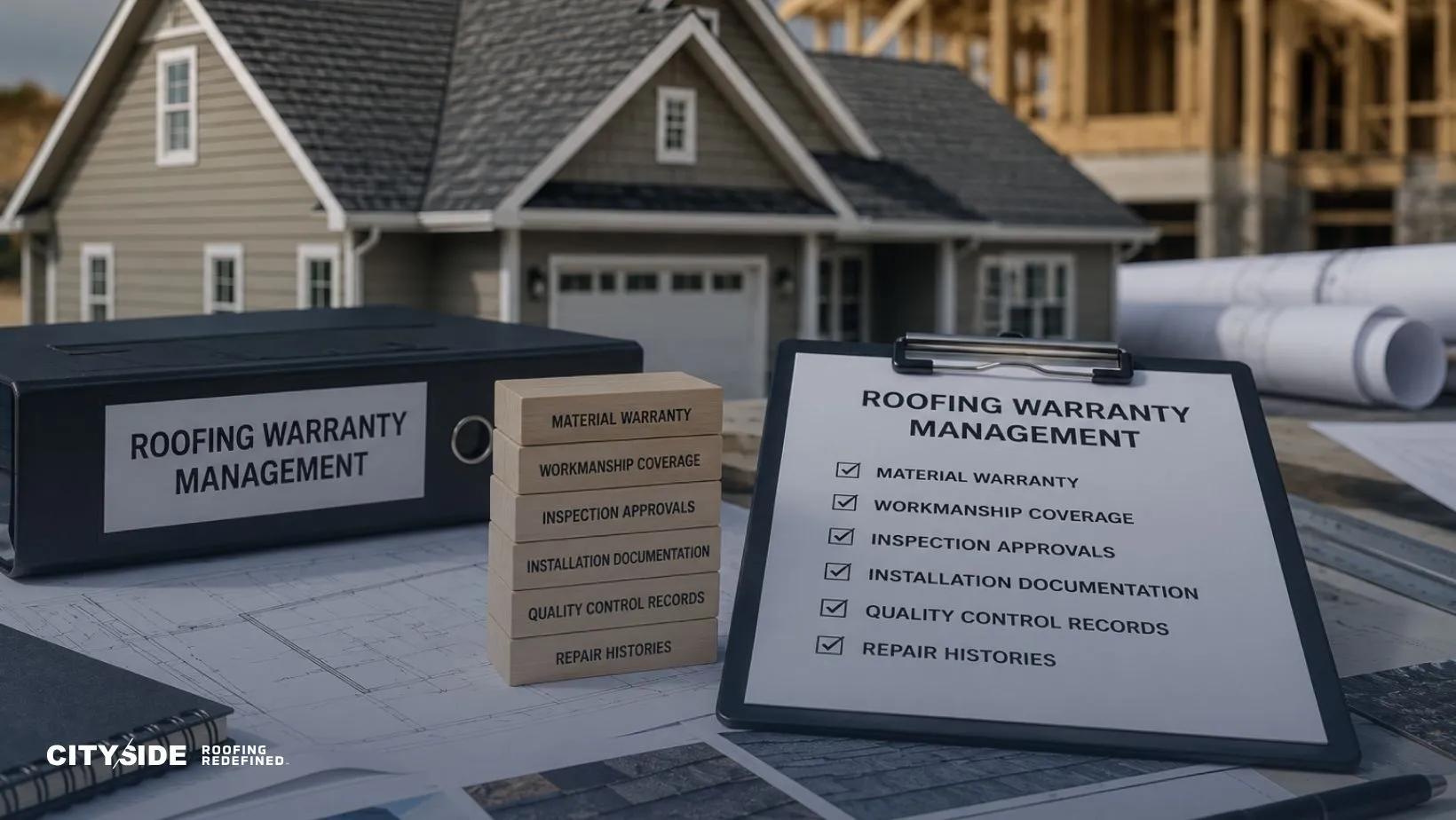
Builders managing multiple communities and large construction pipelines need transparent systems that track:
- material warranties
- workmanship coverage
- inspection approvals
- installation documentation
- quality control records
- repair histories
When these systems are fragmented or inconsistent, builders face increased exposure to warranty claims, delayed resolutions, and reputational damage.
According to the National Institute of Building Sciences, clear quality management and documented construction practices are essential for reducing lifecycle risk in building systems. Their guidance on building resilience and performance highlights the importance of traceable construction documentation and accountability in long term asset protection.
For builders, transparent roofing warranty management creates trust across the entire construction process while improving operational control.
Understanding the Two Core Layers of Roofing Warranty Protection
Roofing warranty management in new construction typically revolves around two major coverage categories.
Manufacturer material warranties
Material warranties cover defects related to roofing products themselves. These may include:
- premature material deterioration
- manufacturing defects
- product failures under normal conditions
- limited wind or weather performance guarantees
Coverage terms vary depending on:
- roofing material type
- installation requirements
- approved accessory use
- ventilation compliance
- contractor certification status
Builders working with a trusted Roofing trade partner in Florida benefit from improved material compliance and more reliable warranty registration processes.
Workmanship warranties
Workmanship warranties cover installation quality and labor related defects.
Typical workmanship coverage areas include:
- flashing installation errors
- improper fastening methods
- underlayment installation defects
- drainage integration failures
- installation sequencing mistakes
Unlike material warranties, workmanship warranties depend heavily on field execution quality and documentation consistency.
Why Transparent Warranty Management Builds Builder Confidence
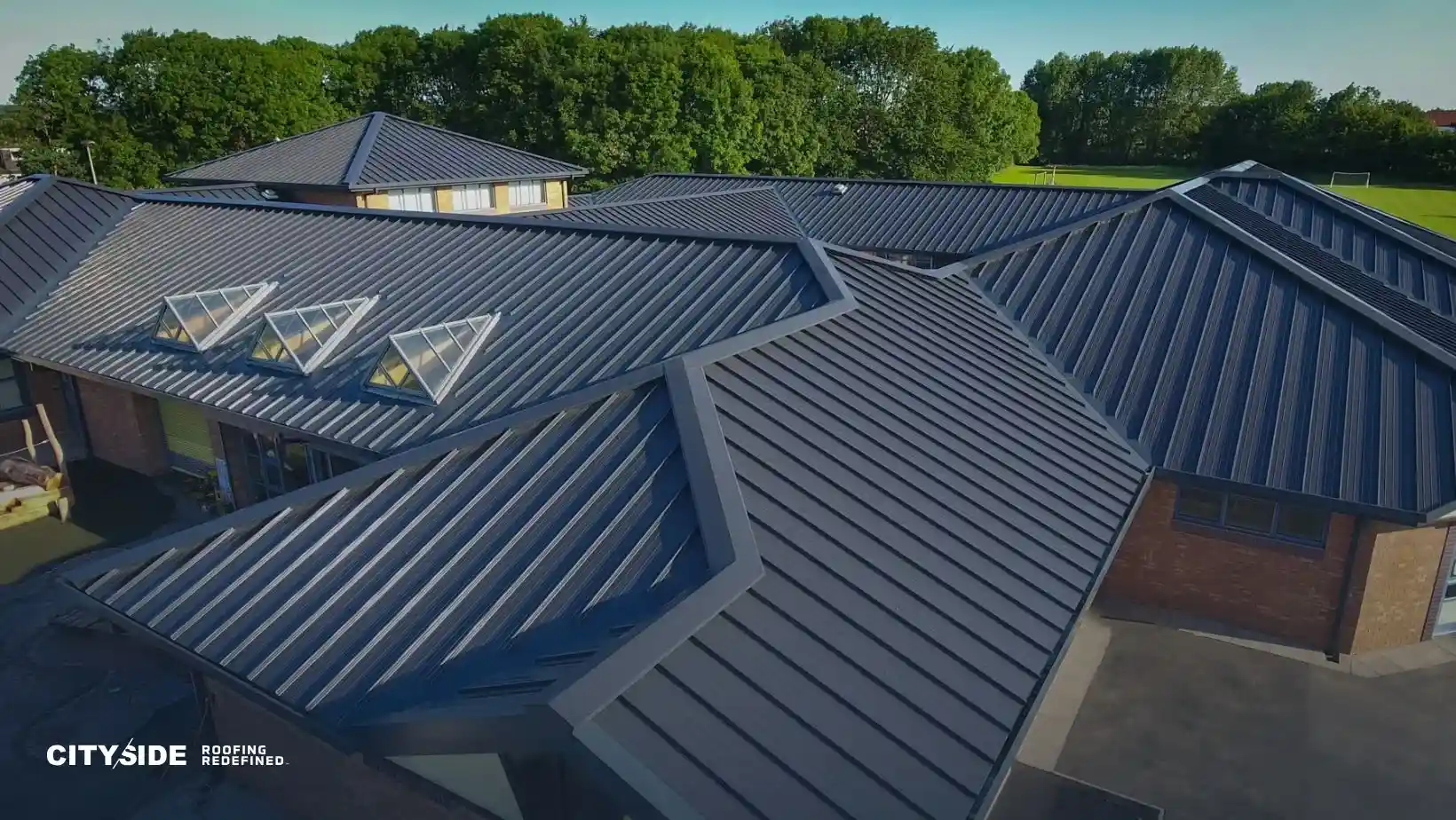
Builders rely on predictability. Warranty uncertainty creates operational and financial risk.
Transparent roofing warranty management helps builders by:
- reducing ambiguity in coverage responsibilities
- documenting installation quality clearly
- improving claim response timelines
- strengthening subcontractor accountability
- reducing future litigation risk
When roofing systems are documented thoroughly from installation through closeout, builders gain confidence that future issues can be resolved quickly and fairly.
A professional Roofing company in Florida that prioritizes documentation transparency becomes a strategic construction partner rather than simply a subcontractor.
The Role of Documentation in Roofing Warranty Management
Documentation is the foundation of effective warranty management.
Without proper records, builders may struggle to determine:
- whether installation followed manufacturer requirements
- if inspections were completed properly
- which materials were used on specific lots
- who performed the installation work
- whether repairs or modifications occurred later
Critical warranty documentation checklist
Documentation Type | Purpose | Warranty Value |
Material batch records | Tracks installed products | Verifies manufacturer compliance |
Inspection approvals | Confirms code compliance | Supports claim validation |
Installation photos | Documents workmanship | Reduces dispute risk |
Crew assignment logs | Identifies installers | Improves accountability |
Closeout reports | Final installation summary | Supports long term records |
Builders who standardize roofing documentation systems improve long term operational efficiency and reduce claim confusion.
Roofing Warranty Management and Production Scheduling
Warranty management begins long before project closeout.
Builders that integrate warranty processes into production scheduling gain several advantages:
- earlier defect identification
- stronger inspection coordination
- reduced rework costs
- improved closeout efficiency
For example, roofing installation milestones can trigger:
- inspection scheduling
- photo documentation requirements
- warranty registration workflows
- quality control sign-offs
This approach ensures that warranty documentation develops throughout the build process rather than being assembled retroactively.
Builders working with a Roofing company for custom home builders often require even stricter documentation standards due to custom roof geometries and higher specification materials.
Quality Control Systems Strengthen Warranty Outcomes
Strong quality control systems directly reduce warranty claims.
Roofing quality management should include:
- standardized installation procedures
- digital inspection checklists
- material verification protocols
- moisture protection verification
- drainage performance reviews
Roofing quality control workflow example
Construction Phase | QC Requirement | Warranty Impact |
Deck preparation | Structural verification | Reduces substrate failures |
Underlayment installation | Moisture barrier review | Prevents leak claims |
Flashing integration | Penetration inspection | Lowers water intrusion risk |
Final roof installation | Fastening verification | Improves wind resistance |
Closeout review | Documentation completion | Strengthens claim defensibility |
Builders who prioritize these systems reduce long term liability exposure significantly.
Roofing Drainage Design and Warranty Protection
Improper drainage is one of the leading contributors to roofing failures and warranty disputes.
Builders must ensure drainage systems are designed and installed correctly to prevent:
- standing water
- moisture infiltration
- membrane degradation
- flashing deterioration
Proper drainage planning also supports code compliance and long term roofing durability.
Builders evaluating drainage strategies can explore the builder-focused guide on Roofing trade partner in Florida for custom homes for deeper insight into code-compliant roof scupper systems.
The Importance of Roof Drain Systems in Warranty Performance
Roof drains are another critical factor in roofing warranty management because water management failures often lead to disputes between builders, manufacturers, and installers.
Builders must verify:
- drain sizing accuracy
- placement coordination
- overflow protection compliance
- waterproofing integration
Roof drainage coordination checklist
Drainage Component | Verification Requirement | Warranty Importance |
Primary roof drains | Capacity confirmation | Prevents ponding |
Overflow drains | Code compliance | Reduces structural risk |
Scuppers | Proper placement | Supports drainage redundancy |
Flashing around drains | Waterproofing integrity | Prevents leaks |
Builders seeking additional technical guidance can review Roofers for luxury home roofing installation to better understand how roof drain systems support long term roofing performance and warranty reliability.
Operational Efficiency Through Digital Warranty Tracking
Digital warranty management systems improve operational efficiency by centralizing records and automating tracking workflows.
Modern roofing warranty systems may include:
- cloud-based document storage
- automated warranty registration
- inspection history tracking
- claim response workflows
- repair documentation archives
Benefits of digital warranty management
Operational Area | Manual System | Digital Warranty Tracking |
Document retrieval | Slow | Immediate access |
Warranty registration | Manual submission | Automated workflows |
Claim tracking | Spreadsheet based | Centralized dashboard |
Inspection records | Fragmented | Unified system |
Builder reporting | Time consuming | Real time visibility |
Builders operating across multiple subdivisions benefit significantly from centralized warranty visibility.
Warranty KPIs Builders Should Track
Tracking warranty metrics helps builders evaluate roofing performance and identify recurring risks.
Important roofing warranty KPIs
KPI | Why It Matters |
Warranty claim frequency | Identifies recurring installation problems |
Inspection pass rate | Measures installation quality |
Average claim resolution time | Reflects operational responsiveness |
Documentation completion rate | Supports warranty defensibility |
Repeat defect occurrence | Reveals systemic quality issues |
Builders who measure these indicators can improve subcontractor accountability and reduce future liability exposure.
A trusted Roofing contractor in Florida should be prepared to support these performance tracking systems.
Warranty Management for Production Builders vs Custom Builders
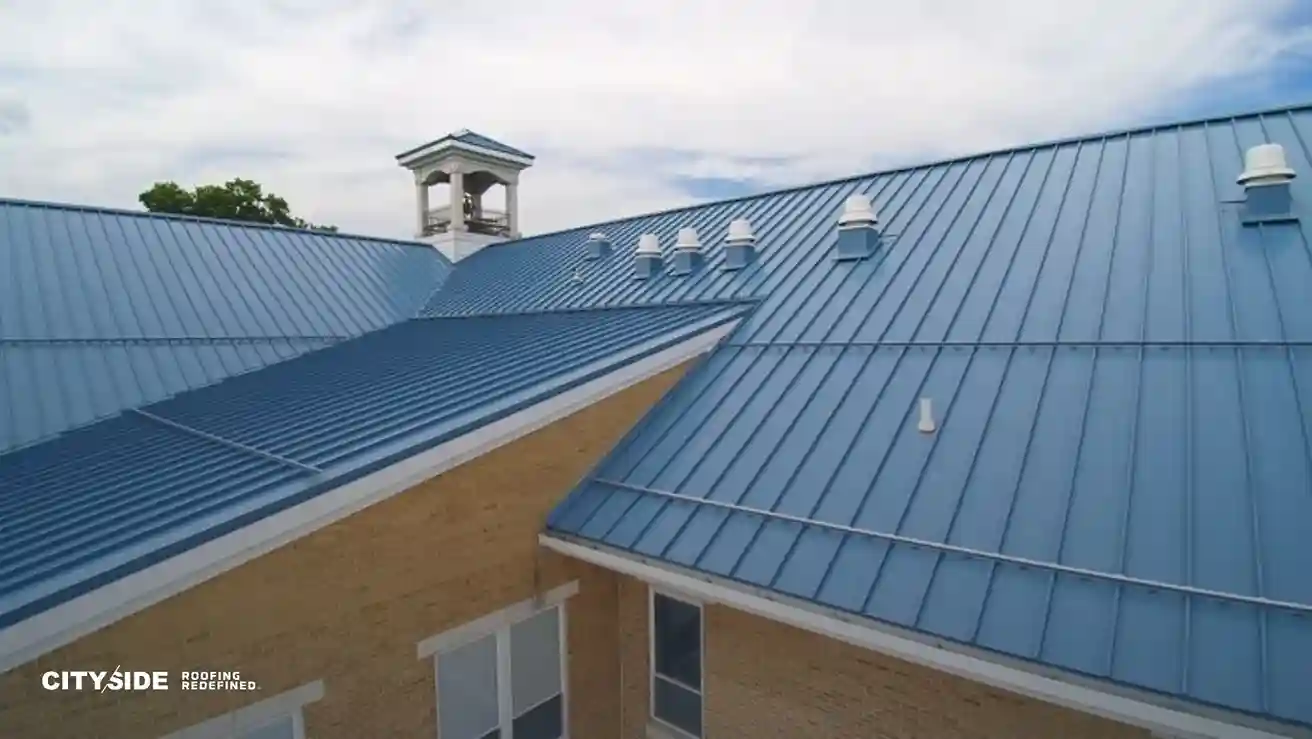
Warranty management requirements differ depending on project type.
Production home builders
Production builders prioritize:
- standardized workflows
- scalable documentation systems
- fast closeout processing
- predictable inspection outcomes
Custom home builders
Custom builders often require:
- specialized material tracking
- custom flashing documentation
- detailed photo records
- higher specification verification
Builders managing luxury projects frequently depend on specialized roofing expertise because custom homes involve more architectural complexity and greater warranty sensitivity.
How Transparent Warranty Management Improves Builder Relationships
Builders value trade partners who communicate clearly and stand behind their work.
Transparent roofing warranty management improves relationships by:
- clarifying responsibility boundaries
- accelerating issue resolution
- improving trust during closeout
- reducing post-construction disputes
Builders are more likely to maintain long term partnerships with roofing companies that provide:
- organized documentation
- responsive claim handling
- proactive quality management
- consistent communication
This level of professionalism is especially important for builders operating at production scale where long term reliability matters more than short term pricing.
Future Trends in Roofing Warranty Management
Roofing warranty systems are becoming increasingly technology driven.
Emerging trends include:
- AI-assisted defect analysis
- drone-based inspection documentation
- cloud-integrated warranty databases
- predictive maintenance analytics
- automated compliance reporting
These innovations will continue improving transparency, accountability, and operational efficiency across builder-focused roofing operations.
Builders that adopt modern warranty tracking systems early will likely gain stronger control over long term liability management.
Conclusion: Roofing Warranty Management as a Trust-Building System
Roofing warranty management is not simply about handling claims after project completion. For builders, it is a proactive system that strengthens quality control, improves documentation accuracy, reduces operational risk, and builds trust between all project stakeholders.
Transparent warranty management supports:
- stronger inspection compliance
- improved closeout processes
- reduced warranty disputes
- better production consistency
- clearer accountability
- long term operational efficiency
Builders seeking dependable roofing partnerships benefit from working with experienced companies that understand documentation, code compliance, and quality control at a production level.
Builders looking for a trusted CitySide Roofing partner can strengthen roofing quality systems and warranty management workflows through builder-focused coordination and transparent communication.
Key Builder Takeaways
- Roofing warranty management protects builders from long term liability exposure
- Documentation consistency improves claim defensibility and operational efficiency
- Quality control systems directly reduce warranty claim frequency
- Proper drainage design supports long term roofing performance
- Digital warranty tracking improves organization and transparency
- KPI monitoring helps builders identify recurring roofing risks
- Transparent warranty workflows strengthen builder and subcontractor relationships
Builders ready to improve roofing warranty management systems and strengthen long term project accountability can connect with a trusted Roofing contractor in Florida through the official contact page.