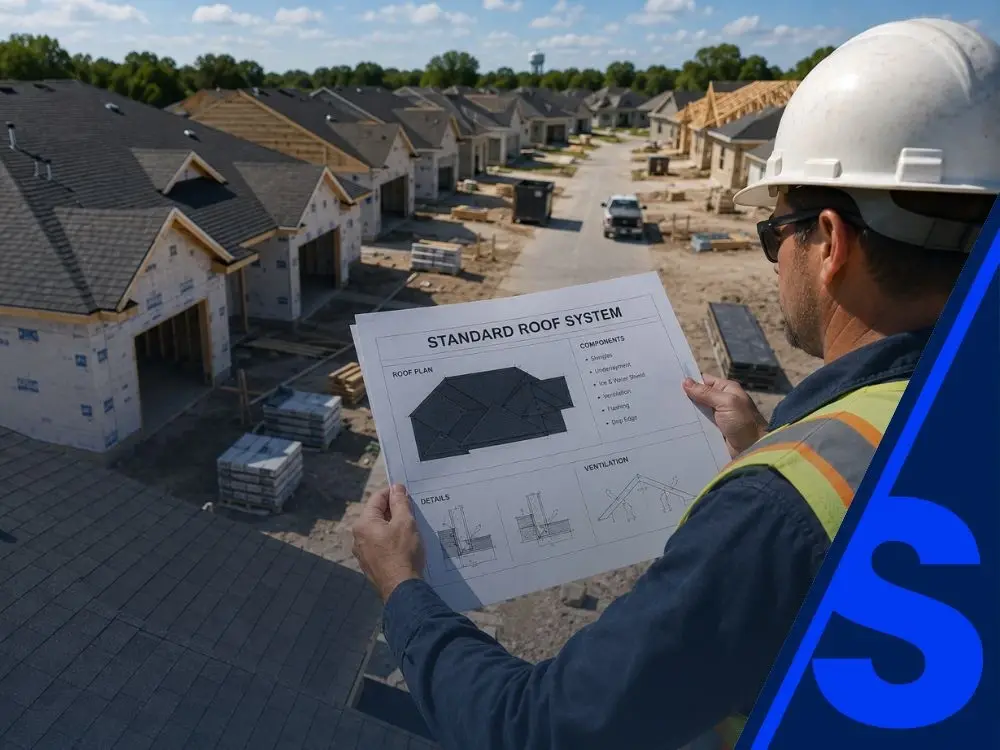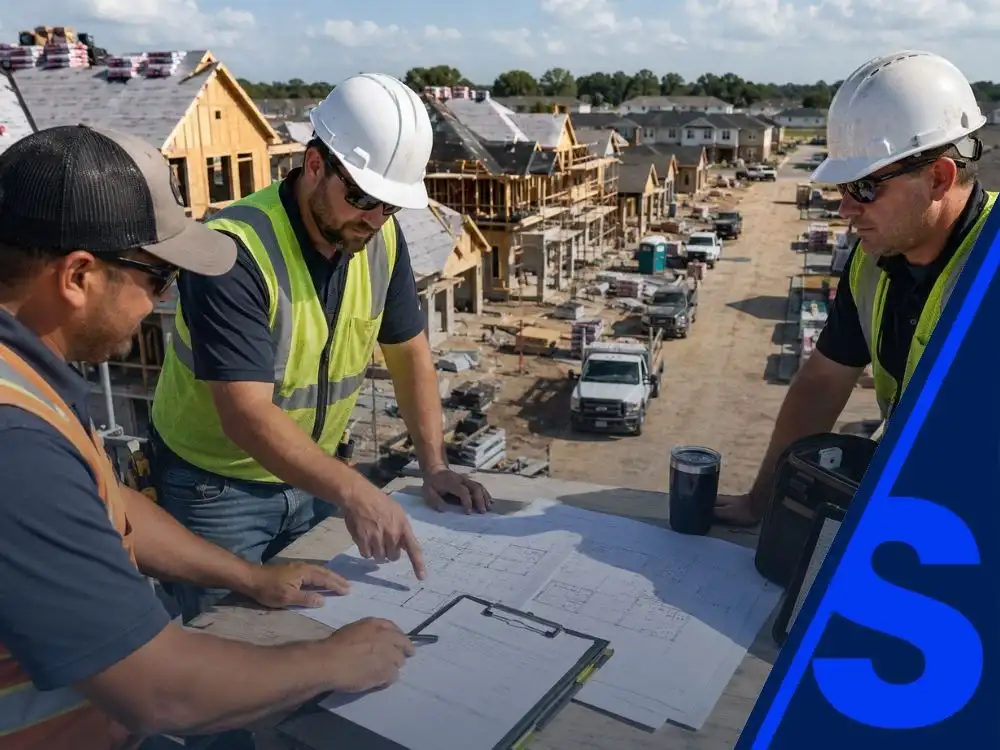
Managing roofing projects requires a clear, step-by-step approach: detailed scoping, strict material verification, proactive scheduling, continuous quality control, and thorough closeout. Using the right workflows ensures jobs stay on budget, satisfy clients, and minimize weather-related delays. For home builders handling multiple active communities, disciplined roofing project coordination also improves inspection readiness, reduces warranty exposure, and keeps downstream trades aligned with production schedules.
What type of roof is most energy-efficient?
Metal roofing systems with reflective coatings are often considered among the most energy-efficient roofing options in new construction because they reduce solar heat gain and improve thermal performance. Proper ventilation and insulation integration also play a major role in overall energy efficiency.
What are the 5 functional requirements of a roof?
The five primary functional requirements of a roof are weather protection, structural support, drainage performance, thermal efficiency, and durability. In new construction, builders must also ensure the roof assembly supports code compliance and long-term warranty performance.
How to calculate effective roof area?
Effective roof area is typically calculated by measuring the building footprint and adjusting for roof pitch, valleys, overhangs, and roof complexity. Builders also account for waste factors and material overlap requirements when estimating total roofing quantities.
What are the disadvantages of roofing sheets?
Roofing sheets can create challenges related to noise, thermal expansion, fastening integrity, and installation precision if not properly specified or installed. Builders must also evaluate code requirements, drainage performance, and long-term durability when selecting sheet-based roofing systems.
Why Managing Multiple Roofing Projects Is a Builder-Level Challenge
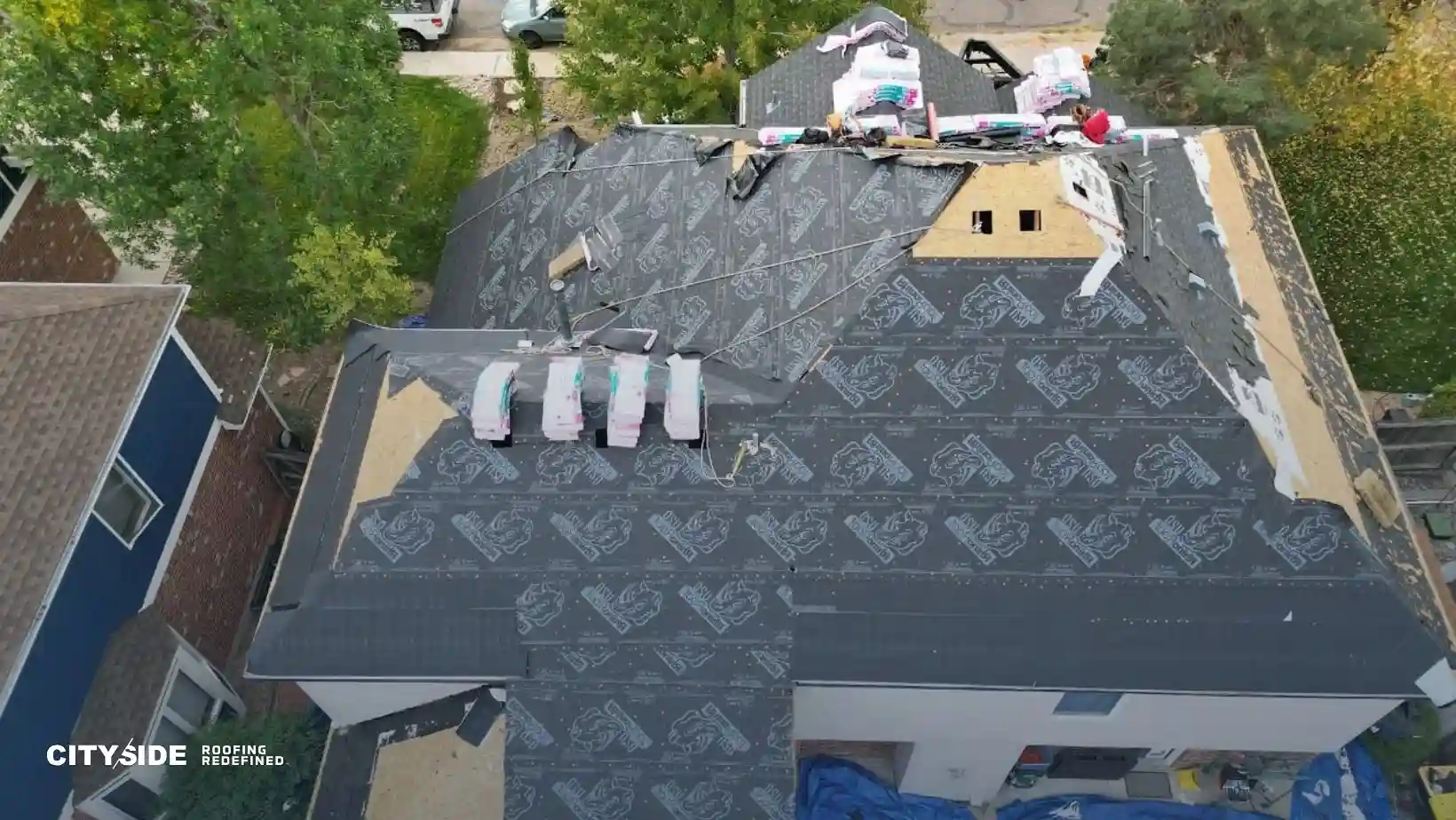
For production home builders and custom home builders, roofing is one of the most schedule-sensitive scopes in residential construction. Roofing delays affect framing turnover, dry-in milestones, interior trade starts, inspections, and final delivery timelines.
Managing multiple roofing projects simultaneously becomes increasingly difficult when builders are balancing:
- Several active communities
- Different municipal inspection departments
- Material lead-time fluctuations
- Weather disruptions
- Multiple roofing crews
- Custom home variations
- Tight completion schedules
Without structured workflows, small coordination problems quickly turn into costly production slowdowns.
Builders who successfully manage multiple roofing projects rely on standardized scheduling systems, clear quality control procedures, integrated communication workflows, and disciplined documentation processes.
According to the National Institute of Standards and Technology, fragmented project coordination remains one of the largest causes of inefficiency in construction operations. Integrated workflows and better information management significantly improve construction productivity and schedule reliability.
For builders operating across several subdivisions or custom home sites, roofing management must function as a controlled production process rather than a reactive subcontractor activity.
Why Roofing Management Impacts the Entire Construction Schedule
Roofing sits directly on the critical path of residential construction.
Once the roof is installed and passes inspection, builders can safely move into:
- Mechanical rough-ins
- HVAC installation
- Insulation
- Drywall staging
- Interior finish work
When roofing falls behind, every downstream trade feels the impact.
Managing multiple roofing projects requires visibility into:
- Framing completion status
- Material availability
- Crew dispatch timing
- Inspection scheduling
- Site readiness
- Weather forecasts
Builders that partner with a reliable Roofing trade partner in Florida gain tighter production coordination and improved scheduling predictability across active communities.
The Core Challenges of Managing Multiple Roofing Projects
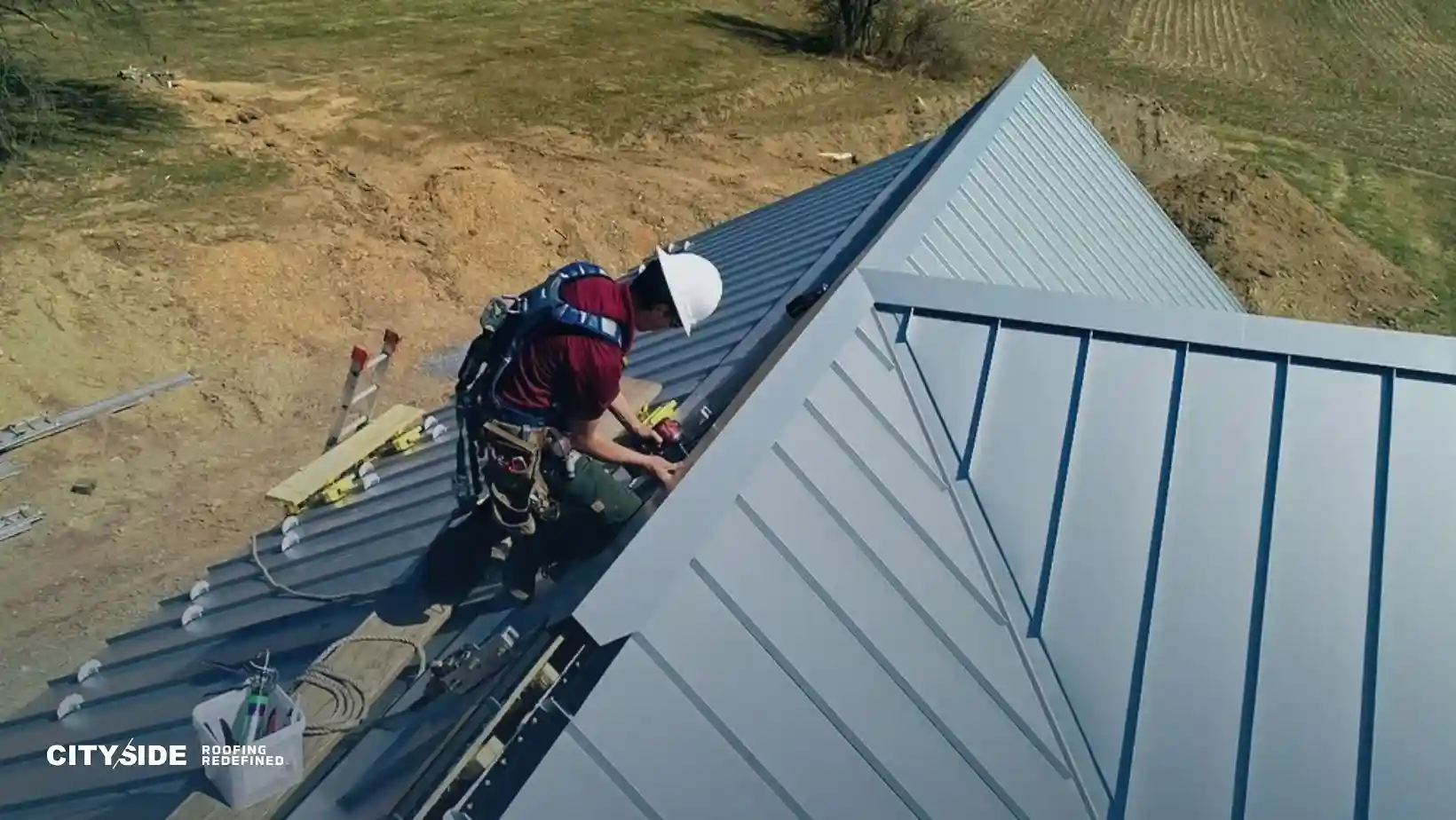
Scheduling conflicts
One of the biggest risks builders face is overlapping roofing schedules that strain crew availability and material logistics.
Without centralized scheduling systems:
- Crews may arrive at incomplete sites
- Materials may be delivered too early or too late
- Inspection windows may be missed
- Downstream trades become delayed
Material coordination issues
Roofing materials often have varying lead times depending on system type.
Roofing Material | Typical Lead Time | Coordination Risk |
Asphalt shingles | 3 to 7 days | Lower |
Metal roofing panels | 2 to 4 weeks | Moderate |
Tile roofing | 4 to 6 weeks | High |
Specialty flashings | 1 to 3 weeks | Moderate |
Builders managing custom homes and production homes simultaneously must coordinate these procurement timelines carefully.
Inspection bottlenecks
Different municipalities may have different roofing inspection requirements and timelines.
Missing inspections can stall:
- Dry-in approval
- Interior start schedules
- Utility installations
Quality control inconsistency
As project volume increases, quality consistency often becomes harder to maintain.
Without repeatable field verification systems:
- Installation errors increase
- Documentation gaps appear
- Warranty risk rises
Builders working with a dependable Roofing company in Florida benefit from standardized installation and inspection procedures that improve consistency across projects.
Building a Repeatable Roofing Workflow
The best builders manage multiple roofing projects by creating repeatable operational workflows.
Step 1: Standardize roofing scopes
Every roofing project should begin with a clearly defined scope package that includes:
- Approved materials
- Installation specifications
- Flashing details
- Ventilation requirements
- Inspection checkpoints
- Warranty documentation requirements
Standardized scopes reduce field confusion and improve accountability.
Step 2: Use milestone-based scheduling
Roofing should only be scheduled when prerequisite milestones are verified.
Example roofing readiness checklist
Readiness Item | Verified Before Scheduling |
Framing inspection complete | Yes |
Roof decking installed | Yes |
Site access available | Yes |
Materials released | Yes |
Weather window confirmed | Yes |
This reduces false starts and crew downtime.
Step 3: Coordinate procurement proactively
Builders managing multiple roofing projects cannot rely on reactive purchasing.
Material releases should align with:
- Community schedules
- Lot sequencing
- Lead times
- Supplier availability
Builders evaluating roofing system strategies across different home types can review Roofing systems for builders choosing the right roofing system for different types of homes custom vs track homes for additional guidance on system selection and production planning.
Quality Control Systems That Scale Across Multiple Projects
As project volume increases, quality control systems become even more important.
Builders should implement standardized roofing QC procedures that include:
- Pre-installation material verification
- Required field photos
- Daily installation checklists
- Inspection readiness reviews
- Punch list tracking
Roofing quality control checklist
QC Item | Purpose |
Underlayment verification | Moisture protection |
Flashing inspection | Leak prevention |
Fastener pattern confirmation | Wind resistance compliance |
Ventilation review | Energy performance |
Final debris inspection | Site cleanliness and turnover |
Structured quality systems help reduce long-term warranty exposure while improving first-pass inspection rates.
Builders working with a Roofing company for custom home builders often benefit from more advanced QC procedures because custom rooflines require additional detailing precision.
Managing Crew Capacity Without Sacrificing Quality
Crew management becomes increasingly complex when multiple roofing projects are active simultaneously.
Builders should avoid overloading crews simply to accelerate schedules. Excessive workload often leads to:
- Installation shortcuts
- Inspection failures
- Safety violations
- Increased callbacks
Instead, successful builders balance:
- Crew availability
- Roof complexity
- Geographic proximity
- Weather conditions
- Inspection schedules
Crew allocation example
Project Type | Recommended Crew Allocation |
Production home roofing | Standard production crew |
Custom home roofing | Specialized installation crew |
Luxury architectural roofing | Senior specialty crew |
Metal roofing systems | Dedicated metal installation crew |
Builders using experienced Roofers for luxury home roofing installation can better maintain installation quality on high-complexity homes while keeping production communities moving efficiently.
Technology and Scheduling Tools Improve Visibility
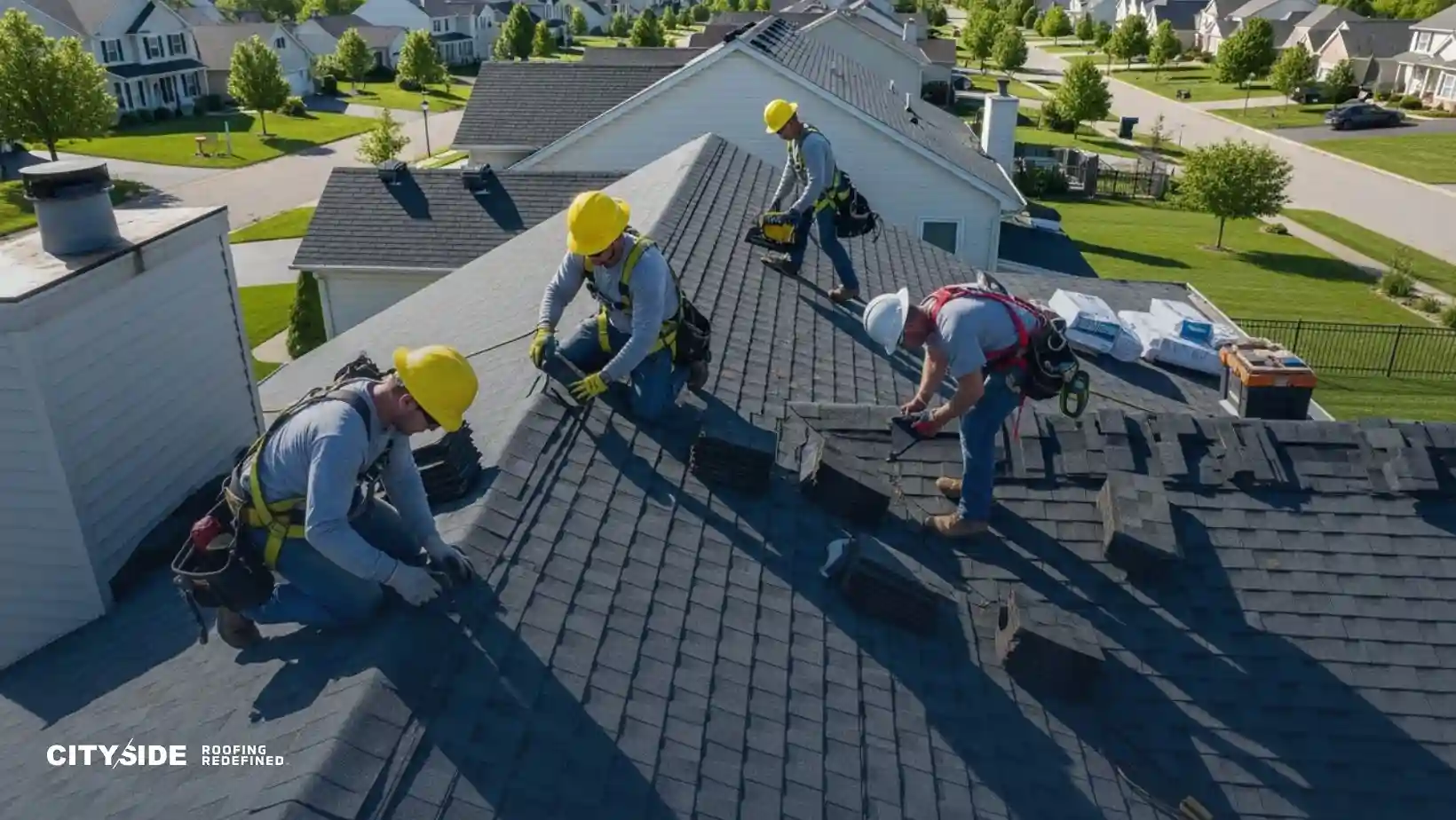
Modern builders increasingly use digital scheduling systems to coordinate roofing operations.
Technology platforms can help manage:
- Crew dispatching
- Material deliveries
- Inspection tracking
- Photo documentation
- Weather monitoring
- Production dashboards
Benefits of centralized scheduling systems
Operational Area | Benefit |
Scheduling | Reduced delays |
Procurement | Better material timing |
Quality control | Improved consistency |
Documentation | Faster closeout |
Warranty tracking | Reduced risk exposure |
Builders managing several subdivisions gain significant operational advantages when roofing schedules are visible in real time.
Preventing Weather Delays Across Multiple Projects
Weather remains one of the biggest uncontrollable variables in roofing.
However, strong project management reduces weather-related disruption through:
- Flexible scheduling buffers
- Real-time weather tracking
- Material staging coordination
- Rapid crew reassignment
- Prioritized dry-in sequencing
Builders who proactively manage weather risk maintain stronger production reliability across all active projects.
Inspection and Code Compliance Management
Roofing inspections are critical for keeping projects moving.
Builders managing multiple roofing projects should standardize inspection processes across all communities whenever possible.
Roofing inspection compliance checklist
Inspection Item | Purpose |
Deck attachment review | Structural verification |
Underlayment inspection | Water resistance |
Flashing verification | Leak prevention |
Ventilation confirmation | Code compliance |
Final roof inspection | Occupancy progression |
Digital documentation and milestone tracking reduce the risk of missed inspections and failed approvals.
Builders seeking consistent compliance workflows often benefit from partnering with a Roofing trade partner in Florida for custom homes that understands builder-driven scheduling systems.
Reducing Warranty Risk Across Multiple Roofing Projects
Warranty risk increases significantly when builders manage larger roofing volumes without standardized oversight.
Common warranty issues include:
- Improper flashing installation
- Ventilation defects
- Incomplete documentation
- Material substitutions
- Missed inspection records
Builders can reduce warranty exposure through:
- Lot-level documentation
- Material tracking
- Installation photo archives
- Inspection logs
- Crew accountability records
Builders evaluating traditional underlayment materials can also review Organic felt roof underlayment traditional choice or outdated option to better understand how underlayment selection affects durability, moisture management, and long-term roofing performance.
Operational Efficiency Through Better Communication
Managing multiple roofing projects successfully depends on communication discipline.
Builders should establish:
- Daily production updates
- Shared scheduling dashboards
- Procurement coordination meetings
- Inspection tracking systems
- Standardized escalation procedures
The goal is to eliminate surprises before they become delays.
Strong communication also improves subcontractor accountability and field responsiveness.
Scaling Roofing Operations for Production Builders
Production builders often face the greatest scheduling pressure because roofing delays compound rapidly across many homes.
Successful production operations prioritize:
- Standardized scopes
- Predictable scheduling windows
- Consistent QC systems
- Supplier coordination
- Real-time production visibility
Roofing management should operate similarly to a manufacturing workflow, where every stage depends on predictable sequencing and verified readiness.
Builders that scale successfully often rely on trusted partners like CitySide Roofing to maintain consistency across communities while supporting aggressive production schedules.
Conclusion: Managing Multiple Roofing Projects Requires Systems, Not Shortcuts
Managing multiple roofing projects successfully requires much more than simply assigning additional crews.
Builders must create structured systems for:
- Scheduling
- Procurement
- Quality control
- Inspection management
- Documentation
- Warranty tracking
The builders that consistently deliver projects on time and with fewer warranty issues are the ones that standardize workflows and improve visibility across all active projects.
As residential construction becomes increasingly schedule-driven and documentation-focused, roofing management must evolve into a disciplined operational process supported by technology, communication, and repeatable quality systems.
Key Builder Takeaways
- Managing multiple roofing projects requires standardized scheduling and quality systems
- Roofing delays directly impact dry-in timing and downstream trade sequencing
- Centralized procurement and scheduling reduce coordination failures
- Inspection tracking systems improve code compliance and reduce delays
- Standardized QC procedures help minimize warranty exposure
- Real-time communication improves operational efficiency across communities
- Structured workflows allow builders to scale roofing operations more effectively
Builders looking to improve scheduling reliability, quality control, and operational efficiency across active communities can connect with a trusted Roofing contractor in Florida to discuss builder-focused roofing coordination strategies.