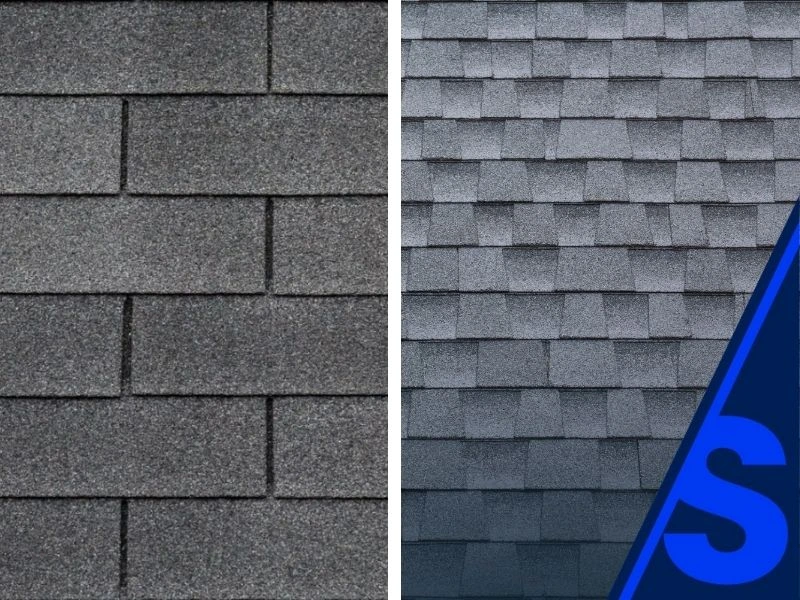
Architectural shingles are the better choice for most builds due to their superior durability, weather resistance, and aesthetic appeal, though they have a higher upfront cost. 3-tab shingles are a budget-friendly option for builders and property owners working within a lower budget or on short-term projects. The best option depends on your budget, climate, and how long the structure is intended to last before roof replacement.
Which is better, 3-tab shingles or architectural?
Architectural shingles are generally considered better than 3-tab shingles. They are thicker, more durable, and have a multi-dimensional appearance that adds depth and value to a roof system. Most builders in Florida and other high-wind zones prefer architectural shingles because they provide better protection and longer warranties.
What are the disadvantages of architectural shingles?
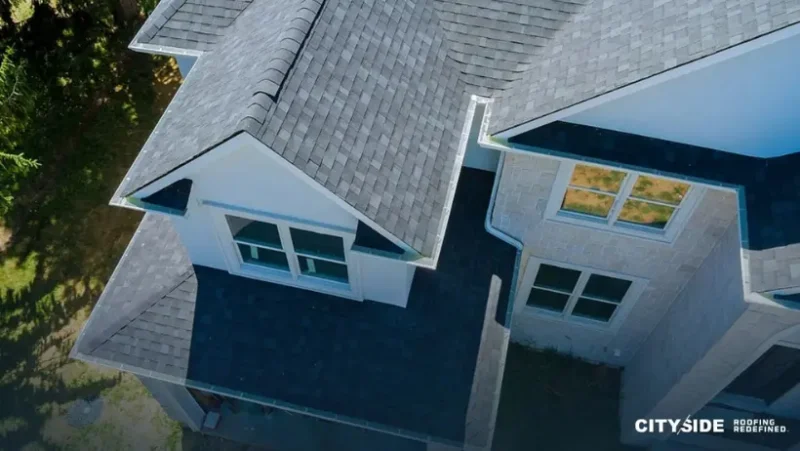
The main disadvantages of architectural shingles are their higher material cost and weight. They require stronger roof decking and additional labor time during installation. For some builders working on low-cost or temporary projects, these shingles may not fit the budget or schedule.
What are the advantages of 3-tab shingles?
3-tab shingles are lightweight, inexpensive, and easy to install, making them a popular choice for roofing cost comparison. They’re ideal for production homes, rental properties, or outbuildings where cost efficiency is a priority. While they can still meet building codes when installed properly, they offer fewer years of protection compared to architectural options.
Why are 3-tab shingles being phased out?
3-tab shingles are slowly being replaced because they do not perform as well under extreme weather conditions. Their thinner profile and single-layer design make them more vulnerable to wind uplift and cracking. Most builders and suppliers now prefer architectural shingles for code compliance and warranty coverage.
Understanding the Difference Between Architectural and 3-Tab Shingles
When comparing a 3 tab shingle vs architectural shingle, the main difference comes down to construction, durability, and appearance. A 3-tab shingle is made from a single layer of asphalt, cut into three uniform tabs. Architectural shingles, also called laminated or dimensional shingles, are made of multiple layers bonded together for added thickness and visual texture.
Architectural shingles are designed to mimic the look of high-end roofing materials like cedar or slate. They offer a dimensional appearance that adds visual depth and curb appeal, which is why they’re commonly used in new construction and upscale residential projects.
Because architectural shingles typically last longer than 3-tab shingles, they’re also a popular choice for homeowners planning future upgrades like rooftop solar. A durable roof can better support the lifespan of a solar energy system, making it an ideal time to explore high-quality DIY solar kits before starting your installation and helping reduce the need to remove and reinstall panels during future roof replacements.
3-tab shingles, by contrast, have a flat, uniform look. They perform well for basic roofing needs but lack the dimensional texture that enhances modern home design. For builders focused on cost control and quick installations, they remain a practical option, but one that’s less favored for long-term value.
According to the U.S. Department of Energy’s Energy Saver program, proper roofing material selection can directly impact a building’s thermal performance and long-term cost of ownership. Heavier, multi-layer shingles like architectural types “offer better resistance to heat absorption and weathering over time” compared to thinner single-layer alternatives
Material Composition and Construction
Architectural shingles are composed of multiple layers of asphalt with a fiberglass base mat and mineral granules for UV protection. The laminated structure gives them greater impact resistance and longer service life.
3-tab shingles consist of a single asphalt layer, also with a fiberglass mat and granule surface, but they lack the layered structure that helps architectural shingles resist curling and cracking. This simpler construction is what makes 3-tab shingles lighter and cheaper but less resilient.
For builders, material composition impacts not only roof longevity but also code compliance, especially in states like Florida where wind resistance testing and ASTM standards are required. When considering roofing options for multi-unit housing projects, it’s essential to balance cost, durability, and code requirements.
Durability and Wind Resistance
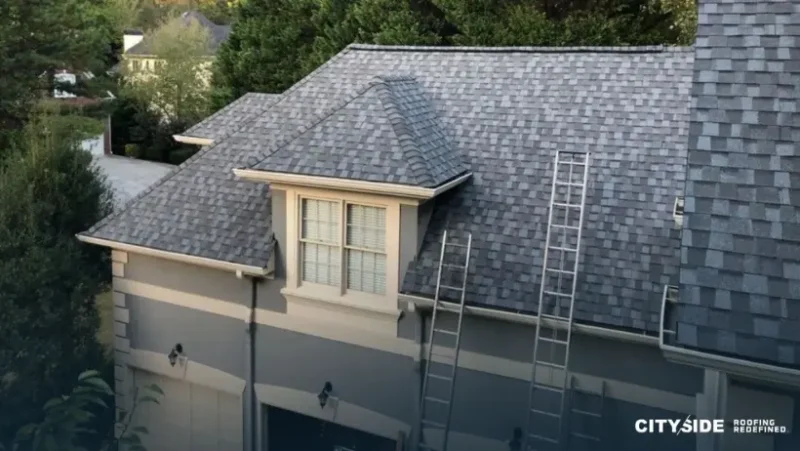
Durability is where the 3 tab shingle vs architectural shingle debate becomes clear. Architectural shingles can withstand winds up to 110–130 mph, while standard 3-tab shingles are typically rated for 60–70 mph. In hurricane-prone regions such as Florida, this difference can determine whether a roof passes inspection or suffers storm damage within its first few years.
Architectural shingles also resist impact from debris, hail, and UV exposure more effectively. The thicker composition means less chance of blow-off or cracking under temperature extremes.
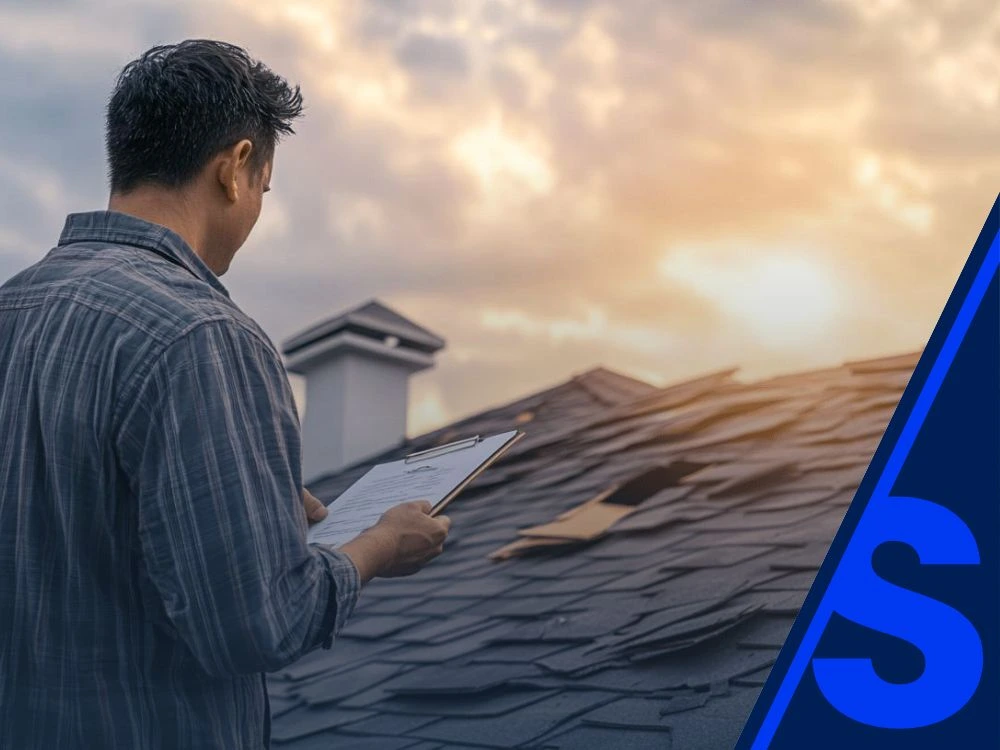
3-tab shingles, while adequate for moderate climates, often show granule loss and edge curling within 10 to 15 years, reducing the roof’s protective value and visual appeal.
Lifespan and Warranty Differences
Architectural shingles typically last between 25 to 30 years, with premium lines offering limited lifetime warranties. Their laminated design allows manufacturers to provide longer coverage against manufacturing defects and environmental wear.
3-tab shingles generally last 15 to 20 years under ideal conditions, though in Florida’s heat and humidity, lifespan can be significantly shorter. Builders who choose 3-tab systems for low-cost projects should plan for earlier replacement cycles or shorter warranty terms.
For developers and general contractors, a quick roofing warranty response protects your brand by reducing callbacks, warranty claims, and boosting client satisfaction.
Cost Considerations for Builders
Cost remains the primary advantage of 3-tab shingles. On average, they cost 20–30% less than architectural shingles. For large developments, this can translate into thousands in material savings per project.
However, architectural shingles often provide better lifecycle value. Their extended lifespan and reduced maintenance requirements can offset higher upfront costs over time. Builders focused on long-term performance or premium projects generally find them to be the more cost-effective investment overall.
When pricing roofing systems, builders should factor in not only material cost but also labor efficiency, warranty coverage, and compliance with local building codes.
Aesthetic and Design Appeal
Architectural shingles deliver a distinct aesthetic advantage. Their multi-layered design creates a shadowed, dimensional effect that adds depth to a roofline. This can significantly enhance a home’s resale value and align with architectural styles popular in new Florida developments.
3-tab shingles, while clean and uniform, lack the visual dimension of laminated shingles. They can appear flat from street level, which is less appealing for higher-end builds. Builders designing for curb appeal or architectural detail often select architectural shingles to meet buyer expectations and design standards.
Code Compliance and Florida Building Standards
Florida’s building codes are among the strictest in the United States when it comes to roofing materials. After major hurricane events, the Florida Building Code (FBC) was updated to require higher wind resistance, impact testing, and underlayment protection.
Architectural shingles easily meet these standards. Many are rated for 130 mph wind uplift resistance and approved for use in the High-Velocity Hurricane Zone (HVHZ).
3-tab shingles, on the other hand, often struggle to meet these newer standards without additional fastening systems or special adhesives. Builders working in coastal counties frequently find that 3-tab shingles no longer qualify under local inspection requirements, leading to delays or the need for substitutions.
Installation Process and Labor Efficiency
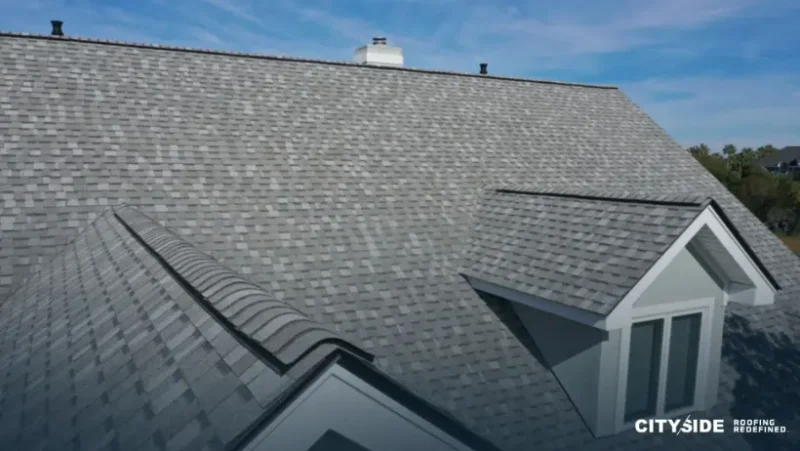
Installation methods differ slightly between the two shingle types. Architectural shingles are thicker and heavier, which makes them more time-consuming to install. However, their staggered pattern is more forgiving and hides minor roof deck imperfections.
3-tab shingles are lighter and easier to align but require precise placement to maintain visual uniformity. Improper installation can quickly lead to misaligned rows or uneven exposure, both of which can affect roof performance.
Builders often note that while 3-tab shingles reduce initial labor time, architectural shingles offer fewer callbacks for adjustment or repair due to their more robust sealing and overlap system.
Performance in Extreme Weather Conditions
In regions with high humidity, intense UV radiation, or frequent tropical storms, architectural shingles clearly outperform their 3-tab counterparts. Their thicker asphalt layers provide better resistance to thermal expansion and contraction, preventing cracking and curling.
3-tab shingles are more prone to damage from rapid temperature changes. In Florida’s coastal environments, salt exposure and moisture can accelerate wear, leading to early granule loss.
For builders targeting coastal or inland communities exposed to storm conditions, architectural shingles are the more practical and code-aligned solution.
Maintenance and Long-Term Performance
Over the life of the roof, maintenance frequency can make a significant difference in overall cost. Architectural shingles require minimal upkeep once installed properly. They maintain their shape and color longer, resisting algae and staining when manufactured with protective coatings.
3-tab shingles require more frequent inspections and potential patching or replacement of damaged sections. Builders who manage warranty work or post-construction service agreements often prefer architectural shingles because they reduce maintenance calls.
Additionally, architectural shingles perform better under attic ventilation systems, reducing heat buildup and extending roof lifespan.
Related read: Home Builders Guide on Choosing Roof Colors for Curb Appeal
Environmental and Energy Considerations
Modern architectural shingles often include reflective coatings that help reduce heat absorption, improving energy efficiency. Some are ENERGY STAR rated, meaning they contribute to lower cooling costs, an advantage in Florida’s warm climate.
3-tab shingles, while also available in reflective options, have less mass and fewer design variations. Their shorter lifespan means more frequent replacements, which can increase environmental waste over time.
Builders pursuing green certification or sustainable construction goals generally prefer architectural shingles for their efficiency and recyclability potential.
Choosing the Right Shingle for Your Build
When deciding between a 3 tab shingle vs architectural shingle, the choice depends on project goals:
- For high-volume, budget-conscious projects, 3-tab shingles may be the right fit due to their lower cost and ease of installation.
- For premium developments or long-term investments, architectural shingles provide superior durability, longer warranties, and better aesthetics.
- For Florida builders, architectural shingles are the safer choice for code compliance, wind resistance, and long-term performance under heat and humidity.
Before final selection, review manufacturer wind ratings, warranty options, and compatibility with your roof system specifications.
Summary: Key Takeaways for Builders
- Architectural shingles are thicker, more durable, and better suited for Florida’s weather conditions.
- 3-tab shingles remain a cost-effective choice for entry-level projects or short-term properties.
- Architectural shingles typically last 25–30 years, while 3-tab shingles last 15–20 years at best.
- Florida Building Code often favors architectural shingles for wind and impact resistance.
- While 3-tab shingles save on upfront cost, architectural shingles offer better lifecycle value and fewer callbacks.
For roofing systems that meet code, reduce callbacks, and deliver long-term client satisfaction, contact CitySide Roofing today to discuss shingle specifications and installation options for your next build.