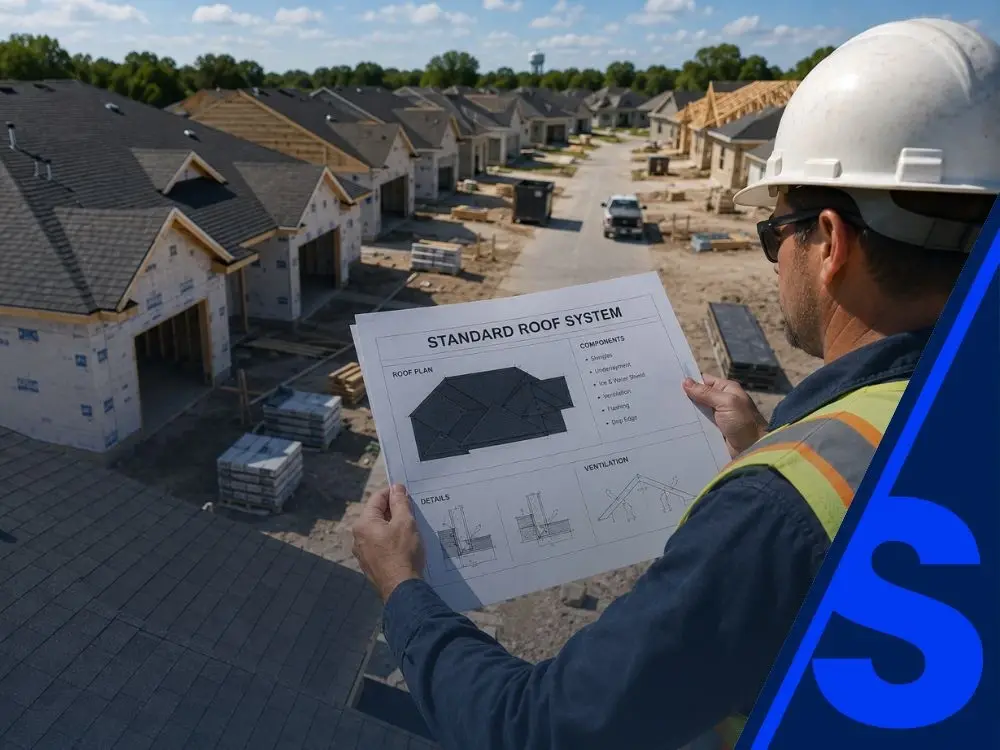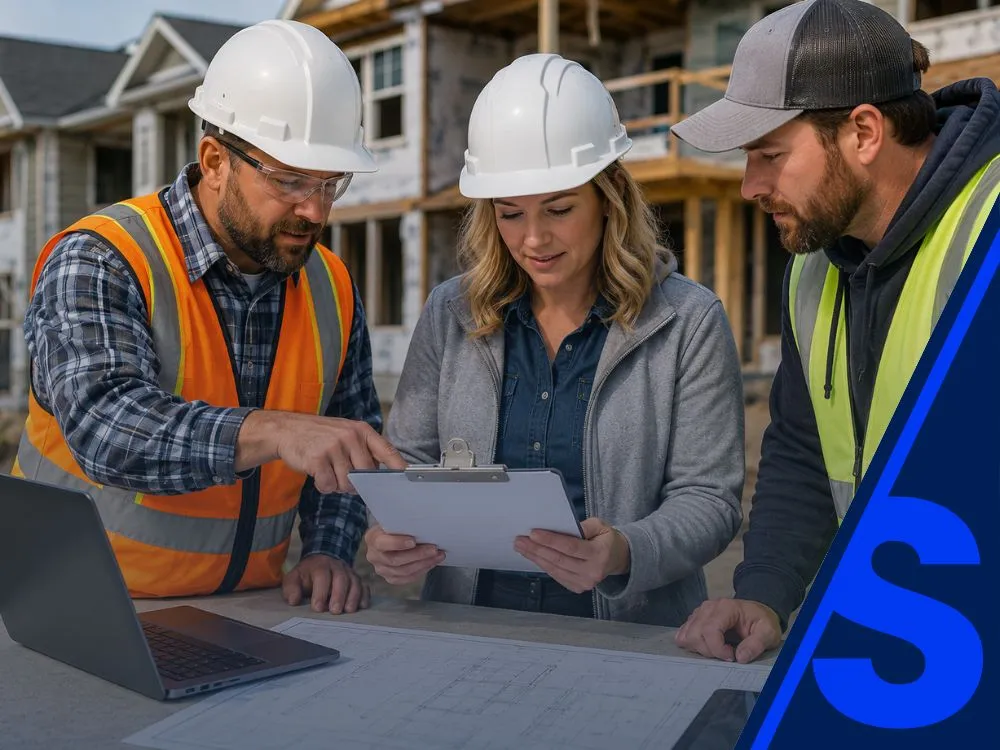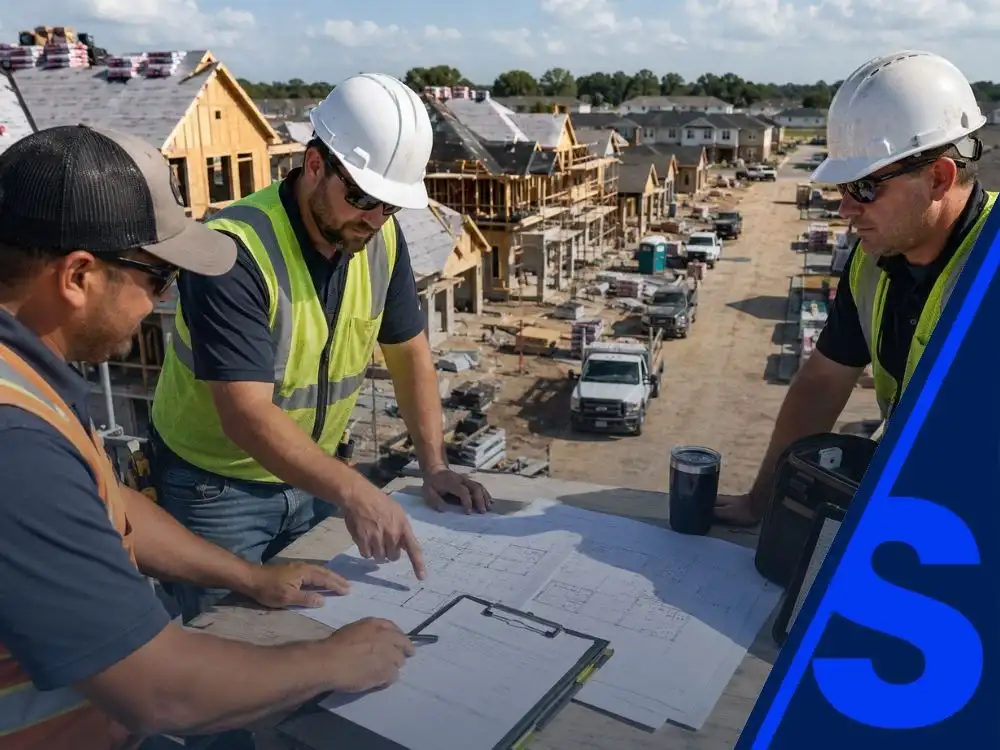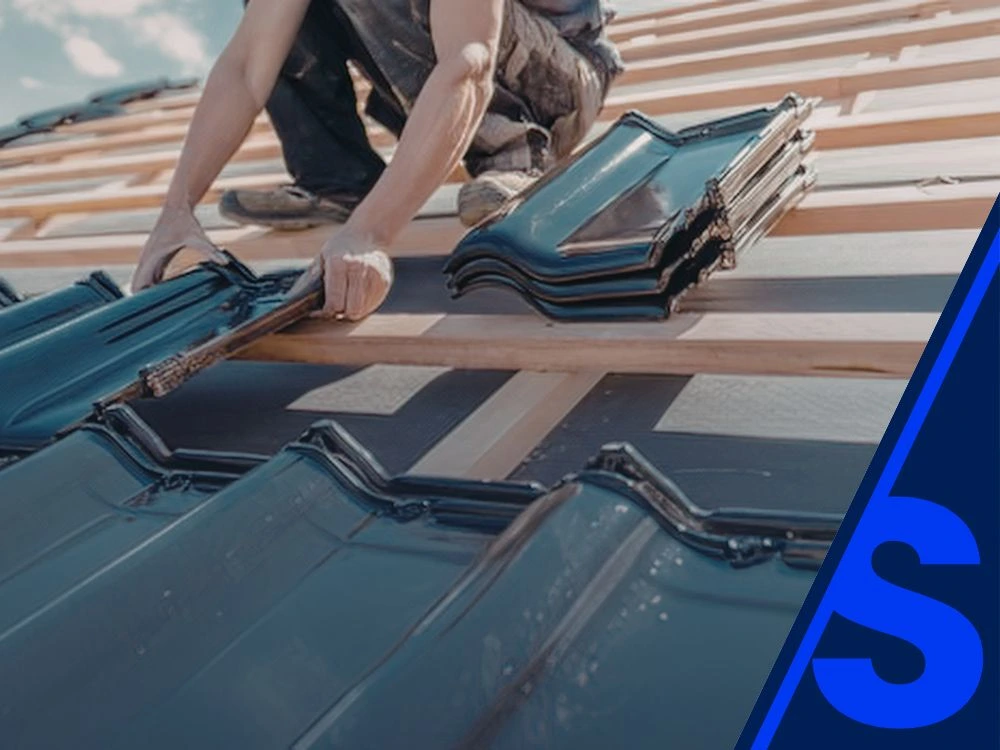
Roofing installation efficiency combines fast, labor-saving material application with long-term energy performance. Optimizing this process involves selecting large-format metal panels or modular roofing systems that reduce installation time while supporting durable weather protection. Builders can further improve efficiency by incorporating solar-reflective roof coatings, continuous insulation strategies, and proper attic ventilation systems to reduce thermal transfer and HVAC strain. Tight sealing details, accurate scheduling, and standardized quality control workflows also help reduce warranty risk while improving production timelines across high-volume residential communities.
What type of roof is most energy-efficient?
Metal roofing systems with reflective coatings are often considered among the most energy-efficient roofing options for new construction because they reduce heat absorption and improve solar reflectance. Builders also improve energy performance by combining reflective roofing systems with continuous insulation and balanced attic ventilation.
What are the 5 functional requirements of a roof?
The five core functional requirements of a roof are weather protection, structural stability, drainage management, thermal performance, and ventilation. In builder-focused construction, roofing systems must also support inspection compliance, long-term durability, and warranty performance.
How to calculate effective roof area?
Effective roof area is calculated by measuring the building footprint and adjusting for roof pitch, overhangs, valleys, hips, and penetrations. Builders often use slope multipliers to convert flat measurements into actual roofing surface area for estimating materials and labor.
What are the disadvantages of roofing sheets?
Roofing sheets can create challenges related to noise, expansion and contraction, condensation management, and installation precision if not detailed correctly. Builders must also account for fastening methods, ventilation requirements, and substrate compatibility to avoid long-term performance issues.
Why Roofing Installation Efficiency Matters for High-Volume Builders
For production builders and custom home builders alike, roofing installation efficiency directly affects construction timelines, labor coordination, inspection scheduling, and profitability.
In high-volume residential construction, roofing is not an isolated trade activity. It is a production milestone that influences dry-in timing, interior trade sequencing, moisture protection, and turnover schedules across entire communities.
When roofing installation becomes inefficient, builders experience:
- delayed inspections
- material staging problems
- labor downtime
- extended cycle times
- increased warranty exposure
- scheduling conflicts across trades
As the U.S. Department of Energy notes, reflective roofing systems can significantly reduce heat transfer and improve building energy performance, reinforcing the importance of efficient roofing assemblies in modern residential construction.
For builders managing multiple active projects simultaneously, improving roofing installation efficiency is not just about faster labor. It is about creating repeatable systems that support operational consistency, code compliance, and long-term performance.
Understanding Roofing Installation Efficiency in New Construction
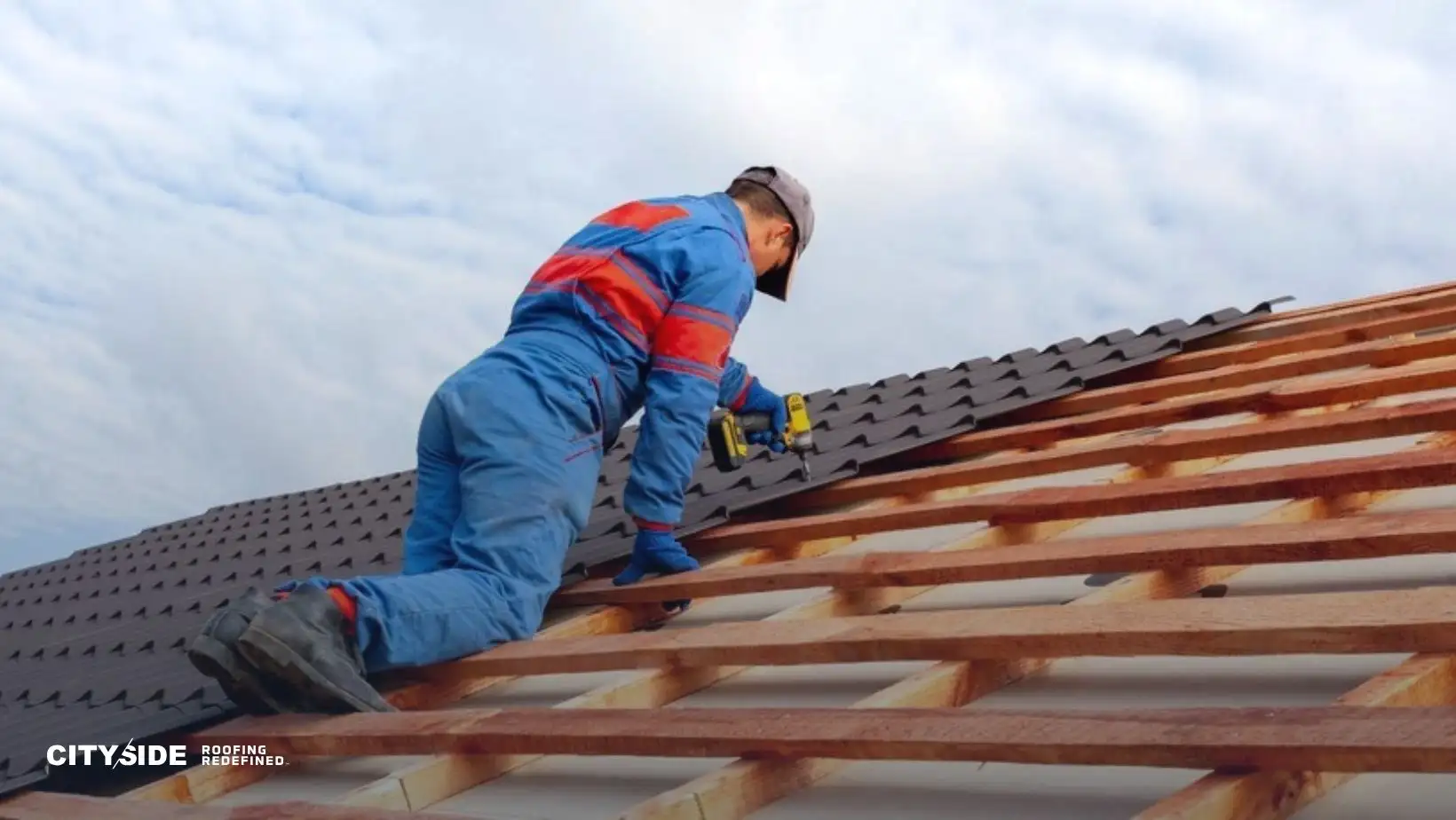
Roofing installation efficiency refers to the ability to complete roofing scopes accurately, safely, and predictably while minimizing labor waste, material delays, inspection issues, and rework.
Efficient roofing systems allow builders to:
- accelerate dry-in schedules
- improve crew productivity
- reduce material handling complexity
- strengthen quality control systems
- improve inspection readiness
- lower long-term warranty risk
Builders working with a dependable Roofing trade partner in Florida often achieve better installation consistency because workflows become standardized across multiple projects and communities.
Efficiency is not simply about speed. Fast installation without quality control creates future problems. The goal is controlled, repeatable performance that supports the broader production schedule.
Material Selection and Its Impact on Roofing Installation Efficiency
The type of roofing material selected has a major impact on labor productivity and installation timelines.
Large-format metal roofing systems
Large-format metal panels reduce installation time because fewer panels are required to cover the roof surface. Builders using standing seam or mechanically fastened metal systems often experience:
- reduced fastening counts
- faster coverage rates
- simplified staging logistics
- lower seam overlap frequency
Modular roofing systems
Modular roofing products improve installation efficiency through pre-engineered components and repeatable installation methods.
These systems can reduce:
- field cutting
- waste generation
- layout inconsistencies
- installation training complexity
Asphalt shingles for production volume
Asphalt shingles remain common for production housing because they balance affordability, labor familiarity, and scheduling flexibility.
Roofing material comparison table
Roofing Material | Installation Speed | Labor Complexity | Inspection Sensitivity | Best Use Case |
Asphalt shingles | Moderate | Moderate | Moderate | Production communities |
Metal roofing panels | Fast | Moderate to high | High | Energy-efficient builds |
Tile roofing | Slower | High | High | Premium custom homes |
Modular roofing systems | Fast | Lower | Moderate | Repetitive floorplans |
Builders evaluating different roof assemblies for production and custom communities can explore roofing systems for builders choosing the right roofing system for different types of homes custom vs track homes to better align system selection with installation efficiency goals.
Scheduling Efficiency and Crew Coordination
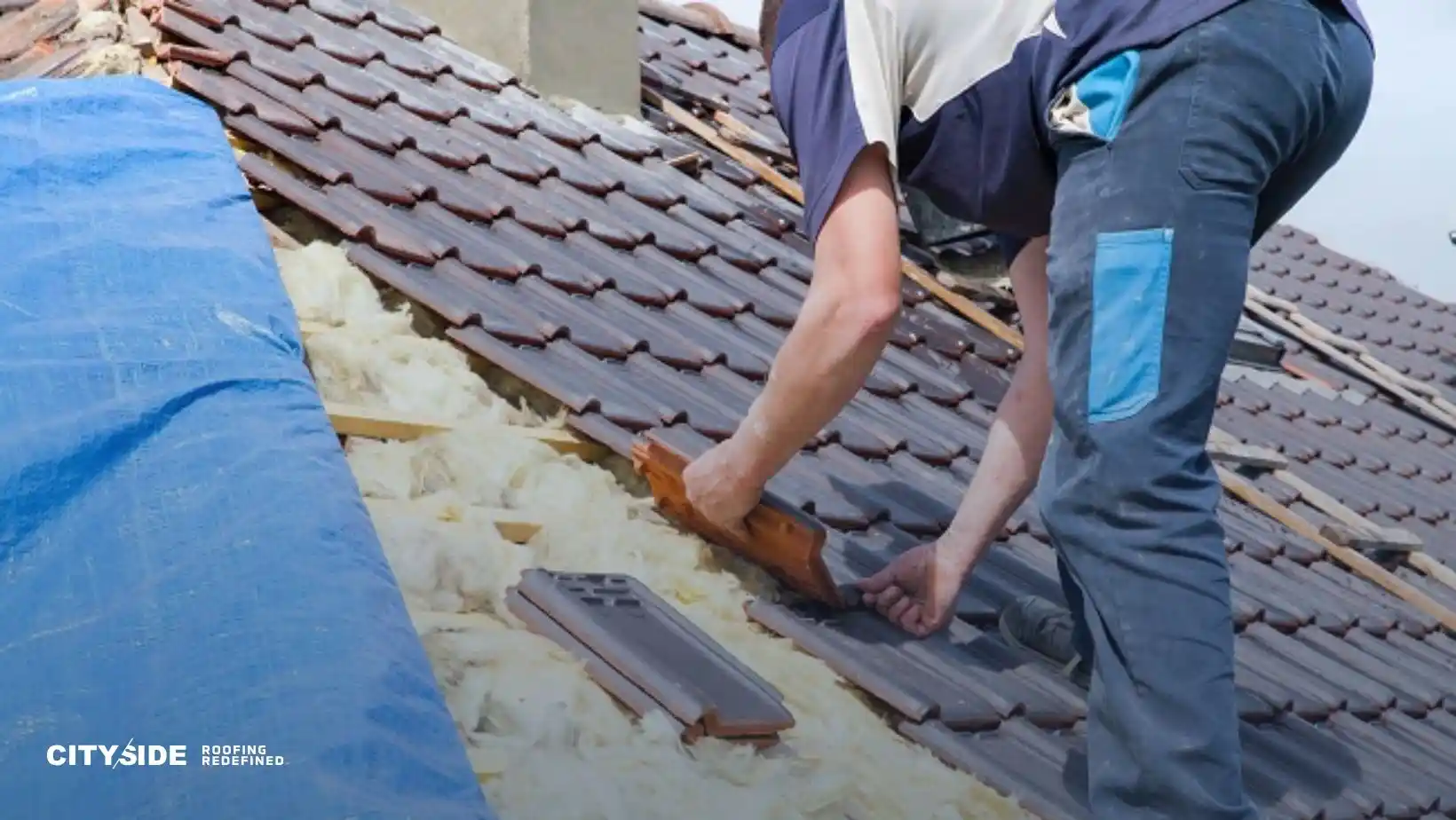
Roofing installation efficiency depends heavily on production scheduling discipline.
Even highly skilled crews lose productivity when:
- materials arrive late
- framing punch work remains incomplete
- inspections are delayed
- lots are not ready for dry-in
- staging areas are overcrowded
Builders improve efficiency by creating milestone-based roofing workflows tied directly to framing completion and inspection readiness.
Example roofing production workflow
Phase | Required Trigger | Efficiency Benefit |
Material release | Framing approval | Prevents storage congestion |
Crew dispatch | Deck readiness verification | Reduces idle labor |
Underlayment inspection | Completion confirmation | Avoids reinspection delays |
Final installation | Material confirmation | Reduces interruptions |
Final roof inspection | QC checklist complete | Improves pass rates |
Builders working with a Roofing company in Florida that integrates scheduling discipline into production operations often maintain more predictable cycle times across communities.
Improving Energy Performance While Maintaining Installation Speed
High-volume builders increasingly prioritize roofing systems that support both installation efficiency and energy performance.
Solar-reflective coatings
Reflective roof coatings reduce solar heat gain, helping lower cooling loads in warm climates.
Benefits include:
- reduced attic heat buildup
- lower HVAC strain
- improved energy code compliance
- enhanced long-term roof durability
Continuous insulation systems
Continuous insulation reduces thermal bridging and improves building envelope performance.
Builders incorporating insulation strategies directly into roofing assemblies often improve:
- energy performance metrics
- HERS scores
- thermal consistency
- occupant comfort outcomes
Proper attic ventilation
Balanced intake and exhaust ventilation is essential for:
- moisture control
- temperature regulation
- roof lifespan extension
- code compliance
Poor ventilation increases the likelihood of heat accumulation, condensation, and premature roofing deterioration.
Quality Control Systems That Improve Roofing Installation Efficiency
Quality control systems are one of the most overlooked contributors to roofing installation efficiency.
Without standardized quality checkpoints, builders often face:
- rework
- inspection failures
- punch list growth
- warranty callbacks
Efficient builders implement repeatable QC systems that verify installation quality before inspections occur.
Roofing quality control checklist
QC Item | Verification Method | Builder Benefit |
Deck preparation | Supervisor sign-off | Prevents substrate issues |
Underlayment installation | Photo documentation | Reduces moisture risk |
Flashing installation | Field inspection | Prevents leak pathways |
Ventilation placement | Checklist verification | Improves energy performance |
Fastener compliance | Random inspection sampling | Supports warranty defense |
Builders partnering with a Roofing company for custom home builders often benefit from more structured quality control documentation and installation oversight.
How Underlayment Selection Affects Efficiency
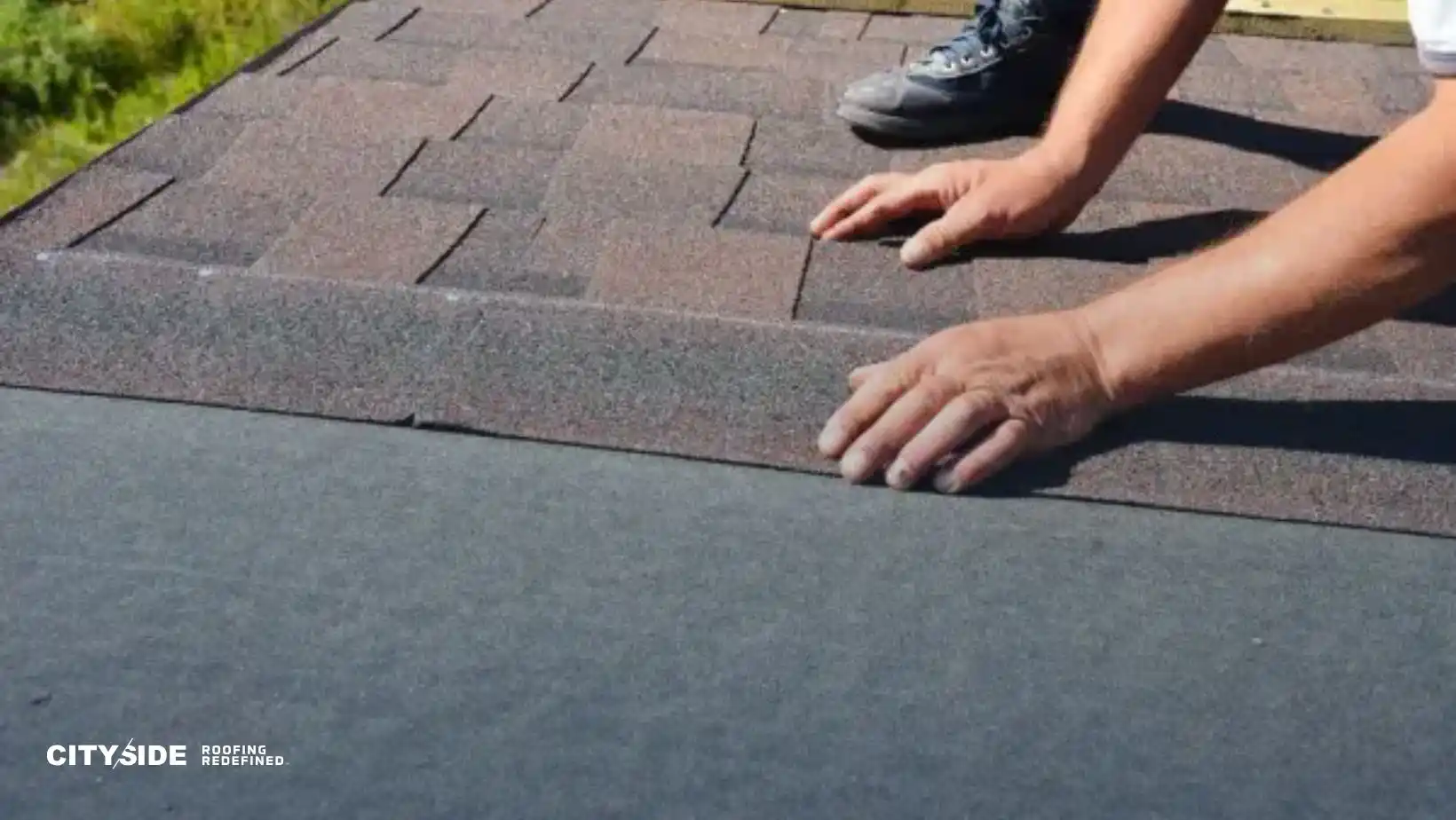
Underlayment selection significantly influences installation speed, weather resistance, and labor coordination.
Some traditional organic felt products require more careful handling and can become less stable when exposed to moisture during construction.
Builders evaluating underlayment options for high-volume projects can review organic felt roof underlayment traditional choice or outdated option to better understand how material selection impacts installation workflows and long-term durability.
Underlayment comparison table
Underlayment Type | Installation Speed | Moisture Resistance | Durability During Construction |
Organic felt | Moderate | Lower | Moderate |
Synthetic underlayment | Fast | High | High |
Fiberglass reinforced felt | Moderate | Moderate | Moderate to high |
Inspection and Code Compliance Strategies
Roofing installation efficiency is heavily affected by inspection performance.
Repeated inspection failures create:
- production delays
- crew rescheduling costs
- labor inefficiencies
- turnover disruptions
Builders can improve inspection success rates through:
- standardized inspection checklists
- pre-inspection walkthroughs
- digital photo documentation
- field verification processes
- clear communication between supervisors and roofing crews
Roofing inspection checklist
Inspection Item | Common Failure Risk | Prevention Strategy |
Deck fastening | Missed fastening pattern | Pre-inspection verification |
Underlayment overlap | Incorrect installation | Crew training |
Flashing integration | Incomplete sealing | QC walkthrough |
Ventilation calculations | Improper sizing | Design review |
Final installation | Punch list items | Final field audit |
Builders working with a Roofing trade partner in Florida for custom homes often achieve smoother inspection performance because experienced roofing teams understand both installation standards and municipal inspection expectations.
Labor Management and Training Efficiency
Labor shortages remain one of the biggest challenges in residential construction.
Builders improve roofing installation efficiency by:
- standardizing installation methods
- reducing unnecessary roof complexity
- simplifying material staging
- using repeatable crew workflows
- implementing digital documentation systems
Consistent training also improves productivity.
Benefits of standardized roofing workflows
Workflow Improvement | Operational Impact |
Consistent installation methods | Faster crew onboarding |
Standardized material layouts | Reduced staging confusion |
Digital checklists | Improved accountability |
Predictable scheduling | Lower idle labor |
Repeatable inspection prep | Higher first-pass approval rates |
Reducing Warranty Risk Through Better Roofing Efficiency
Many roofing warranty claims stem from rushed installation, inconsistent detailing, or incomplete documentation.
Builders improve warranty outcomes when installation systems emphasize:
- accurate flashing details
- proper ventilation
- moisture management
- material compatibility
- inspection verification
Efficient roofing installation is not about cutting corners. It is about reducing errors through consistency and process control.
For custom and high-end homes, this becomes even more important because roof geometry, penetrations, and specialty materials increase installation complexity.
Builders using Roofers for luxury home roofing installation often prioritize advanced detailing and documentation systems because premium projects carry higher expectations and greater long-term liability exposure.
Technology and Roofing Installation Efficiency
Modern builders increasingly rely on digital tools to improve roofing operations.
These technologies include:
- cloud-based scheduling platforms
- drone measurement systems
- digital inspection records
- mobile field reporting apps
- material tracking systems
Technology improves efficiency by reducing communication gaps and improving visibility across active projects.
Builders who integrate roofing schedules into broader production management systems typically achieve:
- faster scheduling adjustments
- improved labor coordination
- better procurement timing
- more accurate project forecasting
Why Roofing Installation Efficiency Matters More in High-Volume Construction
In a single custom home project, inefficiencies may create manageable delays.
In high-volume construction, those same inefficiencies multiply across dozens or hundreds of homes.
One delayed roofing crew can disrupt:
- framing schedules
- inspection timelines
- MEP rough-ins
- insulation sequencing
- drywall installation
- turnover targets
That is why high-volume builders focus heavily on roofing installation efficiency as part of overall production management.
Builders seeking scalable roofing workflows often work with CitySide Roofing because operational consistency and scheduling reliability become essential when managing multiple communities simultaneously.
Conclusion: Roofing Installation Efficiency Is a Competitive Advantage
Roofing installation efficiency is no longer just a field productivity issue. It is a strategic operational priority for modern home builders.
Builders that improve roofing efficiency gain:
- faster production cycles
- more predictable schedules
- improved inspection outcomes
- lower labor waste
- reduced warranty exposure
- stronger quality control systems
The most successful builders approach roofing as a coordinated production process supported by scheduling discipline, material planning, standardized quality systems, and experienced trade partnerships.
Builders looking to improve roofing installation efficiency across high-volume projects can work with a trusted Roofing contractor in Florida to create more reliable and scalable roofing operations.
Key Builder Takeaways
- Roofing installation efficiency directly impacts production schedules and dry-in timelines
- Material selection influences labor productivity and installation speed
- Reflective roofing systems and ventilation improve long-term energy performance
- Standardized QC systems reduce inspection failures and warranty risk
- Underlayment choice affects durability, moisture resistance, and scheduling flexibility
- Digital scheduling and documentation tools improve operational coordination
- Consistent roofing workflows create better scalability across multiple communities
Builders ready to improve roofing installation efficiency and strengthen production performance can contact a trusted Roofing contractor in Florida to discuss builder-focused roofing solutions.