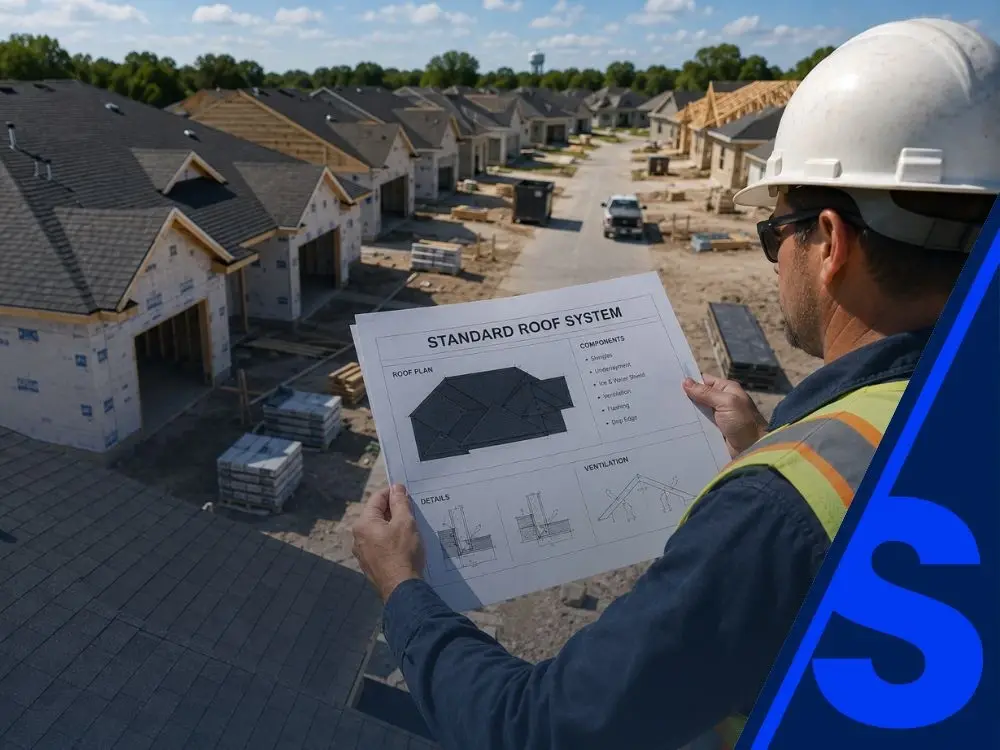
Pre-scheduled roofing jobs refer to planned, non-emergency roof replacements, installations, or maintenance projects scheduled weeks or months in advance. They allow contractors to properly order materials, secure permits, and plan their labor crews, unlike immediate, weather-related emergency repairs. For home builders managing large-scale new construction, pre-scheduled roofing jobs improve production scheduling, inspection coordination, labor efficiency, and material planning while reducing delays, warranty risk, and costly workflow disruptions.
What is scheduling efficiency?
Scheduling efficiency refers to the ability to organize labor, materials, inspections, and project timelines in a way that minimizes delays and maximizes productivity. In residential construction, efficient scheduling keeps trades moving in sequence so homes progress through production milestones without unnecessary downtime.
Which roofing material is most energy efficient?
Metal roofing systems with reflective coatings are often considered among the most energy efficient roofing materials because they reduce heat absorption and improve thermal performance. Builders also evaluate ventilation systems, underlayment assemblies, and insulation coordination when optimizing energy efficiency.
What is a good example of efficiency?
A good example of efficiency in home building is when roofing crews arrive immediately after framing completion, materials are already staged onsite, inspections are pre-coordinated, and downstream interior trades begin on time after dry-in. This minimizes idle labor and keeps production schedules predictable.
What are the 5 functional requirements of a roof?
The five primary functional requirements of a roof are weather protection, structural performance, drainage management, thermal efficiency, and durability. In new construction, builders also prioritize ventilation integration, code compliance, and long-term warranty performance.
Why Pre-Scheduled Roofing Jobs Matter in Large-Scale Construction
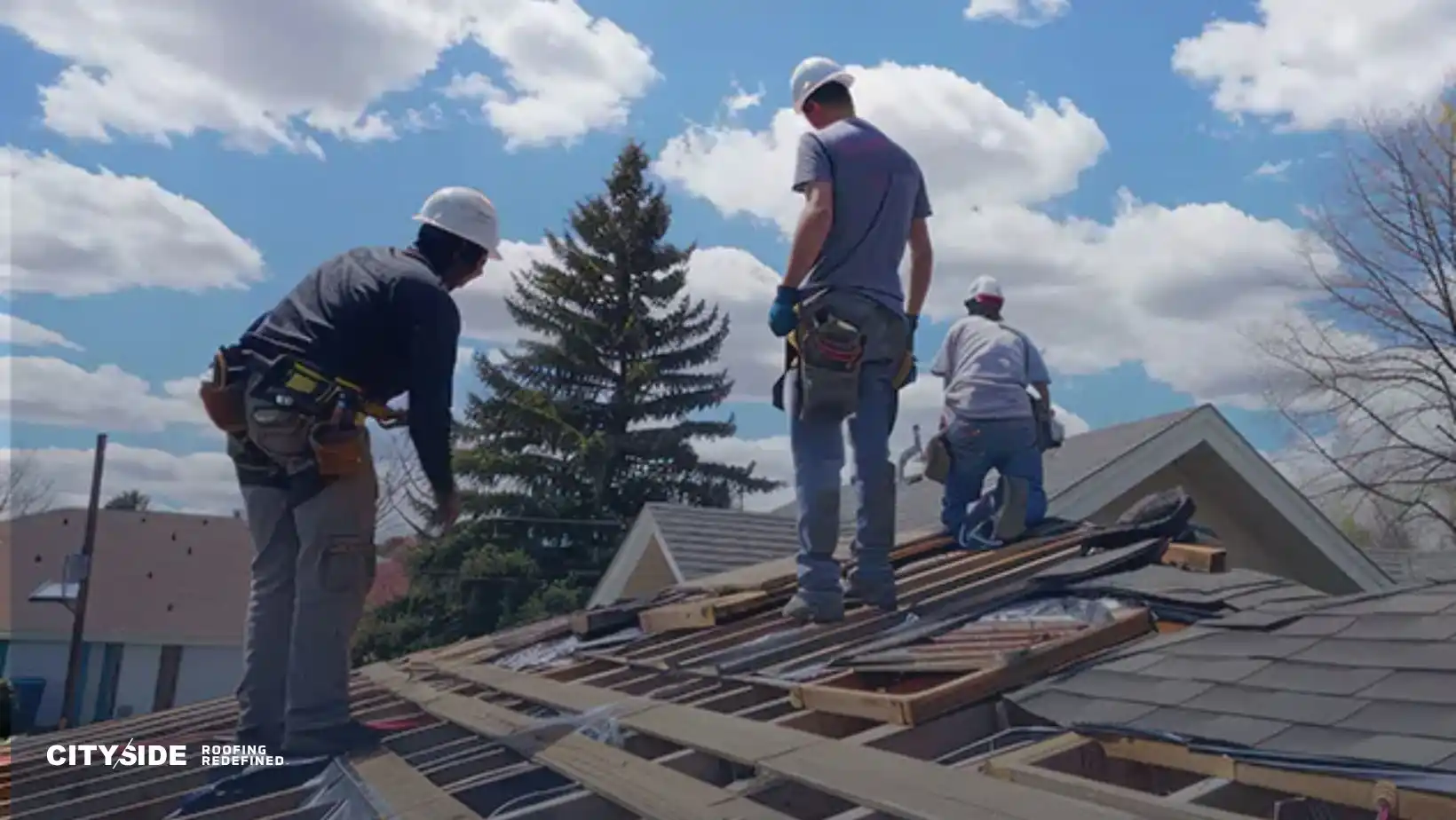
For production home builders and custom home builders, roofing is one of the most important scheduling milestones in the entire construction process. Once the roof system is installed and approved, interior trades can begin work with reduced risk of weather exposure, moisture intrusion, and material damage.
However, roofing installation is not a standalone activity. It depends on careful coordination between framing completion, material procurement, crew availability, inspection readiness, and weather timing.
Without proper planning, roofing can quickly become a bottleneck.
A delayed roofing schedule often creates cascading impacts across:
- framing turnover
- MEP rough-ins
- insulation scheduling
- drywall installation
- municipal inspection sequencing
- overall cycle time performance
This is why pre-scheduled roofing jobs have become increasingly important for builders managing large-scale projects.
Rather than operating reactively, builders can coordinate roofing activities weeks or months in advance. This allows roofing contractors to reserve labor capacity, secure materials, prepare documentation, and align installation timelines with broader production schedules.
According to the National Institute of Standards and Technology, fragmented coordination and inefficient information flow remain major contributors to construction productivity loss. Research from the institute highlights how better scheduling and integrated planning improve operational performance in construction environments. Learn more through the National Institute of Standards and Technology.
For builders operating multiple communities simultaneously, pre-scheduled roofing jobs are not just a convenience. They are a strategic operational advantage.
What Pre-Scheduled Roofing Jobs Mean for Builders
Pre-scheduled roofing jobs are roofing scopes planned well in advance of installation. Instead of waiting until the last moment to coordinate labor and materials, builders and roofing contractors align schedules early based on projected production milestones.
This process typically includes:
- forecasted installation windows
- advance material procurement
- labor allocation planning
- inspection scheduling preparation
- permit coordination
- quality control preparation
Builders working with a Roofing trade partner in Florida gain significant scheduling advantages when roofing activities are coordinated proactively rather than reactively.
For large-scale production environments, this level of planning helps maintain predictable construction flow across dozens or even hundreds of active homes.
Why Reactive Roofing Scheduling Creates Problems
Reactive scheduling occurs when roofing work is arranged only after framing is complete or after delays have already occurred.
This approach creates several operational risks.
Labor shortages and crew conflicts
Roofing crews may already be committed to other projects, especially during peak construction seasons.
Material procurement delays
Specialty roofing products, underlayments, and ventilation components may require lead times that disrupt scheduling if not ordered early.
Inspection bottlenecks
Municipal inspection windows may become unavailable if requests are submitted too late.
Increased weather exposure risk
Delays between framing completion and roofing installation increase the likelihood of weather-related moisture damage.
Reduced quality control consistency
Rushed scheduling often reduces the time available for field verification, material inspection, and installation oversight.
Builders working with a Roofing company in Florida that prioritizes proactive scheduling gain stronger production consistency and fewer last-minute disruptions.
How Pre-Scheduled Roofing Jobs Improve Production Scheduling
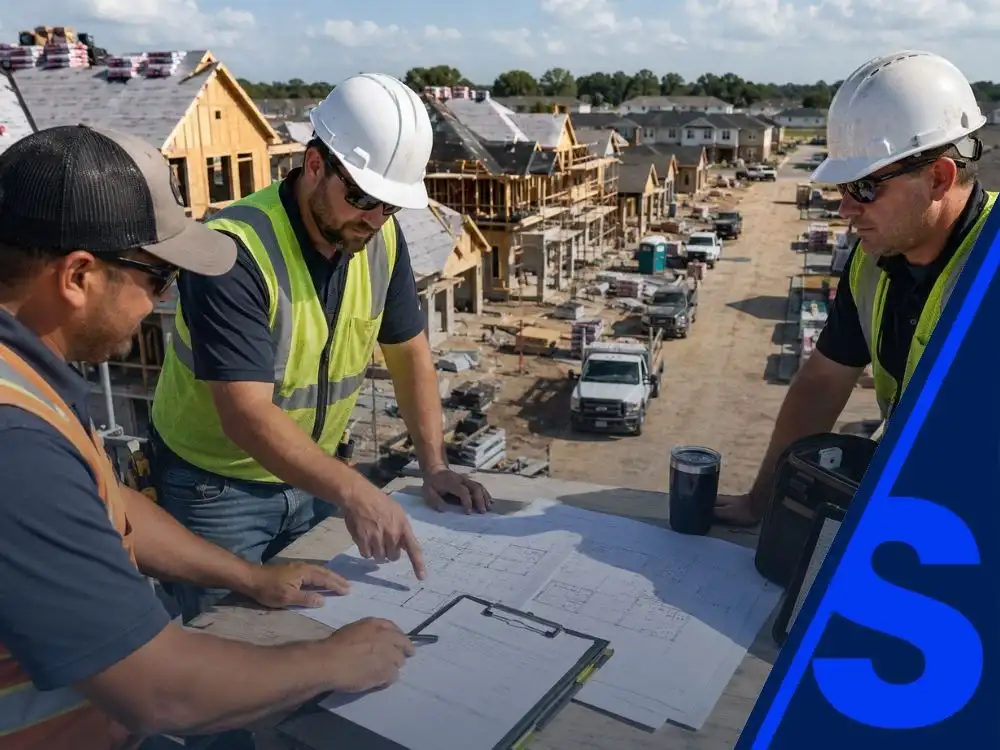
Production builders rely heavily on schedule predictability. Every day lost during roofing installation can delay multiple downstream trades.
Pre-scheduled roofing jobs improve coordination by aligning roofing work with projected construction milestones.
Example of coordinated production sequencing
Construction Phase | Traditional Scheduling | Pre-Scheduled Roofing Workflow |
Framing completion | Roofing scheduled afterward | Roofing slot reserved in advance |
Material ordering | Ordered after confirmation | Ordered based on projected readiness |
Crew assignment | Dependent on availability | Reserved before installation window |
Inspection coordination | Reactive request | Planned around installation schedule |
Dry-in milestone | Variable timing | More predictable completion |
This level of planning reduces uncertainty across communities.
Builders seeking smoother production flow often work with CitySide Roofing because integrated scheduling coordination improves reliability from framing turnover through final inspection.
Material Procurement Advantages of Pre-Scheduled Roofing Jobs
Material timing is one of the biggest variables in roofing project management.
Pre-scheduling allows roofing contractors and builders to coordinate procurement well ahead of installation.
This provides several advantages:
- reduced material shortages
- improved supplier coordination
- fewer expedited shipping costs
- lower onsite storage congestion
- better inventory forecasting
Roofing material lead time comparison
Roofing Material | Typical Lead Time | Benefit of Pre-Scheduling |
Asphalt shingles | 3 to 7 days | Better delivery coordination |
Metal roofing panels | 2 to 4 weeks | Improved fabrication scheduling |
Tile roofing systems | 4 to 6 weeks | Reduced backorder risk |
Underlayment systems | 2 to 5 days | Smoother dry-in preparation |
Builders evaluating installation sequencing can also review How long does it take to build a roof? to better understand how roofing timelines affect production scheduling.
Improving Inspection and Code Compliance Readiness
Roofing inspections are critical checkpoints in new construction.
Pre-scheduled roofing jobs improve inspection readiness because builders and contractors can coordinate documentation and inspection requests before installation begins.
This helps reduce:
- reinspection delays
- incomplete documentation
- inspection scheduling conflicts
- missed code compliance items
Roofing inspection readiness checklist
Inspection Item | Pre-Scheduled Benefit |
Deck attachment verification | Time for pre-inspection review |
Underlayment inspection | Better sequencing coordination |
Flashing verification | Improved QC oversight |
Ventilation compliance | Easier specification review |
Final roof inspection | Reduced scheduling backlog |
Builders working with a Roofing contractor in Florida that supports proactive inspection planning can reduce project delays significantly.
Labor Planning and Crew Efficiency
Roofing labor availability continues to be a major challenge across the construction industry.
Pre-scheduled roofing jobs allow contractors to allocate labor more effectively across multiple projects.
Instead of reacting to daily scheduling changes, crews can be assigned according to planned production flow.
Labor efficiency advantages
- reduced crew idle time
- better geographic route planning
- fewer emergency dispatch adjustments
- more consistent installation quality
- improved project forecasting
Crew utilization comparison
Labor Factor | Reactive Scheduling | Pre-Scheduled Roofing Jobs |
Crew allocation | Frequently changing | Planned in advance |
Travel coordination | Less efficient | More optimized |
Schedule reliability | Inconsistent | More predictable |
Installation quality | Can vary under pressure | More consistent |
Overtime costs | Higher | Lower |
Builders managing luxury custom homes especially benefit from this approach because roofing complexity often requires specialty labor coordination.
A Roofing company for custom home builders can align specialized crews with complex installation requirements more effectively through pre-scheduling.
Reducing Warranty Risk Through Better Planning
Warranty issues are often tied to rushed installations, incomplete documentation, or inconsistent quality control processes.
Pre-scheduled roofing jobs reduce these risks by allowing more time for:
- installation planning
- quality inspections
- material verification
- crew coordination
- documentation management
Builders gain stronger long-term protection because roofing systems are installed under more controlled conditions.
Common warranty risks reduced by pre-scheduling
Warranty Risk | How Pre-Scheduling Helps |
Improper flashing installation | Allows more QC oversight |
Material substitution errors | Improves procurement planning |
Missed inspection documentation | Enables organized recordkeeping |
Installation shortcuts | Reduces rushed labor conditions |
Weather-related moisture exposure | Shortens open structure timelines |
For builders focused on long-term quality performance, proactive scheduling directly supports warranty reduction strategies.
Quality Control Systems Become More Consistent
Quality control systems are easier to maintain when roofing activities are planned ahead rather than rushed into available time slots.
Pre-scheduled roofing jobs support standardized processes such as:
- pre-installation verification checklists
- field photo documentation
- digital inspection records
- staged material inspections
- punch list tracking
Builders working with a Roofing trade partner in Florida for custom homes can maintain more consistent installation quality across both production and high-end residential projects.
Multi-Community Coordination Benefits

Large-scale builders frequently operate multiple communities simultaneously.
Without pre-scheduling, roofing coordination across subdivisions becomes increasingly difficult as volume grows.
Pre-scheduled roofing jobs provide centralized visibility into:
- upcoming roofing starts
- material delivery timing
- inspection status
- crew availability
- production bottlenecks
Example community roofing dashboard
Community | Roofs Scheduled | Crews Assigned | Inspections Pending | Material Status |
Community A | 14 | 12 | 5 | Confirmed |
Community B | 9 | 8 | 2 | Partial release |
Community C | 6 | 6 | 1 | Confirmed |
Community D | 11 | 9 | 4 | Delayed shipment |
This level of visibility improves decision-making for construction managers and production supervisors.
Operational Efficiency Improvements
Operational efficiency is one of the largest advantages of pre-scheduled roofing jobs.
Instead of reacting to problems, builders can proactively manage workflows.
Key operational improvements
- reduced schedule disruption
- faster dry-in completion
- lower administrative workload
- improved trade coordination
- better field communication
- enhanced forecasting accuracy
Builders interested in reducing schedule bottlenecks can also explore How automated roofing scheduling eliminates delays in new builds for additional strategies focused on technology-driven scheduling optimization.
Why Pre-Scheduling Matters for Luxury and Custom Home Builders
Luxury homes and custom homes often involve:
- complex roof geometry
- specialty materials
- custom flashing details
- extended installation timelines
- stricter inspection scrutiny
These projects require more advanced coordination than standard production homes.
Pre-scheduling helps ensure:
- specialty crews are available
- materials arrive in sequence
- inspections are coordinated early
- installation quality remains consistent
Builders working with Roofers for luxury home roofing installation often depend heavily on proactive scheduling because premium roofing systems demand greater precision and sequencing control.
The Long-Term Strategic Value of Pre-Scheduled Roofing Jobs
As construction schedules become tighter and labor markets remain competitive, builders increasingly rely on structured scheduling systems to maintain profitability and consistency.
Pre-scheduled roofing jobs provide strategic advantages that include:
- improved production forecasting
- better subcontractor coordination
- reduced labor volatility
- stronger documentation systems
- fewer costly delays
- more predictable cycle times
Builders that prioritize proactive roofing coordination position themselves for better operational performance across all phases of construction.
Conclusion: Why Pre-Scheduled Roofing Jobs Improve Builder Performance
Pre-scheduled roofing jobs are no longer simply a convenience for builders managing large-scale projects. They are a core operational strategy for improving scheduling reliability, reducing risk, and increasing production efficiency.
By planning roofing work weeks or months in advance, builders gain:
- more reliable labor allocation
- improved material coordination
- better inspection readiness
- stronger quality control systems
- reduced warranty exposure
- enhanced production predictability
For builders operating across multiple communities, proactive roofing coordination creates measurable improvements throughout the construction process.
Builders seeking a dependable Roofing trade partner in Florida can work with CitySide Roofing to improve roofing coordination, scheduling reliability, and operational efficiency across new construction projects.
Key Builder Takeaways
- Pre-scheduled roofing jobs improve production scheduling consistency
- Advance material planning reduces delivery disruptions and shortages
- Coordinated inspection scheduling helps avoid costly delays
- Planned labor allocation improves crew efficiency and installation quality
- Proactive scheduling supports stronger quality control systems
- Better roofing coordination reduces warranty exposure and rework risk
- Multi-community builders gain better visibility into production flow
Builders ready to improve project scheduling, roofing coordination, and operational efficiency can contact a trusted Roofing contractor in Florida to discuss builder-focused roofing solutions.