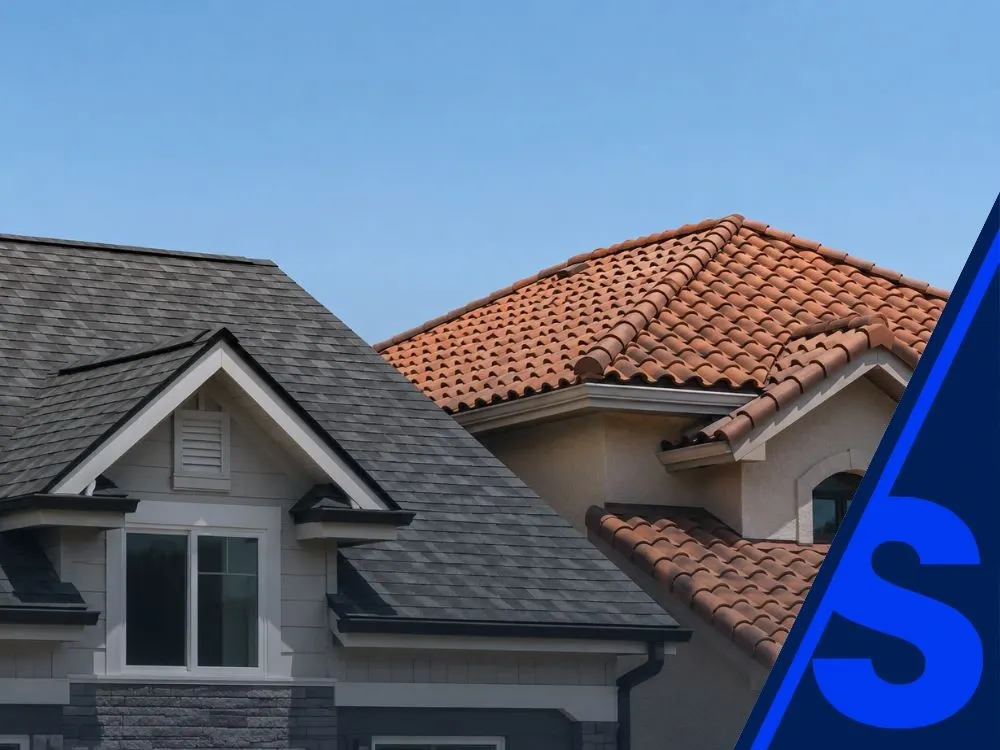
Asphalt shingles offer affordability, easy installation, and versatility, making them ideal for budget-conscious projects and fast-paced production schedules. Tile roofing provides superior longevity, often exceeding 50 years, along with excellent heat resistance and a premium architectural appearance, though it requires a higher upfront investment and additional structural support. Tile roofs are significantly heavier and are typically better suited for hot climates, while asphalt shingles remain practical across a wide range of climate conditions and production home applications.
Is a tile roof better than asphalt shingles?
Tile roofing can outperform asphalt shingles in longevity, heat resistance, and architectural appeal, especially in warm climates and luxury residential developments. However, asphalt shingles are often more efficient for production builders because they install faster, cost less upfront, and require less structural reinforcement.
What are the disadvantages of asphalt shingles?
Asphalt shingles generally have a shorter lifespan than tile roofing and may experience faster wear in extreme heat or severe weather conditions. For builders, shingles may also require more frequent replacement cycles over the life of a development compared to tile systems.
Does a tile roof last longer than shingles?
Yes. Tile roofing systems commonly last 50 years or longer when properly installed and maintained, while standard asphalt shingles typically last 20 to 30 years depending on product quality and environmental conditions.
What is the difference between shingles and roof tiles?
Shingles are lightweight roofing materials usually made from asphalt and fiberglass, installed in overlapping layers for efficient weather protection. Roof tiles are heavier components made from clay, concrete, or similar materials that provide enhanced durability, thermal performance, and distinctive aesthetics.
Why Roofing Material Selection Matters for Builders
For home builders, choosing between asphalt shingles and tile roofing is not simply a design decision. Roofing material selection directly affects production scheduling, structural engineering, inspection coordination, warranty exposure, and long-term operational efficiency.
In production home communities, roofing systems must support predictable installation timelines and scalable quality control processes. In custom home construction, roofing materials also influence architectural identity, premium positioning, and lifecycle performance expectations.
Builders evaluating asphalt shingles vs tile roofing must consider:
- installation speed
- structural load requirements
- inspection complexity
- climate performance
- labor availability
- warranty risk
- project budget alignment
The roofing system selected at the design stage can influence the efficiency of the entire build cycle.
According to the U.S. Department of Energy, cool roofing materials and reflective roofing systems can significantly reduce heat transfer into buildings and improve energy efficiency in hot climates.
For builders operating in warm-weather markets like Florida, roofing material decisions have a direct impact on long-term building performance and code compliance.
Understanding Asphalt Shingles in New Construction
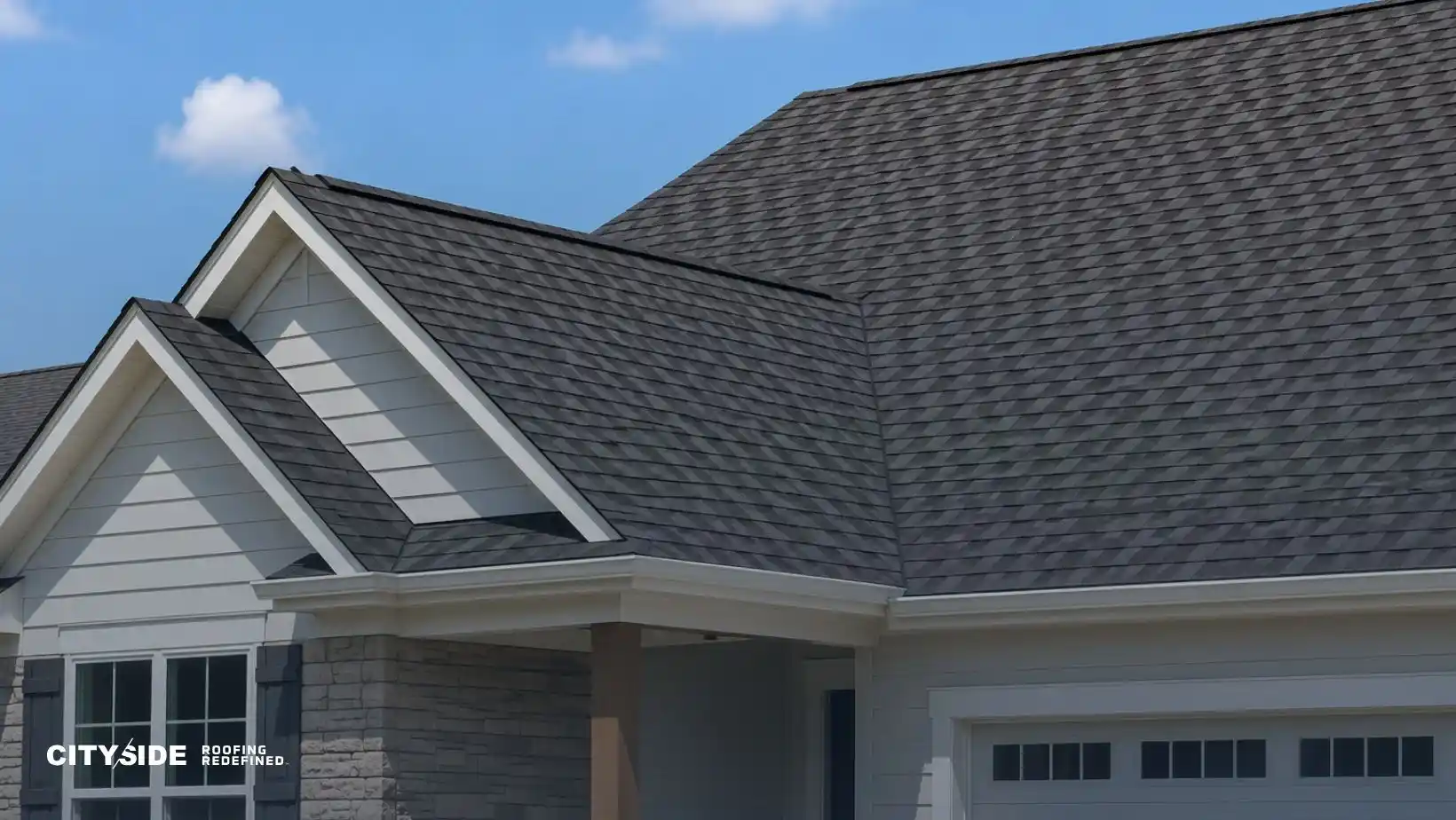
Asphalt shingles remain the most widely used roofing system in residential construction due to their affordability, installation efficiency, and broad availability.
Modern asphalt shingles typically consist of:
- fiberglass reinforcement
- asphalt waterproofing layers
- protective granules
- adhesive bonding strips
These systems work particularly well for production builders focused on maintaining consistent installation schedules across multiple communities.
Advantages of asphalt shingles for builders
Faster installation timelines
Asphalt shingles generally install faster than tile systems, helping builders maintain aggressive production schedules.
Lower structural requirements
Because shingles are lightweight, they rarely require additional structural engineering or reinforcement.
Simplified logistics
Shingles are easier to transport, stage, and distribute across active communities.
Flexible architectural compatibility
Shingles can work across many home styles without major detailing complications.
Builders partnering with a Roofing company in Florida often choose asphalt shingles for production-focused developments where scheduling efficiency is critical.
Understanding Tile Roofing in Residential Development
Tile roofing systems are commonly used in luxury homes, Mediterranean-inspired developments, and high-end custom builds where longevity and architectural appearance are major priorities.
Tile roofing may include:
- clay tiles
- concrete tiles
- specialty composite tile systems
These roofs provide strong weather resistance and excellent thermal performance, particularly in hot climates.
Advantages of tile roofing for builders
Long service life
Tile systems often exceed 50 years of service life when properly installed.
Superior heat resistance
Tile roofing performs exceptionally well in high-temperature environments.
Premium architectural positioning
Luxury builders frequently use tile systems to reinforce upscale community aesthetics.
Reduced long-term replacement frequency
Although initial costs are higher, lifecycle replacement cycles are significantly longer.
Builders working with Roofers for luxury home roofing installation often rely on tile systems to support premium architectural designs and long-term durability expectations.
Asphalt Shingles vs Tile Roofing: Builder Comparison Table
Category | Asphalt Shingles | Tile Roofing |
Initial material cost | Lower | Higher |
Installation speed | Faster | Slower |
Structural load | Lightweight | Heavy |
Climate performance | Broad climate compatibility | Excellent in hot climates |
Lifespan | 20 to 30 years | 50+ years |
Labor complexity | Moderate | Higher |
Inspection complexity | Lower | Higher |
Architectural impact | Flexible | Premium aesthetic |
Warranty exposure | Moderate | Lower long-term risk when properly installed |
This comparison highlights why builders often select different roofing systems depending on project type and production goals.
Production Scheduling Considerations
Scheduling efficiency is one of the most important differences between asphalt shingles and tile roofing.
Asphalt shingles and production speed
Asphalt shingles support streamlined workflows because:
- crews install them faster
- material handling is simpler
- weather exposure windows are shorter
- inspections are typically less complex
These characteristics make shingles highly effective for large-scale production communities.
Tile roofing and extended scheduling windows
Tile roofing requires:
- additional structural review
- more specialized installation crews
- slower installation sequencing
- more detailed flashing integration
Builders using tile systems should account for longer roofing durations in project schedules.
Roofing installation timeline comparison
Roofing Stage | Asphalt Shingles | Tile Roofing |
Material staging | Faster | Slower |
Installation pace | Rapid | Moderate |
Structural review | Minimal | Often required |
Dry-in timing | Faster | Slower |
Final detailing | Moderate | Extensive |
Builders seeking predictable cycle times often work with a Roofing trade partner in Florida that understands production scheduling requirements and trade coordination.
Structural Engineering and Load Requirements
One of the most critical technical differences in the asphalt shingles vs tile roofing discussion is structural weight.
Tile roofs are substantially heavier than asphalt shingles.
Approximate roofing weight comparison
Roofing Material | Approximate Weight Per Square |
Asphalt shingles | 200 to 350 pounds |
Concrete tile | 900 to 1,200 pounds |
Clay tile | 600 to 1,000 pounds |
This difference directly affects:
- truss engineering
- framing design
- structural calculations
- load-bearing requirements
Builders using tile systems often need upgraded truss packages and additional engineering review before installation begins.
Production builders focused on operational efficiency may prefer shingles simply because they reduce structural complexity.
Inspection and Code Compliance
Roofing inspections are a major scheduling milestone in residential construction.
Asphalt shingle inspection workflow
Typical asphalt shingle inspections involve:
- underlayment verification
- fastening pattern checks
- flashing inspection
- final roofing inspection
Tile roofing inspection workflow
Tile systems may involve:
- structural verification
- underlayment review
- batten system inspection
- fastening and attachment inspection
- ventilation review
- final tile placement verification
Roofing code compliance checklist
Compliance Requirement | Asphalt Shingles | Tile Roofing |
Structural review | Minimal | Extensive |
Underlayment verification | Yes | Yes |
Fastener inspection | Yes | Yes |
Ventilation review | Yes | Yes |
Secondary waterproofing | Sometimes | Frequently required |
Builders working with a Roofing contractor in Florida that understands inspection sequencing can reduce reinspection delays and improve project predictability.
Warranty Risk and Long-Term Performance
Warranty management is a major concern for builders, especially in large developments.
Asphalt shingles and warranty considerations
Potential warranty concerns include:
- heat-related deterioration
- wind uplift damage
- shorter replacement cycles
- granule wear over time
Tile roofing and warranty considerations
Tile systems generally reduce long-term replacement risk but may introduce:
- cracking concerns during installation
- structural loading complications
- specialized repair requirements
However, when installed correctly, tile systems often provide stronger long-term durability performance.
Builders prioritizing warranty reduction frequently evaluate roofing systems through a lifecycle perspective rather than simply comparing installation costs.
Operational Efficiency Across Production Communities
For production builders managing multiple active subdivisions, roofing efficiency affects overall build throughput.
Asphalt shingles support scalability
Builders often favor shingles because they:
- simplify procurement
- reduce crew specialization requirements
- improve scheduling flexibility
- minimize structural complications
Tile roofing supports premium development positioning
Tile roofing often aligns better with:
- luxury communities
- coastal architectural styles
- high-end custom home developments
- premium branding strategies
Builders can learn more about selecting roofing systems based on community type in Roofing systems for builders choosing the right roofing system for different types of homes custom vs track homes.
Climate Performance and Energy Efficiency
Climate conditions significantly influence roofing material performance.
Asphalt shingles in varying climates
Shingles perform effectively in:
- moderate climates
- mixed weather conditions
- standard production applications
However, prolonged high heat exposure may reduce service life over time.
Tile roofing in hot climates
Tile roofing performs exceptionally well in hot environments because:
- air circulation beneath tiles reduces heat transfer
- thermal mass improves temperature stability
- reflective properties improve energy efficiency
Builders in warm-weather markets often prefer tile systems for luxury communities where long-term energy performance supports premium positioning.
Quality Control Systems for Roofing Installation
Quality control systems become increasingly important as roofing complexity increases.
Asphalt shingle QC focus areas
Builders typically monitor:
- fastening patterns
- flashing installation
- underlayment overlaps
- ventilation details
Tile roofing QC focus areas
Tile roofing often requires additional oversight for:
- batten alignment
- tile fastening methods
- underlayment integrity
- structural attachment points
- edge detailing
Quality control comparison
QC Category | Asphalt Shingles | Tile Roofing |
Crew training complexity | Moderate | High |
Installation variability | Lower | Higher |
Structural coordination | Minimal | Extensive |
Inspection sensitivity | Moderate | High |
Builders seeking consistent installation quality often rely on a Roofing trade partner in Florida for custom homes that understands builder-level QC processes and documentation standards.
Roofing Materials and Community Design Themes
Roofing systems contribute significantly to the visual identity of residential developments.
Asphalt shingles and design flexibility
Shingles work well for:
- traditional subdivisions
- production neighborhoods
- mixed architectural communities
Tile roofing and development identity
Tile roofing often supports:
- Mediterranean communities
- coastal developments
- luxury custom neighborhoods
- upscale branding strategies
Builders exploring how roofing systems reinforce development aesthetics can review The role of roofing in enhancing development themes.
Cost Comparison for Builders
Budget considerations remain central in roofing material selection.
Typical roofing cost comparison
Cost Factor | Asphalt Shingles | Tile Roofing |
Material cost | Lower | Higher |
Labor cost | Lower | Higher |
Structural upgrades | Rare | Often required |
Installation duration | Shorter | Longer |
Lifecycle replacement frequency | Higher | Lower |
Builders must evaluate both initial construction costs and long-term lifecycle implications when comparing systems.
For many production communities, asphalt shingles provide the most efficient balance of affordability and installation speed.
For premium developments, tile roofing may justify higher upfront costs through architectural value and durability.
Choosing the Right Roofing System for Your Build
The best roofing system depends on the builder’s priorities.
Asphalt shingles are often best for:
- production home communities
- faster build cycles
- budget-sensitive developments
- simplified scheduling workflows
Tile roofing is often best for:
- luxury custom homes
- premium architectural communities
- hot-climate developments
- long-term lifecycle positioning
Builders should evaluate roofing systems based on:
- scheduling goals
- climate conditions
- structural requirements
- architectural vision
- operational efficiency targets
Working with a reliable Roofing company for custom home builders can help builders align roofing system selection with broader project goals.
Conclusion: Asphalt Shingles vs Tile Roofing for Builders
The debate around asphalt shingles vs tile roofing is ultimately a question of project priorities.
Asphalt shingles provide speed, affordability, installation flexibility, and operational efficiency that align well with production homebuilding environments.
Tile roofing delivers exceptional durability, heat resistance, and architectural value, making it a strong choice for luxury developments and high-end custom homes.
For builders, the best solution depends on balancing:
- budget requirements
- scheduling demands
- structural design
- warranty expectations
- long-term community positioning
Builders seeking a dependable Roofing trade partner in Florida can work with CitySide Roofing to evaluate roofing systems that align with production efficiency, inspection readiness, and long-term quality standards.
Key Builder Takeaways
- Asphalt shingles support faster installation and lower upfront construction costs
- Tile roofing provides superior longevity and heat resistance for premium developments
- Tile systems require additional structural planning and specialized installation workflows
- Roofing selection directly affects scheduling, inspections, and warranty exposure
- Production builders often prioritize shingles for scalability and operational efficiency
- Luxury builders frequently use tile roofing to support premium architectural positioning
- Quality control systems become increasingly important as roofing complexity increases
Builders ready to select the right roofing system for upcoming developments can contact a trusted Roofing contractor in Florida to discuss builder-focused roofing strategies and installation planning.