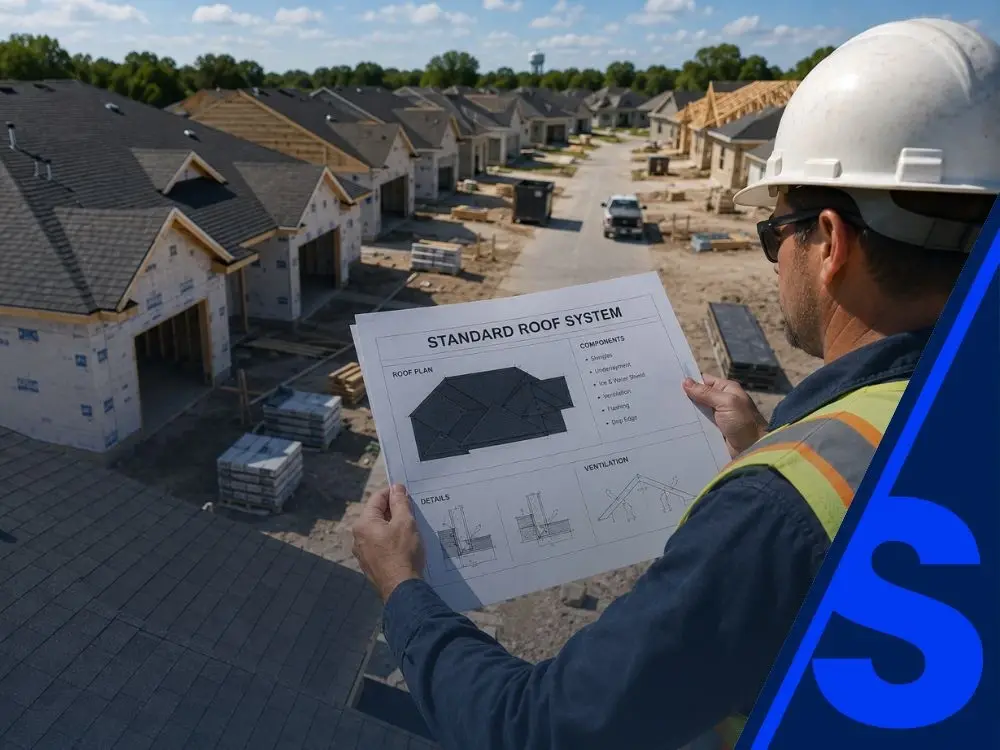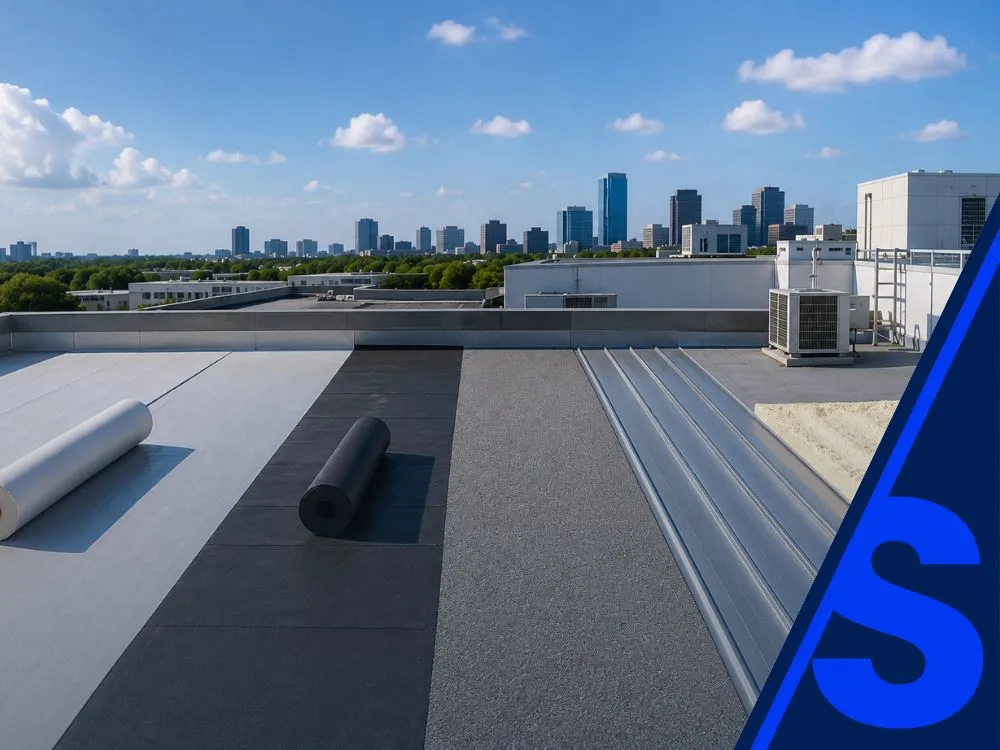
Common commercial roofing materials include durable single-ply membranes like TPO, PVC, and EPDM, each offering different advantages for builders. TPO is cost-effective and reflective, PVC provides superior chemical resistance, and EPDM offers long-term durability. For more demanding applications, metal roofing is preferred for longevity, while modified bitumen, polyurethane foam (PUF), and liquid-applied membranes are used for enhanced waterproofing and insulation performance. Selecting the right system depends on construction timelines, code compliance, long-term durability, and operational efficiency.
What is the best material for commercial roofing?
The best material for commercial roofing depends on the project requirements. For builders, TPO is often preferred for cost efficiency and energy performance, while metal roofing is ideal for long-term durability. PVC is commonly selected for buildings exposed to chemicals or grease, such as restaurants or industrial facilities.
What are most commercial building roofs made of?
Most commercial building roofs are constructed using single-ply membrane systems such as TPO, EPDM, or PVC. These materials are widely used because they are lightweight, cost-effective, and suitable for flat or low-slope roof designs common in commercial construction.
Which roof is better, EPDM or TPO?
EPDM is known for durability and flexibility, especially in varying climates, while TPO offers better energy efficiency due to its reflective properties. For builders, the decision often comes down to energy code requirements, installation speed, and lifecycle cost expectations.
What are the top 5 roofing materials?
The top five roofing materials for commercial buildings typically include TPO, PVC, EPDM, metal roofing, and modified bitumen. Each offers different advantages in cost, durability, installation complexity, and long-term performance.
Why Roofing Material Selection Matters for Builders
Selecting the right roofing materials for commercial buildings is not just a design decision. For home builders expanding into mixed-use developments or commercial-scale projects, it directly impacts production scheduling, inspection approvals, long-term performance, and warranty exposure.
Roofing systems in commercial construction must meet stricter performance expectations than residential systems. Builders must consider:
- structural load requirements
- energy efficiency standards
- drainage performance
- code compliance
- long-term maintenance risk
- installation timelines
A poorly selected roofing system can delay inspections, create coordination issues with other trades, and increase lifecycle costs. On the other hand, the right material supports faster builds, smoother inspections, and more predictable outcomes.
The U.S. Department of Energy notes that “cool roofing materials can significantly reduce building energy use by reflecting more sunlight and absorbing less heat,” highlighting the importance of material selection in energy-efficient construction.
For builders focused on efficiency and scalability, roofing material selection must align with both construction performance and operational goals.
Key Factors Builders Should Consider When Selecting Roofing Materials
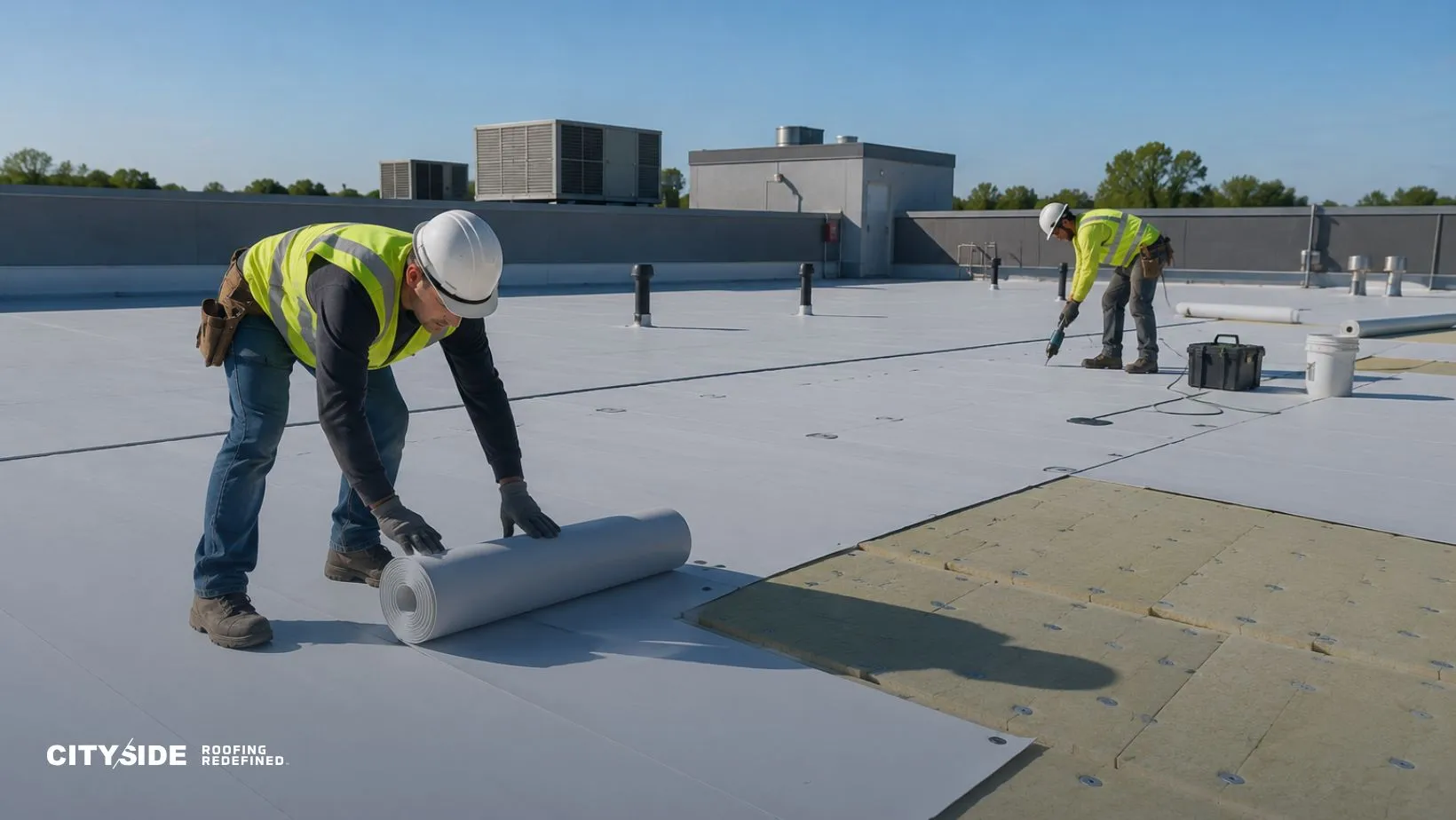
Choosing roofing materials for commercial buildings requires balancing multiple factors that influence both construction and long-term performance.
1. Production scheduling and installation speed
Some materials install faster than others. Single-ply membranes such as TPO and EPDM allow for quicker installation compared to more complex systems like metal or tile assemblies.
Faster installation means:
- reduced labor costs
- quicker dry-in
- earlier interior work start
- improved cycle time across projects
2. Code compliance and energy requirements
Commercial roofs must meet strict building codes related to:
- energy efficiency
- fire resistance
- wind uplift
- drainage
Reflective materials such as TPO and PVC often help meet energy codes more easily.
3. Warranty risk and durability
Durability directly affects warranty exposure. Materials with longer lifespans and fewer failure points reduce long-term builder liability.
4. Material availability and supply chain timing
Lead times can vary significantly depending on the material. Builders must align material selection with procurement timelines to avoid delays.
5. Long-term operational efficiency
The right roofing system reduces maintenance costs and improves building performance over time.
Builders working with a reliable Roofing trade partner in Florida can better align material selection with these priorities.
Comparison of Common Commercial Roofing Materials
Understanding the differences between materials helps builders make informed decisions.
Commercial Roofing Material Comparison Table
Material | Installation Speed | Durability | Energy Efficiency | Best Use Case |
TPO | Fast | Moderate | High | Large flat roofs |
PVC | Moderate | High | High | Industrial or chemical exposure |
EPDM | Fast | High | Moderate | General commercial use |
Metal | Slower | Very high | Moderate to high | Long lifespan projects |
Modified Bitumen | Moderate | Moderate | Low to moderate | Waterproofing applications |
TPO Roofing: Builder Efficiency and Cost Control
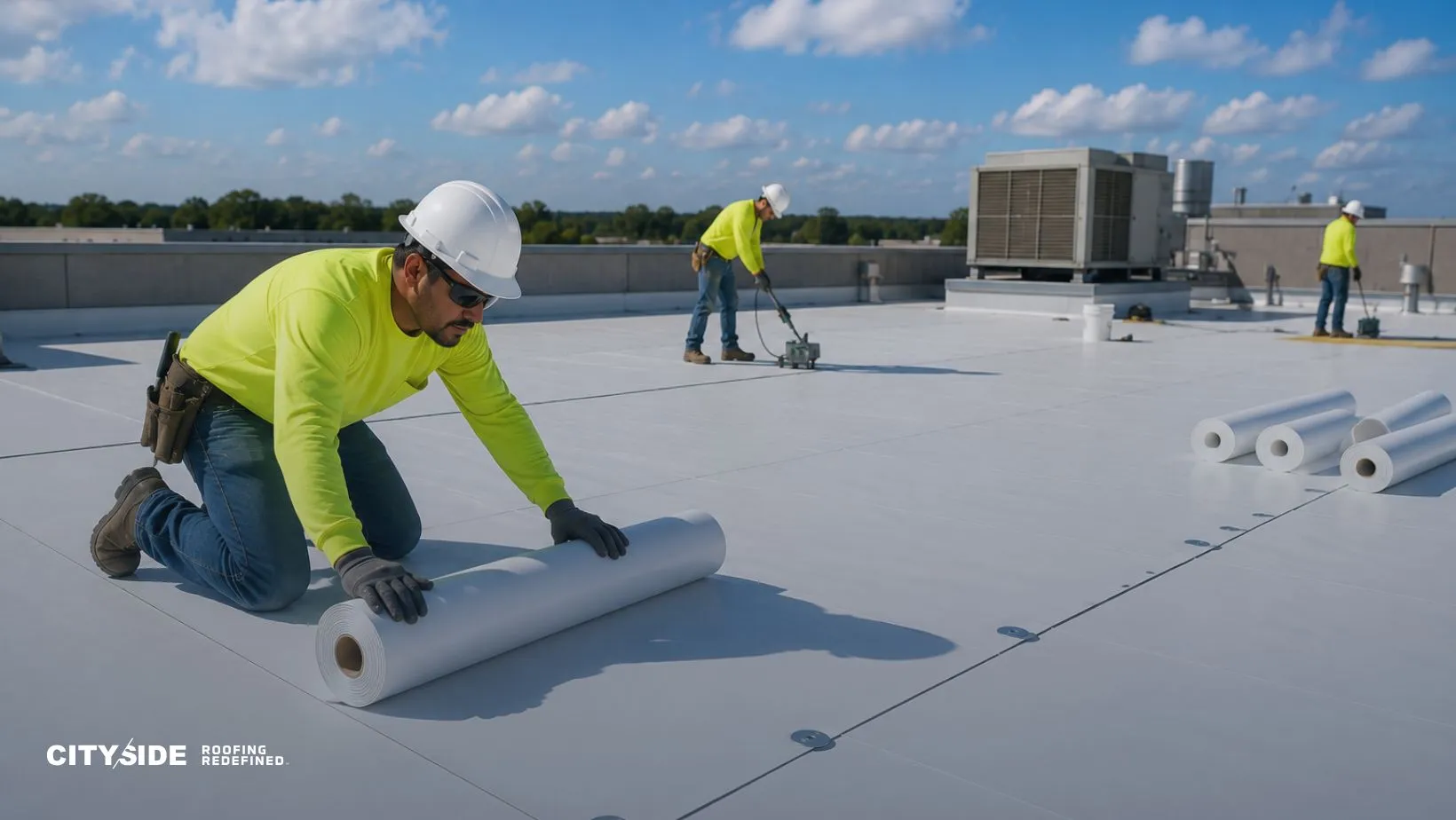
TPO (Thermoplastic Polyolefin) is one of the most widely used roofing materials for commercial buildings.
Advantages for builders
- cost-effective installation
- reflective surface supports energy codes
- relatively fast installation
- widely available
Considerations
- seams require proper welding
- quality varies by manufacturer
TPO is often selected by builders focused on balancing cost and performance across multiple projects.
PVC Roofing: High Performance in Specialized Environments
PVC roofing systems are known for durability and chemical resistance.
Advantages
- excellent resistance to chemicals and grease
- strong seam integrity
- long lifespan
Ideal applications
- restaurants
- industrial facilities
- buildings with chemical exposure
Builders working with a Roofing company in Florida often choose PVC when performance requirements exceed standard conditions.
EPDM Roofing: Proven Durability and Flexibility
EPDM is a synthetic rubber membrane that has been used for decades.
Advantages
- long-term durability
- flexibility in temperature changes
- relatively easy installation
Limitations
- less reflective than TPO or PVC
- may require additional coatings for energy compliance
EPDM is often used in projects where durability and cost predictability are priorities.
Metal Roofing Systems: Long-Term Value and Structural Performance
Metal roofing is increasingly popular in commercial and mixed-use developments.
Advantages
- long lifespan
- strong weather resistance
- suitable for complex architectural designs
Considerations
- higher upfront cost
- longer installation time
Builders working on premium developments often rely on Roofers for luxury home roofing installation for high-end metal roofing systems.
Modified Bitumen and Specialty Systems
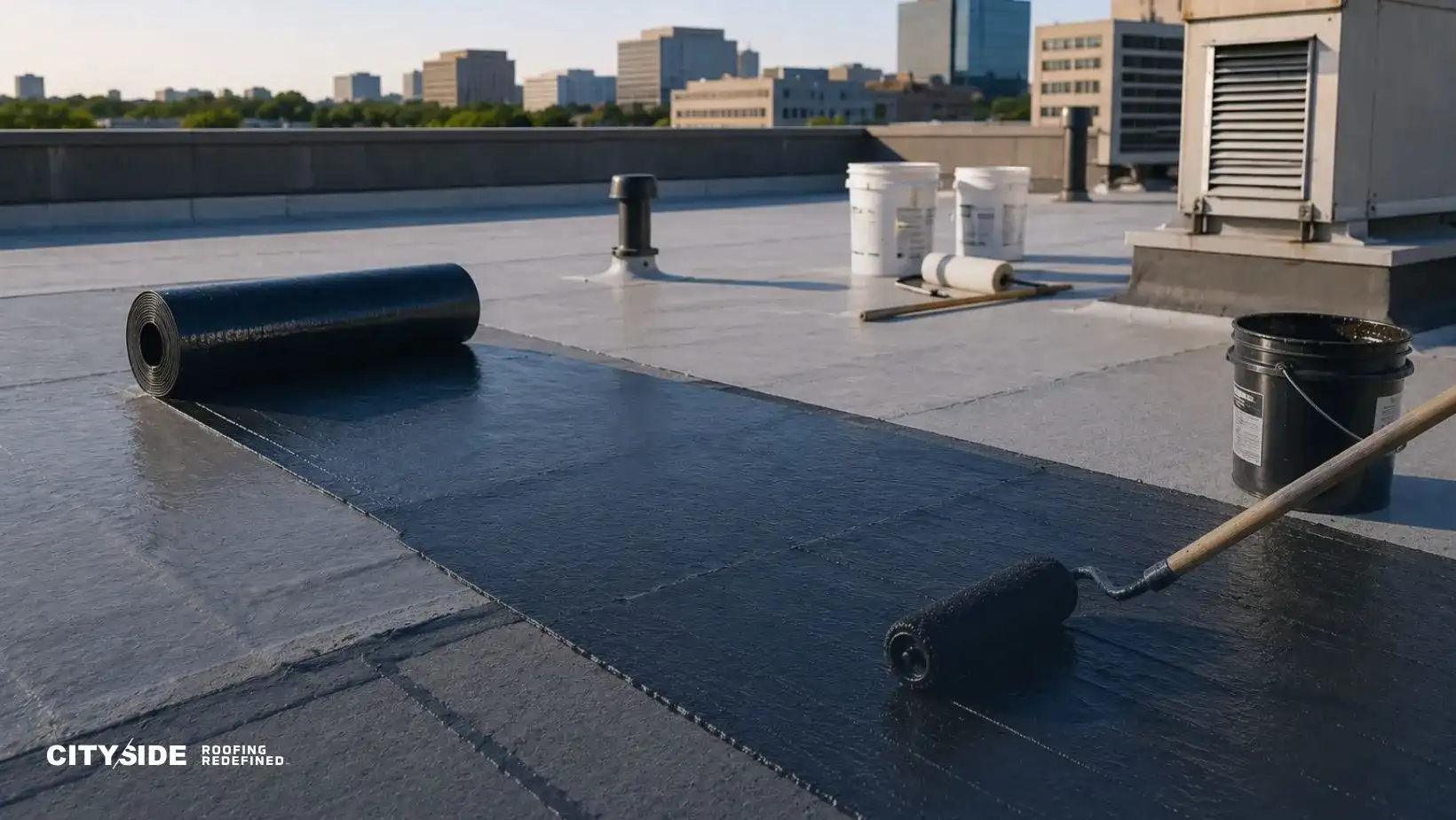
Modified bitumen, polyurethane foam, and liquid-applied membranes are often used in specialized applications.
Common uses
- waterproofing systems
- insulation enhancement
- complex roof geometries
These systems require careful installation and quality control.
Installation Timeline Comparison
Roofing System | Typical Installation Time | Scheduling Impact |
TPO | 3 to 5 days | Minimal delays |
EPDM | 3 to 6 days | Moderate |
PVC | 4 to 7 days | Moderate |
Metal | 7 to 14 days | Higher coordination |
Modified Bitumen | 5 to 8 days | Moderate |
Builders must align installation timelines with overall construction schedules to avoid bottlenecks.
Cost Considerations for Builders
Cost is always a major factor in selecting roofing materials.
Commercial Roofing Cost Comparison
Material | Cost Range (per sq ft) | Lifecycle Value |
TPO | Low to moderate | Good |
EPDM | Moderate | Very good |
PVC | Moderate to high | Excellent |
Metal | High | Excellent |
Modified Bitumen | Moderate | Good |
Builders can explore deeper cost comparisons in Roofing company for custom home builders.
Roofing and Development Design Integration
Roofing is not just functional. It also supports the overall design and theme of a development.
Material selection can influence:
- building aesthetics
- branding consistency
- architectural cohesion
For builders working on large developments, roofing plays a role in visual identity and long-term property value.
Learn more about design integration in Roofing trade partner in Florida for custom homes.
Code Compliance and Inspection Readiness
Commercial roofing systems must pass multiple inspections.
Roofing Code Compliance Checklist
Requirement | Importance | Builder Impact |
Fire rating | Critical | Required for approval |
Wind uplift resistance | High | Structural safety |
Drainage design | Critical | Prevents water pooling |
Energy compliance | High | Required for permits |
Installation verification | Critical | Ensures warranty validity |
Builders working with a Roofing contractor in Florida that understands compliance requirements reduce delays and reinspection risks.
Quality Control Systems for Roofing Installation
Quality control is essential for long-term performance.
Builders should implement:
- standardized installation checklists
- material verification processes
- inspection documentation systems
- subcontractor performance tracking
Working with CitySide Roofing helps builders maintain consistent quality across projects.
Conclusion: Making the Right Roofing Material Decision
Selecting the best roofing materials for commercial buildings requires more than comparing product specifications. Builders must consider how each material impacts scheduling, compliance, durability, and operational efficiency.
The right choice supports:
- faster construction timelines
- smoother inspections
- reduced warranty risk
- long-term building performance
Builders who align material selection with production goals gain a competitive advantage in both cost control and project delivery.
Key Builder Takeaways
- TPO, PVC, and EPDM are the most common commercial roofing materials
- Material selection directly impacts construction timelines and inspection success
- Metal roofing offers long-term durability for premium projects
- Proper material choice reduces warranty risk and improves efficiency
- Builders should align roofing systems with scheduling and procurement planning
- Quality control systems are essential for consistent results
Builders ready to select the right roofing system and streamline their construction process can connect with a trusted Roofing contractor in Florida.