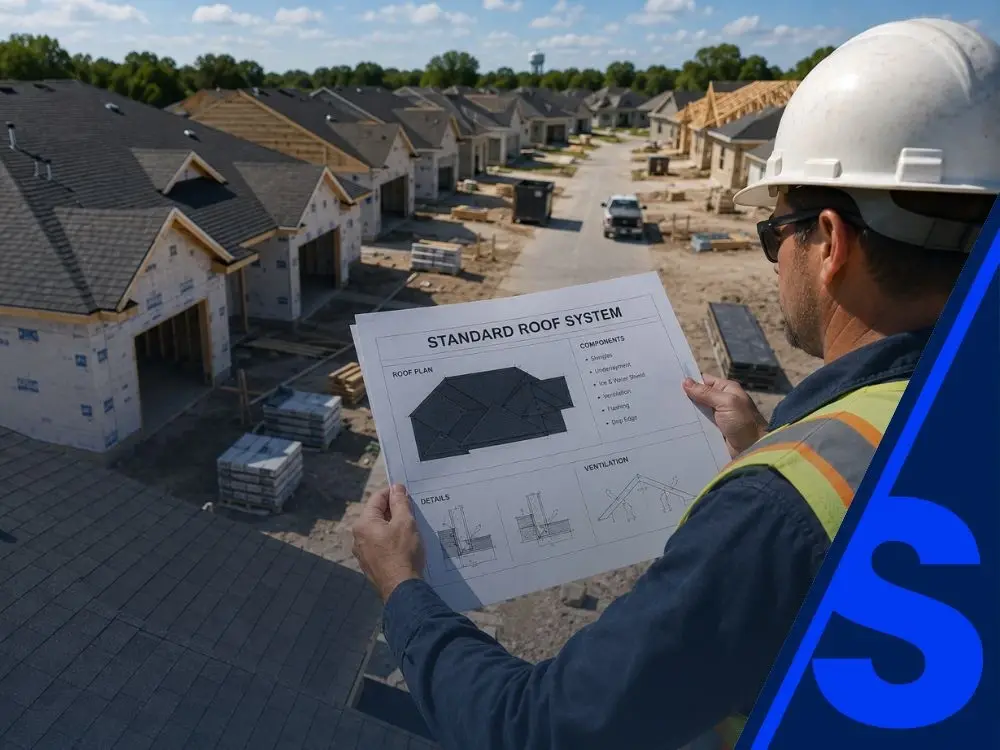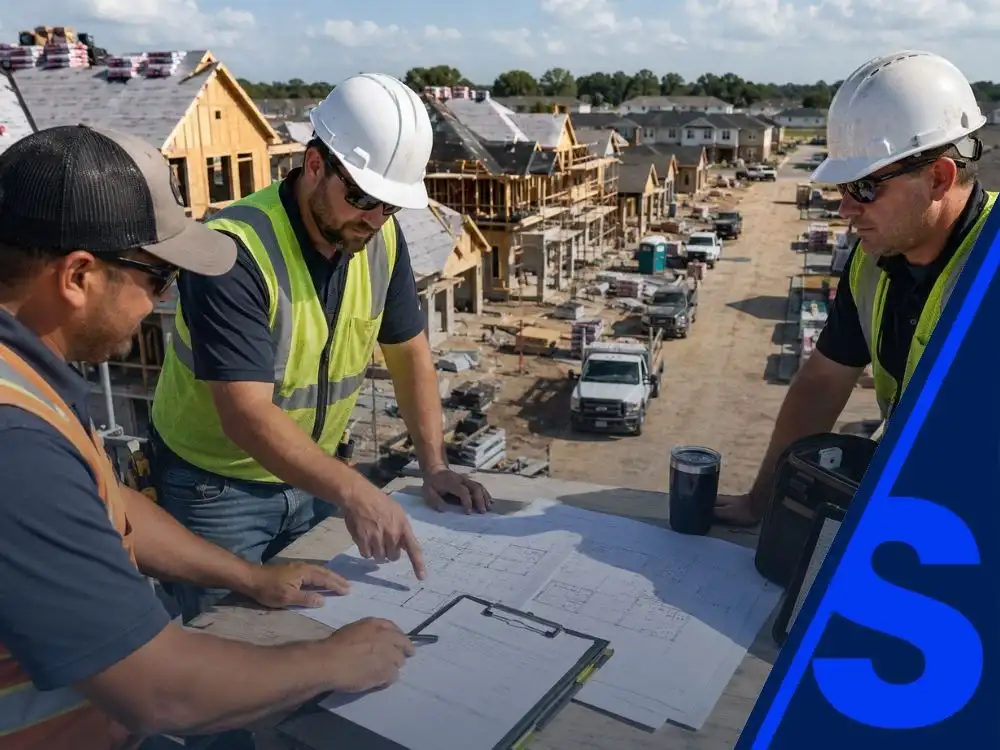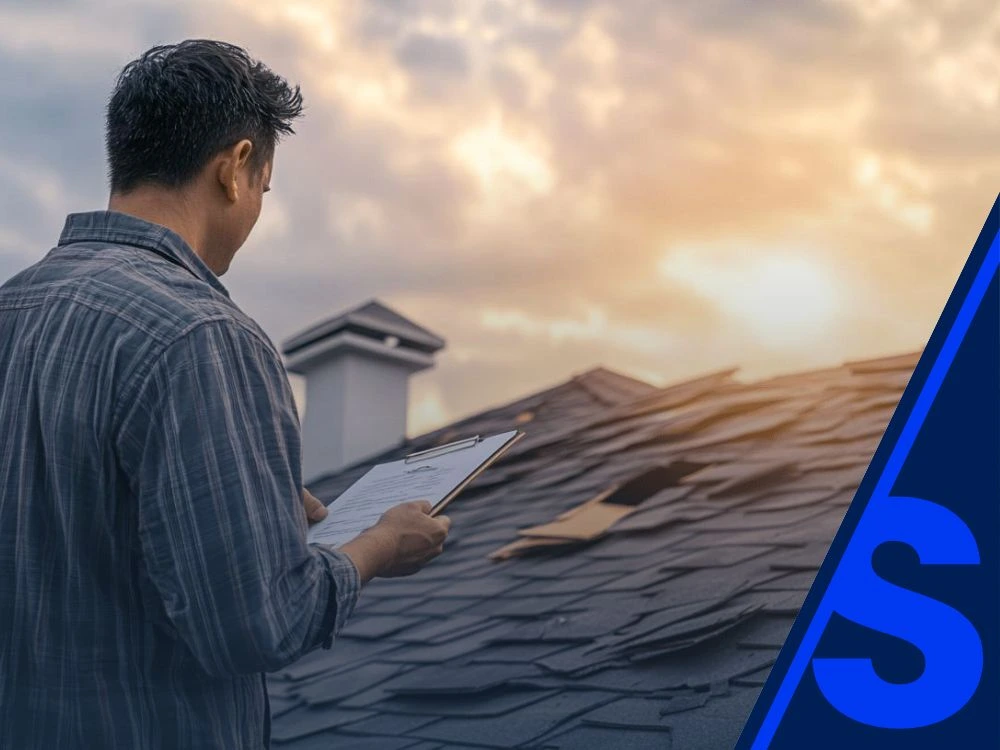
Estimating roofing costs for new residential builds in Florida requires a detailed understanding of material pricing, labor rates, and regulatory requirements. Home builders must consider multiple factors to ensure their roofing investments align with both budget constraints and long-term durability. The right roofing system must not only be cost-effective but also be capable of withstanding Florida’s intense weather conditions, including high heat, humidity, heavy rainfall, and hurricane-force winds.
This guide breaks down the key factors influencing roofing costs and offers expert insights to help builders optimize their budgets without compromising on quality.
Key Factors Affecting Roofing Costs

Material Selection and Pricing
The choice of roofing material significantly impacts overall costs. Florida’s climate demands durability, weather resistance, and energy efficiency, especially when evaluating materials for hurricane-resilient roofing systems that can withstand high winds and heavy rain. Here’s a cost comparison of popular roofing materials:
- Asphalt Shingles – The most affordable option, averaging $4 to $6 per square foot, with good durability for single-family homes and townhomes.
- Metal Roofing – A premium option at $7 to $14 per square foot, offering superior longevity and hurricane resistance.
- Tile Roofing – Typically $8 to $16 per square foot, providing excellent durability and an attractive finish but requiring a stronger roof structure.
- TPO and EPDM (Flat Roofs) – Ranges from $5 to $10 per square foot, commonly used for large-scale or multi-unit developments.
Choosing the right material depends on budget, aesthetic preferences, and long-term maintenance considerations.
Roof Size and Complexity
The total square footage of the roof plays a major role in cost estimation. Larger roofs naturally require more materials and labor. However, complexity is just as important:
- Simple, Gable Roofs – More cost-effective due to straightforward installation.
- Hip or Mansard Roofs – Require additional materials and labor, increasing costs.
- Multi-Level or Steep-Slope Roofs – More challenging to install, leading to higher labor expenses.
Builders should calculate total square footage and consider design complexity when estimating budgets for roofs.
Labor and Installation Costs
Labor costs vary based on project complexity, location, and roofing material. In Florida, professional roofing labor typically ranges from $2 to $5 per square foot, depending on the material selected and the level of installation difficulty. For builders evaluating sustainability and cost for builder projects, labor efficiency plays a major role in maintaining both budget control and long-term performance.
Several factors influence overall labor expenses.
- Project Scale – Larger projects may receive bulk pricing on materials but require more labor hours.
- Material Handling – Heavier materials like tile increase labor time and require specialized expertise.
- Safety Requirements – Steeper or higher roofs may necessitate additional safety measures, increasing labor expenses.
Permits and Compliance with Florida Roofing Regulations
Florida has strict roofing regulations that builders must follow, affecting both timelines and costs. Common permit and compliance costs include:
- Permit Fees – Typically range from $200 to $600, depending on the municipality.
- Hurricane-Resistant Features – Additional requirements, such as secondary water barriers, impact-resistant materials, and enhanced fastening systems, can add 10-20% to total costs.
- Energy Codes Compliance – Meeting Florida’s energy efficiency regulations may require reflective roofing materials or additional insulation, increasing material costs.
Working with a professional roofing contractor ensures full compliance with state and local codes, preventing costly rework or delays.
Weather and Seasonal Considerations
Florida’s climate affects both material costs and labor availability. Key considerations include:
- Hurricane Season (June – November) – Prices for impact-resistant materials often rise due to increased demand.
- Rainy Season (May – October) – Weather delays can extend project timelines, increasing labor costs.
- Peak Construction Months – Late spring and summer see higher labor demand, potentially raising prices.
Planning roofing installations during Florida’s drier months can help builders manage costs and avoid delays.
Cost-Saving Strategies for Home Builders

To optimize roofing budgets without compromising quality, home builders can implement the following strategies:
✅ Bulk Material Purchasing – Ordering materials in large quantities can reduce per-unit costs.
✅ Value Engineering – Choosing cost-effective alternatives without sacrificing durability.
✅ Efficient Project Scheduling – Avoiding peak seasons to reduce labor costs.
✅ Partnering with a Reliable Roofing Contractor – Working with a trusted professional ensures accurate estimates and high-quality workmanship.
CitySide Roofing provides builders with budget-friendly solutions for roofs while maintaining top-tier durability and compliance.
Related read: CitySide Roofing’s Role in Streamlining Builder Projects
Why Work with a Professional Roofing Contractor in Florida
Home builders benefit significantly from partnering with an experienced roofing company.
Advantages include:
🔹 Accurate Cost Estimates – Expert guidance in selecting cost-effective materials and optimizing labor expenses.
🔹 Code Compliance Assurance – Ensuring all roofing systems meet Florida’s strict building codes.
🔹 Quality Workmanship – Proper installation for long-term durability, reducing future repair costs.
🔹 Time Efficiency – Avoiding delays by leveraging industry expertise and efficient scheduling.
Conclusion
Estimating roofing costs for new builds in Florida involves careful planning, material selection, and compliance with state regulations. By understanding the key cost factors—materials, labor, permits, and weather considerations—builders can create accurate budgets and optimize project efficiency.
Working with a trusted roofing partner in Florida ensures high-quality roofing installations that meet Florida’s stringent standards. Whether you’re managing a single-family home development or a large-scale residential project, CitySide Roofing provides expert solutions tailored to your needs.
Contact CitySide Roofing today for expert guidance and accurate cost estimates on your next project!