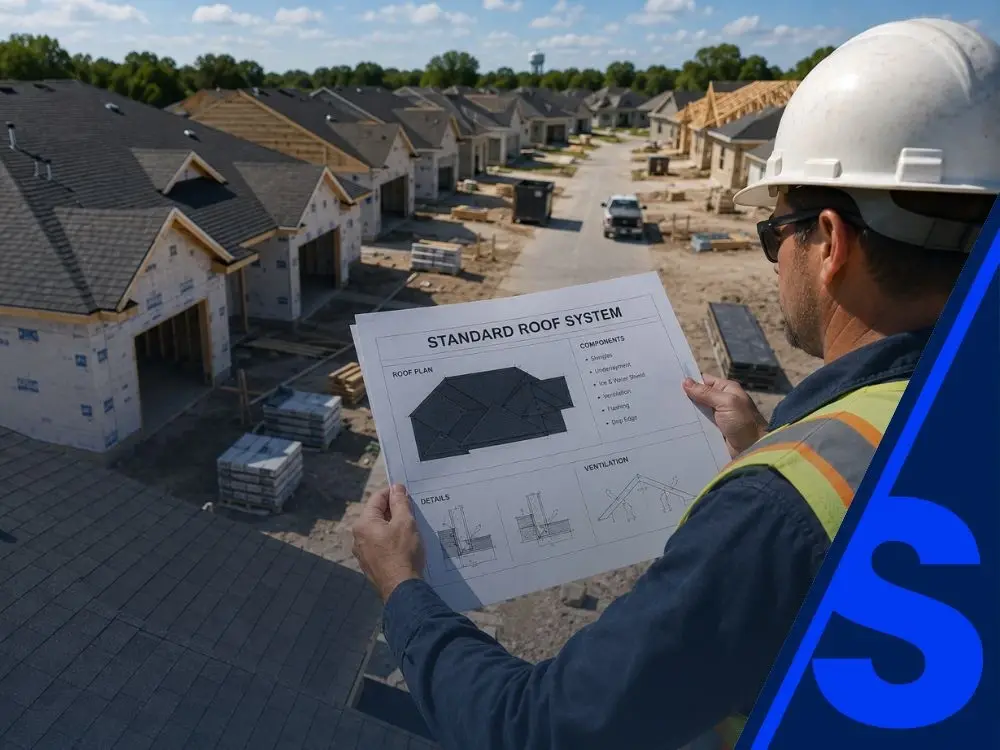
External roof drains and gutters are critical components of a building’s water management system, designed to efficiently channel rainwater away from the structure and foundation. By collecting water that hits the roof and directing it to a safe disposal point, they prevent a host of serious issues such as structural deterioration, foundation damage, moisture intrusion, and long-term maintenance liabilities. For builders, properly designed roof gutters and roof drains are essential to code compliance, inspection approval, and long-term performance in Florida’s high-rainfall environment.
What is the thing called that drains water from the roof?
The components that drain water from the roof are typically called roof gutters and roof drains. Gutters collect rainwater along roof edges, while roof drains are designed to move water off flat or low-slope roofs through controlled outlets.
What is the purpose of a drainage system in a roof plan?
The purpose of a roof drainage system is to control how water leaves the roof surface. It prevents ponding, directs water away from the structure, and protects building materials from moisture-related damage.
How does a proper drainage system protect the house?
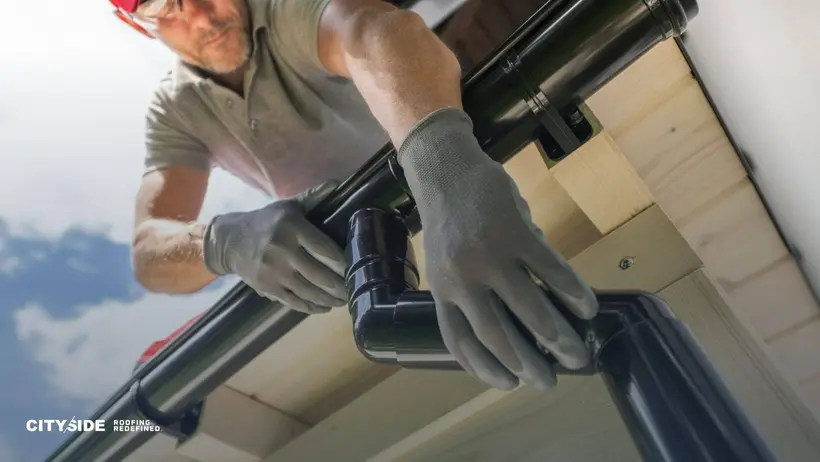
A proper drainage system protects the building by preventing water infiltration, reducing erosion around the foundation, and minimizing the risk of leaks, mold, and structural decay.
What is the best material to divert water away from the house?
Durable materials such as aluminum, galvanized steel, and PVC are commonly used to divert water away from buildings due to their corrosion resistance, strength, and long-term performance.
Water management is one of the most critical yet often underestimated aspects of building design. In Florida, where intense rainfall events and storm systems are common, controlling roof runoff is not optional. Roof gutters and roof drains play a central role in protecting the structure, foundation, and surrounding site conditions from water damage.
For builders and developers, external roof drains and gutters are not just accessories. They are engineered systems that affect inspections, warranty exposure, and long-term asset performance. Poor drainage planning can lead to callbacks, failed inspections, and costly remediation. Properly designed systems support predictable construction schedules, reduce risk, and ensure compliance with building codes.
Expert Insight on Roof Drainage and Water Management
According to guidance from the Federal Emergency Management Agency, effective roof drainage systems are essential for reducing water intrusion and structural damage during heavy rain events. FEMA notes that controlled roof runoff significantly lowers the risk of foundation erosion and moisture-related building failures. This guidance reinforces why roof drains and roof gutters must be integrated early in the design and construction process.
Understanding Roof Gutters and Roof Drains
Roof gutters and roof drains serve the same core purpose but function differently depending on roof design. Gutters are typically installed along the perimeter of sloped roofs, capturing water as it runs off the roof surface. Roof drains are more common on flat or low-slope roofs, where water must be directed to specific exit points.
In both cases, the goal is to manage water flow efficiently. Roof gutters move water horizontally toward downspouts, while roof drains move water vertically through controlled outlets. Builders must understand which system is appropriate for each roof design to avoid water accumulation and structural stress.
Why External Drainage Matters in Florida Construction
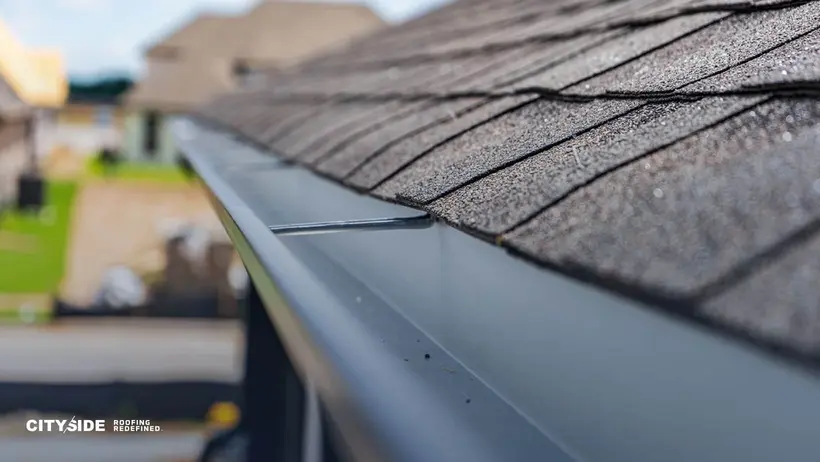
Florida’s climate creates unique challenges for roof drainage. Heavy rainfall, high humidity, and storm-driven winds increase the volume and velocity of water moving across roof surfaces. Without properly sized roof gutters and roof drains, water can overwhelm the system and spill into areas not designed to handle it.
External drainage systems are especially important because they keep water outside the building envelope. By directing water away from walls and foundations, they reduce the likelihood of moisture intrusion, mold growth, and material degradation. Builders who account for Florida’s rainfall intensity during design are better positioned to pass inspections and avoid post-construction issues.
Roof Drainage Systems and Building Code Considerations
Roof drainage requirements are governed by building codes that specify minimum slopes, drain spacing, and discharge locations. These codes exist to ensure that roof gutters and roof drains can handle design rainfall loads without failure.
For builders, compliance is not just about avoiding citations. It is about ensuring predictable performance across multiple projects. Roof drains that are undersized or improperly located can lead to ponding water, which accelerates membrane wear and increases structural loads. Gutters that are incorrectly pitched or inadequately supported can overflow and damage fascia and exterior walls.
Common Types of Roof Gutters Used in New Construction
Several gutter profiles are commonly used in modern construction. K-style gutters are popular due to their capacity and compatibility with contemporary architecture. Half-round gutters are often selected for specific aesthetic or historical designs but may have lower capacity.
Material selection is equally important. Aluminum gutters are lightweight and corrosion-resistant, making them suitable for Florida environments. Galvanized steel offers strength but requires careful coating to resist corrosion. PVC options are sometimes used in specific applications where chemical resistance is required.
Builders must consider roof size, pitch, and expected rainfall when selecting gutter size and material. Undersized roof gutters are a frequent cause of overflow and site drainage issues.
Roof Drains for Flat and Low-Slope Roofs
Flat and low-slope roofs rely heavily on roof drains to manage water. Unlike sloped roofs, water does not naturally shed toward edges, making precise drain placement critical. Roof drains are typically installed at low points and connected to piping systems that discharge water away from the structure.
Primary roof drains are often paired with secondary or overflow drains to protect against blockage or extreme rainfall events. This redundancy is especially important in commercial and multifamily construction, where large roof areas can collect significant volumes of water in a short time.
How Poor Drainage Leads to Water Damage
When roof gutters or roof drains fail to perform, water damage often follows. Overflowing gutters can saturate wall assemblies, leading to staining, rot, and insulation failure. Blocked or insufficient roof drains can cause ponding, increasing load on the roof structure and accelerating membrane deterioration.
Water that is not properly diverted can also undermine foundations. Repeated saturation of soil around the building increases hydrostatic pressure and can lead to cracking or settlement. These issues are costly to repair and often fall outside standard warranties.
Integrating Roof Drainage into Site Water Management
Roof drainage does not operate in isolation. Roof gutters and roof drains must connect to a broader site water management strategy. Downspouts and drain outlets should discharge water far enough from the structure to prevent reabsorption into the soil near the foundation.
Builders must coordinate roof drainage with grading, swales, and stormwater systems. Poor coordination can result in water pooling near entryways, sidewalks, or adjacent structures. Effective integration reduces erosion, improves site durability, and supports long-term performance.
Design Considerations for High-Rainfall Events
Extreme rainfall events are becoming more frequent, making drainage capacity a critical design factor. Roof gutters and roof drains must be sized not just for average rainfall but for peak events. This includes accounting for debris accumulation, which can reduce effective capacity.
Designers often include overflow scuppers or secondary drains as a fail-safe. These features provide an alternate path for water if primary systems become overwhelmed. Builders who incorporate these elements demonstrate foresight and reduce exposure to water-related failures.
Installation Best Practices for Roof Gutters and Drains
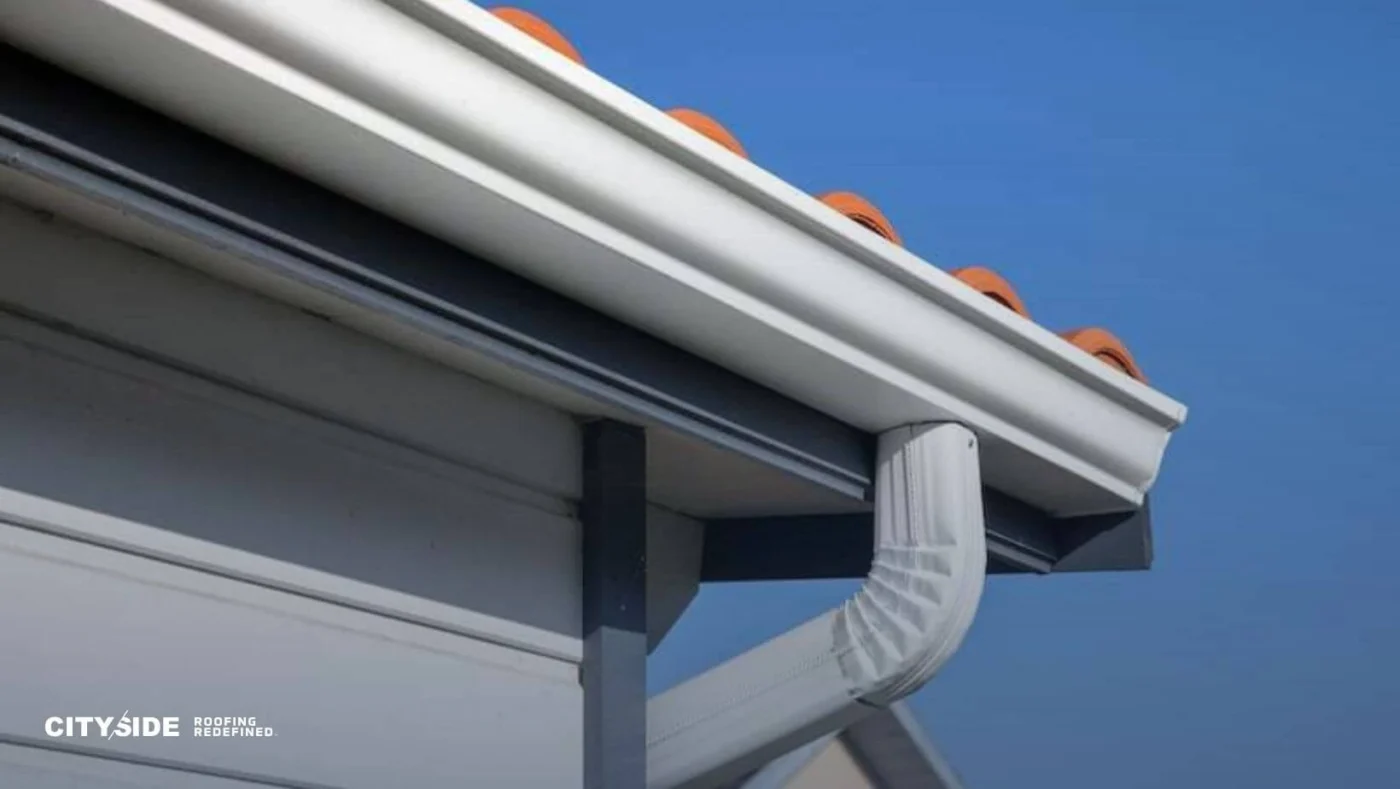
Proper installation is as important as proper design. Roof gutters must be pitched correctly to ensure water flows toward downspouts. Fasteners and hangers must be spaced appropriately to prevent sagging under load.
Roof drains require precise placement and sealing to maintain watertight integrity. Improperly installed drains can leak at the membrane interface, leading to hidden water damage. Quality control during installation is essential to verify that systems perform as designed.
Inspection and Maintenance Considerations for Builders
While builders may not be responsible for long-term maintenance, design decisions affect how easily systems can be inspected and serviced. Accessible cleanouts, debris guards, and clear discharge paths make it easier to maintain roof gutters and roof drains.
From a liability standpoint, builders benefit from systems that perform reliably with minimal intervention. Clear documentation and as-built drawings help demonstrate that drainage systems were designed and installed correctly.
Long-Term Performance and Risk Reduction
Effective roof drainage systems reduce risk throughout the building lifecycle. They protect roofing materials, preserve structural integrity, and reduce moisture-related issues that can lead to disputes or warranty claims.
For builders managing multiple projects, standardized drainage details and specifications create consistency. This consistency supports predictable outcomes, smoother inspections, and reduced rework.
Conclusion
Roof gutters and roof drains are foundational elements of building performance. They manage water, protect structural components, and support code compliance in demanding climates. In Florida construction, where rainfall intensity is a constant factor, external drainage systems must be designed and installed with precision.
Builders who prioritize roof drainage early in the design process avoid many of the most common causes of water damage. By understanding how roof gutters and roof drains function together, teams can deliver projects that perform reliably from day one.
Key Takeaways
- Roof gutters and roof drains control how water leaves the roof surface
- Proper drainage prevents structural, foundation, and moisture damage
- Florida rainfall demands higher capacity and redundancy in drainage design
- Installation quality directly affects long-term performance
- Integrated site drainage improves overall building durability
If you are planning new construction or evaluating drainage strategies for upcoming projects, consult with experienced roofing professionals early in the design process to ensure your roof gutters and roof drains are engineered for long-term performance and compliance.
Related Reading: