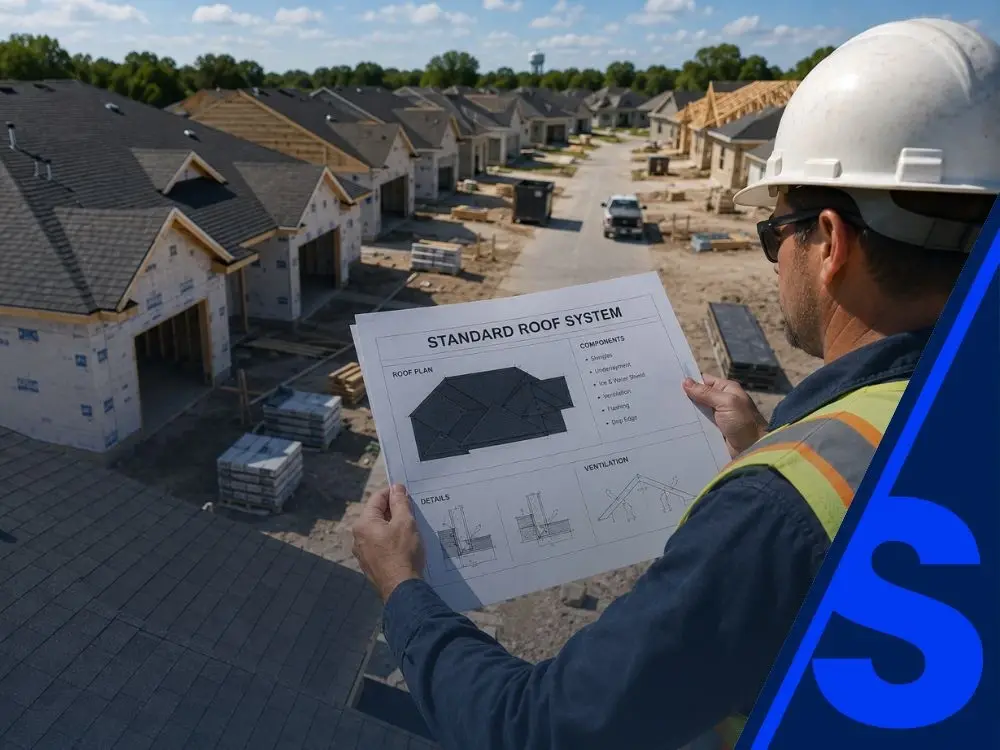
In construction and specification contexts, “System I” and “System II” asphalt roofs refer to defined application methods or material compositions outlined within specific technical documents or manufacturer systems, rather than universally recognized industry standards. The performance differences depend on the specifications of each system, including layers, underlayment, and reinforcement methods.
What is a class 2 roof?
A class 2 roof typically refers to the impact resistance rating of roofing materials under UL 2218 standards. The classification ranges from Class 1 to Class 4, with Class 4 being the highest impact resistance. A Class 2 roof can withstand moderate hail impact without cracking, making it suitable for regions with occasional but not severe hail exposure. Builders often specify this class based on local insurance and code requirements.
What are the different types of asphalt roofing?
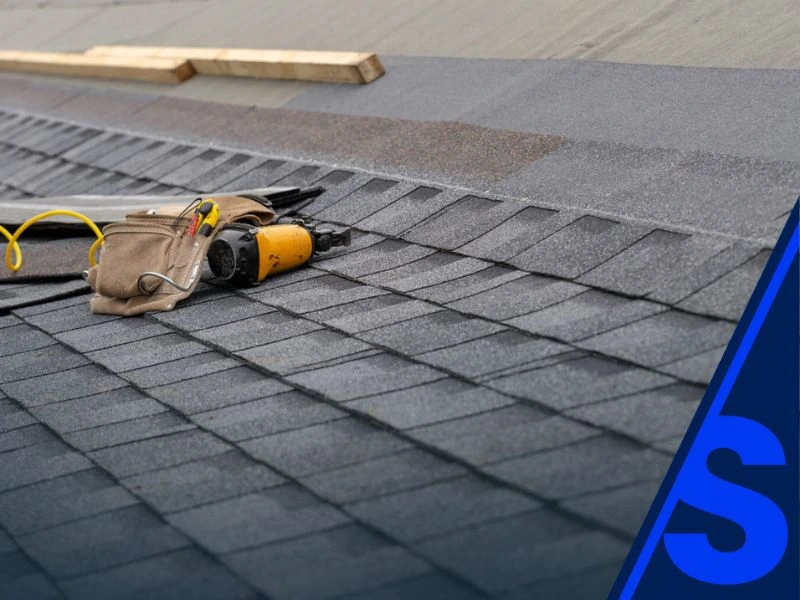
Asphalt roofing primarily includes three types: 3-tab shingles, architectural (laminated) shingles, and luxury shingles. Three-tab shingles are lightweight and economical, while architectural shingles offer better aesthetics and wind resistance through layered construction. Luxury shingles mimic slate or wood and provide superior durability. Each type can be installed within different system configurations, such as System I or System II, depending on project requirements.
What are four fire classifications for roof coverings?
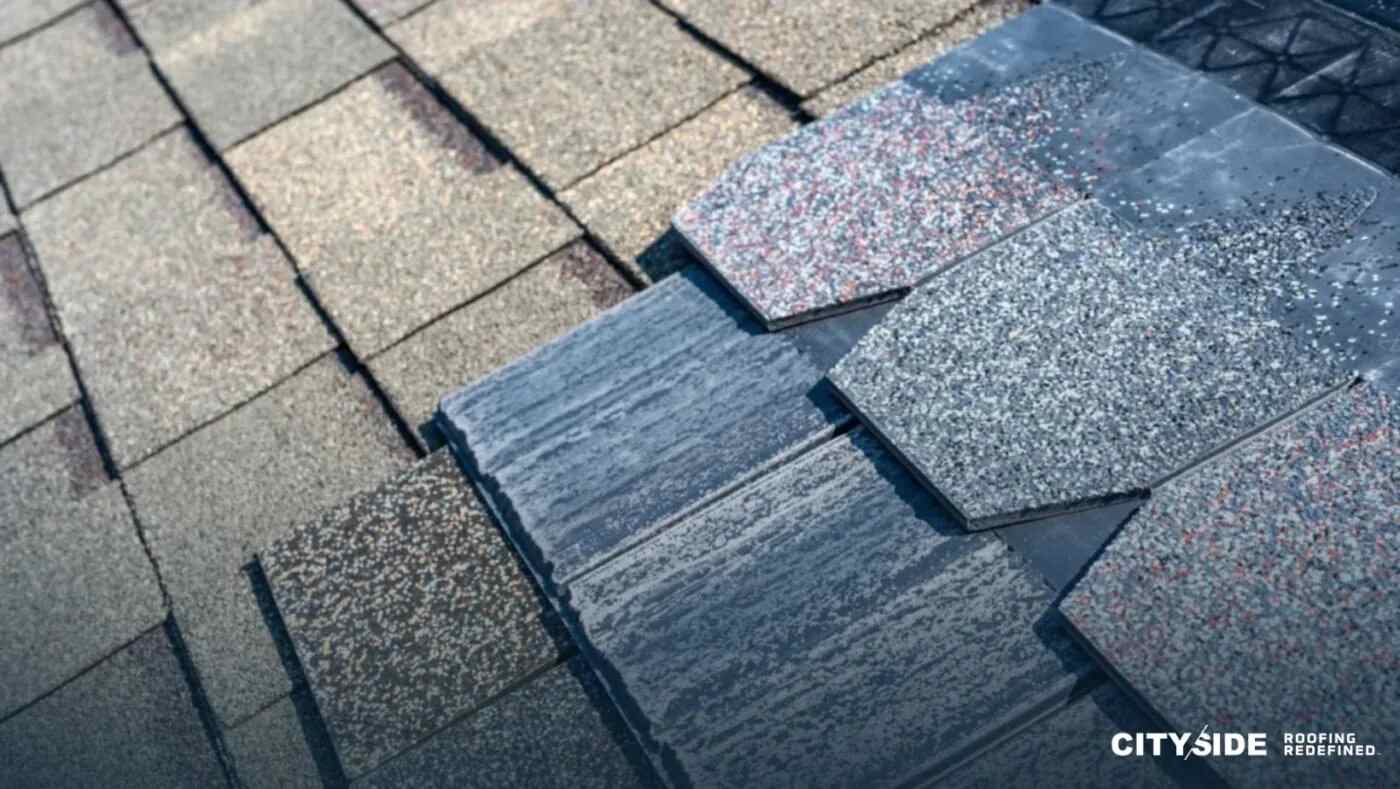
Roof coverings are rated for fire resistance using Class A, B, C, or unrated categories. Class A offers the highest protection and is required by most modern building codes in high-risk regions. Class B provides moderate resistance, while Class C offers minimal protection. Materials without a tested fire rating are considered unrated. Asphalt shingles that meet ASTM E108 Class A ratings are often required for residential and commercial projects under Florida Building Code.
Why are 3-tab shingles being phased out?
Three-tab shingles are being phased out due to their limited wind resistance, shorter lifespan, and thinner single-layer design. Builders and manufacturers increasingly prefer architectural shingles for their dimensional strength, longer warranties, and ability to meet stricter code requirements. The shift also aligns with higher energy efficiency and performance standards across newer System II roofing assemblies.
Understanding System I vs. System II Roofing
When builders encounter specifications for asphalt roofs labeled as “System I” or “System II,” it usually refers to manufacturer-defined or code-based assembly structures. These systems are not universal industry terms but frameworks outlining how asphalt roofing materials, underlayments, and fasteners are layered and integrated.
System I typically describes a standard single-layer asphalt shingle installation that meets baseline code requirements for slope, nailing, and underlayment. System II generally refers to an enhanced assembly that incorporates additional waterproofing layers, modified underlayments, or upgraded shingles designed for higher wind and impact resistance.
According to the National Roofing Contractors Association (NRCA), “the performance of any roofing system depends as much on installation and assembly configuration as on the material itself” (NRCA Technical Manual). This insight emphasizes that the distinction between System I and II is largely about layered performance rather than material type alone.
How Do Builders Define System I vs. System II?
Builders and architects often reference System I and System II within specifications or warranty documents to describe performance tiers. For example, a System I roof might include:
- A single layer of asphalt shingles
- One underlayment sheet over decking
- Standard nailing pattern
- Typical ridge and hip ventilation
System II, on the other hand, may involve:
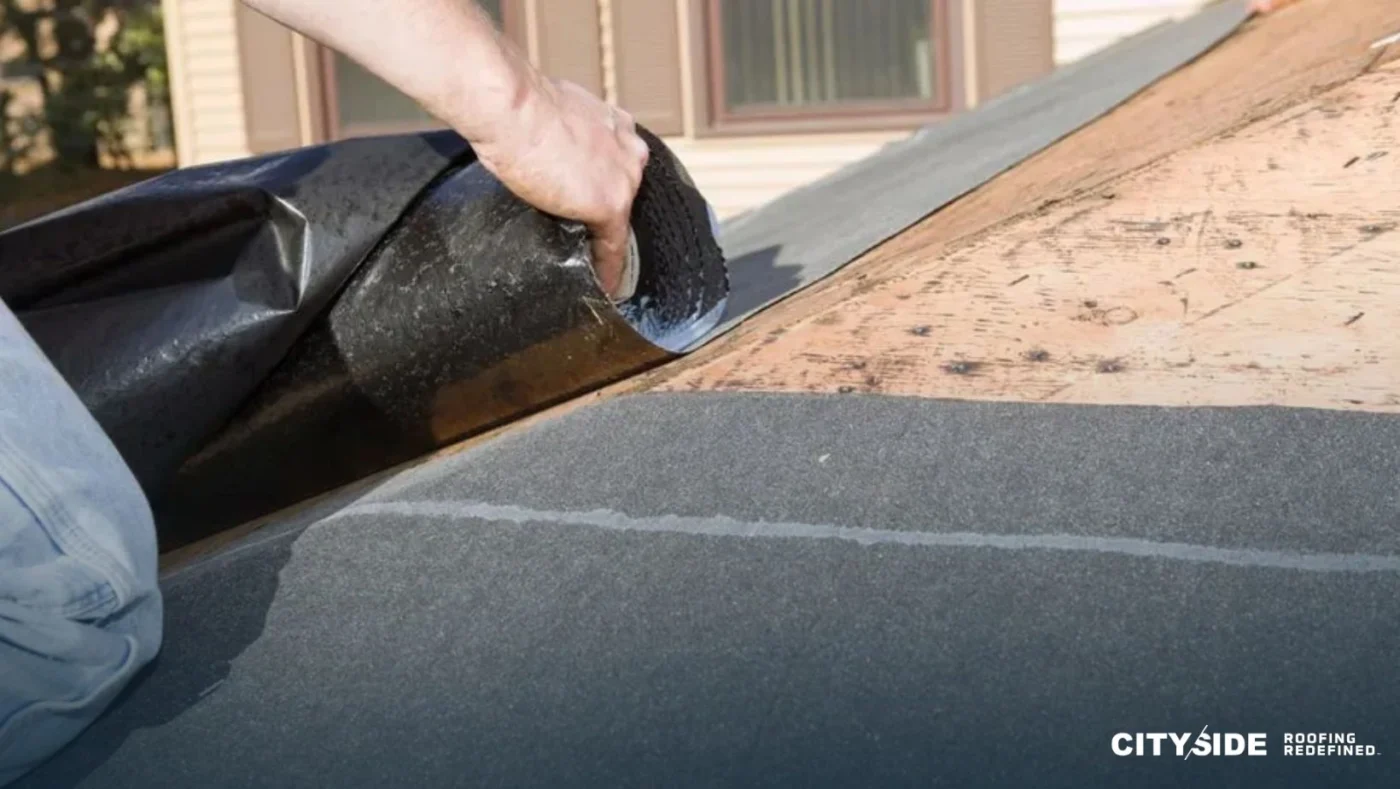
- Enhanced underlayment (synthetic or peel-and-stick membrane)
- Double starter course or secondary leak barrier
- Architectural shingles with improved adhesion
- Specific flashing or sealing methods for code compliance
In practice, System II is a performance upgrade over System I, intended for regions with more demanding climate conditions like Florida, where high winds and heavy rain test the durability of standard installations.
Material Composition and Layering Differences
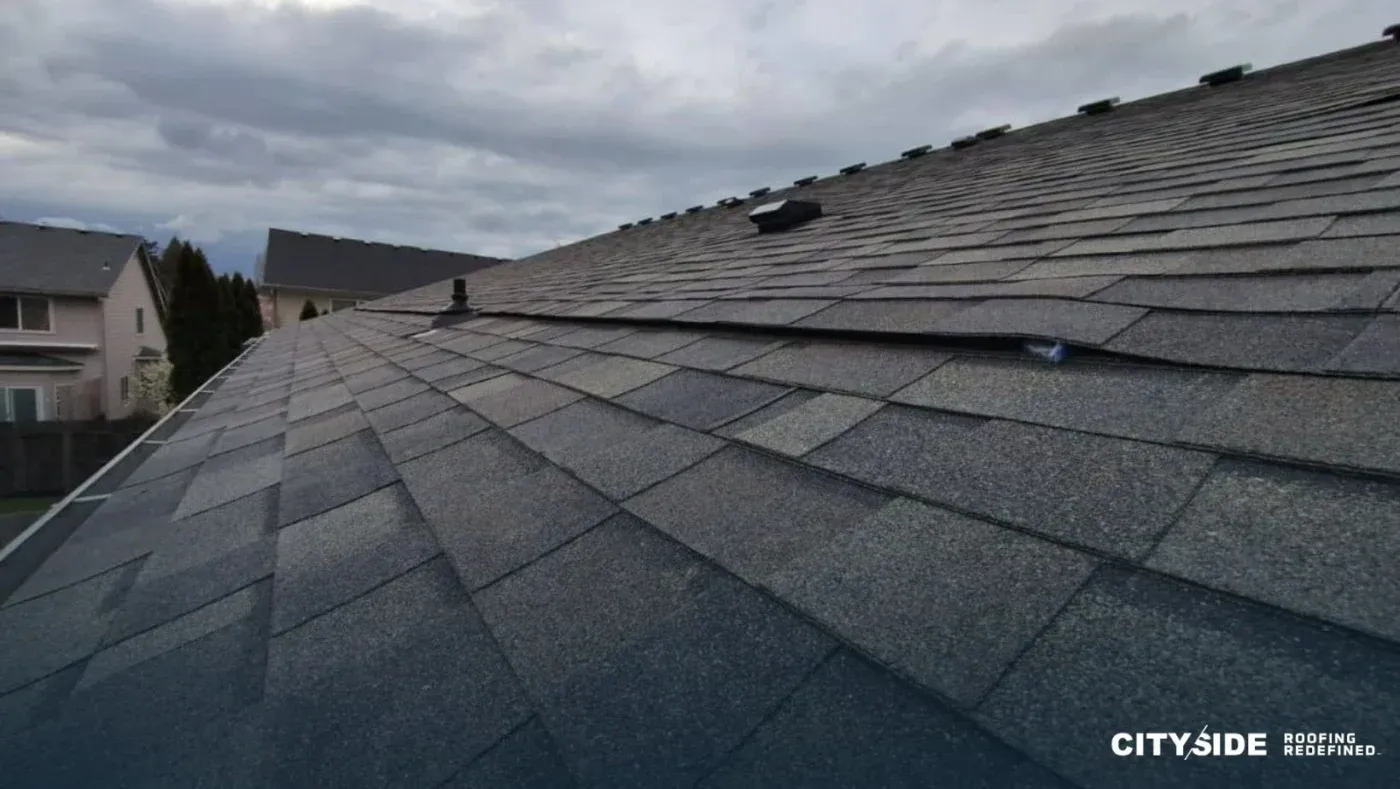
The primary difference between System I and System II roofing lies in how layers interact to manage heat, moisture, and wind uplift. System I assemblies often include asphalt-saturated felt, while System II systems incorporate synthetic or polymer-modified membranes with superior moisture resistance.
System II configurations typically meet or exceed ASTM D3462 for tear strength and ASTM D3161 for wind resistance. They also tend to feature laminated shingles that provide additional dimensional stability and help distribute thermal stress more evenly across the roof surface.
Builders in coastal zones or high-humidity regions may choose System II installations to meet stricter insurance or warranty requirements, especially for code compliance under the Florida Building Code (FBC) Section 1518.3.
Wind Performance and Code Compliance
Wind resistance is a critical factor distinguishing System I from System II. Under standard conditions, System I installations can resist up to 90 mph winds, whereas System II roofs, when properly fastened and sealed, often reach ratings up to 130 mph or more.
In Florida’s hurricane-prone zones, many builders specify System II assemblies to pass the Miami-Dade Product Approval process or equivalent local verification standards. These upgraded systems reduce the likelihood of shingle uplift and help maintain the roof’s watertight integrity under extreme conditions.
Builders should confirm that roofing products carry documentation for TAS 100(A) and ASTM D7158 testing when selecting materials for System II configurations. These documents verify that the system meets both mechanical and performance benchmarks.
Moisture Management and Leak Prevention
One of the key advantages of a System II roof is its enhanced moisture management. By including a self-adhering membrane or secondary water barrier, these systems significantly reduce the risk of leaks from wind-driven rain or ice damming.
System I roofs, while code-compliant, often rely solely on felt underlayment, which can deteriorate over time or under heavy water exposure. In contrast, System II designs provide redundancy in waterproofing, important for builders managing warranty risk or long-term service contracts.
Additionally, the layered construction of System II helps improve ventilation and reduce attic humidity levels, lowering the chance of mold growth and structural deterioration.
Energy Efficiency and Heat Management
System II roofing assemblies can also enhance energy efficiency by incorporating reflective shingles or improved insulation layers. In hot, humid climates like Florida, this translates into measurable cooling load reduction and better attic temperature control.
By managing heat transfer more effectively, System II systems prevent asphalt shingles from prematurely aging due to constant UV exposure and high roof surface temperatures. While System I systems may use standard materials, System II configurations frequently include energy-rated components that align with ENERGY STAR® Roof Product guidelines.
Installation Methodology and Quality Control
From an installation perspective, the main difference between System I and System II is the sequencing of components and quality control measures. System I installations are straightforward and typically meet minimum local codes. System II installations, however, require tighter adherence to manufacturer protocols and may include additional inspection checkpoints.
For builders, investing in crew training for System II assemblies can reduce callbacks and warranty claims. The complexity of installation, such as sealing nail penetrations, ensuring correct overlap, and installing continuous ridge ventilation, demands experienced roofing teams familiar with advanced shingle systems.
Quality control documentation, including photo verification and underlayment inspection, is often part of the System II process, giving builders traceability for compliance and warranty validation.
Cost and Long-Term ROI for Builders
While System II roofing generally costs more upfront due to additional materials and labor, the long-term ROI often justifies the expense. Builders benefit from reduced post-installation issues, fewer leak repairs, and longer product warranties that enhance overall project value.
System I may suit budget-conscious projects or regions with mild weather, but System II installations align with higher-end residential or commercial builds where performance and durability are non-negotiable.
When comparing bids, builders should factor in not just the per-square cost of shingles but the complete system performance, including flashing, underlayment, and ventilation components.
Specification Clarity and Documentation
Clarity in specifications is vital. Misinterpretation between System I and System II can lead to project delays or inspection failures. Builders should ensure roofing submittals reference the appropriate system details, including:
- Manufacturer data sheets
- Wind uplift ratings
- Fire classification
- Underlayment type and fastening schedule
Many specification documents identify System I and II under proprietary manufacturer systems rather than universal codes. For example, one brand’s “System II” may involve a dual underlayment setup, while another’s focuses on enhanced ridge venting. Always verify these details against project requirements.
According to the Federal Emergency Management Agency (FEMA) in its publication Reducing Losses Through Roofing Standards, “The long-term resilience of roofing systems depends on the integration of materials, fasteners, and underlayments designed to perform as a single, code-compliant assembly.” (FEMA Roofing Guidance PDF)
This reinforces that System I and System II should not be viewed merely as material choices, but as performance-oriented configurations that determine how well the roof functions as a system under stress.
Future Trends in Systemized Asphalt Roofing
The growing adoption of systemized roofing design, like System II, reflects broader shifts in construction toward integrated assemblies and performance verification. With Florida’s evolving building codes and insurance regulations, builders are prioritizing systems with traceable compliance and extended warranties.
Expect future versions of asphalt systems to include pre-certified component bundles, digital installation verification, and sustainability metrics tied to lifecycle performance. These advances will simplify code inspection and streamline production schedules for builders.
Summary: Key Points for Builders
- System I and System II roofing systems are specification-driven assembly methods, not universal roofing categories.
- System I provides baseline code compliance with standard materials.
- System II includes enhanced moisture protection, wind resistance, and long-term durability.
- System II is often required in Florida’s coastal or high-wind zones.
- Proper documentation, QC, and training are crucial for successful installation.
- Builders should verify manufacturer specifications against project and code requirements.
For builders managing production roofing under Florida code conditions, CitySide Roofing provides integrated, inspection-ready asphalt systems that align with System I and II specifications. Contact CitySide Roofing today to coordinate your next project with our QC-verified roofing assemblies and code-compliant installation process.
Related Reading: