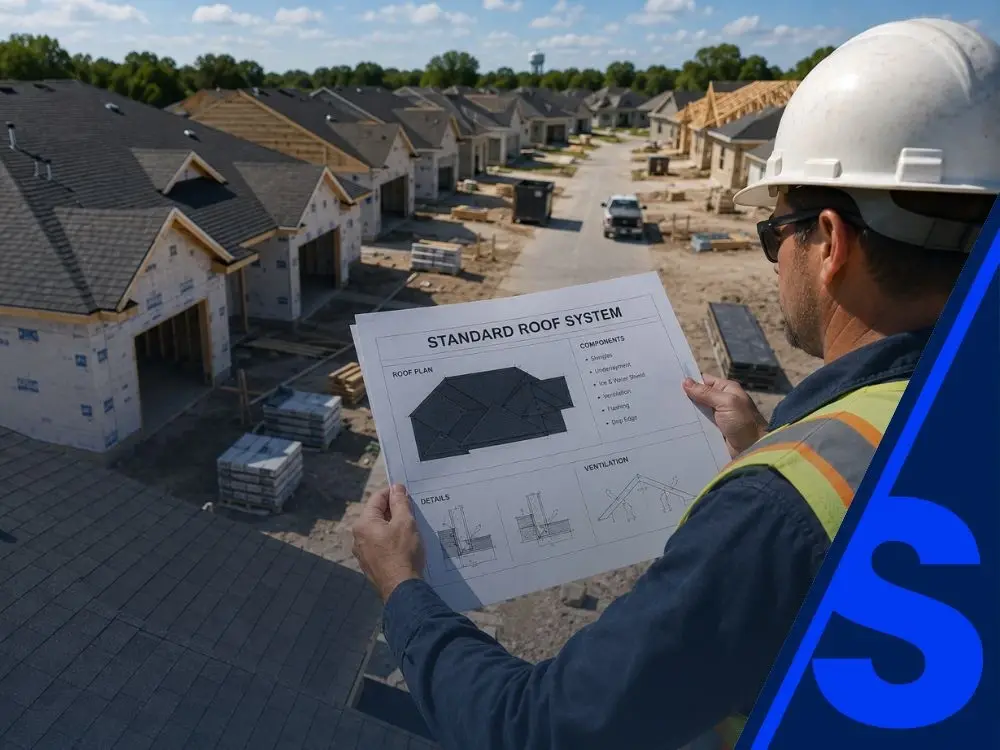
Effective roofing project management requires coordinating crews, materials, and client communication to complete jobs on time and within budget, often using tools. Key responsibilities include securing materials, ensuring safety compliance, conducting site inspections, and managing subcontractor performance to meet quality standards. For home builders managing new construction at scale, integrating ERP with roofing workflows tightens production scheduling, strengthens inspection and code compliance, reduces warranty exposure, and improves operational efficiency from takeoff to closeout.
What does a Project Manager do in roofing?
In new construction, a roofing project manager coordinates the roofing scope across the build schedule, ensuring crews arrive when the structure is inspection-ready, materials match specifications, and work passes code requirements. They also manage safety compliance, field quality checks, subcontractor performance, and closeout documentation to protect builder warranties and maintain production cadence.
How to estimate a roofing project?
Estimating starts with plan review and takeoff, then converts square footage into material quantities using slope, waste, and detailing factors (valleys, hips, penetrations). Builders typically add labor productivity assumptions by roof complexity, include lead times for long-cycle materials, and build a contingency for weather and sequencing risk so the estimate supports production scheduling and predictable job costing.
What are the three types of roofing?
In most new construction programs, roofing systems fall into three broad categories: asphalt shingle, metal, and tile. Each differs in installation sequence, required underlayment and flashing details, structural loads, inspection checkpoints, and documentation needed to reduce warranty risk across a builder’s portfolio.
How to make a roof for a project?
A new construction roof is delivered through a controlled sequence: framing and decking, dry-in underlayment and flashing, primary roof covering installation, ventilation integration, and final inspection and closeout. Successful delivery depends on trade coordination, verified material specs, and documented quality checks that align with the builder’s inspection and turnover process.
Why ERP Matters for Builder-Grade Roofing Operations

For home builders, roofing is a production-critical trade. It influences dry-in dates, interior start timing, and the reliability of downstream trades. When roofing drifts, it creates ripple effects across framing, MEP rough-ins, insulation, and drywall schedules. For production builders running multiple starts per week and custom builders managing complex rooflines, roofing project management is a scheduling and risk-control discipline, not a single scope on a Gantt chart.
ERP integration upgrades roofing project management from manual coordination to system-controlled execution. It connects scheduling, purchasing, inventory, job costing, inspections, safety documentation, and closeout in one flow so teams can run predictable cycles across communities and lots.
OSHA’s fall prevention guidance emphasizes the stakes of disciplined planning in high-risk trades, noting that “Falls are the leading cause of death in construction.” (Source: OSHA’s Fall Prevention Campaign)
That reality reinforces a builder’s truth: operational efficiency and risk reduction are inseparable. The same system controls that prevent schedule slippage also support consistent safety compliance, inspection readiness, and warranty defensibility.
What ERP Integration Means in Roofing Project Management for Home Builders
ERP stands for Enterprise Resource Planning, but in a builder’s day-to-day it simply means one connected source of truth. In roofing project management, ERP integration typically connects:
- Master production schedule and look-ahead planning
- Purchasing and vendor commitments
- Material release, delivery tracking, and backorder visibility
- Subcontractor assignments, scopes, and compliance documents
- Inspection requests, results, and corrective action loops
- Field quality control and photo documentation
- Job cost, budget-to-actual, and variance reporting
- Warranty and closeout package generation
When these functions live in separate apps, the builder pays for it through rework, missed inspection windows, and “Where is the documentation?” fire drills at turnover. Integration puts the roof on rails.
If you’re building in Florida and need a trade partner that can operate inside a high-discipline production system, start by aligning with CitySide Roofing to standardize workflows across communities.
The Builder Pain Points ERP Solves in Roofing Project Management
Scheduling friction that breaks production cadence
Without integration, roofing starts get scheduled based on texts, emails, and tribal knowledge. The roof may be “ready” in theory, but not in reality: missing decking inspection, incomplete fascia, unconfirmed truss repairs, or no material release. ERP resolves this by requiring prerequisites before a roof can move from planned to committed.
Procurement gaps that create dry-in delays
Roofing materials can be short-cycle (standard shingles) or long-cycle (custom metal profiles, specialty tile). ERP links material releases to verified milestones so deliveries match site readiness and builder pacing.
Inspection failures that stall downstream trades
Underlayment details, flashing, and fastening are common inspection trip points. ERP-driven checklists and documentation reduce reinspection cycles and protect the schedule.
Warranty risk due to weak documentation
Warranty exposure grows when builders cannot prove what was installed, when it was inspected, and who performed the work. ERP creates a defensible closeout trail by lot.
ERP-Driven Roofing Workflow for New Construction
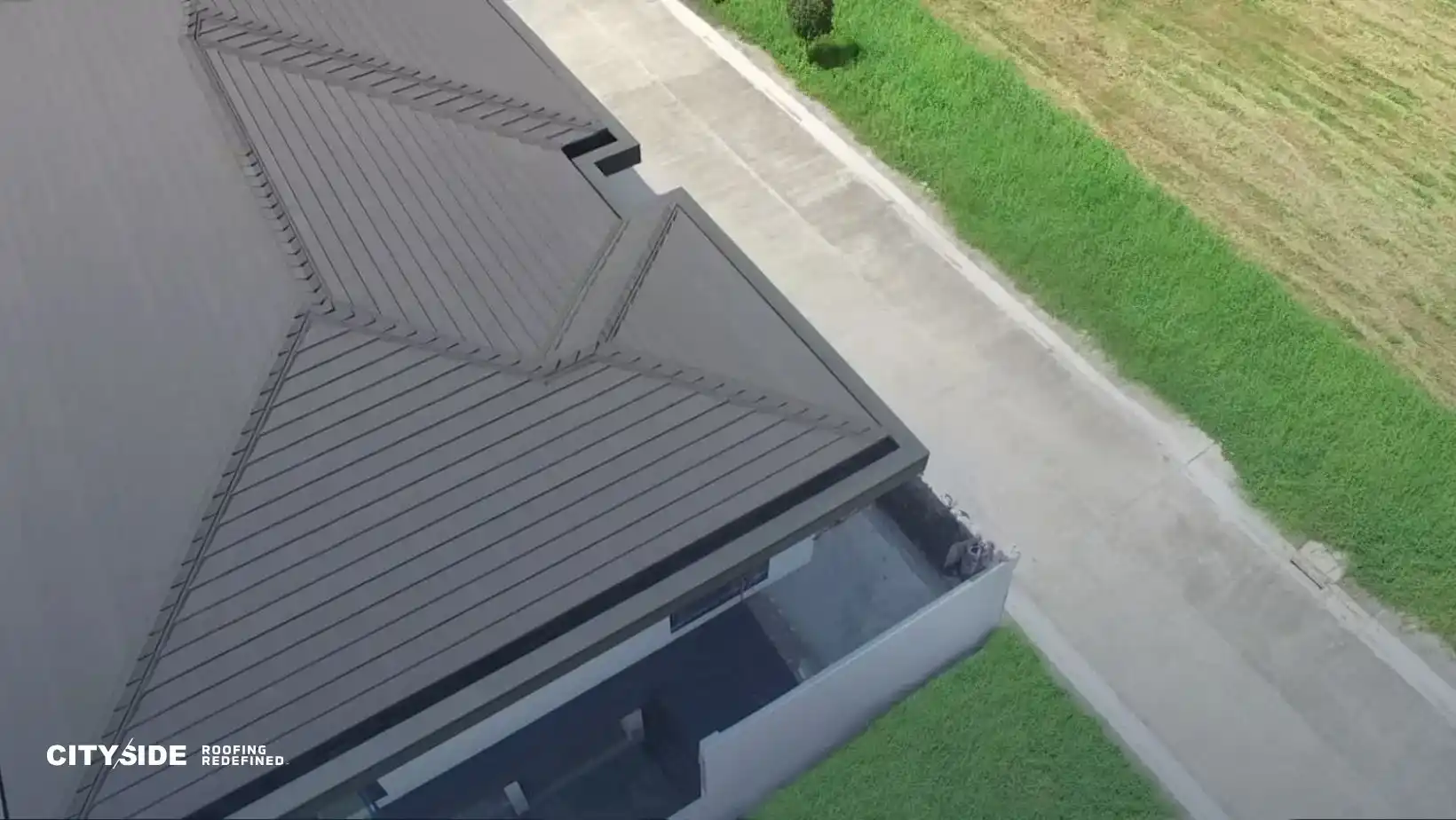
A practical way to think about ERP integration is as a controlled workflow with gates. Each gate reduces the chance of schedule surprises and warranty defects.
Gate 1: Plan intake and scope standardization
ERP stores the roof system definition and ties it to plan sets, options, and elevations. This matters for production builders because options drive material changes, and for custom builders because details shift across roof geometry.
Key data captured at this gate:
ERP Field | Why it matters to builders |
Roof system type (shingle, metal, tile) | Drives labor plan, lead time, inspection checkpoints |
Underlayment spec | Impacts dry-in inspection and warranty defensibility |
Flashing and ventilation requirements | Reduces leak risk and callbacks |
Options and elevations | Prevents wrong materials and missed details |
Target dry-in date | Aligns roofing to interior production schedule |
Gate 2: Takeoff, estimating, and budget lock
ERP ties takeoff and estimate data to a lot-level budget, enabling variance tracking later. Builders gain predictability when quantities and assumptions are standardized.
Builder-oriented estimating factors table
Variable | Typical range | Builder impact |
Waste factor (simple roof) | 8% to 12% | Controls material overage and cost leakage |
Waste factor (complex roof) | 12% to 18% | Accounts for hips, valleys, dormers, penetrations |
Slope complexity adjustment | Moderate to high | Changes labor productivity and safety planning |
Detailing intensity (flashing count) | Low to high | Drives leak risk and inspection sensitivity |
Gate 3: Material release and delivery synchronization
This is where ERP produces measurable efficiency. Materials are released based on verified job readiness, not hope.
Typical new construction material lead times and release triggers
Material category | Common lead time | ERP release trigger aligned to production |
Standard asphalt shingles | 3 to 7 days | Framing completion verified and decking inspection scheduled |
Tile systems (select profiles) | 3 to 6 weeks | Truss set confirmed and dry-in window locked |
Custom metal panels | 2 to 4 weeks | Shop drawings approved and measurement verified |
Specialty accessories (vents, flashings) | 3 to 10 days | Final option selections locked |
Gate 4: Crew assignment and compliance verification
Before crews are dispatched, ERP can require digital compliance documentation. This supports builder risk management and keeps audits simple.
Compliance items commonly tracked:
- Safety training documentation
- Equipment and fall protection confirmations
- Crew assignment by lot and phase
- Scope acknowledgments and plan revisions
Gate 5: Field execution, QC checks, and inspection readiness
ERP gives the roofing project manager a repeatable QC process. Instead of discovering defects at final inspection, the system pushes checkpoints earlier.
Roofing QC and inspection checklist for builders
Phase | QC checkpoint | Proof captured in ERP |
Deck and prep | Deck attachment, substrate condition | Photos, checklist sign-off |
Dry-in | Underlayment laps, valley treatment, flashing prep | Photos, material batch info |
Cover install | Fastener pattern, starter details, ridge treatment | Photos, crew lead sign-off |
Ventilation | Intake/exhaust alignment with plan | Photos, model numbers |
Final | Punch list close, debris removal, seal checks | Completion record, timestamp |
Material System Selection: Builder-Centered Comparisons
ERP improves how builders manage the roofing system, but builders still need clear comparisons to standardize programs. The table below is a simplified new construction comparison designed for scheduling and risk planning.
System | Scheduling sensitivity | Inspection intensity | Warranty risk profile | Best fit for builders |
Asphalt shingles | Low to moderate | Moderate | Moderate | Production communities needing fast cycles |
Metal roofing | Moderate to high | High | Low to moderate when detailed correctly | Custom homes, coastal performance specs |
Tile roofing | High | High | Moderate | Premium elevations with structural planning |
When coatings or reflective systems are part of your spec strategy, keep them connected to code compliance and lifecycle efficiency, not homeowner maintenance narratives. For builder-focused technical considerations, review Roofing company for custom home builders and Roofing trade partner in Florida resources for material strategy alignment.
ERP Integration and Production Scheduling: Keeping Dry-In Predictable
Builders live and die by predictable cycle times. ERP supports cycle time control through:
- Look-ahead scheduling linked to prerequisite completion
- Automated alerts when readiness is missing
- Crew loading visibility across subdivisions
- Weather-delay tagging and resequencing rules
What changes when ERP is integrated?
Workflow item | Without ERP | With ERP |
Roofing start confirmation | Manual calls and texts | System-verified prerequisites |
Material arrival timing | Reactive and inconsistent | Triggered by milestones |
Inspection requests | Often late | Auto-generated from schedule gates |
Lot status reporting | Subjective | Real-time, standardized statuses |
Turnover documentation | Built after the fact | As-built package assembled continuously |
For production builders, the biggest win is not just fewer delays. It is fewer surprises. ERP makes your roofing plan behave like a manufacturing line, even in the reality of field construction.
Job Cost Control: Turning Roofing into a Managed Cost Center
Roofing cost drift often hides inside change orders, option deltas, and productivity losses. ERP makes this visible at the lot level.
Builder-friendly cost visibility table
Cost bucket | What ERP tracks | Why it matters |
Labor | Crew hours or unit rates by roof type | Productivity benchmarking across communities |
Materials | PO to delivery to install | Controls substitution risk and overage |
Options | Lot-specific upgrades | Prevents margin erosion |
Rework | Corrective actions tied to inspection failures | Reveals systemic QC gaps |
Warranty reserve signals | Closeout completeness, defect frequency | Helps quantify risk before claims rise |
When you can see cost variance by roof complexity and community, you can standardize specs, correct detailing issues, and align labor planning with actual field realities.
Warranty Risk Reduction: Documentation, Traceability, and Defensibility
Builders care about warranty because it impacts reputation, cash flow, and operational bandwidth. ERP integration supports warranty risk reduction by making roof delivery auditable.
A defensible roofing closeout package typically includes:
- Confirmed installed system and accessory list
- Material batch identifiers where applicable
- Underlayment and flashing photo set
- Inspection approvals and corrective action logs
- Crew assignment record and completion timestamps
This matters most when volumes rise. Warranty failures do not scale linearly. One repeated detailing error can multiply across hundreds of starts. ERP is the control surface that helps you catch patterns early.
Subcontractor Performance Management: Scorecards That Improve Quality
Builders often evaluate roofers based on speed and price, but efficiency without quality increases warranty load. ERP lets builders track both.
Roofing trade partner performance scorecard example
KPI | How it is measured | Builder benefit |
On-time start rate | Starts vs scheduled starts | Protects production schedule |
First-pass inspection rate | Passes without reinspection | Reduces cycle time drag |
Punch list return time | Days to close | Improves turnover reliability |
Documentation completeness | Required items delivered | Supports warranty defensibility |
Defect recurrence | Repeat issues across lots | Drives corrective training |
If you are selecting a Roofing company in Florida, this is the level of performance visibility that separates a true production partner from a job-by-job vendor.
Safety Compliance as a Builder Requirement, Not an Afterthought
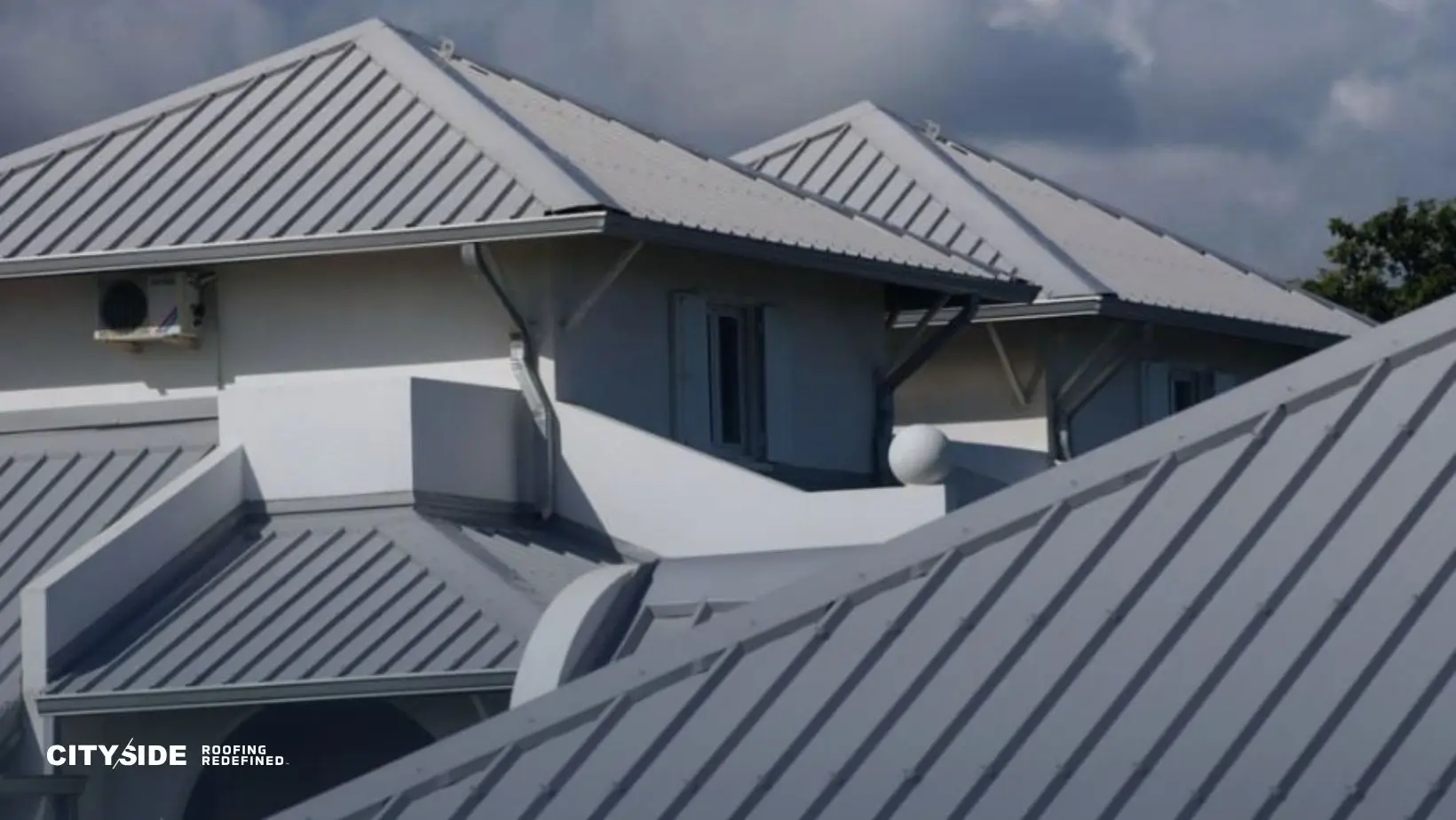
Roofing is high-risk work. Builders can reduce exposure by making compliance a system requirement.
ERP supports:
- Pre-dispatch compliance checks
- Digital acknowledgment of site safety rules
- Incident reporting tied to lot and crew
- Training and certification tracking
Safety discipline also protects schedules. Incidents stop work and create investigation delays. Builders who systemize safety controls usually see smoother production flow.
Implementation Roadmap for Builders: How to Integrate ERP Without Disrupting Starts
ERP integration succeeds when it is staged and measured. Here is a builder-friendly rollout approach.
Phase 1: Standardize the roofing scope definition
- Lock system specs and option rules
- Standardize QC checklists and inspection gates
- Define required closeout documentation by roof type
Phase 2: Connect schedule gates to procurement triggers
- Map milestones that release materials
- Align lead times to your start cadence
- Build exception rules for weather and change orders
Phase 3: Digitize field QC and inspection readiness
- Use mobile checklists and photo capture
- Create a corrective action loop with timestamps
- Track first-pass inspection rates by community
Phase 4: Turn closeout into a continuous process
- Assemble the warranty file during execution
- Require completeness before final payment approvals
- Use dashboards to spot recurring defects early
If you want a trade partner that can operate inside this system and help you tighten execution across communities, consider a Roofing contractor in Florida that prioritizes builder-grade reporting and documentation.
Why Builder-First Roofing Partners Make ERP Integration Easier
ERP integration is only as effective as the field data entering the system. The best results happen when the roofing partner:
- Works from standardized scopes and checklists
- Captures photo documentation consistently
- Treats inspections as planned events, not surprises
- Communicates option-driven changes early
- Supports closeout package completeness
That is the operating model of a true Roofing trade partner in Florida for custom homes and production communities alike.
If you are building premium product with complex geometry and high finish expectations, you also need specialization. That is where Roofers for luxury home roofing installation experience becomes a measurable advantage because custom detailing discipline reduces leak risk and protects brand reputation.
Conclusion: ERP Turns Roofing Project Management into a Predictable System
Roofing project management for home builders is about controlling schedule, compliance, quality, and warranty exposure at scale. ERP integration delivers that control by connecting planning, procurement, field execution, inspections, and closeout into one traceable workflow.
When done well, builders gain:
- More reliable dry-in dates
- Fewer inspection failures
- Less rework and reduced cycle time drag
- Cleaner job cost visibility and margin protection
- Stronger warranty documentation and defensibility
- Better subcontractor performance management
To standardize roofing execution across your pipeline and reduce operational friction, work with CitySide Roofing as a builder-focused partner that understands production scheduling, inspection readiness, and quality control systems.
Key builder takeaways
- ERP integration links roofing to production scheduling so dry-in dates become more predictable
- Material releases tied to milestones reduce shortages, overages, and delivery mismatches
- Digital QC checklists and photo logs improve first-pass inspection rates
- Lot-level documentation lowers warranty exposure and strengthens closeout defensibility
- KPI scorecards turn roofing performance into measurable, improvable operations
- Safety compliance tracking reduces risk while supporting smoother production flow
Ready to improve roofing project management efficiency across your communities?
Contact a Roofing contractor in Florida to discuss ERP-aligned workflows, documentation standards, and production scheduling integration.