When installing a metal roof over shingles, builders must primarily consider local building codes, the structural condition of the existing roof deck, proper underlayment, and secure attachment techniques to manage added load, moisture risks, and warranty implications.
Can you install metal roofing directly on top of shingles?
Yes, in many cases you can install a metal roof over shingles, as long as the existing asphalt shingle layer is in good condition, the decking underneath is structurally sound, and local building codes allow a recovery application. However, not all jurisdictions permit this, and the design of the metal system and how it fastens matters significantly.
Do you need a permit to put a metal roof over shingles?
Often yes. Many jurisdictions require a permit for a re-roof project, even when installing metal over existing shingles, because the scope of work affects structural load and wind-resistance compliance. You’ll owe it to local building authorities to demonstrate that the overlay meets code requirements.
What do you put between shingles and metal roofing?
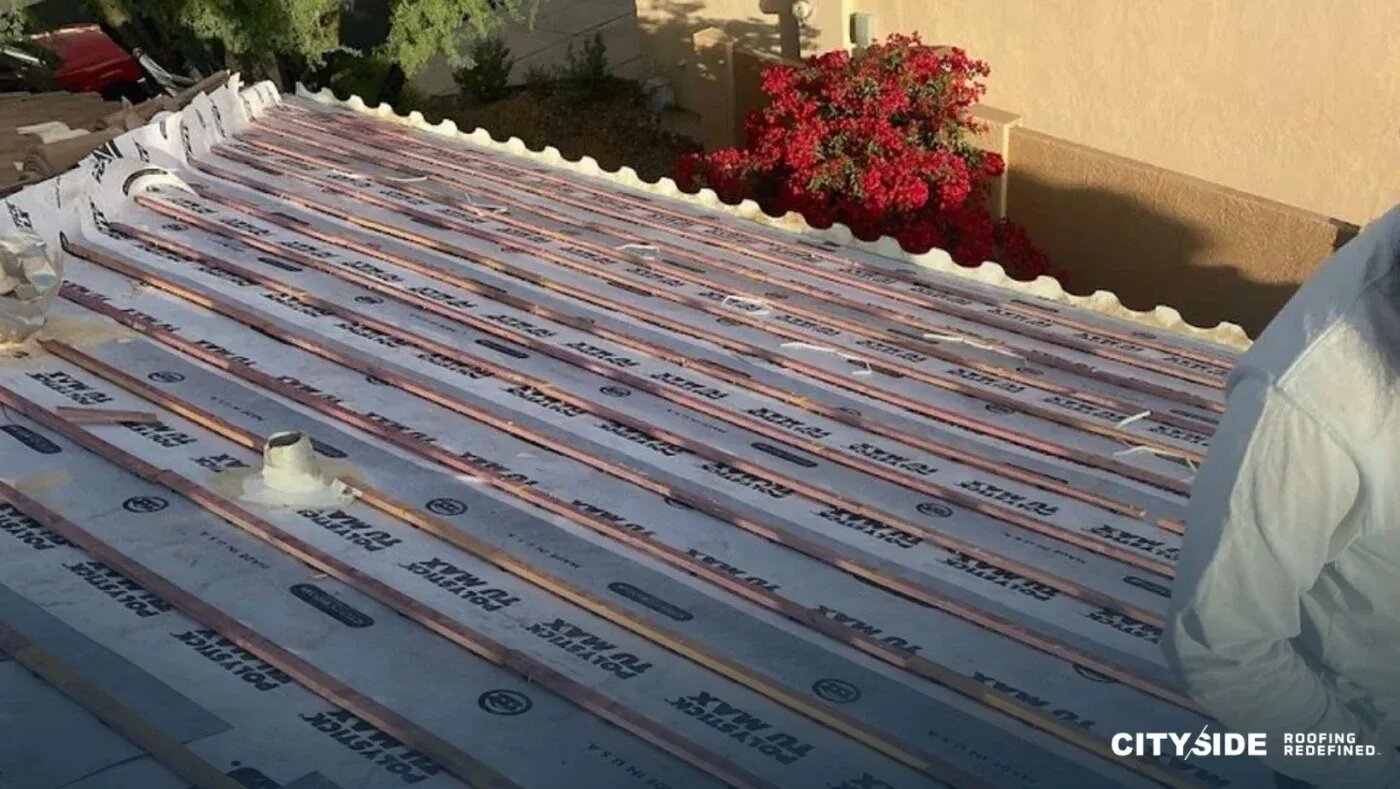
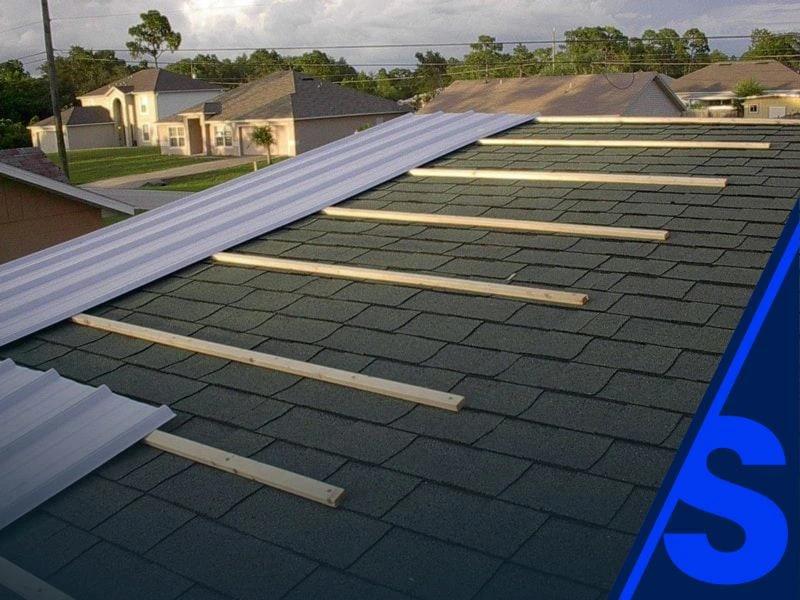
Builders commonly install a high-quality underlayment (such as synthetic or self-adhered) over the existing shingles to provide a slip-sheet or moisture barrier. In other cases, purlins or battens are installed over the shingle layer, creating a ventilated air gap and a secure substrate for metal panel attachment.
What are the disadvantages of putting a metal roof over shingles?
There are several risks: the added weight can stress roof framing if not verified; moisture trapped between layers can lead to rot; fasteners may not seat properly in damaged decking; and some metal manufacturers may void warranties if the installation is over shingles without following their approved procedures.
Introduction
For builders in Florida and other areas, installing a metal roof over shingles can offer advantages: faster construction, lower labor costs, and reduced waste by avoiding a full tear-off. But this approach also introduces complexity; between structural load, code compliance, moisture control, and long-term performance, there is no such thing as a “simple overlay.” Getting it right requires a careful technical assessment, a precise installation strategy, and an eye toward risk mitigation. In this guide, we’ll walk through what builders should evaluate, how to execute, and where to watch out for pitfalls.
Local Code and Permit Considerations for Overlay Projects
When planning a metal-over-shingle installation, builders must first consult local building codes. In Florida, for example, the Florida Building Code allows metal shingles to cover a single layer of asphalt shingles only when the deck is sound and the metal system has product approval.
In high-velocity hurricane zones, structural uplift requirements are especially strict. Per the IEBC / Florida Building Code, a recovery system must either be a “complete and separate roofing system” that doesn’t rely on the existing layer, or be approved by a design professional for load testing.
Permitting can also require proof that the existing roof is structurally sound. For example, a local building department might request inspection of the deck to ensure there are no soft spots before approving an overlay. This is because the fasteners from the metal roof must bite into stable deck material.
Structural Load and Roof Deck Evaluation
One of the biggest risks when installing a metal roof over shingles is the added load. While metal roofing is relatively lightweight, the combination of shingles plus underlayment or purlins can strain framing if not evaluated. Builders should inspect the roof deck for rot, sagging, or weakness; any compromised plywood or OSB must be replaced before installation.
A design professional or structural engineer may be needed to verify that the existing rafters or trusses can support the overlay. Without that verification, there is risk of fastener failure or structural issues under wind load or thermal expansion.
Choosing the Right Underlayment or Air Gap System
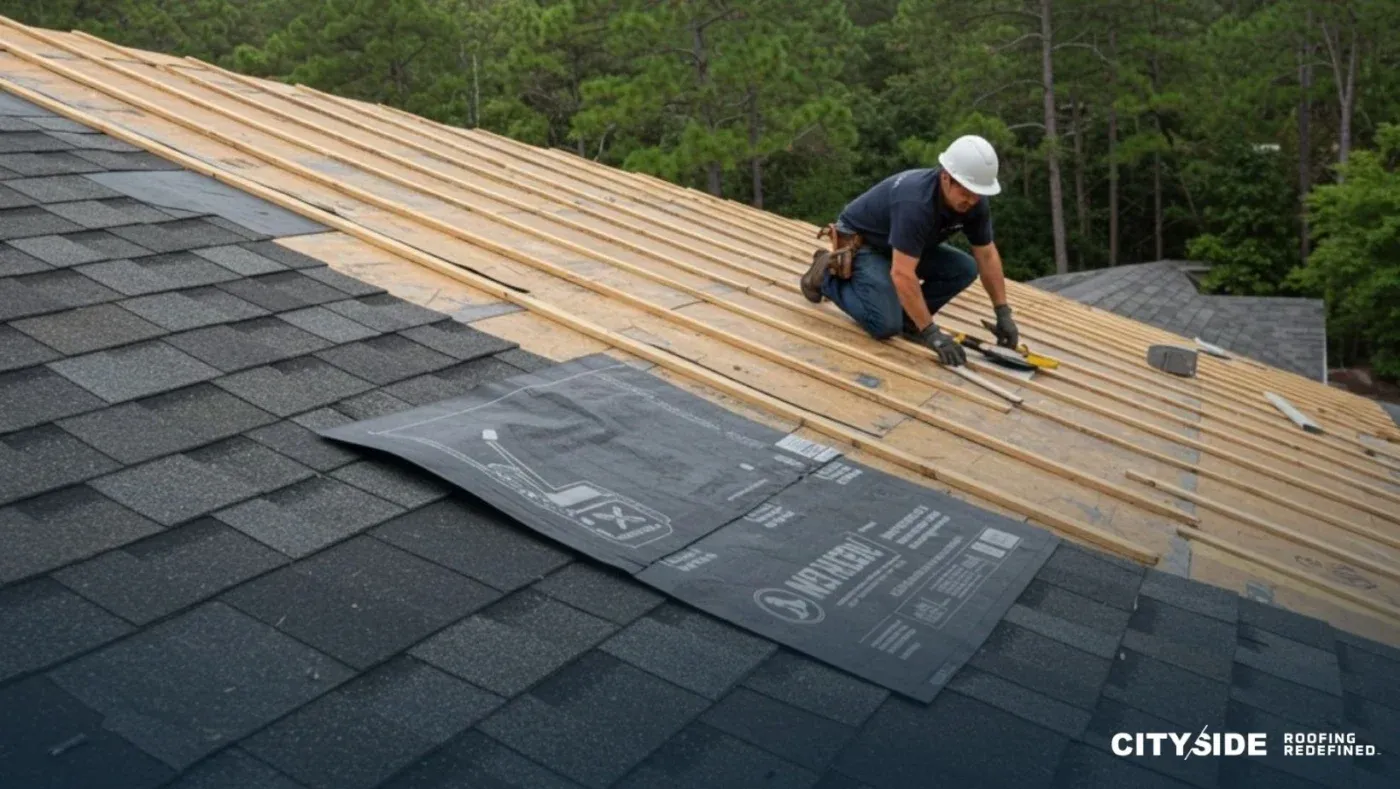
Between the old shingles and the new metal surface, what goes in that space is critical to performance. Here are common approaches:
- Synthetic or self-adhered underlayment, provides a moisture barrier and a smoother surface for metal panels. Technical bulletins for the Florida Building Code note acceptable underlayments for metal over shingle recovery assemblies.
- Purlin or batten system, 1×4 or treated purlins are fastened through the existing shingle layer into the deck, raising the metal panels and creating a ventilation cavity. This method offers improved airflow and helps prevent oil canning, but it must be engineered for uplift.
- Separator sheet, a simple slip layer (such as coated felt) laid over shingles to reduce abrasion between the shingles and the metal.
Choosing the right system depends on structural assessment, manufacturer recommendations, and the local building code for recovery applications.
Fastening and Attachment Techniques
Proper attachment is essential. If you fasten metal panels directly to purlins, ensuring the purlins are securely anchored into the rafters or deck is key. According to Florida permit guidance, purlins must meet secure fastening standards (e.g., ring-shank nails or screws into rafters) to meet wind-load requirements.
If attaching through underlayment into the deck, testing for withdrawal resistance of fasteners may be required. Technical product approval documentation often mandates specific fastener pullout values per code.
Moisture Control and Condensation Risks
Trapping moisture between layers is one of the biggest drawbacks of a metal-over-shingle approach. Without proper ventilation or a moisture barrier, condensation can form, leading to rot, mold, or corrosion.
To mitigate this:
- Use a breathable underlayment designed for recovery assemblies.
- Integrate a vented air gap (via battens/purlins) so moisture can escape.
- Ensure that metal panels overlap correctly and that all seams are sealed to prevent rainwater ingress.
Warranty and Long-Term Considerations
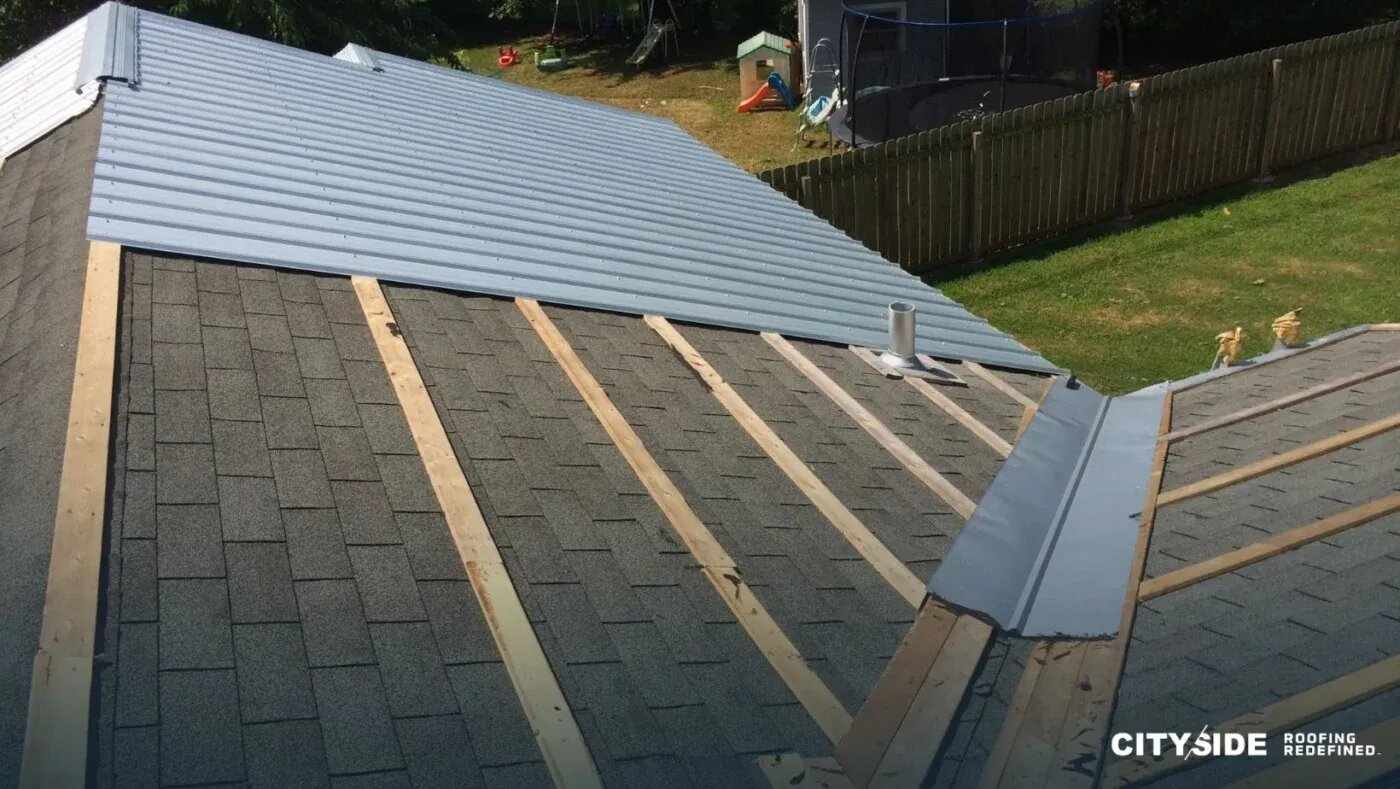
Not all metal roofing manufacturers support installation over shingles, and even when they do, some warranty coverage may be limited. As noted by industry sources, you should always verify with the manufacturer whether a metal-over-shingle installation will void or limit warranty protection.
From a builder’s perspective, this is a critical consideration: skip this step, and you could hand off major risk to the homeowner or burden your own QC/accountability processes.
Wind Uplift and Hurricane Zone Compliance
In Florida, wind uplift is a non-negotiable factor. Metal roofing installed over shingles must meet or exceed design wind pressures specified by the Florida Building Code. According to a peer-reviewed product approval report, fasteners used in such recovery systems must achieve a certain Maximum Design Pressure (MDP) and match the tested system.
Failure to follow these specifications can lead to roof failures during hurricanes, compromised insurance coverage, or noncompliance at inspection.
Cost, Labor, and Scheduling Considerations
From a builder’s standpoint, installing metal over shingles can reduce tear-off labor and disposal costs, speeding up project timelines. But that cost saving comes with trade-offs:
- Ensuring structural integrity and inspecting the deck can take time.
- Installing purlins or underlayment adds labor cost.
- You may need an engineering review for uplift compliance.
- Warranty and quality assurance tasks may increase administrative workload.
When done correctly, the labor saved by not tearing off shingles often offsets the added work for attachment and QA, but only if all risk factors are addressed.
Expert Insight
“The variation of sound pressure, as it relates to rain falling on a metal roof, is dependent upon various factors. The most important factor relates to the method of construction. A metal roof installed over open framing will register a louder sound than panels that are installed over a solid roof deck.”
The Acoustic Group, Luleå University of Technology, Sweden
Source: Research projects on Engineering Acoustics
Disadvantages Builders Must Mitigate
While metal-over-shingle can be effective, builders need to guard against certain risks:
- Hidden deck damage, not removing shingles may conceal rot or soft spots.
- Overweight structure, added weight of purlins and metal panels stresses framing.
- Condensation and corrosion, without proper barriers or ventilation.
- Warranty voids, if installation deviates from approved methods.
- Inspection risk, some inspectors may disapprove of recovering assemblies without structural verification.
Best Practices for Builders Doing Metal-Over-Shingle Installations
- Conduct a full deck inspection before re-roof planning.
- Engage a structural or roofing engineer when using purlins to ensure uplift capacity.
- Choose underlayment or purlin systems that meet Florida Product Approval.
- Confirm with the metal manufacturer that their warranty covers recovery installs.
- Maintain detailed documentation of everything, inspections, fasteners, materials.
- Ensure all attachments are tested per product approval (e.g., withdrawal ratings).
- Plan for future inspections and roof maintenance in the construction schedule.
Conclusion
Installing a metal roof over shingles can be a compelling choice for Florida builders, but only when approached with proper technical rigor. Success demands a clear understanding of building codes, structural capability, moisture control, and long-term warranty implications. When you do it right, this method offers faster turnaround, reduced waste, and a high-performing final roof system.
For builders ready to take on a recovery project, verifying all facets upfront ensures code compliance, minimizes risk, and delivers durable results.
For design guidance, code review, and specialized install support for metal-over-shingle projects, contact CitySide Roofing’s Builder Services team today.
Related Reading: