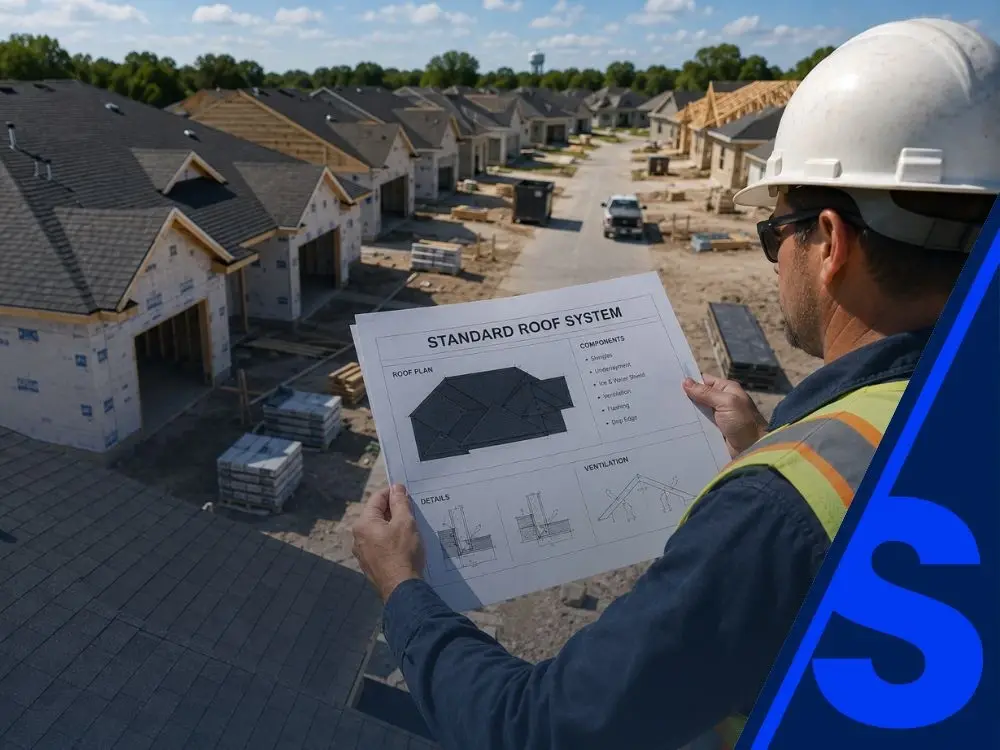
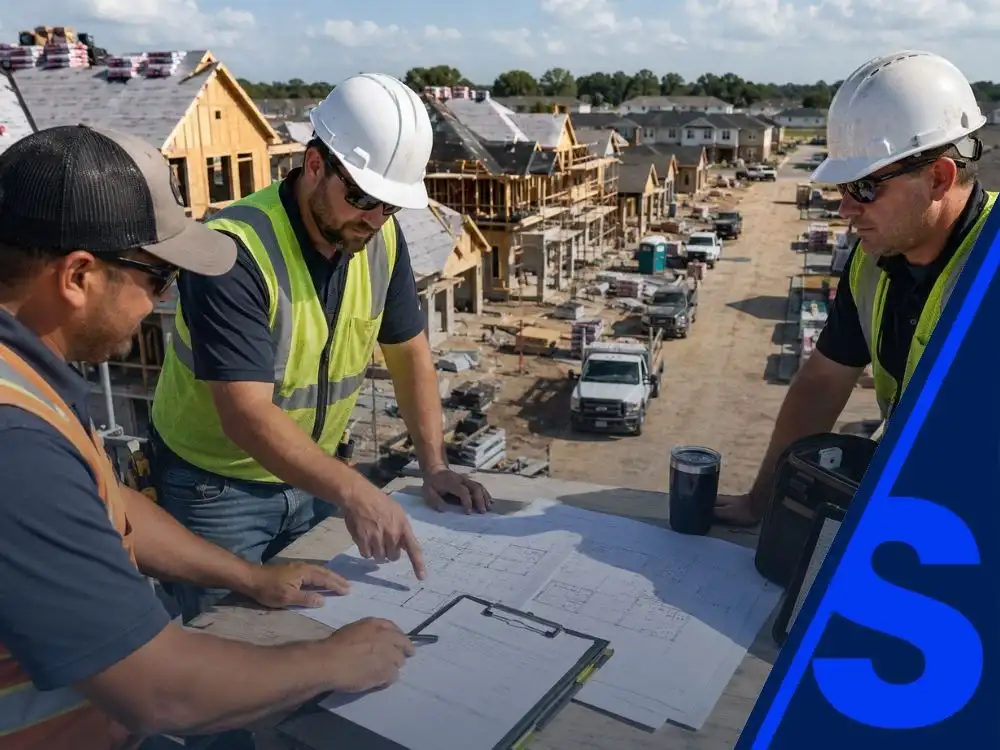
Managing roofing timelines involves controlling three main phases: pre-construction, on-site labor, and final cleanup and closeout. Pre-construction includes permits, procurement coordination, crew scheduling, and material delivery. On-site labor covers decking preparation, underlayment installation, flashing, ventilation, and final roof system installation. Cleanup and inspection closeout complete the process. While a typical residential asphalt roof may require only 1 to 3 days of active labor, the full administrative and construction timeline for builders can span 1 to 3 weeks depending on permitting, scheduling complexity, inspection requirements, and material lead times.
What is scheduling efficiency?
Scheduling efficiency refers to how effectively construction tasks are coordinated to minimize downtime, labor gaps, material delays, and workflow conflicts. In roofing, efficient scheduling helps builders maintain predictable production cycles and avoid disruptions that affect downstream trades.
Which roofing material is most energy efficient?
Metal roofing systems with reflective coatings are often considered among the most energy efficient options for new construction because they reduce heat absorption and support building envelope performance. Builders may also use cool roof systems designed to meet regional energy code requirements.
What is a good example of efficiency?
A good example of efficiency in construction is scheduling roofing crews to arrive immediately after framing inspections pass and materials are delivered, allowing dry-in to occur without delays. This reduces idle labor, protects the structure from weather exposure, and keeps interior trades on schedule.
What are the 5 functional requirements of a roof?
The five primary functional requirements of a roof are weather protection, structural stability, drainage performance, thermal efficiency, and durability. For builders, roofing systems must also support code compliance, ventilation standards, and long-term warranty performance.
Why Managing Roofing Timelines Matters in New Construction
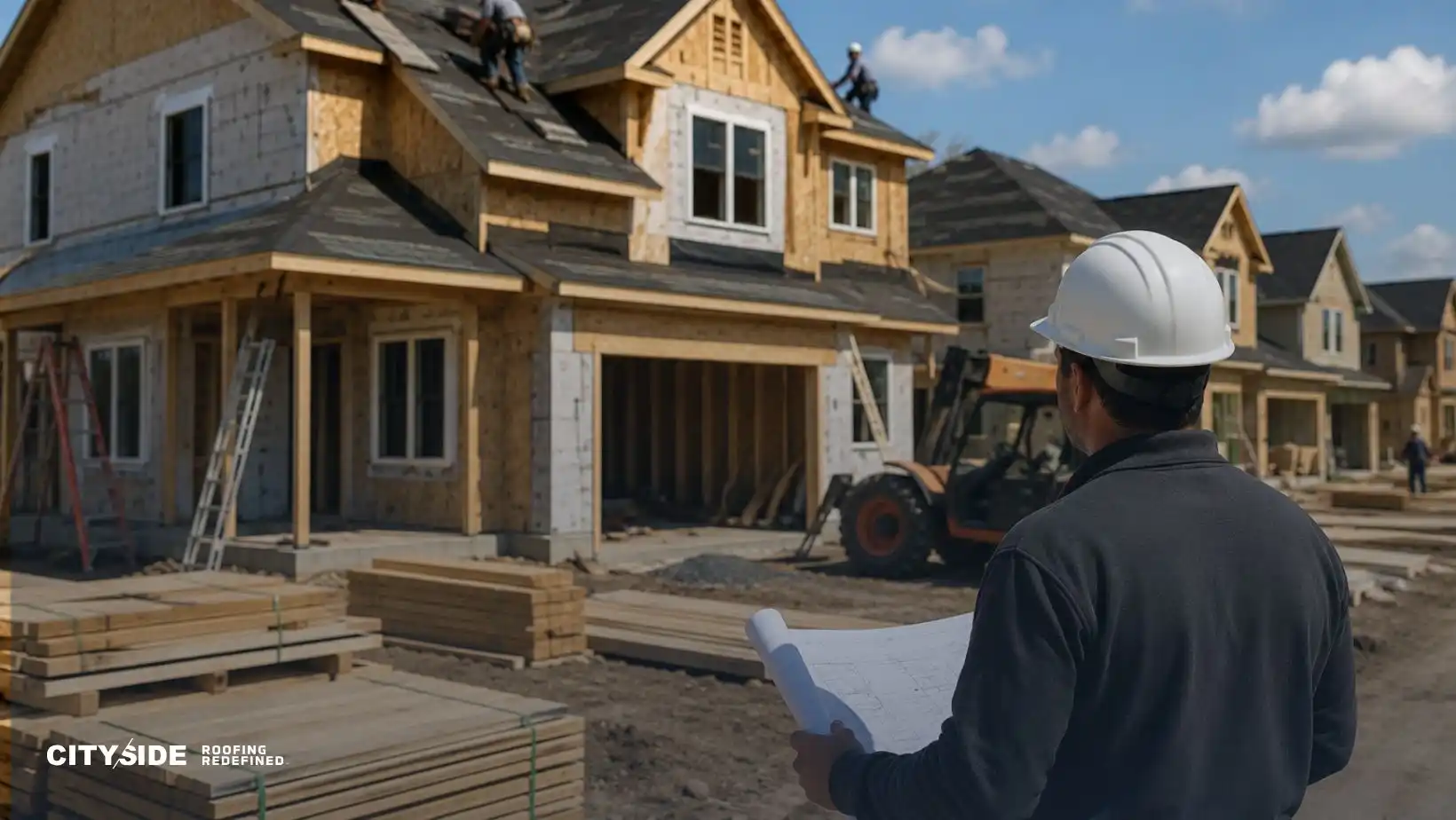
Roofing is one of the most schedule-sensitive scopes in residential construction. For builders managing multiple homes simultaneously, delays in roofing do not stay isolated to a single trade. They affect dry-in milestones, inspection sequencing, mechanical rough-ins, insulation schedules, drywall starts, and overall project turnover timelines.
Managing roofing timelines successfully requires much more than assigning a roofing crew to a lot. Builders must coordinate material procurement, permitting, labor sequencing, inspection readiness, weather planning, and quality control systems simultaneously.
According to the National Institute of Standards and Technology, fragmented communication and poor coordination remain major contributors to inefficiency across the construction industry. Roofing schedules are especially vulnerable because they rely on multiple interconnected milestones that must align precisely for work to proceed smoothly.
For production home builders and custom home builders alike, improving roofing timeline management directly improves operational efficiency, inspection compliance, and profitability.
Understanding the Three Phases of Roofing Timeline Management
Builders who consistently maintain predictable roofing schedules typically focus on three major phases:
- Pre-construction coordination
- Active roofing installation
- Inspection, cleanup, and closeout
Each phase affects the next. Problems in procurement or permitting often create field delays, while poor cleanup and documentation can increase warranty exposure later.
Pre-construction coordination
This phase includes:
- permit approvals
- construction scheduling
- crew allocation
- material procurement
- inspection planning
- weather forecasting review
Many roofing delays originate before crews even arrive onsite.
Active roofing installation
This phase includes:
- deck preparation
- underlayment installation
- flashing integration
- ventilation setup
- primary roofing material installation
- field quality verification
This is the visible construction phase builders typically focus on most heavily.
Inspection and closeout
The final phase includes:
- code inspections
- punch list resolution
- debris removal
- photo documentation
- warranty file completion
- turnover coordination
Builders that overlook this phase often create unnecessary closeout delays.
Why Roofing Timelines Become Difficult to Manage
Roofing schedules become difficult because roofing sits directly between framing and interior production.
If roofing falls behind:
- framing punch corrections remain exposed
- moisture risk increases
- mechanical rough-ins are delayed
- insulation schedules move
- drywall sequencing changes
Builders operating multiple communities may feel this impact across dozens of homes simultaneously.
Common causes of roofing timeline disruption include:
Delay Factor | Builder Impact |
Material shortages | Dry-in delays |
Inspection backlog | Trade sequencing disruption |
Labor shortages | Schedule compression |
Weather interruptions | Installation rescheduling |
Poor communication | Missed production milestones |
Incomplete framing | Roofing start delays |
Builders working with a dependable Roofing trade partner in Florida often reduce these disruptions by improving communication and milestone coordination.
Pre-Construction Strategies for Managing Roofing Timelines
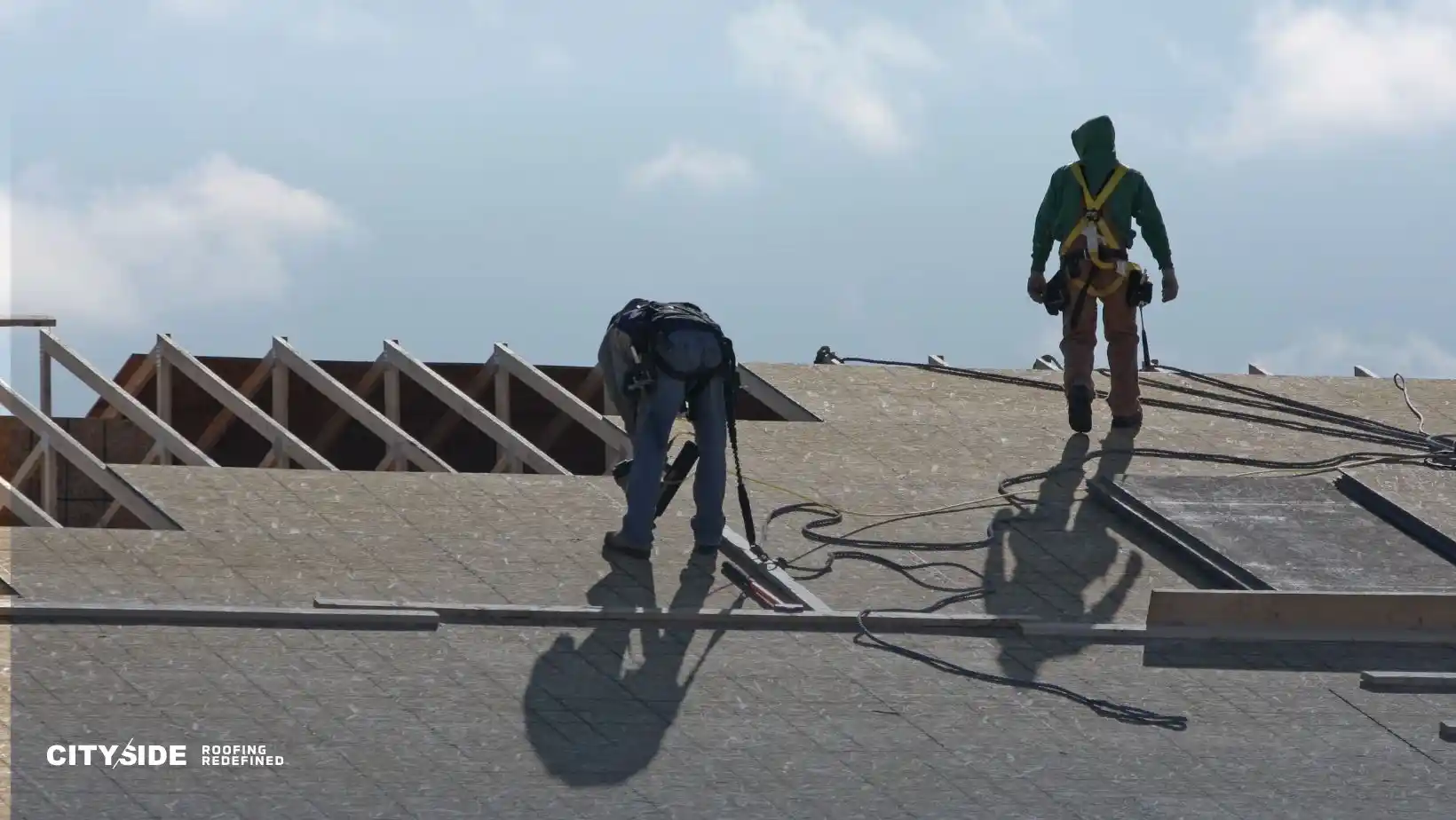
The most effective builders reduce roofing delays before construction even begins.
Align procurement with production schedules
Material procurement should be linked directly to verified production milestones.
For example:
Roofing Material | Typical Lead Time | Recommended Trigger |
Asphalt shingles | 3 to 7 days | Framing completion |
Metal roofing panels | 2 to 4 weeks | Shop drawing approval |
Tile roofing | 4 to 6 weeks | Structural inspection pass |
Underlayment systems | 2 to 5 days | Deck prep completion |
Builders that coordinate procurement early avoid many common scheduling bottlenecks.
Verify framing readiness before scheduling roofing crews
One of the largest causes of roofing inefficiency is dispatching crews to homes that are not fully ready.
Builders should verify:
- deck attachment completion
- framing corrections closed
- sheathing inspections approved
- weather exposure risks minimized
This prevents costly crew rescheduling.
Standardize inspection preparation
Inspection readiness should not be handled manually for every lot. Builders should create repeatable checklists tied to roofing milestones.
Roofing Installation Timelines by System Type
Different roofing systems require different installation windows.
Typical installation duration comparison
Roofing System | Typical Active Installation Time | Scheduling Complexity |
Asphalt shingles | 1 to 3 days | Moderate |
Metal roofing | 3 to 7 days | High |
Tile roofing | 5 to 10 days | High |
Luxury architectural systems | 7 to 14 days | Very high |
Builders working with Roofers for luxury home roofing installation often require more advanced sequencing because premium homes involve custom flashing details, specialty materials, and more complex roof geometries.
Builders seeking a better understanding of realistic roofing duration expectations can review How long does it take to build a roof? for additional scheduling insights.
Labor Management Strategies for Roofing Efficiency
Labor coordination plays a major role in managing roofing timelines.
Builders should focus on:
- crew availability forecasting
- geographic clustering of jobs
- balancing production load across communities
- minimizing unnecessary travel time
Crew scheduling efficiency comparison
Scheduling Method | Efficiency Level | Common Issues |
Manual dispatching | Lower | Communication delays |
Spreadsheet tracking | Moderate | Data inconsistencies |
Automated scheduling systems | High | Better coordination |
ERP-integrated scheduling | Very high | Strong visibility |
Builders partnering with a Roofing company in Florida that supports digital scheduling workflows often improve consistency across production cycles.
Weather Planning and Roofing Timeline Control
Weather remains one of the most unpredictable variables in roofing installation.
Builders can reduce weather-related delays by:
- monitoring extended forecasts
- staging materials strategically
- prioritizing vulnerable structures first
- maintaining backup crew availability
Builders managing large production pipelines often build weather contingency days directly into master schedules.
Weather impact comparison
Weather Condition | Roofing Impact |
Heavy rain | Full installation stoppage |
High winds | Safety concerns and material handling delays |
Extreme heat | Reduced labor productivity |
Humidity | Longer material drying times |
Planning around weather improves schedule reliability and reduces rework risk.
Inspection and Code Compliance Management
Inspection readiness directly affects roofing timeline performance.
Builders should maintain structured inspection systems that verify:
- fastening patterns
- underlayment installation
- flashing integration
- ventilation compliance
- drainage performance
Roofing inspection checklist
Inspection Category | Builder Priority |
Deck attachment | Structural compliance |
Underlayment coverage | Moisture protection |
Flashing details | Leak prevention |
Ventilation | Energy code compliance |
Final installation | Warranty protection |
Builders that work with a Roofing contractor in Florida focused on digital inspection documentation often reduce failed inspections and reinspection delays.
Quality Control Systems That Improve Roofing Timelines
Quality control systems are often viewed separately from scheduling, but the two are closely connected.
Poor quality creates:
- punch list delays
- rework scheduling
- inspection failures
- warranty risk exposure
Builders with strong QC systems maintain better timeline predictability.
Effective roofing quality control practices
- Daily field verification
- Material confirmation before installation
- Photo documentation
- Crew lead sign-offs
- Standardized punch list procedures
Builders working with a Roofing company for custom home builders often require stricter QC protocols because custom homes involve more specialized detailing.
Automated Scheduling and Timeline Management
Technology is becoming increasingly important for managing roofing timelines efficiently.
Automated scheduling systems can:
- trigger roofing starts automatically
- coordinate material deliveries
- track inspections
- monitor crew availability
- reduce communication gaps
These systems improve visibility across communities and reduce administrative workload.
Builders interested in digital coordination strategies can review How automated roofing scheduling eliminates delays in new builds for additional insights into builder-focused scheduling systems.
Managing Roofing Timelines Across Multiple Communities
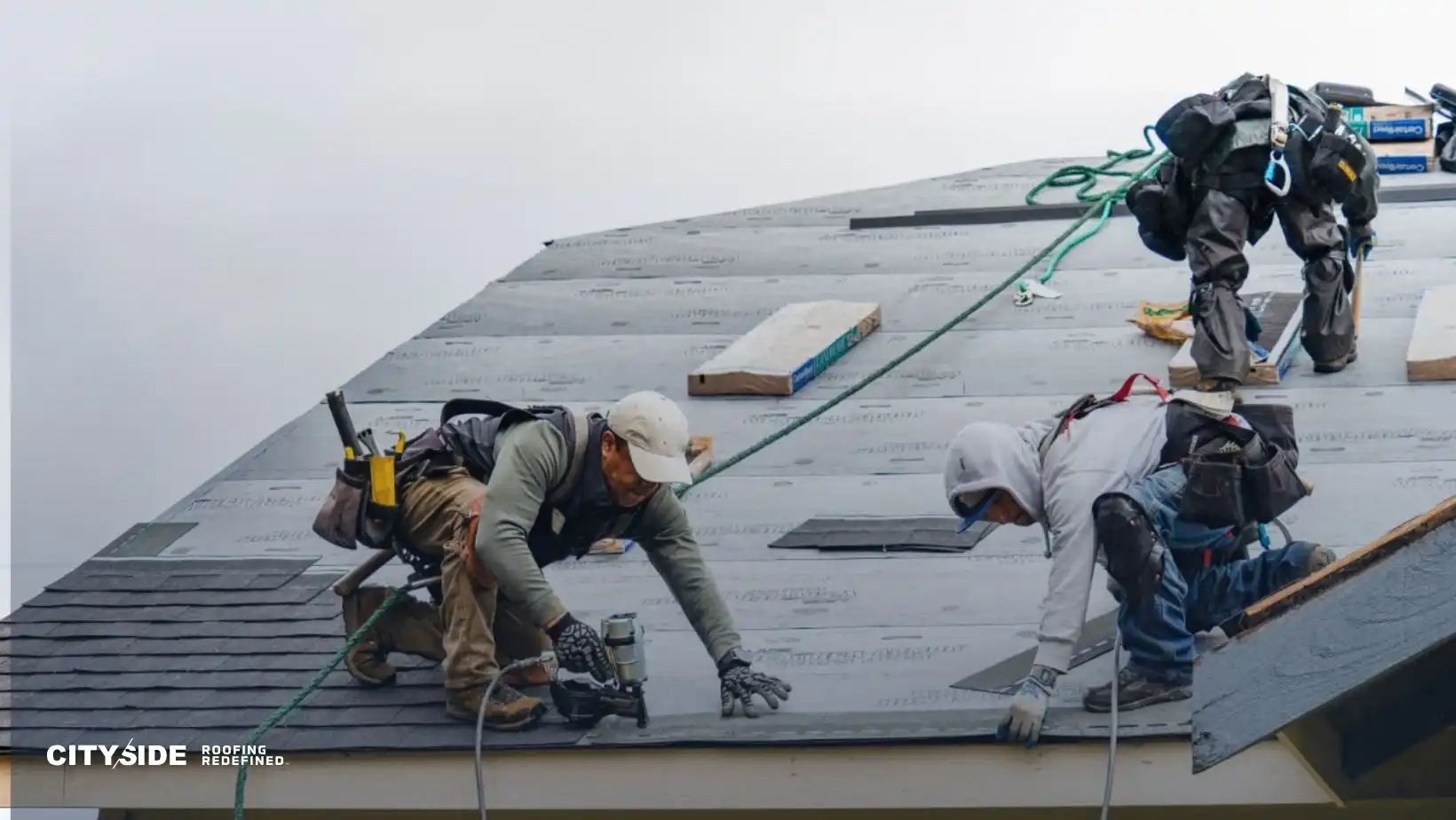
Production builders face unique scheduling challenges because multiple homes may be in different phases simultaneously.
Centralized roofing coordination helps builders manage:
- community-level production pacing
- subcontractor capacity
- inspection scheduling
- material logistics
- labor balancing
Example production dashboard
Community | Roofs Ready | Crews Assigned | Inspections Pending |
Community A | 10 | 8 | 3 |
Community B | 14 | 12 | 5 |
Community C | 7 | 7 | 1 |
This visibility allows builders to shift resources proactively instead of reacting after delays occur.
Warranty Risk Reduction Through Better Timeline Management
Scheduling problems often lead to warranty issues later.
Examples include:
- rushed flashing installation
- incomplete ventilation details
- moisture exposure before dry-in
- material substitution errors
Builders who control roofing timelines effectively usually experience:
- fewer callbacks
- lower rework costs
- better inspection performance
- improved closeout efficiency
Documentation also becomes easier when schedules are organized and predictable.
Operational Efficiency and Builder Profitability
Managing roofing timelines effectively improves more than production speed.
It also affects:
- labor efficiency
- carrying costs
- subcontractor coordination
- customer turnover timelines
- cash flow predictability
Operational impact comparison
Operational Area | Poor Timeline Management | Strong Timeline Management |
Trade coordination | Frequent disruptions | Predictable workflow |
Labor utilization | Inefficient | Optimized |
Inspection performance | More failures | Better pass rates |
Warranty exposure | Higher | Reduced |
Production predictability | Inconsistent | Stable |
Builders seeking operational consistency across projects often work with a Roofing trade partner in Florida for custom homes that understands production-focused scheduling systems and quality control standards.
Conclusion: Roofing Timeline Management Is a Competitive Advantage
Managing roofing timelines successfully requires builders to coordinate procurement, labor scheduling, inspections, weather planning, and quality control as one connected system.
Builders who improve roofing timeline management gain:
- more predictable production schedules
- fewer inspection delays
- reduced warranty exposure
- stronger operational efficiency
- improved labor utilization
- better profitability across communities
Roofing is not simply another subcontracted trade. It is a critical production milestone that directly affects the success of the entire construction schedule.
Builders looking for a reliable CitySide Roofing partner that understands production scheduling, inspection readiness, and builder-focused operational efficiency can improve roofing coordination across both production and custom home projects.
Key Builder Takeaways
- Managing roofing timelines requires control of pre-construction, installation, and closeout phases
- Procurement timing directly affects dry-in schedules and production flow
- Inspection readiness and quality control improve schedule predictability
- Weather planning and labor coordination reduce costly disruptions
- Automated scheduling systems improve visibility and operational efficiency
- Strong roofing timeline management lowers warranty risk and improves profitability
Builders ready to strengthen production scheduling and roofing coordination can connect with a trusted Roofing contractor in Florida to discuss builder-focused roofing strategies and project support.