A PVC roofing system is a single ply membrane made of polyvinyl chloride that provides durable, waterproof protection for flat or low slope roofs. It features two PVC layers surrounding a polyester scrim for strength and delivers benefits such as chemical resistance, UV durability, tear resistance, and energy efficient reflectivity. PVC roofing is a long lasting and cost effective solution for many commercial and residential buildings.
What is a PVC roofing system?
A PVC roofing system is a single ply membrane made from polyvinyl chloride that is heat welded at the seams to create a watertight surface. It is used primarily on flat and low slope structures.
How long will PVC roofing last?
PVC roofing typically lasts 20 to 30 years when installed correctly and maintained according to manufacturer requirements.
Is PVC good for roofing?
Yes, PVC is considered very good for roofing because it resists chemicals, heat, UV exposure, and punctures while offering strong waterproofing.
What are the disadvantages of PVC roofing sheets?

PVC roofing sheets can shrink if improperly installed, may be more expensive than some alternatives, and can become brittle with age in extreme climates.
According to the United States Department of Energy, reflective roofing materials like PVC membranes can significantly reduce cooling loads in warm climates by lowering rooftop heat absorption.
Why PVC Roofing Systems Matter Today
A PVC roofing system has become one of the most widely specified materials for commercial, industrial, and multifamily construction because of its combination of durability, performance, and energy efficiency. Builders and facility designers often choose PVC membranes to handle complex roof layouts, harsh chemical environments, and high solar exposure. As codes and performance expectations increase, understanding PVC roofing chemistry, installation requirements, and long term performance considerations is essential for delivering reliable and efficient roof assemblies.
This guide explores what makes PVC roofing systems stand out, how they handle chemical exposure, the performance metrics that matter most, and the installation practices that ensure long term success. Whether you work with retail plazas, distribution centers, schools, or multifamily projects, knowing the strengths and limitations of PVC membranes helps you choose the right roof for the right structure.
Understanding the Structure of a PVC Roofing System
A PVC roofing system is built from layered polyvinyl chloride sheets welded together to form a continuous waterproofing surface. The membrane is composed of two primary PVC layers with a polyester scrim reinforcement between them. This internal reinforcement provides dimensional stability, ensuring the sheet resists stretching, tearing, and deformation under rooftop stresses.
Contractors benefit from PVC’s thermoplastic characteristics because the seams are heat welded, forming a homogenous bond stronger than the membrane itself. This is a major advantage in long term waterproofing performance. Since flat and low slope roofs often experience ponding, wind uplift, and mechanical pressure from foot traffic, the reinforced structure of a PVC membrane helps maintain its integrity over time.
Chemical resistance is a defining characteristic of PVC roofing, making it ideal for restaurants, food processing facilities, warehouses, and factories where oils, greases, and harsh chemicals may contact the roof surface. Unlike some other single ply membranes, PVC does not absorb or degrade when in contact with fats or industrial byproducts.
Chemical Resistance: One of PVC’s Greatest Strengths
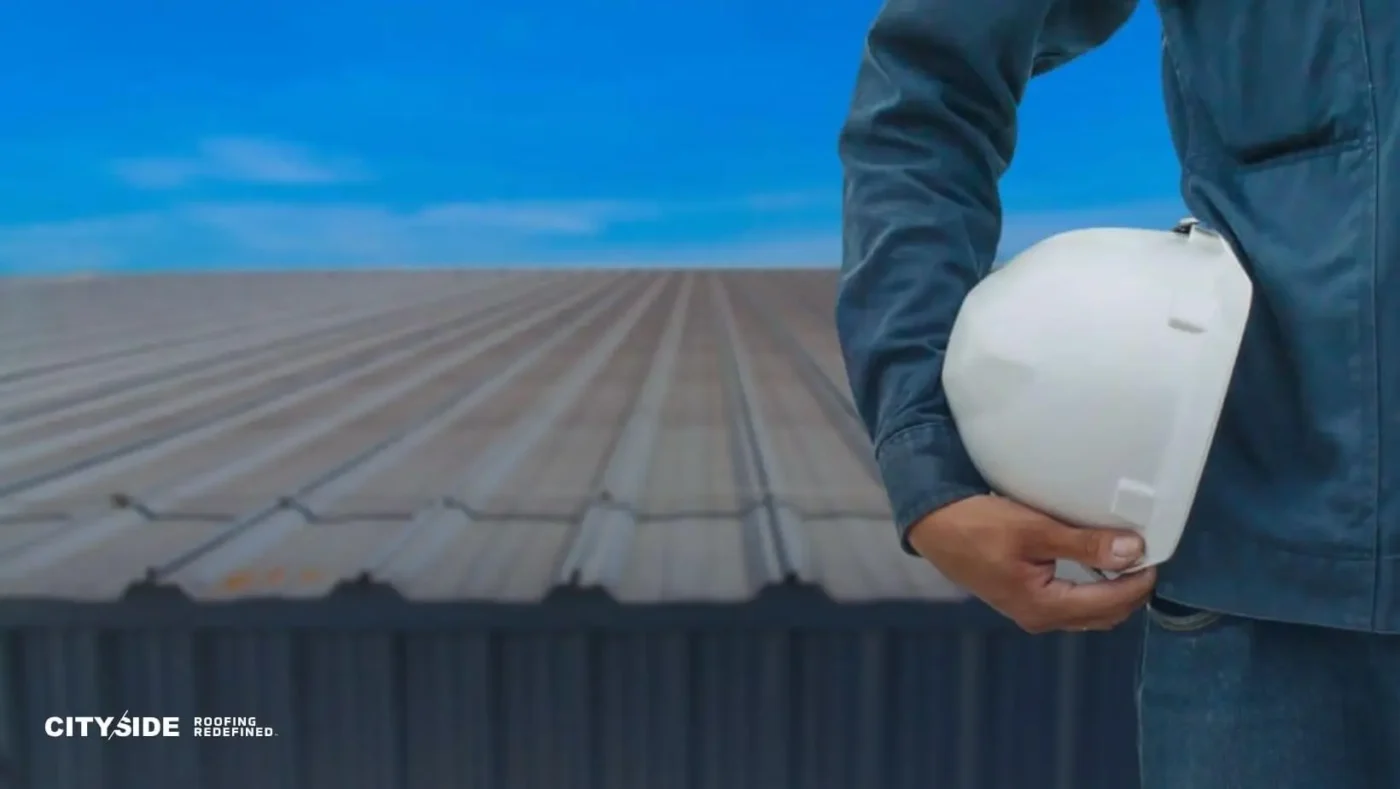
Chemical resistance is often the primary reason builders choose a PVC roofing system. In many environments, especially commercial kitchens and industrial sites, roof surfaces are vulnerable to exhaust residue and airborne contaminants. These compounds rapidly deteriorate conventional roofing materials but have little effect on PVC membranes.
PVC’s chemical resistance makes it suitable for facilities that exhaust animal fats, chemicals, or acidic byproducts through rooftop HVAC or venting systems. The membrane prevents breakdown, softening, or swelling, preserving its waterproofing capability even in harsh environments.
For builders working on manufacturing sites, auto shops, chemical plants, or food service facilities, specifying PVC ensures the roof maintains long term structural integrity despite contact with solvents or airborne contaminants. This resilience helps reduce maintenance needs and extends the service life of the roofing system.
Performance in Hot and Sunny Climates
In warm regions, especially the Southeast and Gulf Coast, roof performance depends heavily on UV durability and heat reflectivity. PVC membranes are engineered to handle prolonged sun exposure without softening or losing elasticity. Their naturally reflective white surface meets or exceeds many cool roof standards, reducing heat absorption and lowering rooftop temperatures.
Enhanced reflectivity has two long term advantages. First, it contributes to lower interior cooling loads. Second, a cooler membrane experiences less thermal expansion and contraction. These temperature cycles can fatigue low slope roofing materials, but PVC’s stability helps prevent premature membrane failure.
For contractors working in regions where cool roof requirements apply, PVC systems are well suited for compliance. They maintain reflectance values over time and help projects align with energy performance goals.
Installation Best Practices for PVC Membranes
PVC membranes can be mechanically attached, adhered, or installed using a ballast system. Each method has specific advantages and considerations depending on the project’s structural, environmental, and budget requirements.
A mechanically attached PVC roof uses fasteners along the seams or field of the roof, allowing rapid installation with good wind uplift performance. Fully adhered systems provide a smooth and uniform appearance, reducing flutter and improving aesthetics. Ballasted systems use weight to hold the membrane in place, though they are less common today due to structural load concerns.
The most critical installation factor is ensuring proper heat welding. PVC seams must be fused uniformly using hot air equipment, forming a continuous bond. Improper welding can lead to seam separation, which is a common cause of membrane failure. Technicians must verify weld temperatures, equipment calibration, and seam pressure throughout installation.
It is also important to ensure proper substrate preparation and moisture control. Any wet insulation beneath the membrane can lead to blistering or reduced adhesion, so inspection of the deck and insulation layers is an essential step in the installation process.
Wind Resistance and Uplift Performance
Wind uplift is a major design concern for roofs in hurricane prone regions. PVC roofing systems offer strong uplift performance when installed with mechanically attached or adhered methods that meet regional code requirements.
A reinforced PVC membrane maintains tensile strength under wind load, and because seams are heat welded, the membrane acts as a unified sheet rather than a collection of individual panels. This monolithic structure helps prevent wind driven peeling or fluttering.
Builders must ensure correct fastener spacing, membrane thickness selection, and edge securement details. Perimeter edge securement is especially important because wind pressure is strongest along the roof edges and corners. PVC systems designed according to manufacturer guidelines can meet or exceed the wind uplift pressures required in strict coastal building codes.
Durability and Longevity of PVC Roofs
PVC roofing systems typically last 20 to 30 years, depending on membrane thickness, climate exposure, and installation quality. Thicker membranes with higher reinforcement tend to offer longer service life and improved puncture resistance.
PVC’s dimensional stability is a key factor in its longevity. Because the material does not expand or shrink significantly, it remains stable under thermal cycles, helping preserve seams, flashings, and termination details.
Another benefit is PVC’s resistance to biological growth. Algae, mold, and bacteria struggle to adhere to PVC’s slick surface, reducing cleaning and maintenance needs. The membrane’s ability to maintain brightness and reflectivity over time is also an advantage for long term performance.
Common Problems and How to Avoid Them
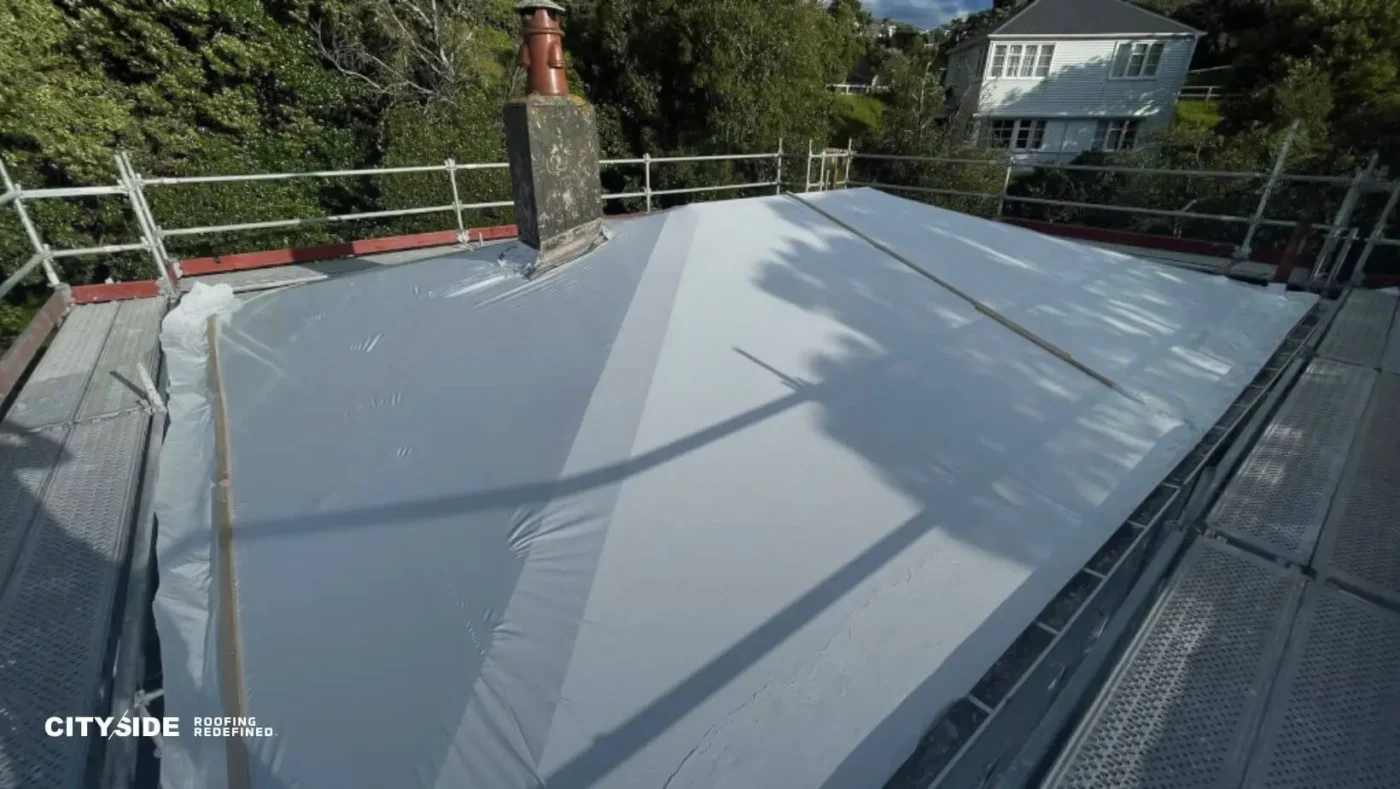
Like any roofing material, PVC can exhibit problems if improperly installed or used in incompatible conditions. The most common issues include membrane shrinkage, brittle aging in extreme cold, and seam failure caused by inconsistent welding.
Shrinkage typically results from installation errors, especially if the membrane was stretched or installed during extreme temperatures. Proper fastening and tension control help prevent this issue.
Seam failures result from underheating, overheating, or uneven pressure during the welding process. Experienced installers must monitor settings, weather conditions, and weld quality throughout the installation.
To avoid long term membrane brittleness, builders should specify high quality membranes with plasticizer formulations suitable for the project’s climate. Using thicker membranes can also improve performance in colder or more extreme environments.
Comparing PVC with Other Single Ply Roofs
PVC is often compared to TPO and EPDM, two other popular single ply membranes. Each has advantages, but PVC’s chemical resistance, weldability, and longevity set it apart.
TPO is known for energy efficiency but lacks PVC’s chemical resistance. EPDM offers excellent weathering durability but requires adhesives for seams instead of heat welding. When the roof must handle grease, oils, or industrial runoff, PVC remains one of the few suitable single ply options.
Builders should evaluate environmental conditions, installation complexity, and long term maintenance goals when comparing these materials. A PVC roofing system often offers the best balance for commercial projects that demand durability and resistance to chemicals.
Summary: Key Takeaways
- A PVC roofing system offers long lasting durability and strong chemical resistance.
- Reinforced PVC membranes provide dimensional stability, puncture resistance, and strong heat welded seams.
- PVC performs especially well in warm climates because of its reflectivity and UV resistance.
- Proper installation practices, seam welding, and substrate preparation are essential for long term success.
- PVC roofing systems typically last 20 to 30 years with regular maintenance.
- PVC remains one of the most reliable choices for facilities exposed to chemical exhaust or industrial contaminants.
For professional roofing guidance, installation support, and project ready specifications, contact CitySide Roofing for expert assistance with PVC roofing system solutions.
Related Reading: