Commercial roofing is a critical part of any building project, especially in new construction where durability, efficiency, and compliance with code requirements define long-term performance. Among the most widely used solutions today are low-slope thermoplastic membranes, specifically PVC and TPO. These roofing products have become standard in the commercial roofing industry because they combine flexibility, weather resistance, and proven lifecycle benefits.
This article explores how builders, designers, and contractors can specify the right roof membrane for different types of commercial buildings. It covers the advantages of PVC and TPO systems, addresses the differences between them, and provides practical guidance on roof system design, insulation, and installation considerations. Builders and facility owners will find this resource valuable when planning durable roofing membrane solutions for flat and low-slope roof projects.
For specification assistance or installation, see CitySide Commercial Roofing Services.
What makes thermoplastic membranes effective in low-slope roof applications
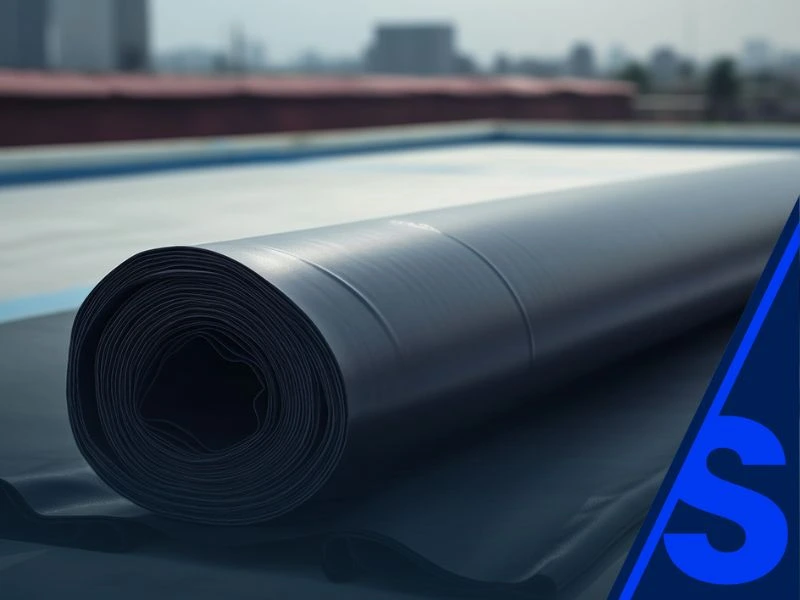
Low-slope roof systems require continuous waterproofing and resilience against pooling water, UV exposure, and temperature fluctuations. Thermoplastic membranes such as PVC and TPO excel because they are lightweight, reflective, and reinforced for long-term stability.
Unlike built-up roof systems that rely on multiple asphalt layers, a single-ply roof membrane provides consistent performance in a thinner profile. A TPO roof or PVC roof membrane is also designed for efficient installation, which reduces labor and project costs while maintaining high thermoplastic roofing seam strength.
These advantages make single-ply membrane roofing a preferred roof solution in the commercial roofing market, especially where speed and cost predictability are essential.
How do PVC and TPO compare in roof membrane performance

Both PVC and TPO membranes are common types of single-ply roofing. While they share similarities, their performance characteristics differ in key ways that influence specification decisions.
PVC roof membranes offer strong chemical resistance, durability against grease or oils, and flexibility for complex roof details. Their main limitation is pvc roofing thermal expansion, which requires proper allowance in design. TPO roofing systems, on the other hand, have gained popularity due to their balance of cost and performance. They provide reflectivity for cool roof applications and are more environmentally recyclable compared to PVC.
Builders evaluating pvc vs tpo roofing lifespan will find that both can deliver over 20 years of service life when installed properly. The final choice often comes down to budget, environmental goals, and specific roofing conditions.
Related read: Built-up roofing for low-slope applications
What role does insulation play in low-slope commercial roof systems
Insulation is critical in low-slope membrane roofing commercial applications because it affects energy performance, code compliance, and roof system durability. Polyiso insulation is the most common material specified in commercial roof assemblies due to its high R-value per inch and compatibility with thermoplastic membranes.
Roofing professionals must also consider roof deck attachment, slope, and drainage design. A roof system with high-quality insulation not only improves energy performance but also supports membrane stability by reducing thermal movement across the roof surface.
In modern commercial roofing systems, insulation selection must also account for fire ratings, moisture resistance, and compatibility with adhesives used in fully adhered roofing. Partnering with a roofing contractor experienced in TPO systems ensures insulation and membranes are integrated to meet project performance goals.
What are the main roof membrane types in the commercial roofing industry
The commercial roofing industry offers a variety of roof membrane types, each with unique benefits and drawbacks. Common types include:
- Thermoplastic membrane systems such as TPO and PVC, which dominate new commercial roofing applications.
- EPDM roof systems, known for flexibility and weather resistance, though less reflective than TPO or PVC.
- Modified bitumen roofing systems, which combine asphalt-based materials with reinforcing fabrics for additional strength.
- Built-up roof assemblies, a traditional option but heavier and less common in modern flat and low-slope roofing.
Understanding the roofing market and different roofing products allows builders to match roof covering solutions to building requirements. For example, bituminous roofing may suit smaller projects, while TPO and PVC excel in large commercial and industrial facilities.
What installation methods are available for TPO roofing membranes

TPO roofing installation methods vary, and the choice of attachment influences durability and cost. Options include:
- Adhered roof systems, where the membrane is bonded directly to the insulation or deck with adhesives.
- Mechanically fastened roof assemblies, which use fasteners and plates to secure the membrane at the seams.
- Fully adhered roofing, preferred in windy environments for its resistance to uplift.
The success of a TPO roof also depends on proper tpo roof welding methods, which create watertight seams using hot-air equipment. Properly welded seams ensure long-term waterproofing and performance in commercial and residential projects.
Builders should review roof size, roof structure, and specific roofing details when deciding on the best installation method for their roofing project.
How does membrane thickness affect durability in commercial roofing
Membrane thickness plays an important role in the durability of roof systems. Thicker membranes provide more resistance to punctures, UV degradation, and mechanical stress. For TPO systems, common thicknesses range from 45 to 80 mils, with thicker options recommended for high-traffic areas or large commercial roofing applications.
PVC roof membranes also benefit from increased thickness in heavy-use environments. Builders specifying durable roofing membrane solutions should balance cost considerations with the benefits of extended service life and reduced maintenance.
The Cool Roof Rating Council also notes that white TPO membranes offer higher reflectivity, lowering cooling loads in commercial buildings and helping projects comply with energy code requirements.
What role do roof coatings play in extending membrane life
While PVC and TPO are durable on their own, roof coating systems can extend performance. Coatings add UV protection, reduce surface temperatures, and provide additional waterproofing.
Roof coatings are often applied as part of lifecycle maintenance rather than at installation, but builders specifying roof membrane types should consider coating compatibility in the overall roof system design. Roof coating solutions also contribute to sustainability goals, particularly when combined with cool roof strategies.
Builders can consult CitySide Roof Maintenance Solutions for information on integrating roof coatings into commercial and industrial lifecycle plans.
How do thermoplastic membranes perform compared to modified bitumen and EPDM

Thermoplastic membranes are often compared to modified bitumen roof and EPDM roof systems. Modified bituminous roofing has a proven history but is heavier, less reflective, and more labor-intensive. EPDM roof membranes excel in flexibility and weathering but lack the reflectivity that supports energy-efficient roof applications.
Thermoplastic roofing, by contrast, provides high thermoplastic roofing seam strength, excellent reflectivity, and compatibility with modern insulation and attachment methods. This makes TPO and PVC the leading choices in commercial roofing industry projects that require low-maintenance, long-term performance.
When evaluating commercial roofing membranes, builders must consider roof and wall assemblies, roof deck design, and waterproofing systems that align with modern roofing technology.
What are the key lifecycle and maintenance considerations for TPO systems
Lifecycle management is essential in low slope roofing. TPO roofing systems offer a balance of durability and cost, but maintenance plays a critical role in extending performance.
Key factors include:
- Routine inspections for punctures, seam integrity, and flashing conditions.
- Scheduled cleaning to maintain cool roof reflectivity.
- Integration of roof coating systems where appropriate to extend service life.
Commercial roofing membranes such as TPO and PVC deliver highest value when lifecycle costs are considered alongside initial installation price. Builders and owners benefit from systems offer predictable maintenance and fewer unplanned repairs.
How are PVC and TPO shaping the future of the commercial roofing market
The commercial roofing market continues to evolve, with PVC and TPO leading growth in single ply roofing industry adoption. Their success is driven by durability, efficiency, and ease of installation across commercial flat and low-slope roof structures.
Pvc and TPO systems are also driving innovation in roofing technology, from improved membrane welding methods to integration with commercial metal roofing and waterproofing systems. Future developments will likely expand the use of modified bitumen membrane hybrids and sustainable membrane systems designed for both commercial and residential use.
Builders evaluating future roofing details should track how pvc and tpo roofing innovations influence commercial and industrial projects across the commercial roofing industry.
Conclusion and Builder Takeaways
Specifying low-slope thermoplastic membranes requires careful evaluation of membrane types, insulation choices, attachment methods, and lifecycle performance. PVC and TPO roofing membranes continue to dominate the commercial roofing industry because they provide durability, reflectivity, and efficient installation for a variety of roof applications.
Key takeaways for builders and roofing professionals:
- Thermoplastic membranes offer proven performance for flat and low-slope roof structures
- TPO and PVC provide strong seam integrity, reflectivity, and long-term durability
- Insulation and membrane attachment methods are critical to roof system success
- Roof coatings can extend lifecycle performance of commercial roofing systems
- PVC and TPO remain the most cost-effective and widely adopted commercial roofing membranes
For assistance in designing or installing a low-slope roof system with thermoplastic membranes, contact CitySide Commercial Roofing Experts today and ensure your next roofing project is specified for performance, compliance, and long-term value.