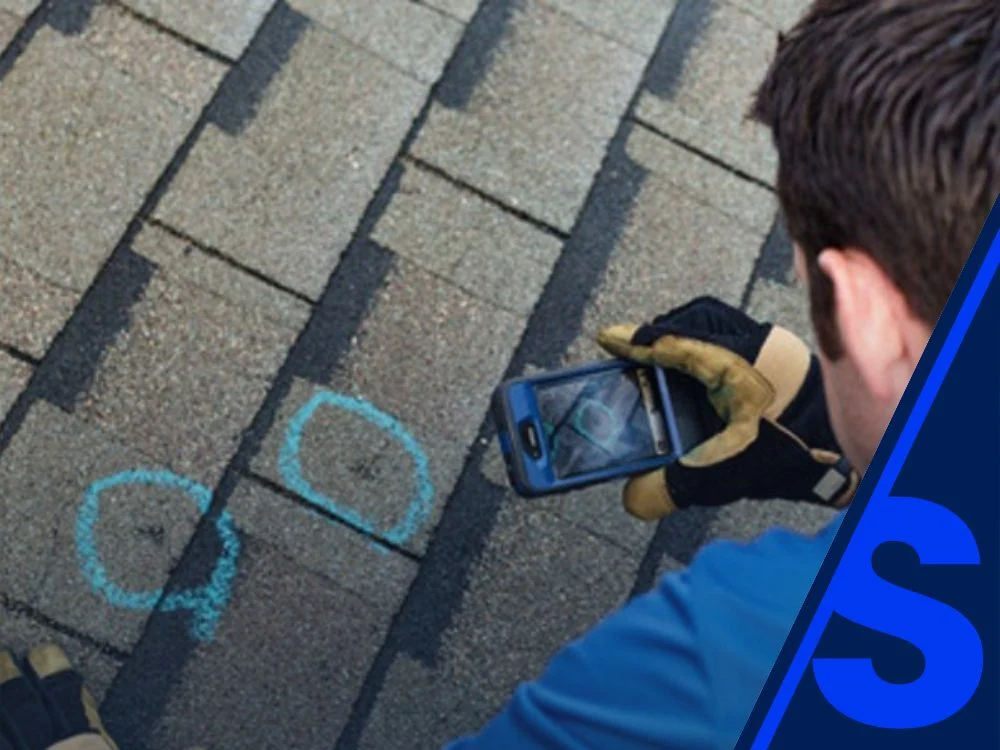
Roofing technology integration involves merging modern digital, material, and energy-efficient innovations into roofing systems to enhance durability, sustainability, and performance. Key trends include smart sensors for leak detection, Building-Integrated Photovoltaics, advanced self-healing materials, drone-based inspections, and ERP-driven scheduling and quality control. For home builders, these advancements improve production efficiency, strengthen code compliance, reduce warranty exposure, and streamline project management from preconstruction through final inspection.
What are the new technologies in roofing?
New roofing technologies include smart leak detection sensors, solar-integrated shingles, drone inspections, self-healing membranes, advanced reflective coatings, and ERP-based project management systems that connect scheduling, materials, and inspections.
What is the best CRM software for roofing?
The best CRM software for roofing is one that integrates with estimating, production scheduling, procurement, and accounting systems. For builders, the priority is not just customer tracking but full ERP connectivity that supports multi-project coordination and compliance documentation.
How can AI help my roofing business?
AI can help by improving material forecasting, optimizing crew scheduling, detecting defects through drone imagery, and analyzing inspection data to reduce warranty risks and improve long-term quality control.
What is the new cool roof technology?
New cool roof technology includes advanced reflective coatings, high-albedo membranes, and integrated photovoltaic systems that reduce heat absorption while meeting energy code requirements for new construction projects.
Roofing is no longer a trade defined only by shingles, membranes, and flashing. Today, roofing technology integration is transforming how builders manage projects, coordinate trades, pass inspections, and protect long-term performance. From ERP systems that synchronize scheduling to smart sensors embedded beneath membranes, technology is reshaping roofing from a reactive trade into a data-driven production asset.
For home builders operating in competitive markets, especially in Florida, the pressure to deliver projects on time while maintaining compliance and quality standards is intense. Roofing sits at a critical juncture in the construction timeline. It affects drying-in schedules, trade sequencing, inspections, and warranty exposure. Integrating digital tools and advanced materials into roofing operations is no longer optional. It is a strategic advantage.
According to the National Institute of Building Sciences, technology integration across construction disciplines improves coordination, reduces rework, and enhances lifecycle performance. Their research highlights that digital systems directly reduce costly delays caused by communication breakdowns.
This article explores how roofing technology integration and ERP systems revolutionize project management for builders, with a focus on operational efficiency, inspection readiness, and quality assurance.
What Is Roofing Technology Integration?
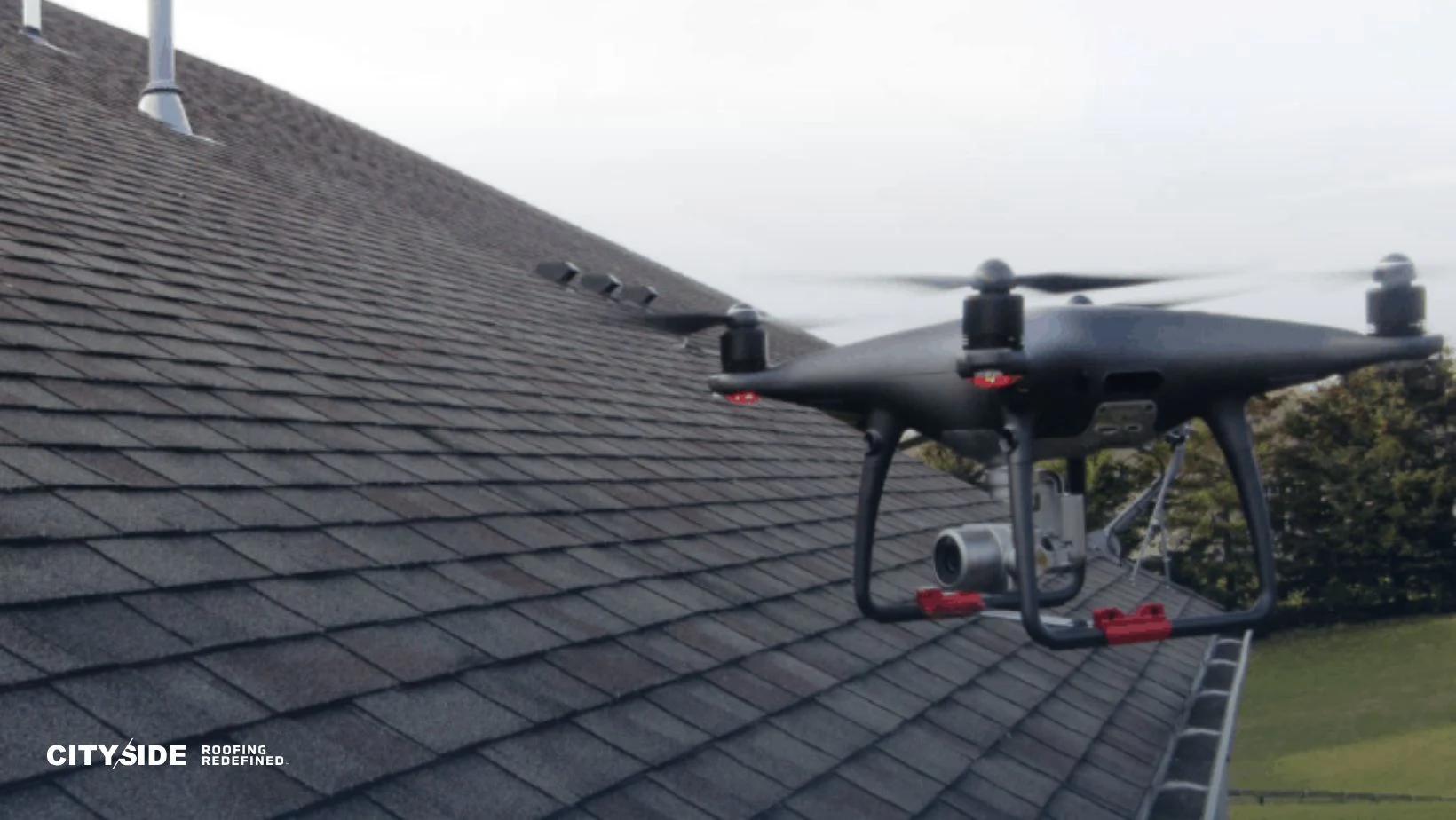
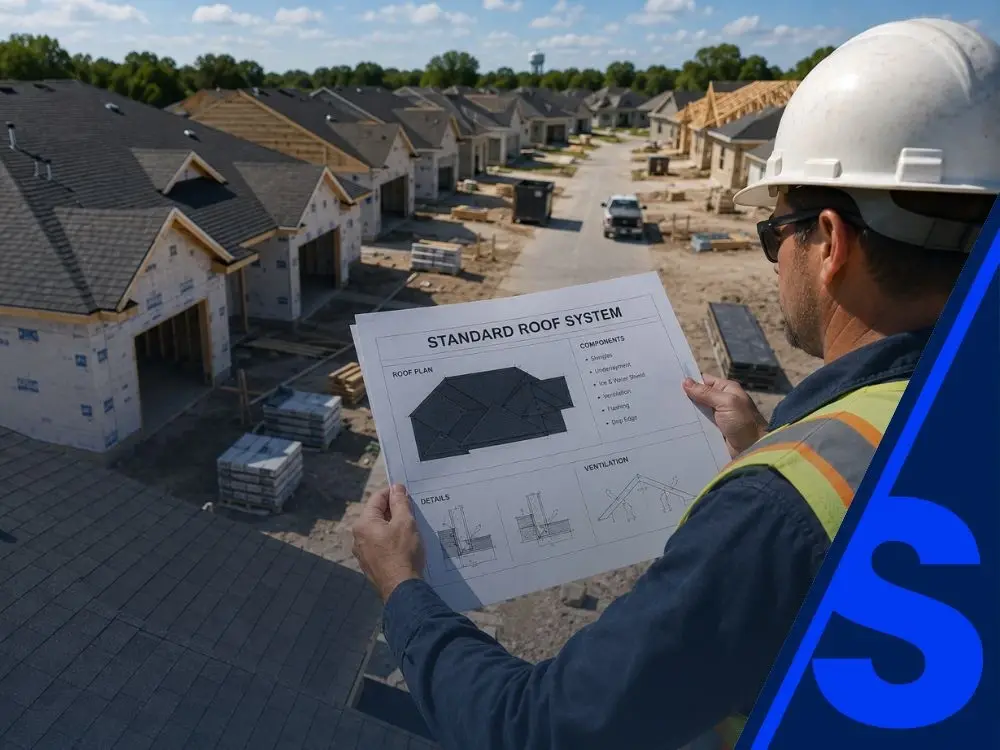
Roofing technology integration refers to the coordination of digital systems, smart materials, inspection technologies, and enterprise software into a unified roofing workflow. Instead of treating roofing as a standalone subcontracted scope, builders are now embedding it within centralized project management platforms.
This integration includes:
- ERP systems for production tracking
- Drone inspections tied to digital reports
- AI-based scheduling tools
- Smart moisture detection sensors
- Solar-ready and reflective material systems
- Cloud-based quality control documentation
For a roofing trade partner in Florida, this level of integration ensures roofing becomes part of the builder’s broader operational ecosystem rather than a siloed trade activity.
ERP Integration and Roofing Project Scheduling
Enterprise Resource Planning systems have transformed manufacturing and supply chains. In roofing, ERP integration connects estimating, material ordering, labor scheduling, inspections, and billing into one platform.
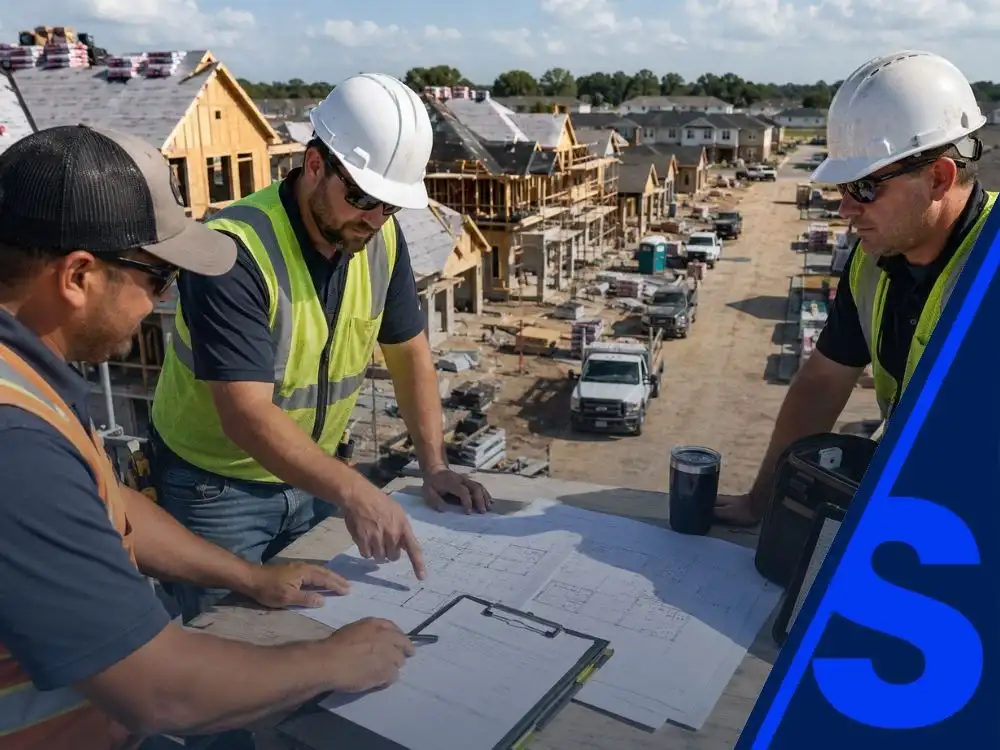
For production builders managing dozens or hundreds of units, roofing must align with framing completion, sheathing inspection, and trade stacking. ERP integration allows real-time scheduling updates, reducing downtime and eliminating miscommunication between project managers and roofing crews.
Below is a simplified comparison of traditional vs ERP-integrated roofing workflows:
Process Stage | Traditional Workflow | ERP-Integrated Workflow |
Scheduling | Manual coordination | Automated calendar sync |
Material Orders | Phone or email | Automated procurement tracking |
Inspections | Paper documentation | Cloud-based inspection logs |
QA Tracking | Manual checklist | Digital photo and timestamp validation |
Billing | Post-completion invoicing | Integrated milestone billing |
For builders partnering with CitySide Roofing, ERP-driven scheduling ensures projects move from dry-in to final inspection without costly delays.
Smart Sensors and Leak Detection in New Construction
Smart moisture detection sensors are increasingly embedded beneath commercial and multi-family roofing systems. These sensors monitor trapped moisture, detect early failures, and alert project teams before visible damage occurs.
For builders, this means reduced warranty risk and improved documentation. Instead of responding to leaks after occupancy, smart systems allow proactive intervention during the warranty period.
In Florida’s humid climate, where water intrusion can lead to rapid structural deterioration, integrating sensor technology enhances both performance and compliance.
Drone Inspections and AI-Driven Quality Control
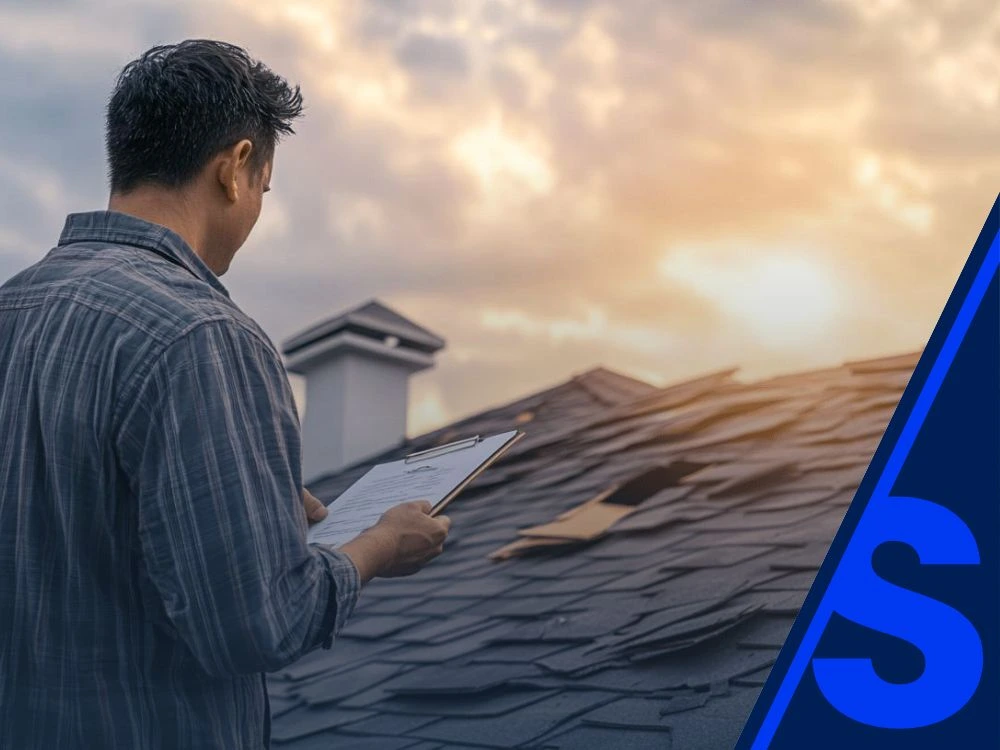
Drone inspections have become a powerful component of roofing technology integration. High-resolution imaging allows builders to document installation progress, confirm flashing details, and verify membrane seams before final inspection.
AI-driven image analysis can flag inconsistencies such as misaligned shingles or improperly fastened panels. This reduces the chance of failed inspections and costly rework.
For large production communities, drone documentation creates a centralized quality record that supports both builder QA and municipal review.
Building-Integrated Photovoltaics and Solar Integration
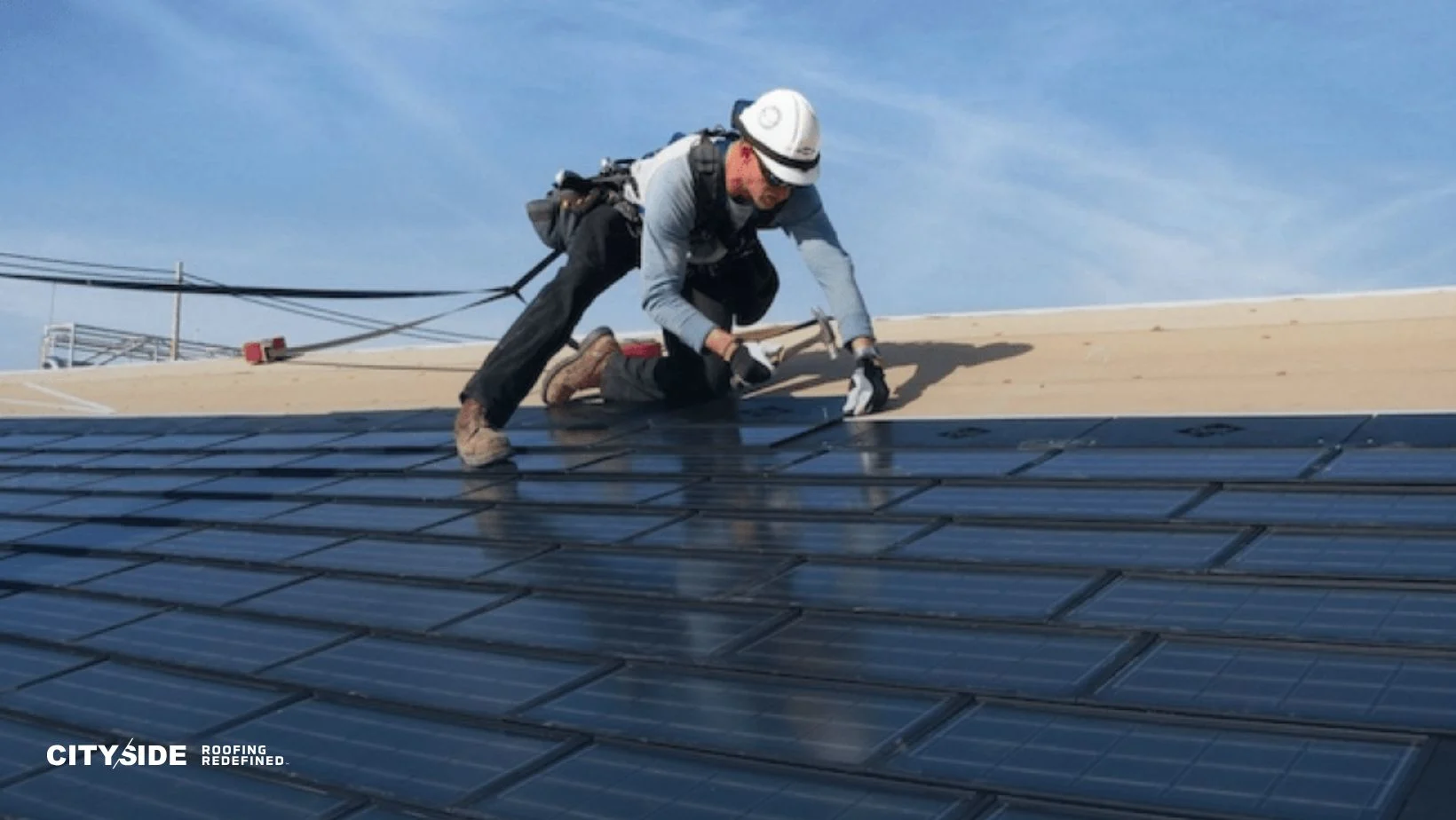
Solar technology is no longer limited to add-on panels. Building-Integrated Photovoltaics integrate solar cells directly into roofing materials, including shingles and standing seam systems.
For builders, this streamlines design coordination and avoids post-installation penetrations that can compromise waterproofing. It also supports energy code compliance and long-term performance standards.
Solar-ready roofing is especially relevant for projects in markets like Longwood and surrounding regions.
Check out: Tech-Driven Roofing Contractor in Longwood, FL
Advanced Reflective and Self-Healing Materials
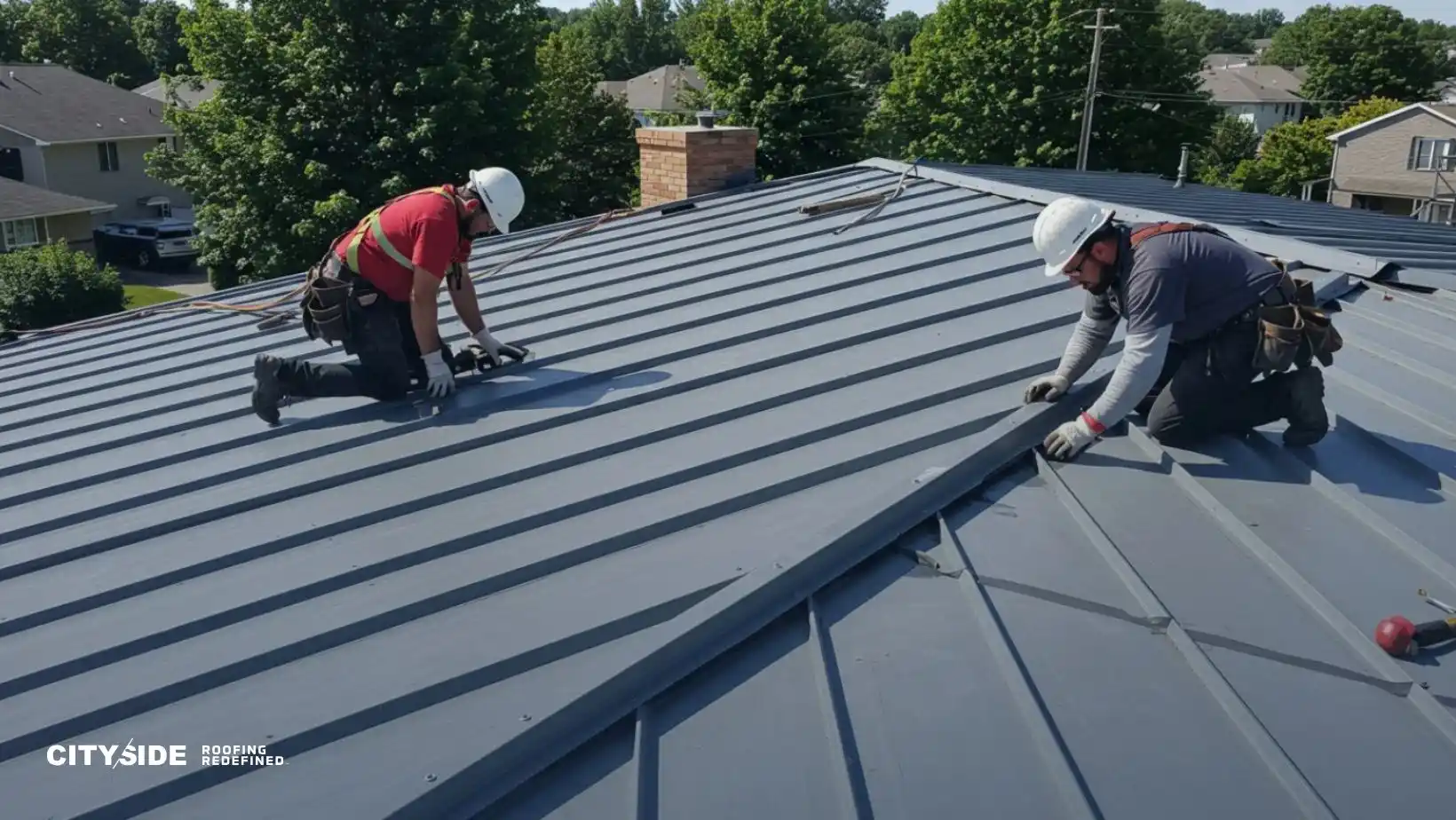
Material innovation is a cornerstone of roofing technology integration. Reflective coatings and self-healing membranes reduce thermal stress and extend system life.
Builders seeking compliance with energy codes can explore advanced reflective systems detailed in Advanced Reflective Metal Roof Coatings for Builder Efficiency and Code Compliance Cityside
Self-healing membranes use polymer technologies that reseal minor punctures, reducing long-term maintenance risks. For new construction, this directly translates to fewer warranty claims and improved builder reputation.
AI in Forecasting and Material Procurement
AI-based forecasting tools analyze historical data, weather patterns, and supply chain variables to predict material needs. This reduces overordering and prevents job site shortages.
For large builders, procurement delays can halt entire subdivisions. Roofing technology integration minimizes these risks by connecting supplier inventory data directly to ERP systems.
AI tools also help determine optimal crew allocation, ensuring labor is deployed efficiently across multiple sites.
Compliance Documentation and Inspection Readiness
Municipal inspections require documentation of underlayment, flashing, fastener patterns, and ventilation details. Roofing technology integration digitizes these records.
Below is a simplified compliance documentation checklist:
Compliance Area | Digital Integration Benefit |
Underlayment Installation | Photo verification |
Fastener Pattern | Timestamped inspection log |
Ventilation Ratios | Code-based calculation tools |
Material Specifications | Linked product data sheets |
Final Inspection | Cloud-shared documentation |
Digital QA systems protect builders from disputes and support long-term warranty management.
Cool Roof Technology and Energy Code Alignment
Cool roof technology continues to evolve with higher solar reflectance and improved durability. Advanced coatings reduce heat absorption, supporting attic temperature control and code compliance.
Energy codes in Florida increasingly demand documentation of reflectivity and thermal performance. Roofing contractor in Florida teams that integrate energy modeling software with installation records give builders a clear compliance advantage.
Operational Efficiency Across Multiple Projects
Roofing technology integration is most impactful in production environments. Builders managing multiple communities require standardized workflows.
ERP dashboards allow project managers to monitor:
- Installation timelines
- Inspection pass rates
- Warranty trends
- Crew productivity metrics
For a roofing company for custom home builders, this level of transparency ensures consistency across diverse projects while maintaining luxury-level detail.
Cost Impact of Technology Integration
Technology adoption requires investment, but it reduces long-term costs. Below is a simplified cost-benefit overview:
Investment Area | Short-Term Cost | Long-Term Benefit |
ERP Integration | Software licensing | Reduced scheduling delays |
Drone Equipment | Hardware purchase | Fewer inspection failures |
Smart Sensors | Material cost increase | Lower warranty exposure |
Reflective Systems | Premium materials | Energy code compliance |
Builders who prioritize integration experience lower rework rates and improved project predictability.
Warranty Risk Reduction Through Data
Warranty claims are one of the largest hidden costs in residential construction. Roofing defects often appear months after completion.
With digital documentation and AI-driven inspection analysis, builders gain defensible records. This reduces liability and ensures that issues are addressed before closing.
Roofers for luxury home roofing installation particularly benefit from digital QA because expectations are higher and reputational risk is significant.
The Future of Roofing Technology Integration
Looking ahead, roofing will continue evolving toward full digital coordination. Real-time weather integration, predictive maintenance analytics, and robotic installation systems are already under development.
Builders who align with forward-thinking partners such as CitySide Roofing position themselves for scalability and resilience in an increasingly technology-driven industry.
Conclusion
Roofing technology integration is not about gadgets or trends. It is about aligning roofing operations with builder priorities: scheduling precision, inspection readiness, warranty reduction, and operational efficiency.
From ERP integration to drone inspections and advanced materials, technology transforms roofing into a strategic asset rather than a reactive trade.
Builders who adopt integrated systems gain transparency, predictability, and measurable performance improvements across every project.
Key Builder Takeaways
- Roofing technology integration improves scheduling and production efficiency
- ERP systems reduce delays and improve communication
- Drone inspections and AI reduce rework and inspection failures
- Smart materials lower warranty exposure
- Digital QA documentation protects long-term builder liability
- Integrated roofing supports compliance with evolving energy codes
To learn how a Roofing trade partner in Florida for custom homes can integrate advanced roofing systems into your production workflow, connect with CitySide Roofing today!