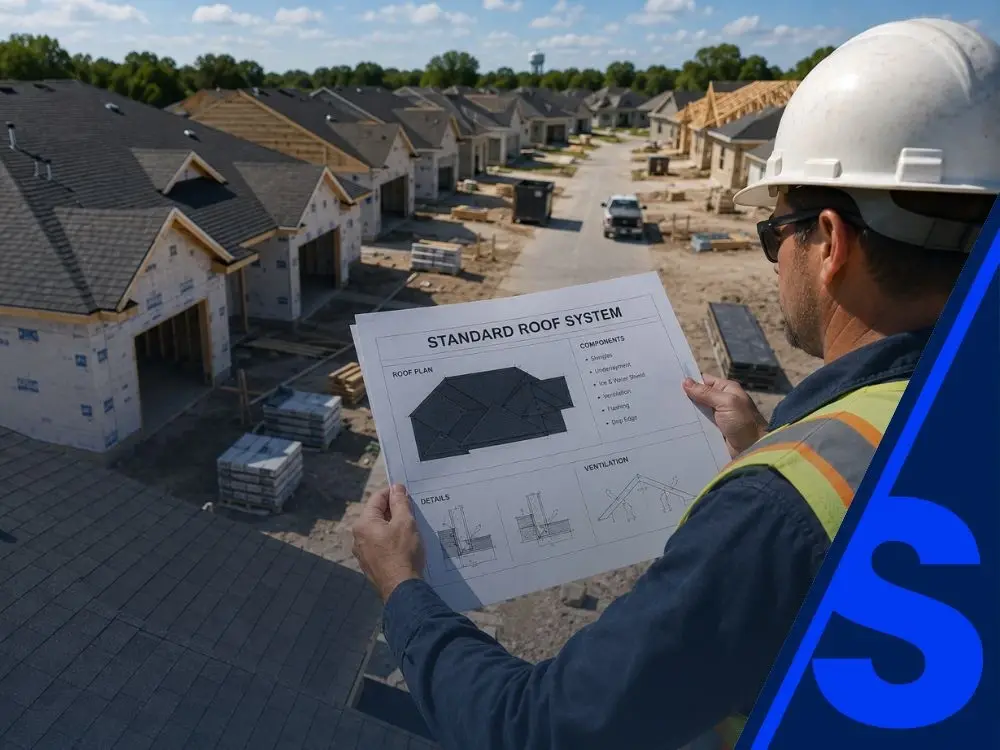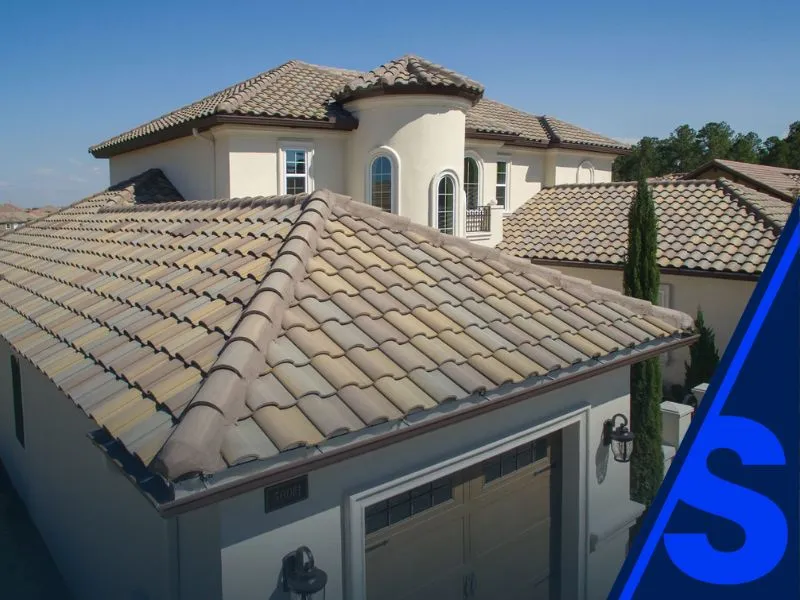
A tile roofing system is a durable and aesthetically pleasing roof that uses interlocking tiles made of materials like clay, concrete, or slate. These systems are known for their longevity, fire resistance, and ability to withstand harsh weather, but are also heavier and more expensive than other roofing options like asphalt shingles. A key component is a raised‑batten system that provides airflow for drainage and ventilation.
What is tile roofing?
A tile roofing system uses individual tiles made from materials such as clay, concrete, or slate that are installed over a roof deck, often with underlayment and battens or other support systems. These systems rely on tile interlock patterns and roof ventilation strategies to shed water and manage weight loads.
What are the disadvantages of a tile roof?
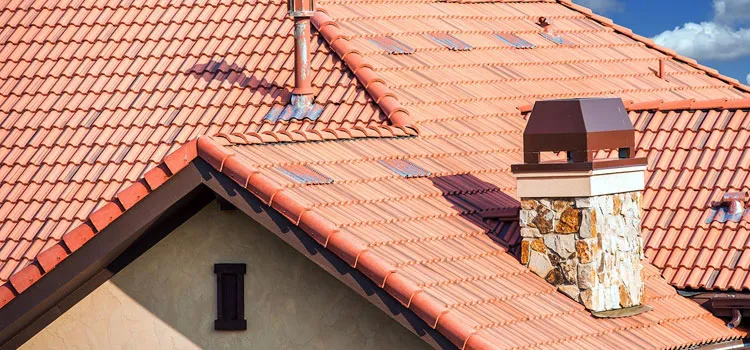
The disadvantages of a tile roof include substantially greater weight compared with asphalt shingles, which often requires engineered roof deck and framing upgrades; higher upfront installation cost; more complicated installation and maintenance logistics; and limited walking access or repair paths due to the tile surface.
What are the three types of roofing?
Broadly speaking, the three types of roofing are asphalt shingle roofs (common, lightweight), metal or synthetic roofs (lighter, durable), and tile or slate roofing systems (heavier, long‑life). Of course there are many sub‑types, but from a builder standpoint those represent major system tiers.
How long does tile roofing last?
According to industry data, clay and concrete tile roofs can last 50 to 100 years or more when properly installed and ventilated. For example, the TRI Alliance notes that clay and concrete roof tiles are “the most cost‑effective, attractive, long-lasting roofing material” under proper installation standards.
Understanding Tile Roofing Systems in Builder Projects
When you specify a tile roofing system for new construction, you must account for several builder‑centric factors: structural load, roof deck configuration, ventilation assemblies, code compliance, installation scheduling, and warranty continuity. In Florida, heavy rainfall, high winds, salt spray, and heat impose additional demands on tile systems. As a builder, you need to evaluate the roof deck’s capacity to support tile, design ventilation to manage heat and moisture, and plan for installation productivity.
Weight Considerations: Structural Impacts and Planning
A major builder concern with a tile roofing system is its weight. Clay and concrete tiles frequently weigh 800‑1,200 lbs per square (100 sq ft) or more, far above the ~250‑400 lbs typical for asphalt shingles. This weight must be factored into roof framing design, roof deck substrate, fastener schedules, and live‑load/ dead‑load calculations.
A heavier roof means increased costs for structural reinforcement, longer installation time (tiles are heavier to handle and placement), and closer coordination with trades such as roof sheathing and underlayment installers. The builder must ensure adequate roof slope, battens, and framing to prevent deck deflection and subsequent tile cracking. Moreover, approval by structural engineer or building official may be required when replacing a lighter roofing type with tile on an existing structure.
Venting and Raised‑Batten Systems for Tile Roofing
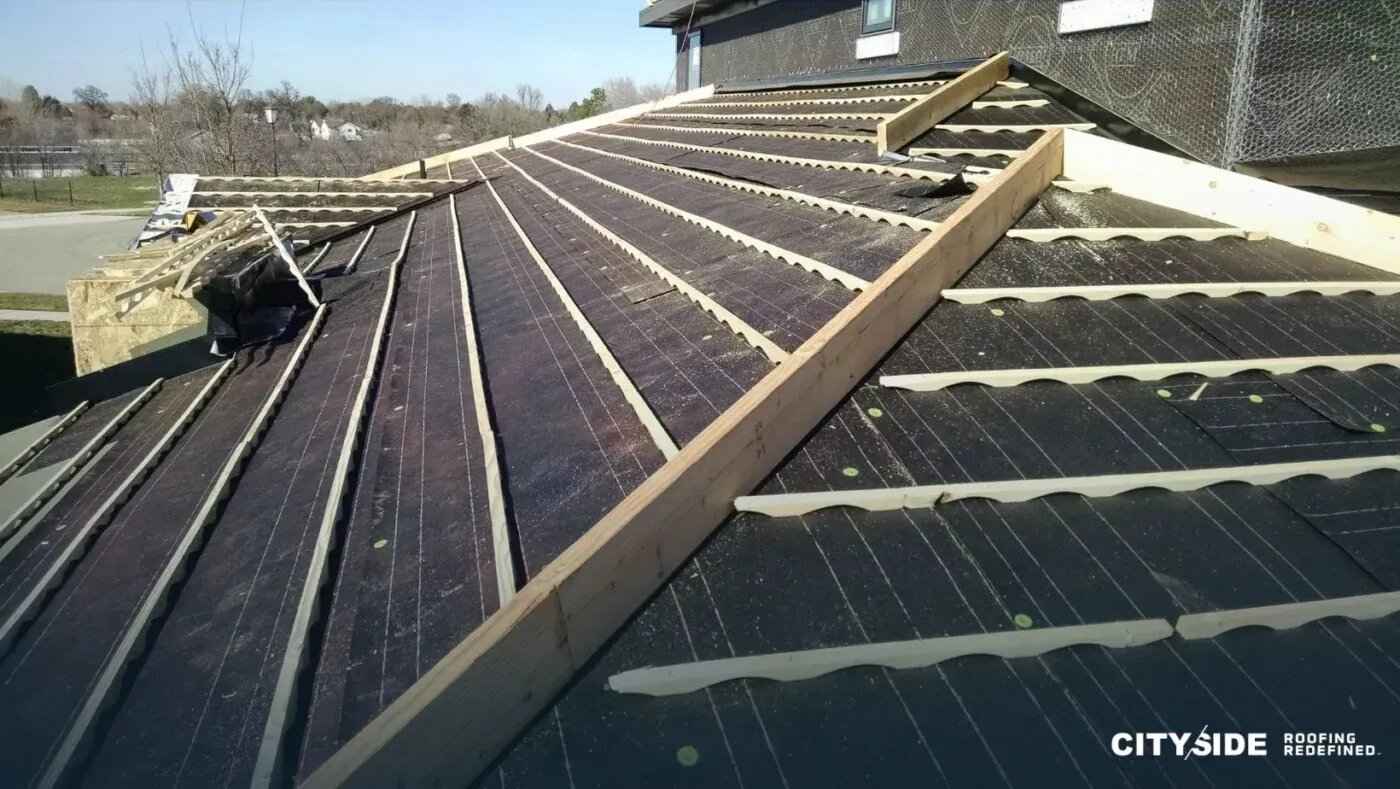
Proper ventilation is another critical component of a tile roofing system. Because tile roofs are often designed to provide a continuous layer of tile over battens or sleepers, they create a gap between the tile and the roof deck that allows airflow, drainage, and drying. This raised‐batten or “batten‑supported ventilation zone” is key to controlling heat and moisture beneath the tile, especially in hot and humid climates like Florida.
Without adequate venting, moisture may accumulate at the roof deck or underlayment, potentially leading to rot, deck erosion, or mold growth. The ventilation path typically requires intake vents (soffits) and exhaust vents (ridge or roof vents) sized to meet code‑required ventilation rates (commonly 1:150 or better in absence of vapor barrier). Builders must avoid obstructing this airflow with insulation, underlayment bulk, or roofing components. Planning for vents, battens, and airflow channels early in the schedule prevents revision mid‑project.
Lifespan Expectations: Tile Roofing System Durability
A major advantage of a tile roofing system is long service life. Clay and concrete tile roofs have demonstrated lifespans well over 50 years, and in many cases 75‑100 years when installed correctly. This means fewer roof‑replacements over the life of the building, which reduces disruption and lifecycle cost. From a builder’s vantage point, this means lower risk of callback, fewer warranty concerns, and a strong value proposition for developers marketing long‑life construction.
That said, the longer lifespan is contingent upon correct installation, ventilation, structural integrity, and periodic inspection. Even tile roofs can suffer from cracked tiles, broken fasteners, inadequate underlayment, or blocked drainage if builder execution is lax. Therefore operational procedures and QC checkpoints are important to realize full lifespan benefit.
Code Compliance and Florida Performance Requirements
In Florida, tile roofing systems must comply with the Florida Building Code (FBC). For example, winds, uplift, and hurricane zones mandate specific fastening and tile anchorage methods. A tile roofing system must be engineered to meet high‑velocity hurricane zone requirements if needed. The tile and roof deck assembly must also accommodate ventilation and drainage requirements per code. Builders must submit documentation, installation instructions, manufacturer specs, and structural calculations, to pass permitting and inspection.
Failure to size ventilation intake/exhaust correctly, or to support roof weight with proper framing, can lead to inspection delays or rework. Aligning the tile roofing system specification with compliance tools and structural review upfront is a key builder risk mitigation strategy.
Material Types in Tile Roofing Systems: Clay, Concrete, and Slate
Different materials are available under the tile roofing system umbrella, each with implications for weight, cost, installation complexity, and lifespan.
- Clay tiles are kiln‑fired and offer excellent durability, natural materials and premium aesthetics. They are among the heaviest and most costly to install.
- Concrete tiles offer a more cost‑effective solution while replicating many of the performance characteristics of clay; they still carry large weight burdens but lower material cost.
- Slate tiles—though less common in Florida new builds, represent a very premium option with long lifespan and high cost, but require very robust framing.
From a builder’s standpoint the choice of material will impact roof deck design, detail drawings, installation logistics and project scheduling.
Installer Productivity, Logistics and Scheduling Impacts

A tile roofing system affects installation productivity, labor coordination, and schedule planning. Unlike lighter roofing systems, tiles require slower placement, skilled labor, and careful handling. Grids for batten systems must be installed precisely; tiles have higher breakage risk during installation; and coordination with roof sheathing, ventilation prep, ridge and hip tile installation takes longer.
Builders scheduling production homes should factor extra time for tile set‑up and tile installation compared to shingle systems. Breakdown of installation phases, framing, underlayment, batten system, tile placement, ridge tile, flashing, needs to be sequenced in the schedule. Material delivery, staging, and safe handling on roof structure must be planned to avoid delays. Ensuring all trades understand the sequence and QC checkpoints (deck deflection, batten alignment, ventilation clearance) helps keep production on track.
Venting Detail: Raised‑Batten, Clearance, and Ventilation Paths
Detailing ventilation under a tile roofing system is both a design and execution matter. The raised‑batten system creates an air channel between the tile and underlayment which allows any moisture or trapped heat to escape. Typical clearance might be 1 to 1.5 inches, depending on batten size; this gap must remain unobstructed.
Builders must ensure battens are spaced correctly, fasteners remain flush, underlayment is installed at the correct manufacturer recommended temperature range, and ventilation intake and exhaust edges are clear. Vent tiles or ridge vent systems integrated into tile roofing require coordination. Documenting these clearances and performing inspection points as part of QC ensures the transition from installation to close‑out avoids issues with moisture or thermal stress.
Warranty and Long‑Term Maintenance Considerations for Builders
Although a tile roofing system is often marketed as “maintenance‑free,” builders should still consider the warranty mechanisms and long‑term inspection strategy. Manufacturer warranties may cover tile materials for decades; however the installation workmanship warranty is still within builder control. Proper fastening, batten alignment, ventilation, and flashing details all influence warranty claims.
Builders should incorporate inspection checklists during final walkthroughs: verify structural framing capacity under tile loads, check ventilation clearance and batten support, confirm flashing around penetrations, and ensure drainage details (eaves, valley tiles, hip/ ridge tiles) are executed. Documenting these steps creates a ripple effect of fewer warranty claims, better owner satisfaction, and stronger builder brand reputation.
Cost‑Benefit Analysis for Builders: Upfront Cost vs Lifecycle Value
From a cost standpoint, a tile roofing system has higher upfront cost than standard asphalt or even many metal roofs. Costs include material, structural reinforcement, skilled labor, underlayment, battens, ventilation detailing, and longer installation time. However, from a lifecycle perspective, the long service life (50‑100 years) translates into fewer replacements, reduced homeowner disruption, and lower long‑term risk of roof system failure. For builders developing multiple homes or offering premium product lines, tile systems can differentiate product, reduce long‑term liability, and align with high‑end market positioning.
From a builder risk mitigation viewpoint, choosing tile for homes in hurricane‑prone zones, heat‑intense regions, or markets where aesthetics matter can yield superior returns when bundled with proper execution and quality assurance.
Builder Checklist: Specifying a Tile Roofing System
To ensure success when specifying a tile roofing system for new construction, builders should follow this checklist:
- Confirm roof framing and deck design support the weight of the tile system plus battens, underlayment, and ballast.
- Specify batten/raised‑vent system details: batten size, spacing, ventilation gap, ventilation path.
- Document ventilation intake and exhaust sizing to comply with code and ensure airflow beneath tiles.
- Choose tile material (clay, concrete, slate) based on performance, local climate, cost, and structural impact.
- Coordinate installation sequence: sheathing → underlayment → battens → tile → ridge/hip tile → flashing.
- Require installer documentation of fasteners, batten alignment, and ventilation clearance as part of QC.
- Schedule multimedia inspection prior to tile placement (photograph framing, decking, underlayment, ventilation batten).
- Integrate warranty hand‑over package including material certification, installation records, and ventilation documentation.
- Align bids and crew scheduling with tile installation hours, material staging, and roofing safety protocols.
- Plan for long‑term inspection/maintenance strategy focusing on cracked tiles, broken fasteners, blocked vents, and drainage pathways.
According to the Roofing Industry Committee on Weather Issues (RICOWI) affiliated TRI Alliance, “Clay and concrete roof tiles are by far the most cost‑effective, attractive, long‑lasting roofing material for any residential or commercial structure” when installed to code‑compliant fastening and ventilation systems. This reinforces that weight, installation detail, and ventilation are not optional, they are the delivery mechanisms for performance.
Conclusion
A tile roofing system presents a premium roofing solution for builders, one that offers long life, distinct aesthetics, and strong durability in challenging climates. At the same time, it introduces higher structural weight, complex ventilation and batten detailing, and elevated upfront cost. For builder teams, success hinges on early structural coordination, detailed ventilation design, rigorous installation sequencing, and quality control documentation. By treating tile roofing systems as integrated assemblies (frame + deck + underlayment + battens + tiles + ventilation) rather than just “material upgrade,” you can deliver production homes that yield fewer callbacks, stronger asset value, and superior long‑term performance.
Related Reading: