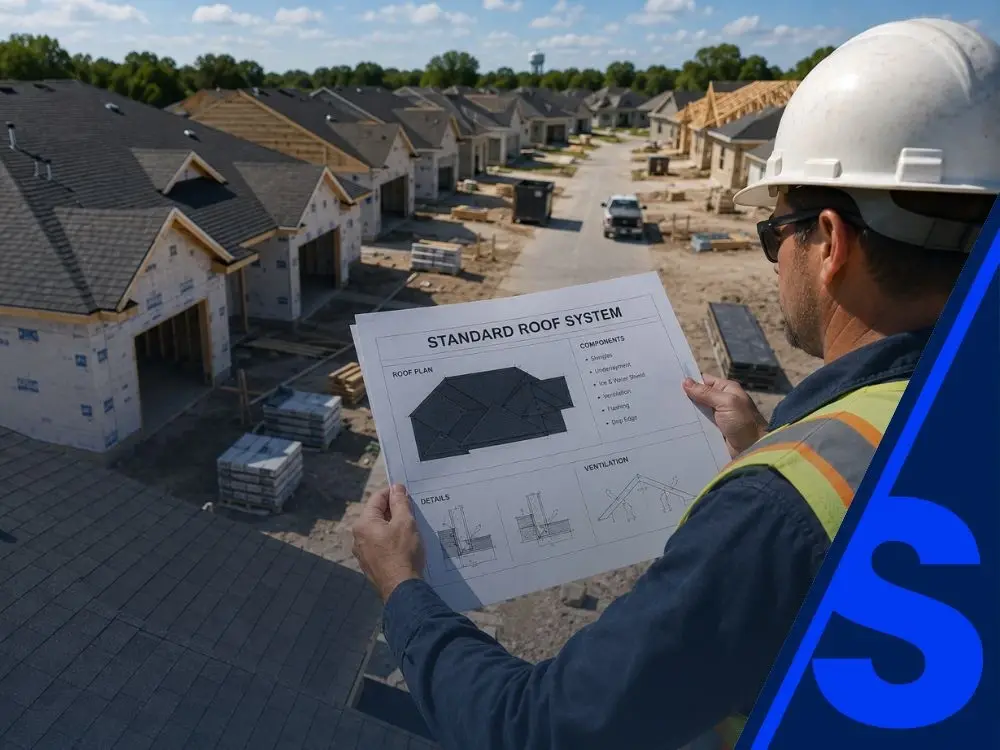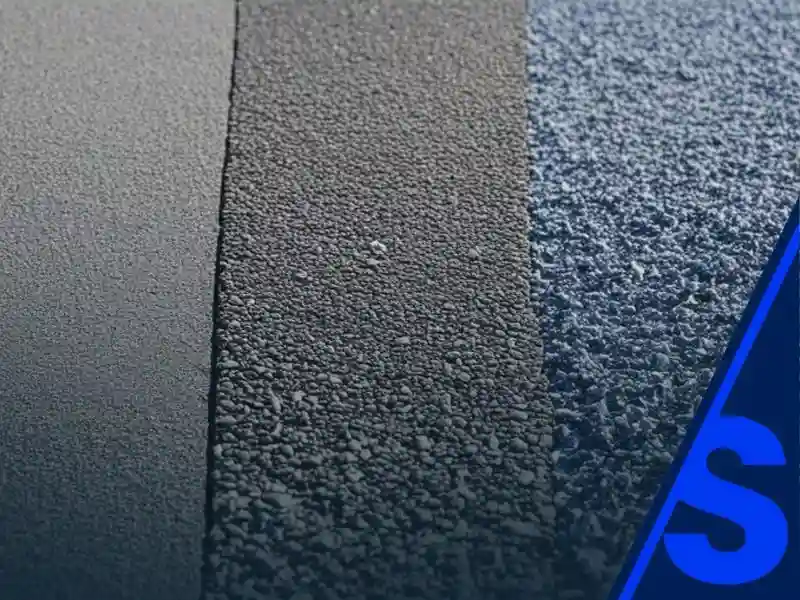
TPO is a single-ply white membrane known for energy efficiency, UV resistance, and heat-welded seams, making it ideal for low-traffic roofs in hot climates. Modified bitumen is an asphalt-based multi-ply system offering excellent durability, especially for high-traffic or cold-weather conditions. TPO often costs less upfront, while modified bitumen may provide longer-term protection under heavy use or harsh environments. The right choice depends on project size, climate, and performance priorities.
Can you install TPO over modified bitumen?
In some cases, TPO can be installed over modified bitumen, but only if the existing roof is in good condition and properly prepared. A separation layer or recovery board is typically required to prevent chemical incompatibility and ensure adhesion. Building codes and manufacturer specifications must be reviewed before proceeding to ensure warranty compliance and proper installation.
What are the cons of TPO roofing?
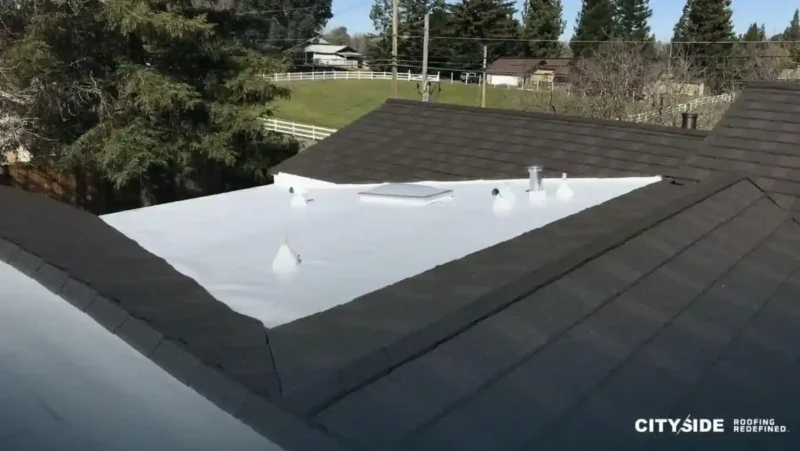
TPO roofing can be sensitive to poor installation and heat welding. Inconsistent welds can lead to seam failures, and thinner membranes may degrade faster in extreme temperatures. Additionally, TPO is not ideal for high-traffic roofs, as punctures and wear can occur more easily than on multi-ply systems.
Is TPO compatible with bitumen?
TPO is not directly compatible with bitumen because the two materials can chemically react, leading to degradation of the membrane. If a TPO system is being installed over an existing bituminous surface, a separation layer such as a thermal barrier or recovery board must be used to prevent direct contact and maintain roof performance.
What are the disadvantages of modified bitumen roofing?
Modified bitumen roofing is durable but heavier and more labor-intensive to install than single-ply systems. It often requires torch application, which increases fire risk if not managed properly. Over time, seams can fail if not maintained, and reflective coatings may need periodic reapplication to maintain UV protection and energy efficiency.
Introduction
When it comes to flat or low-slope roofing on small commercial or residential projects, builders often face a common question: TPO vs. modified bitumen , which system delivers the best balance of performance, cost, and long-term reliability? Both are proven roofing solutions, but their characteristics, installation methods, and ideal use cases differ in meaningful ways. Understanding the pros, cons, and technical requirements of each material can help builders and contractors make the best decision for their project’s scale, climate, and operational demands.
According to the U.S. Department of Energy (energy.gov), reflective single-ply roofing systems like TPO can significantly reduce building cooling loads in hot climates by reflecting solar radiation and minimizing heat transfer into the structure. This energy-saving property makes TPO especially attractive for builders working in regions with high solar exposure and stringent energy code requirements.
Understanding TPO Roofing
Thermoplastic Polyolefin, or TPO, is a single-ply roofing membrane made from polypropylene and ethylene-propylene rubber. It has gained popularity due to its light color, reflective surface, and heat-welded seams, which create a monolithic, watertight layer across the roof surface.
TPO membranes are typically installed mechanically or adhered directly to insulation boards. The heat-welded seams are one of TPO’s strongest features, creating durable joints that resist water infiltration and uplift pressure. Builders often favor TPO because of its clean installation, reduced weight, and compliance with energy codes in warm, sunny climates.
However, TPO’s performance is heavily dependent on the quality of installation. Improper seam welding or inadequate surface preparation can compromise system integrity. Regular inspections are recommended to catch early signs of punctures or seam stress, especially on roofs with HVAC traffic or mounted solar systems.
Understanding Modified Bitumen Roofing
Modified bitumen roofing is an evolution of traditional built-up roofing (BUR). It incorporates asphalt reinforced with modifiers like APP (atactic polypropylene) or SBS (styrene-butadiene-styrene), which improve elasticity and resistance to temperature changes.
This system is typically installed in multiple layers using methods such as torch-applied, cold-applied adhesives, or self-adhering sheets. The result is a thick, durable membrane capable of withstanding heavy foot traffic, equipment loads, and harsh weather conditions. Builders value modified bitumen for its toughness and ability to handle physical stress that would damage thinner membranes like TPO.
In Florida and other humid climates, SBS-modified bitumen performs well because of its flexibility and resistance to cracking in fluctuating temperatures. However, its darker surface absorbs more heat, which can increase building cooling demands unless a reflective coating is applied.
Installation Process: TPO vs. Modified Bitumen
TPO installation involves rolling out single-ply sheets and heat-welding seams using hot-air tools. This process requires skilled technicians to ensure proper temperature control and consistent weld strength. Once seams are completed, flashing and edge details are sealed, creating a continuous waterproof membrane.
Modified bitumen installation, by contrast, is more labor-intensive. Depending on the chosen method, torch-applied, cold-applied, or self-adhered, the process may involve multiple plies of reinforcement and asphalt layers. Each layer increases redundancy, which provides superior puncture resistance but extends installation time.
For small projects where speed and minimal disruption are priorities, TPO’s simplicity can be a significant advantage. However, for facilities expecting foot traffic or mechanical installations, modified bitumen’s layered protection offers greater resilience and long-term confidence.
Durability and Lifespan
Modified bitumen roofs typically last 20 to 30 years with proper maintenance. Their multi-layer composition allows them to withstand impacts, UV exposure, and fluctuating temperatures. Routine inspections and surface coatings can further extend service life.
TPO roofs have an expected lifespan of 15 to 25 years, depending on membrane thickness and installation quality. Advances in material formulation have improved UV resistance, but TPO remains more vulnerable to punctures and weld degradation than its multi-ply counterpart.
Ultimately, project-specific factors, such as roof traffic, environmental exposure, and maintenance access, determine which system provides the better long-term investment.
Energy Efficiency and Climate Performance
Energy efficiency is where TPO shines. Its bright white surface reflects sunlight and minimizes heat gain, keeping roof temperatures significantly lower during hot weather. For Florida builders working under strict energy code requirements, TPO systems can help projects meet reflectivity and emissivity standards without additional coatings.
Modified bitumen, by contrast, tends to absorb heat unless a reflective surface is applied. However, in cooler or mixed climates, this heat absorption can be beneficial, helping reduce heating demand in winter months. Reflective coatings can be added to modified bitumen roofs to balance performance across seasons.
Builders should consider both short- and long-term energy costs when choosing between TPO and modified bitumen, especially for projects with high utility exposure or sustainability goals.
Maintenance Requirements
TPO roofs require minimal maintenance but must be inspected regularly to check seams, flashings, and potential punctures. Cleaning dirt and debris helps maintain reflectivity and performance. Because repairs involve heat welding, builders should ensure trained crews handle all patchwork.
Modified bitumen roofs demand more frequent surface inspections to catch cracking, blistering, or coating degradation. However, patch repairs are relatively simple using compatible asphalt-based products. Builders managing portfolios of small commercial properties often prefer modified bitumen’s ease of on-site repair.
For long-term maintenance scheduling, TPO may reduce labor costs, while modified bitumen allows for easier localized repairs without specialized equipment.
Cost Comparison
TPO roofing generally offers lower material and installation costs compared to modified bitumen. Single-ply systems require fewer materials and less labor, reducing upfront expenses. This makes TPO attractive for budget-sensitive projects or smaller roofs where speed and cost control are key.
Modified bitumen, although costlier upfront, can deliver stronger long-term value in heavy-use or harsh environments. Its durability and resistance to mechanical damage can reduce lifetime repair costs. Builders must weigh short-term savings against long-term performance expectations and potential maintenance demands.
Suitability for Small Projects
For small commercial or multifamily projects, TPO provides quick installation, energy savings, and a clean aesthetic ideal for visible flat roofs or light-duty applications. Its lightweight nature also reduces structural load, which can be beneficial for retrofits or low-slope designs.
Modified bitumen, on the other hand, is the better choice for roofs that must endure frequent access, such as maintenance decks, utility areas, or mixed-use structures. Its strength and multi-layer protection ensure reliability even under physical stress.
Builders should align system selection with the building’s intended use, access frequency, and local environmental conditions to ensure optimal performance and value.
According to the U.S. Department of Energy’s Building Technologies Office, reflective roofing materials such as TPO can lower roof surface temperatures by up to 50°F compared to conventional materials, helping to reduce cooling energy use by up to 15 percent in hot climates (energy.gov). This makes TPO a valuable component for energy-efficient construction in regions like Florida, where solar gain is a constant concern.
Environmental Considerations
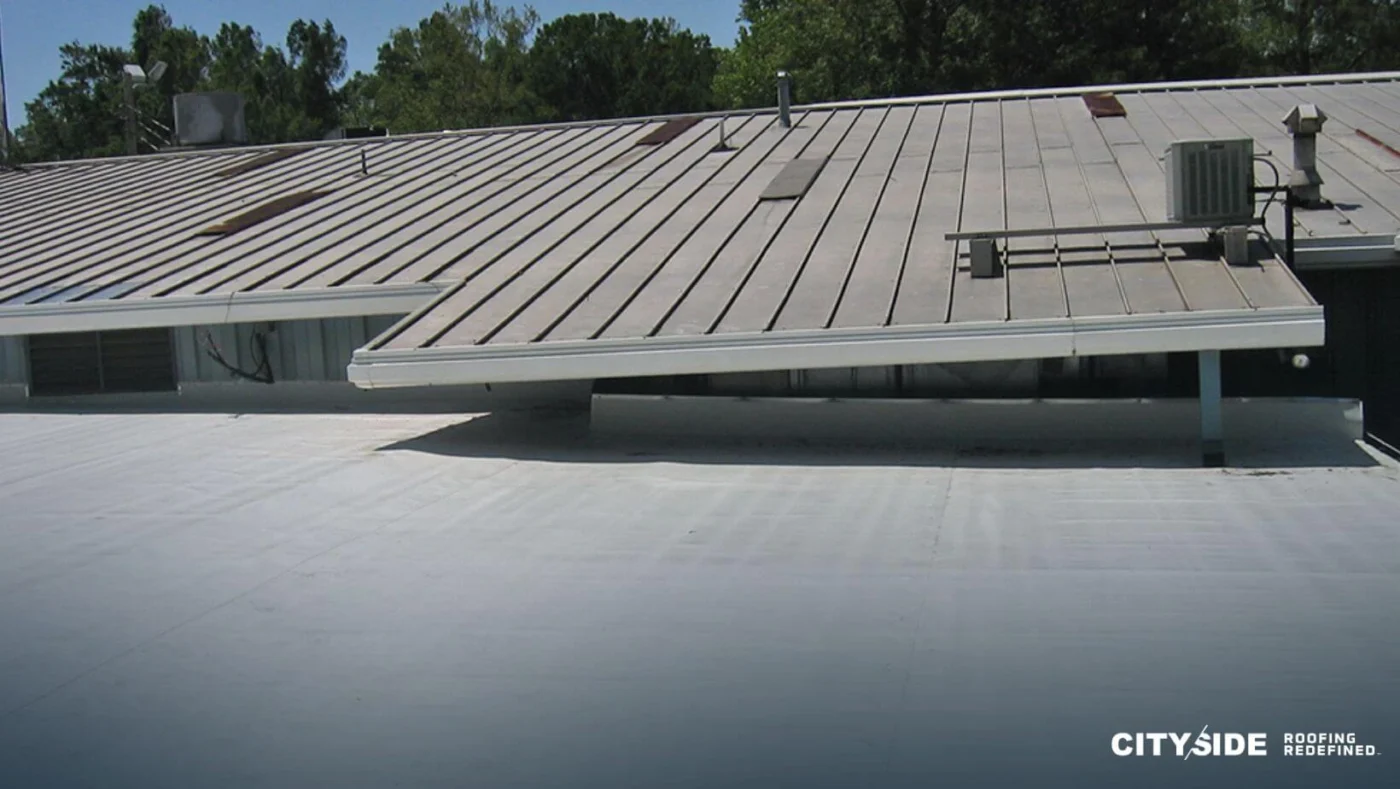
From a sustainability standpoint, TPO’s recyclability and reflective properties make it a greener option for builders pursuing environmentally responsible projects. Many TPO membranes are free from chlorine and can be recycled at the end of their service life.
Modified bitumen’s environmental footprint depends largely on installation method and coatings used. Cold-applied and self-adhered systems minimize emissions compared to torch applications, and modern reflective coatings improve energy performance. Builders focused on green certifications should review available product data sheets for compliance with LEED or local energy programs.
Choosing the Right Roof for Your Project
When deciding between TPO and modified bitumen, builders should evaluate several factors:
- Climate: TPO performs best in hot, sunny climates; modified bitumen excels in cold or mixed conditions.
- Roof traffic: TPO suits low-traffic roofs, while modified bitumen handles frequent access or mechanical stress.
- Budget: TPO offers a lower upfront cost; modified bitumen may reduce long-term repairs.
- Code compliance: TPO’s reflectivity often simplifies meeting energy code requirements in Florida.
- Installation speed: Single-ply TPO systems can be installed faster, reducing downtime on small projects.
Each system brings clear advantages depending on project priorities, operational needs, and builder specifications.
Final Takeaways
Both TPO and modified bitumen are proven roofing systems with strong track records in commercial and residential construction. The decision ultimately depends on climate, budget, and building use.
Key takeaways for builders:
- TPO offers excellent reflectivity, energy efficiency, and lower installation costs.
- Modified bitumen provides unmatched durability, puncture resistance, and reliability in high-traffic conditions.
- Proper installation and maintenance determine long-term success for either system.
- Builders should always consult manufacturer guidelines and local codes before selecting or layering materials.
For builders managing small or mid-sized flat roof projects in Florida, understanding the practical differences between TPO vs. modified bitumen ensures code compliance, cost efficiency, and long-term peace of mind.
For expert guidance, material recommendations, and QC-driven installation support, contact CitySide Roofing to plan your next project.
Related Reading