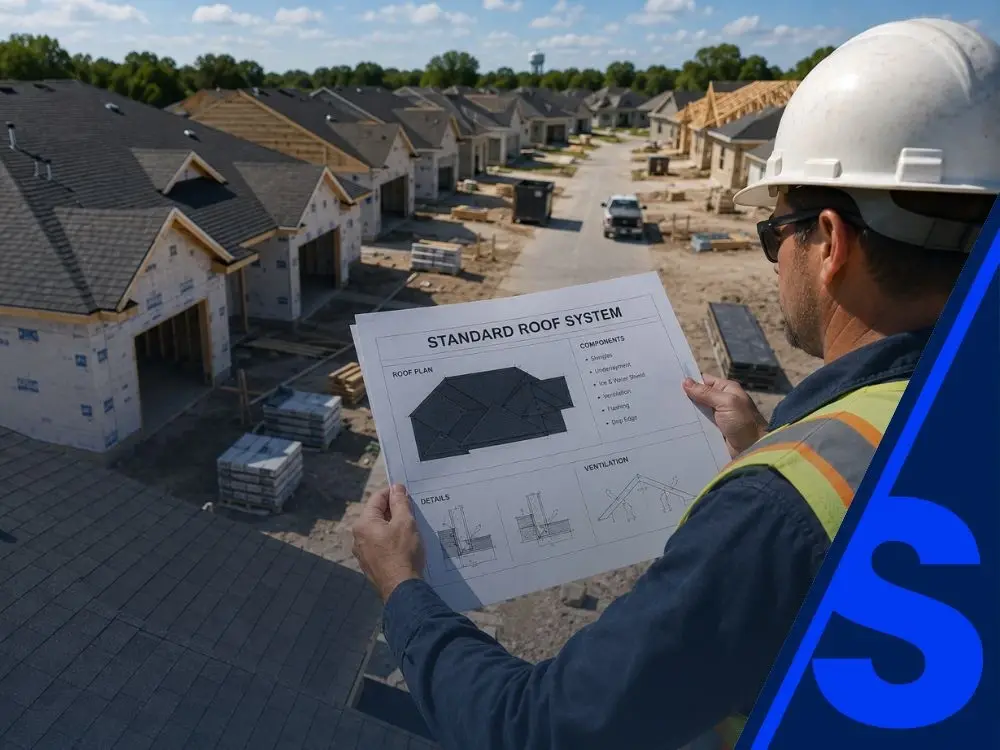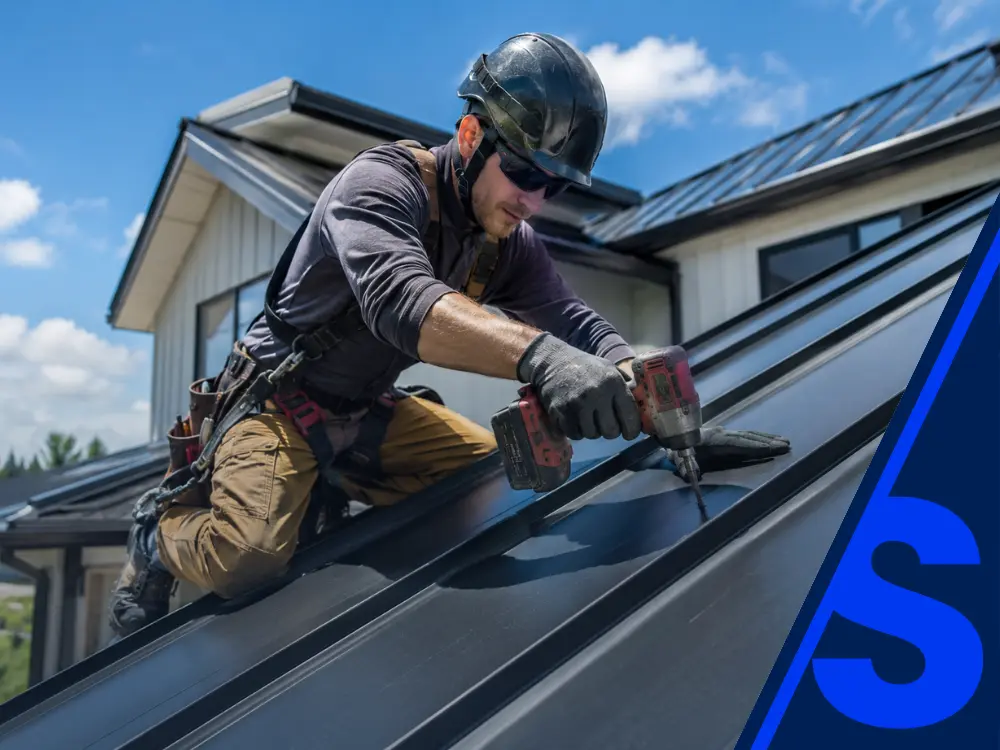
Sustainable roofing solutions prioritize environmental responsibility through energy efficiency, long lifespans, and recycled materials. Key options include green roofs with vegetation systems, cool roofs with high solar reflectivity, and durable materials such as metal, clay tile, and recycled rubber shingles. For home builders, these roofing systems reduce heat absorption, improve operational efficiency, support energy code compliance, minimize long term warranty risk, and often deliver service lives exceeding 50 years when installed correctly.
What is the most sustainable roofing?
The most sustainable roofing systems are typically long lifespan materials with high energy efficiency and recyclable content, such as standing seam metal roofing, clay tile systems, and cool roof assemblies. These systems reduce lifecycle replacement frequency and help improve overall building performance in new construction.
How to make a roof more sustainable?
Builders can make roofs more sustainable by using reflective materials, improving attic ventilation, selecting recyclable products, integrating high performance underlayments, and designing roofing systems that improve energy efficiency and durability. Proper installation and quality control are also critical to maximizing long term performance.
What is the best roofing solution?
The best roofing solution depends on the builder’s project type, production schedule, climate conditions, budget targets, and long term performance requirements. In many new construction projects, builders prioritize systems that balance durability, code compliance, installation efficiency, and warranty protection.
What is a sustainable roof?
A sustainable roof is a roofing system designed to minimize environmental impact while maximizing long term performance. These systems typically improve energy efficiency, reduce waste, incorporate recyclable materials, and extend service life to reduce replacement frequency and resource consumption.
Why Sustainable Roofing Solutions Matter for Builders
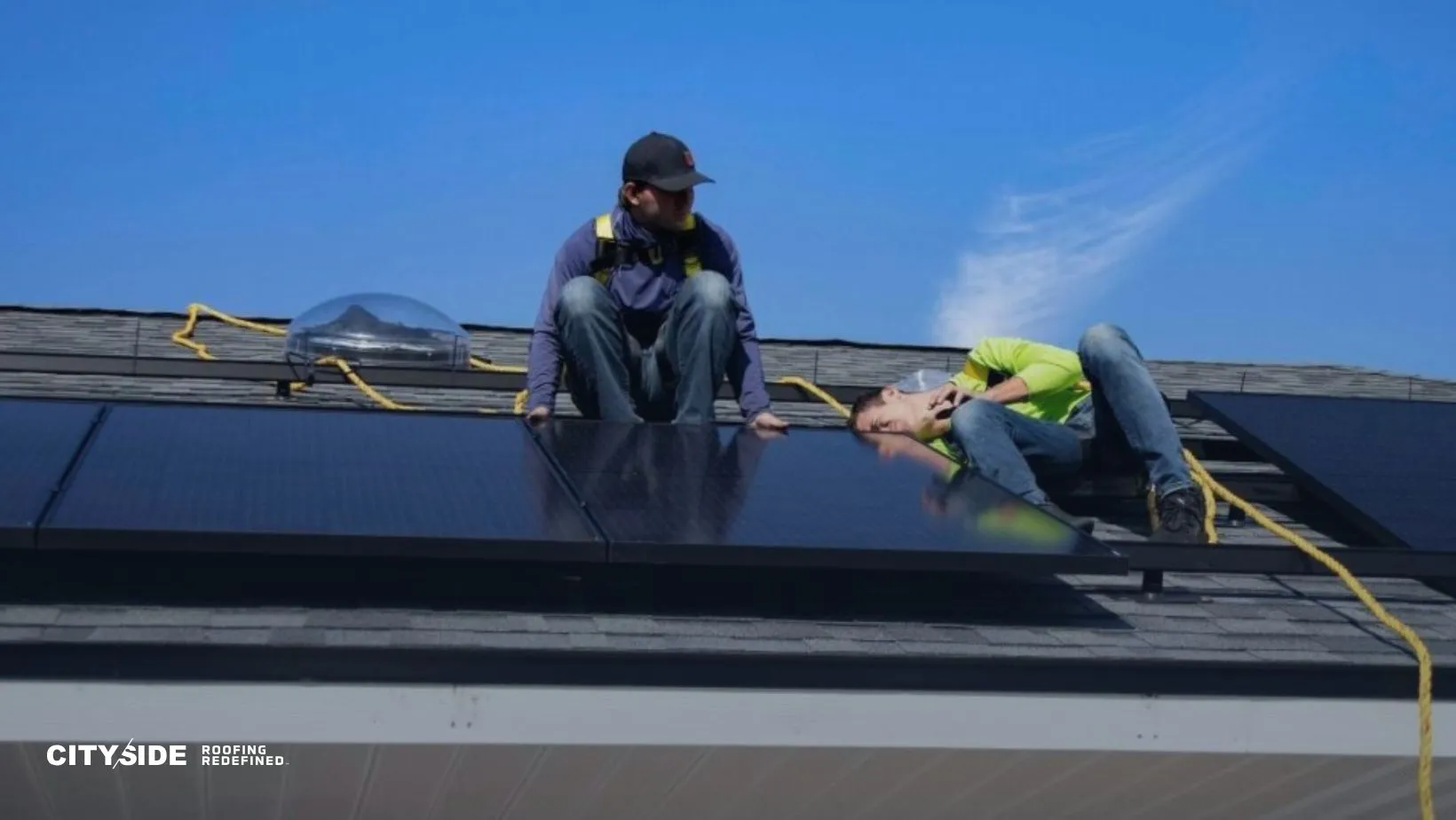
Sustainability in residential construction is no longer limited to marketing language or optional upgrades. Builders are increasingly expected to deliver homes that meet evolving energy standards, improve operational efficiency, and reduce long term environmental impact without compromising construction timelines or profitability.
Roofing plays a central role in that effort.
Because roofing systems directly affect heat gain, ventilation performance, moisture protection, and building durability, the roof assembly has become one of the most important opportunities for improving sustainability in new construction.
For production builders, sustainable roofing solutions help standardize energy-efficient building practices across communities while improving long term warranty performance.
For custom home builders, sustainable systems provide flexibility for higher performance specifications, premium architectural aesthetics, and advanced environmental goals.
According to the U.S. Department of Energy, cool roofing systems can significantly reduce roof surface temperatures, lowering heat transfer into buildings and improving energy efficiency in warm climates.
As building codes evolve and buyers increasingly expect efficient, durable homes, sustainable roofing solutions are becoming a strategic operational decision for builders rather than simply a material preference.
What Sustainable Roofing Solutions Mean in New Construction
In a builder-focused context, sustainable roofing solutions are systems designed to achieve several objectives simultaneously:
- improve energy efficiency
- reduce lifecycle material waste
- support code compliance
- enhance durability and weather resistance
- minimize maintenance and warranty issues
- improve operational efficiency during construction
Importantly, sustainability is not limited to environmentally friendly materials alone. A roofing system that lasts significantly longer, reduces inspection failures, and improves production consistency can also contribute to sustainability goals by reducing waste and resource consumption over time.
Builders working with a Roofing trade partner in Florida that understands sustainable system integration can improve both environmental performance and operational consistency across projects.
Why Builders Are Prioritizing Sustainable Roofing Systems
Several industry trends are driving increased demand for sustainable roofing solutions in residential new construction.
Energy code requirements
State and local codes increasingly emphasize energy efficiency, solar reflectance, attic ventilation, and building envelope performance.
Operational cost control
Durable roofing systems reduce callbacks, warranty claims, and long term service exposure.
Production consistency
Builders benefit from systems that standardize installation procedures and reduce variability between crews and communities.
Market expectations
Modern buyers increasingly expect energy-efficient homes with environmentally responsible materials.
Climate resilience
Builders in hurricane-prone and high-heat regions often seek roofing systems that improve weather resistance and thermal performance simultaneously.
These priorities align closely with the goals of a reliable Roofing company in Florida that understands builder-focused sustainability strategies.
Types of Sustainable Roofing Solutions for Builders
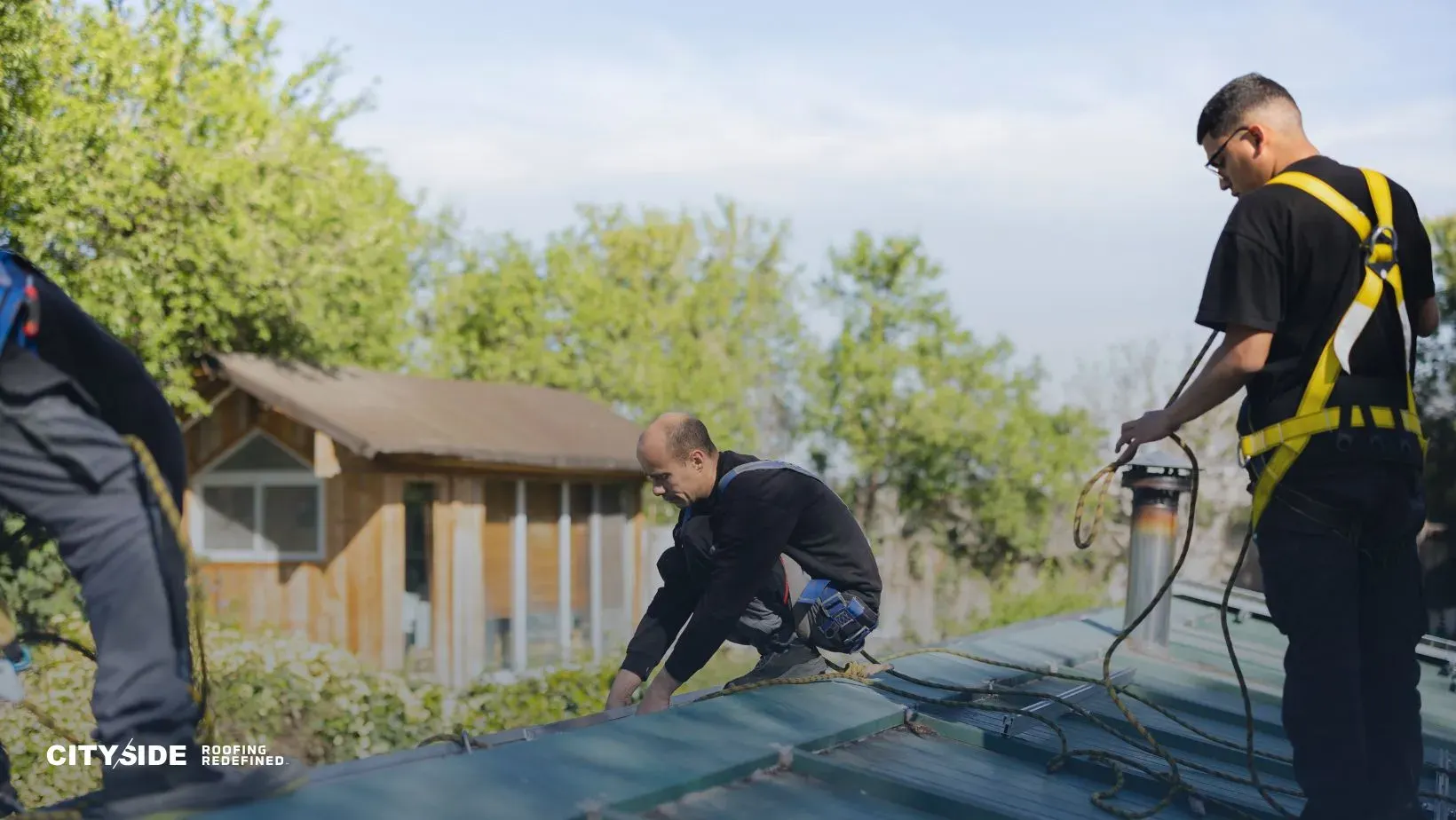
Several roofing systems are commonly used in sustainable residential construction.
Cool roof systems
Cool roofs use highly reflective surfaces to reduce solar heat absorption. This lowers roof surface temperatures and can reduce attic heat gain significantly.
Common cool roof materials include:
- reflective shingles
- coated metal roofing
- reflective membranes
- specialty tile systems
Cool roofs are particularly valuable in hot climates where builders aim to improve energy performance and HVAC efficiency.
Metal roofing systems
Metal roofing is considered highly sustainable because it offers:
- long lifespan performance
- recyclable content
- high solar reflectivity
- reduced replacement frequency
Standing seam systems are especially popular in custom home construction and coastal environments.
Clay and concrete tile roofing
Tile systems provide exceptional longevity and thermal performance. Their durability can significantly reduce lifecycle replacement demands.
However, builders must account for:
- structural load requirements
- installation labor complexity
- longer installation timelines
Green roofing systems
Vegetative or green roofs incorporate living plant systems above waterproof membranes.
While less common in large scale residential subdivisions, they are increasingly used in high-end custom builds and environmentally focused developments.
Recycled material roofing
Rubber shingles and composite roofing products manufactured from recycled materials provide another sustainable option for builders seeking reduced environmental impact.
Builders exploring roofing selection strategies for different housing types can also review best roofing options for multi-unit housing projects to compare performance considerations across larger residential developments.
Sustainable Roofing Material Comparison
The following table compares several common sustainable roofing systems from a builder perspective.
Roofing System | Typical Lifespan | Energy Efficiency | Recyclability | Installation Complexity |
Reflective asphalt shingles | 20 to 30 years | Moderate | Moderate | Low |
Standing seam metal | 40 to 70 years | High | High | Moderate |
Clay tile | 50 to 100 years | High | Moderate | High |
Concrete tile | 40 to 60 years | Moderate to high | Moderate | High |
Recycled composite shingles | 30 to 50 years | Moderate | High | Moderate |
Green roof systems | 40 years plus | Very high | High | Very high |
This comparison highlights why builders often select sustainable roofing systems based on production priorities rather than environmental factors alone.
Sustainable Roofing and Production Scheduling
Builders evaluating sustainable roofing solutions must consider installation timing and production flow carefully.
Some systems install quickly and integrate easily into high-volume production schedules. Others require specialized labor, additional structural preparation, or longer inspection processes.
Installation timeline comparison
Roofing Type | Average Installation Speed | Scheduling Complexity |
Reflective asphalt shingles | Fast | Low |
Metal roofing | Moderate | Moderate |
Tile roofing | Slower | High |
Green roof systems | Slowest | Very high |
Production builders often prioritize systems that maintain predictable cycle times while still meeting sustainability goals.
Custom builders, however, may accept longer installation windows for premium systems with superior long term performance.
Builders working with a Roofing company for custom home builders benefit from better planning around specialized sustainable systems and installation sequencing.
Inspection and Code Compliance Considerations
Sustainable roofing solutions must still satisfy strict code compliance requirements.
Depending on the jurisdiction and roofing type, builders may need to address:
- wind uplift resistance
- fire classification
- ventilation standards
- insulation integration
- drainage performance
- reflective performance ratings
Sustainable roofing inspection checklist
Inspection Area | Builder Focus |
Roof deck preparation | Structural readiness |
Underlayment installation | Moisture protection |
Ventilation system | Energy code compliance |
Flashing details | Leak prevention |
Reflective material verification | Efficiency compliance |
Fastening patterns | Wind resistance |
Proper documentation and inspection coordination become especially important with advanced roofing assemblies.
Builders working with a Roofing trade partner in Florida for custom homes can streamline these compliance workflows and reduce inspection-related delays.
Warranty Risk Reduction Through Sustainable Roofing Systems
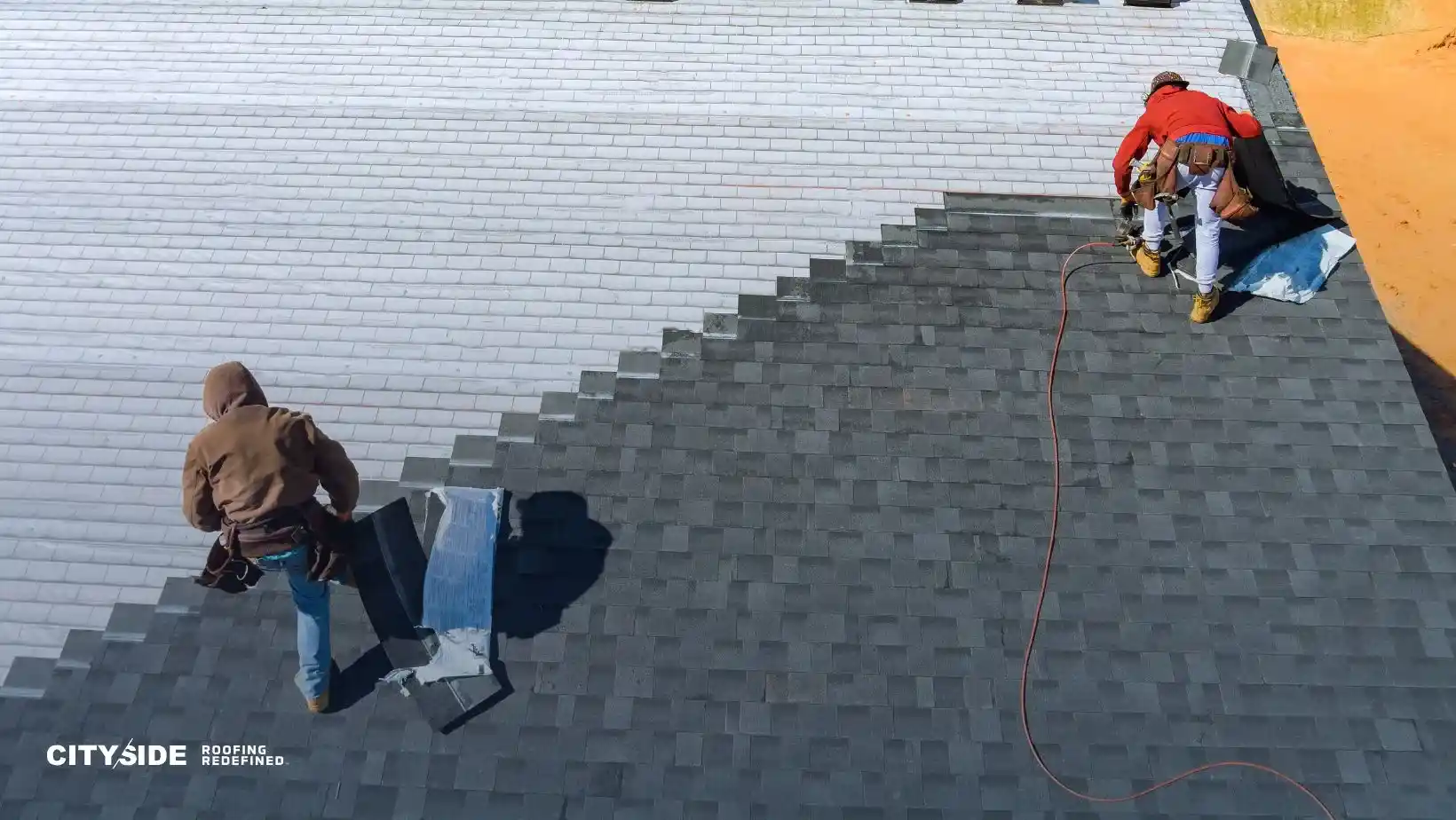
Durability is one of the most overlooked sustainability advantages in roofing.
A longer lasting roof system reduces:
- replacement frequency
- material waste
- labor demand
- future disruption to occupants
For builders, durability also supports warranty risk reduction.
Sustainable roofing systems with stronger weather resistance and better thermal performance often experience fewer failures related to heat cycling, moisture intrusion, premature material deterioration, and ventilation deficiencies. However, even well-built roofing systems can still be affected by severe storms, hidden leaks, or unexpected water intrusion. When property damage occurs, homeowners and builders may need reliable property damage restoration support to help assess the damage and restore the affected areas properly.
Builders should prioritize:
- approved installation methods
- digital inspection records
- consistent material specifications
- quality control checkpoints
- trained installation crews
Operational consistency matters just as much as material selection.
Operational Efficiency and Sustainable Roofing
Builders sometimes assume sustainability slows down production. In reality, properly selected sustainable roofing solutions can improve operational efficiency significantly.
Examples include:
- reflective roofing systems that reduce HVAC sizing pressure
- durable materials that lower warranty callback rates
- standardized assemblies that simplify inspections
- recyclable products that reduce jobsite waste management costs
Builders focused on scalable production efficiency often select sustainable systems that balance:
- installation speed
- code compliance
- durability
- labor availability
- long term operating performance
A dependable Roofing company in Florida can help builders standardize these systems across multiple communities while maintaining production consistency.
Sustainable Roofing for Custom Homes vs Production Homes
The sustainability strategy often differs between custom builders and production builders.
Production home sustainability priorities
Production builders typically focus on:
- repeatable installation methods
- scalable energy efficiency improvements
- manageable labor requirements
- predictable material supply chains
- lower lifecycle warranty exposure
Custom home sustainability priorities
Custom builders may prioritize:
- premium architectural appearance
- advanced environmental performance
- specialized roofing assemblies
- long lifespan materials
- unique structural integration
Builders comparing roofing systems for different project types can also review roofing systems for builders choosing the right roofing system for different types of homes custom vs track homes for additional planning considerations.
Material Supply Chain Considerations
Sustainable roofing systems can involve different procurement timelines than conventional roofing products.
Builders must plan carefully for:
- imported tile lead times
- specialty metal fabrication
- custom color availability
- accessory compatibility
- underlayment coordination
Typical roofing material lead times
Material Type | Typical Lead Time |
Standard reflective shingles | 3 to 7 days |
Standing seam metal | 2 to 5 weeks |
Clay tile systems | 4 to 8 weeks |
Composite sustainable shingles | 2 to 4 weeks |
Builders managing multiple communities should integrate these lead times directly into production scheduling workflows.
Sustainable Roofing and Quality Control Systems
Sustainability performance depends heavily on installation quality.
Even premium roofing systems can fail prematurely if:
- flashing details are inconsistent
- ventilation is improperly balanced
- fastening patterns are incorrect
- drainage slopes are inadequate
Builders should implement standardized quality control systems that include:
- photo documentation
- inspection checklists
- material verification logs
- installation sequence tracking
- crew accountability records
This becomes especially important on high-end custom projects using advanced roofing assemblies.
Builders working with experienced Roofers for luxury home roofing installation often benefit from stronger documentation and detailing standards that support long term system performance.
Future Trends in Sustainable Roofing Solutions
Several emerging technologies are shaping the future of sustainable roofing systems.
Solar-integrated roofing
Integrated photovoltaic systems are becoming more common in premium residential construction.
Advanced reflective coatings
New coatings improve solar reflectivity while extending roof lifespan.
Smart moisture monitoring
Sensor-based monitoring systems can detect leaks and ventilation problems earlier.
Recyclable composite systems
Manufacturers continue developing roofing products using higher percentages of recycled content.
Builders who adopt sustainable roofing solutions early may gain long term advantages in energy compliance, operational efficiency, and market positioning.
Conclusion: Sustainable Roofing Solutions Are Becoming a Builder Standard
Sustainable roofing solutions are no longer niche upgrades reserved for specialty projects. They are becoming a practical and strategic part of modern residential construction.
For builders, the value extends well beyond environmental responsibility.
Sustainable roofing systems can improve:
- energy efficiency
- operational consistency
- code compliance readiness
- warranty performance
- long term durability
- production scalability
The right roofing system depends on the builder’s project type, production model, budget strategy, and performance goals.
Builders seeking a reliable Roofing trade partner in Florida can work with CitySide Roofing to evaluate sustainable roofing systems that align with new construction schedules, quality standards, and long term performance objectives.
Key Builder Takeaways
- Sustainable roofing solutions improve energy efficiency and reduce long term lifecycle waste
- Durable roofing systems can significantly reduce warranty exposure and replacement frequency
- Cool roofs and reflective systems help builders meet evolving energy standards
- Production builders benefit from sustainable systems that maintain predictable installation timelines
- Quality control and proper installation are critical for long term sustainability performance
- Material lead times and labor specialization should be integrated into production scheduling early
Builders ready to evaluate sustainable roofing solutions for upcoming projects can connect with a Roofing contractor in Florida to discuss roofing system selection, scheduling coordination, and builder-focused installation planning.