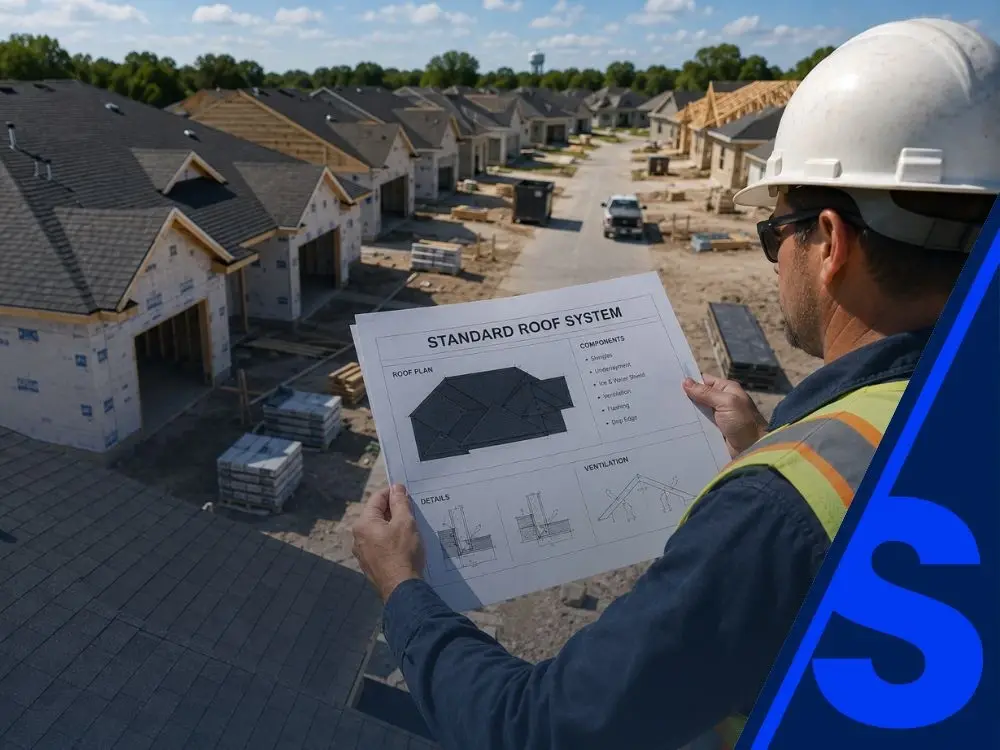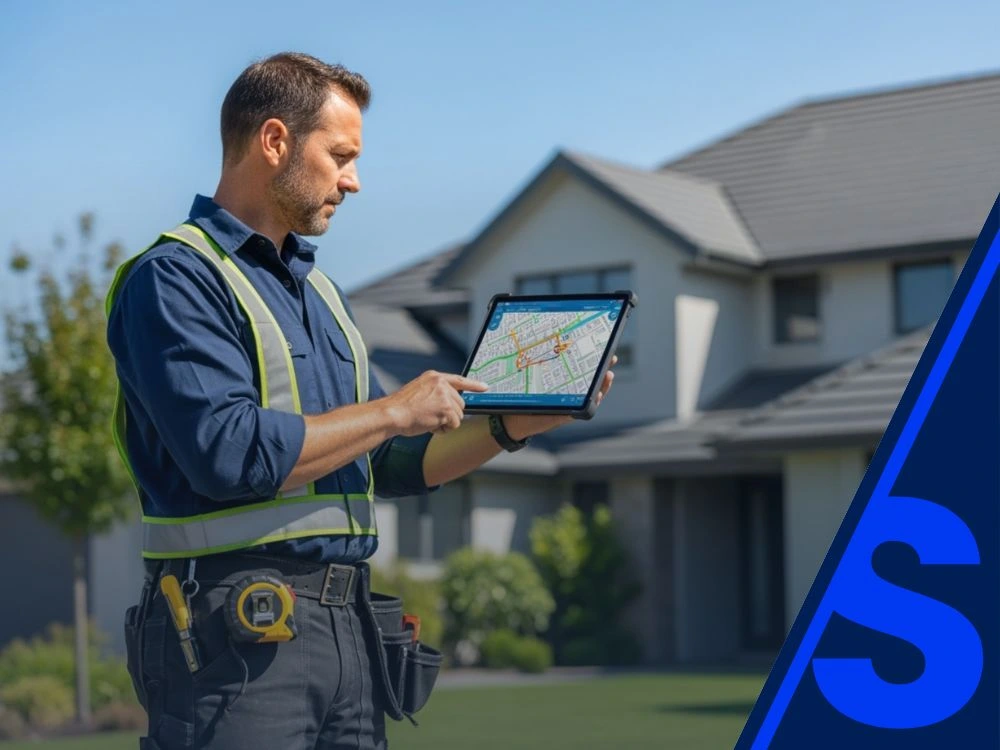
Roofing scheduling efficiency is maximized by using specialized software to automate dispatch, sync calendars in real time, and reduce crew idle time. Key practices include drag-and-drop scheduling, automated client reminders to reduce no-shows, and matching crew skills to job requirements. For home builders, tech-enabled roofing scheduling improves production flow, supports inspection readiness, strengthens quality control systems, and helps reduce costly construction delays across multiple active communities.
What is scheduling efficiency?
Scheduling efficiency refers to how effectively labor, materials, inspections, and production timelines are coordinated to minimize downtime and maximize productivity. In residential construction, high scheduling efficiency allows builders to keep trades moving consistently while reducing delays and labor conflicts.
Which roofing material is most energy efficient?
Metal roofing systems with reflective coatings are often considered among the most energy-efficient roofing options for new construction because they reduce heat absorption and improve thermal performance. Proper ventilation and underlayment systems also play important roles in overall roof energy efficiency.
What is a good example of efficiency?
A good example of efficiency in construction is automatically dispatching roofing crews to homes that have already passed framing inspections and have materials staged onsite. This reduces crew idle time, prevents scheduling conflicts, and keeps production timelines moving consistently.
What are the 5 functional requirements of a roof?
The five core functional requirements of a roof are weather protection, structural stability, drainage performance, thermal efficiency, and durability. In new construction, roofing systems must also support code compliance, ventilation performance, and long-term warranty reliability.
Why Roofing Scheduling Efficiency Matters for Builders
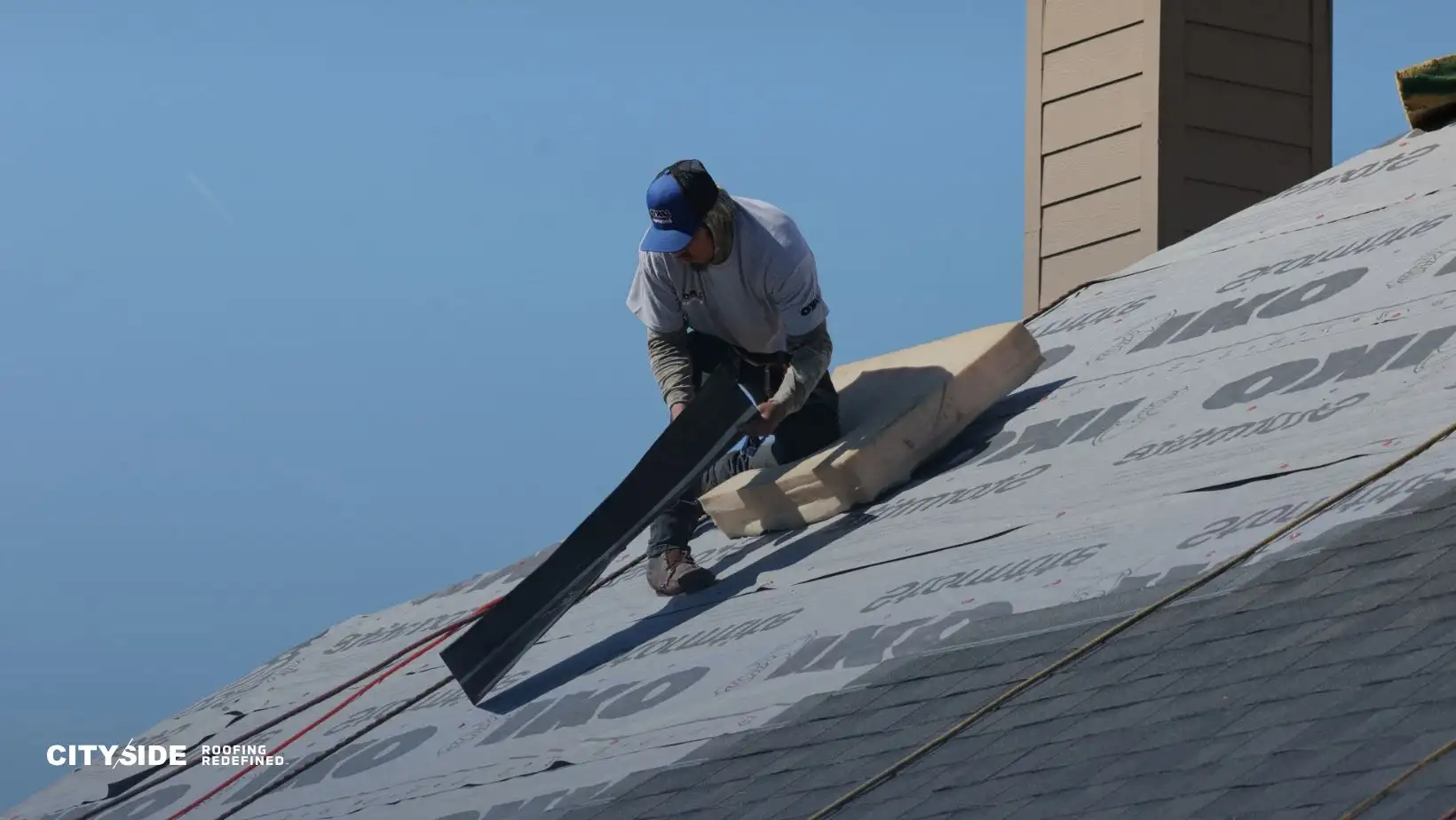
Roofing is one of the most critical scheduling milestones in residential construction. For production builders and custom home builders alike, the roofing phase directly affects dry-in timing, interior trade sequencing, inspection scheduling, and overall project turnover speed.
When roofing schedules fail, the impact extends far beyond the roof itself. Delayed roofing installations can hold up insulation, drywall, HVAC rough-ins, and finish trades. Across multiple active communities, even small scheduling inefficiencies can create significant operational disruption.
Many builders still rely on fragmented communication methods such as phone calls, spreadsheets, emails, and manually updated calendars. While these systems may function on smaller projects, they become increasingly unreliable as construction volume grows.
Tech-enabled scheduling tools solve this problem by centralizing roofing workflows into a coordinated digital process. These systems automate dispatching, sync production schedules in real time, improve inspection tracking, and reduce the communication gaps that often slow new construction projects.
According to the National Institute of Standards and Technology, fragmented project coordination and inconsistent information flow remain major causes of inefficiency in construction operations. Digital scheduling systems help reduce those inefficiencies by improving visibility and communication between project teams.
For builders focused on operational efficiency, roofing scheduling efficiency is no longer just an administrative concern. It is a competitive advantage.
Understanding Roofing Scheduling Efficiency in New Construction
Roofing scheduling efficiency refers to the ability to coordinate roofing crews, materials, inspections, and production milestones with minimal downtime and minimal disruption to downstream trades.
An efficient roofing schedule allows builders to:
- Maintain predictable dry-in timelines
- Reduce idle labor costs
- Improve inspection readiness
- Coordinate material deliveries accurately
- Minimize rework and warranty risk
- Maintain production consistency across communities
Builders working with a dependable Roofing trade partner in Florida can significantly improve roofing scheduling efficiency by integrating roofing operations into broader production scheduling systems.
Rather than reacting to delays after they happen, builders can proactively manage roofing workflows using automation and real-time data visibility.
Why Manual Roofing Scheduling Creates Production Problems
Manual scheduling systems often create hidden inefficiencies that compound over time.
Communication delays
Project managers may need to coordinate with framers, roofing crews, suppliers, inspectors, and field supervisors separately. This fragmented communication slows decision-making.
Crew idle time
Crews may arrive onsite before framing corrections are completed or before materials are delivered.
Inspection conflicts
Roof inspections may not be scheduled promptly, causing downstream delays for interior work.
Material coordination issues
Materials delivered too early create storage and damage risks, while late deliveries delay production schedules.
Documentation gaps
Manual workflows often fail to capture consistent records for quality control and warranty documentation.
Builders working with a Roofing company in Florida that uses integrated scheduling technology can reduce these operational inefficiencies significantly.
Core Technologies That Improve Roofing Scheduling Efficiency

Several technology-driven tools now help builders streamline roofing operations.
Cloud-based scheduling platforms
Cloud-based systems allow all project stakeholders to access the same production schedule in real time. This improves communication between project managers, roofing crews, procurement teams, and inspectors.
Drag-and-drop dispatch systems
Modern scheduling platforms allow managers to assign crews quickly based on job readiness, crew specialization, and geographic location.
Automated reminders and notifications
Automated SMS and email notifications reduce missed appointments and improve communication between trades and field supervisors.
Real-time material tracking
Integrated logistics systems track deliveries and update schedules automatically if materials are delayed.
Mobile field reporting
Mobile apps allow roofing crews to upload inspection photos, document installation progress, and confirm task completion instantly.
Builders partnering with a Roofing company for custom home builders that use these technologies benefit from more predictable construction timelines.
How Tech-Enabled Roofing Scheduling Improves Production Flow
The biggest advantage of tech-enabled scheduling is production predictability.
Without centralized scheduling systems, roofing coordination often becomes reactive. Project teams spend time resolving conflicts instead of preventing them.
With automated scheduling tools, production workflows become milestone-driven.
Typical automated workflow
- Framing inspection passes
- Roofing schedule triggers automatically
- Material deliveries are confirmed
- Crew dispatch occurs based on availability
- Inspection readiness updates automatically
- Completion records sync into project dashboards
This reduces administrative burden while helping builders maintain production momentum.
Roofing Scheduling Timeline Comparison
Scheduling Task | Manual Scheduling | Tech-Enabled Scheduling |
Crew assignment | 1 to 2 days | Same day assignment |
Material coordination | Manual calls and emails | Automated synchronization |
Inspection scheduling | Reactive | Automated alerts |
Production visibility | Limited | Real-time dashboard |
Documentation tracking | Fragmented | Centralized |
Builders using Roofers for luxury home roofing installation often benefit greatly from advanced scheduling systems because luxury roof designs require more precise sequencing and coordination.
Matching Crew Skills to Job Requirements
One of the most valuable features of modern scheduling software is skill-based dispatching.
Not all roofing crews specialize in the same installation types. Production builders may require crews with experience in:
- Asphalt shingle systems
- Tile roofing systems
- Standing seam metal roofing
- Complex roof geometries
- High-end custom flashing details
Tech-enabled scheduling systems can assign crews based on predefined qualifications and certifications.
Crew specialization example
Roofing Type | Required Skill Level | Scheduling Priority |
Standard shingles | Moderate | General production crews |
Tile roofing | High | Specialty crews |
Metal roofing | High | Certified installers |
Luxury custom roofs | Very high | Advanced specialty teams |
This reduces installation errors and improves quality control consistency across projects.
Improving Inspection and Code Compliance
Inspection readiness is one of the biggest contributors to roofing scheduling efficiency.
Missed inspections or failed inspections delay the entire production schedule.
Tech-enabled scheduling systems improve compliance by automating inspection checkpoints and documenting completion requirements.
Roofing code compliance checklist
Inspection Item | Digital Verification | Builder Benefit |
Deck fastening | Yes | Structural verification |
Underlayment installation | Yes | Moisture protection |
Flashing details | Yes | Leak prevention |
Ventilation compliance | Yes | Energy code compliance |
Final roofing inspection | Yes | Enables interior trades |
Builders working with a Roofing contractor in Florida that supports digital inspection tracking reduce reinspection delays and improve construction predictability.
Material Coordination and Scheduling Efficiency
Roofing scheduling efficiency depends heavily on accurate material coordination.
Modern scheduling platforms integrate directly with procurement systems to align deliveries with construction readiness.
Roofing material scheduling table
Material Type | Average Lead Time | Automated Trigger |
Asphalt shingles | 3 to 7 days | Framing completion |
Tile roofing | 4 to 6 weeks | Structural readiness |
Metal roofing panels | 2 to 4 weeks | Measurement confirmation |
Underlayment systems | 2 to 5 days | Deck installation |
Builders evaluating roofing system options across production and custom homes can review Roofing systems for builders choosing the right roofing system for different types of homes custom vs track homes for additional planning guidance.
How Roofing Scheduling Efficiency Reduces Warranty Risk
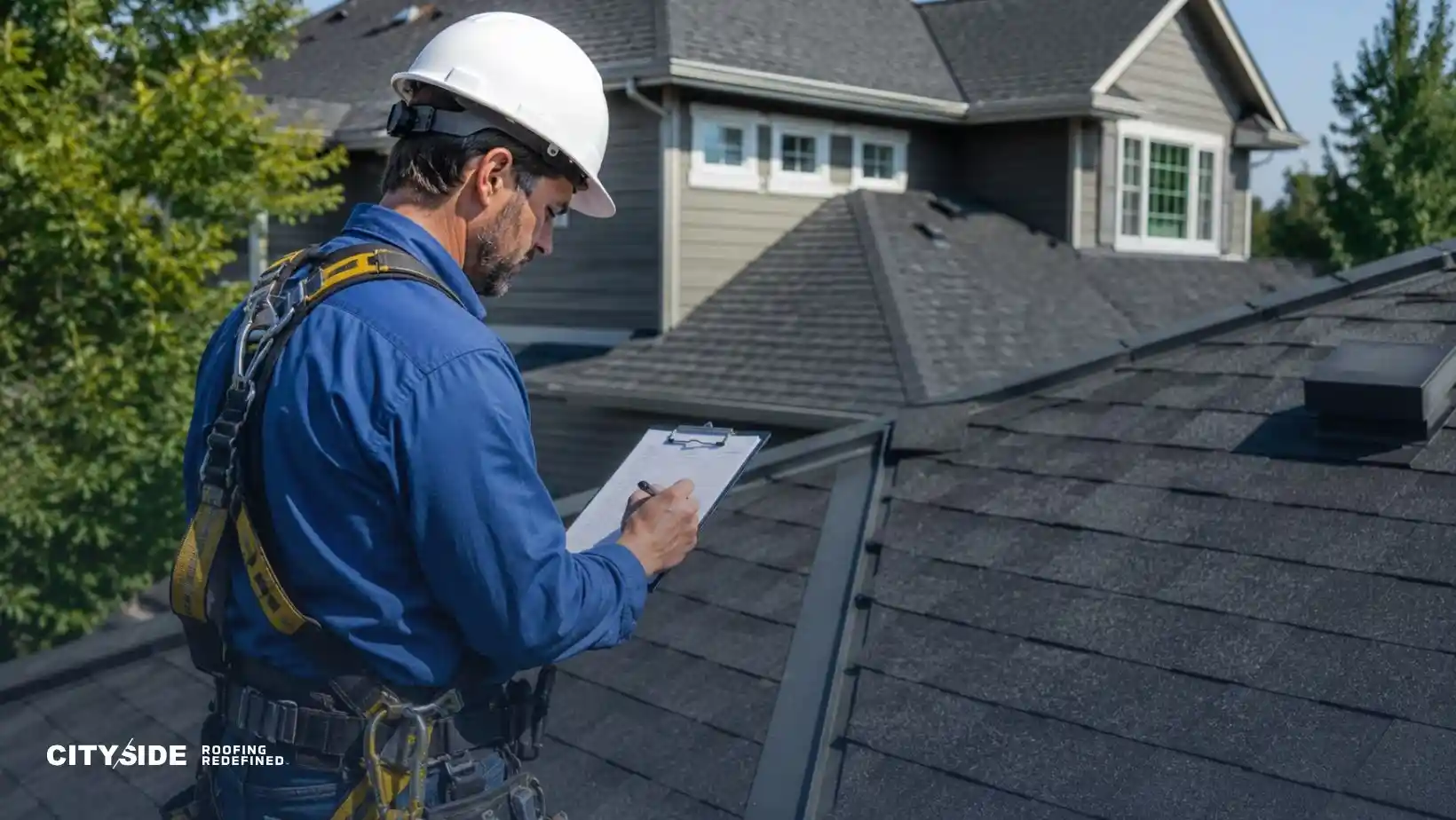
Scheduling efficiency is directly connected to warranty performance.
When roofing work is rushed, poorly coordinated, or inadequately documented, the risk of long-term defects increases.
Tech-enabled systems help reduce warranty exposure by improving:
- Installation sequencing
- Material verification
- Inspection documentation
- Crew accountability
- Quality control consistency
Builders can track lot-specific installation records, inspection approvals, and photo documentation in centralized systems.
This creates a stronger documentation trail if warranty issues arise later.
Quality Control Systems Become More Reliable
Builders managing multiple communities need repeatable quality standards.
Tech-enabled roofing scheduling improves quality control by standardizing workflows.
Examples include:
- Required photo uploads before concealment
- Automated punch list tracking
- Digital sign-offs for installation phases
- Lot-level material verification
- Automated alerts for missing documentation
This level of standardization helps builders maintain consistent installation quality across large production pipelines.
Builders working with a Roofing trade partner in Florida for custom homes often use these systems to improve communication between field supervision and specialty roofing crews.
Multi-Community Scheduling Visibility
Production builders rarely manage one project at a time. Most operate across multiple active subdivisions simultaneously.
Tech-enabled dashboards provide centralized visibility into roofing progress across all communities.
Example production dashboard
Community | Roofs Scheduled | Crews Assigned | Inspections Pending |
Community A | 15 | 12 | 4 |
Community B | 9 | 8 | 2 |
Community C | 11 | 10 | 3 |
Community D | 7 | 7 | 1 |
This allows construction managers to identify delays early and reallocate crews when necessary.
Improved visibility is one of the biggest operational advantages of modern scheduling systems.
Roofing System Selection Impacts Scheduling Efficiency
Different roofing systems affect installation timelines differently.
Complex roofing systems may require:
- Additional inspection stages
- Specialized crews
- Longer material lead times
- More detailed flashing work
- Greater coordination with structural framing
Builders comparing roofing systems for different housing types can review Why replace roof tiles 7 reasons and benefits to better understand material performance considerations and long-term system planning.
Financial Benefits of Roofing Scheduling Efficiency
Improving roofing scheduling efficiency creates measurable financial benefits for builders.
Reduced labor waste
Efficient dispatching reduces idle time and unnecessary labor costs.
Lower material loss
Better delivery timing minimizes storage-related damage and theft risk.
Faster project completion
Improved roofing coordination keeps downstream trades moving.
Reduced reinspection costs
Better inspection preparation improves first-pass approval rates.
Improved profitability
More predictable schedules improve resource utilization and production forecasting.
Cost comparison table
Cost Factor | Low Scheduling Efficiency | High Scheduling Efficiency |
Crew idle time | High | Reduced |
Material waste | Moderate | Lower |
Inspection delays | Frequent | Less frequent |
Rework risk | Higher | Reduced |
Production predictability | Inconsistent | Improved |
Future Trends in Roofing Scheduling Technology
Technology adoption in construction continues to accelerate.
Several emerging technologies will further improve roofing scheduling efficiency in the coming years.
AI-powered forecasting
AI systems will analyze historical production data to predict scheduling risks before delays occur.
Drone-based inspection support
Drones will assist with roof inspection documentation and progress verification.
Predictive material logistics
Supply chain systems will forecast delivery timing more accurately based on regional demand and weather conditions.
Integrated ERP ecosystems
Roofing scheduling platforms will continue integrating more deeply with builder ERP systems, procurement software, and warranty management tools.
Builders that adopt these systems early will gain long-term operational advantages.
Conclusion: Why Roofing Scheduling Efficiency Is a Competitive Advantage
Roofing scheduling efficiency has become one of the most important operational priorities for production builders and custom home builders.
Tech-enabled scheduling tools allow builders to:
- Improve production consistency
- Reduce scheduling delays
- Strengthen inspection readiness
- Improve quality control systems
- Reduce warranty exposure
- Increase labor utilization
- Improve overall operational efficiency
Roofing is no longer just a field activity. It is a data-driven production function that directly impacts profitability and project turnover speed.
Builders seeking a dependable Roofing trade partner in Florida can work with CitySide Roofing to streamline roofing scheduling and improve construction coordination across new build communities.
Key Builder Takeaways
- Roofing scheduling efficiency improves production predictability across active communities
- Automated dispatching reduces crew idle time and scheduling conflicts
- Real-time dashboards improve communication between project teams
- Digital inspection tracking supports code compliance and warranty documentation
- Skill-based crew matching improves installation quality
- Tech-enabled workflows reduce operational inefficiencies and project delays
Builders ready to improve roofing scheduling efficiency and accelerate project turnaround can contact a trusted Roofing contractor in Florida to discuss builder-focused roofing coordination solutions.