Internal roof drains are concealed drainage systems designed to move large volumes of rainwater off flat roofs through interior piping. By working with subtle roof slope, these drains prevent ponding, protect structural components, and offer a cleaner exterior appearance than perimeter drainage. They are ideal for large commercial and multi-family buildings but require precise design, proper installation, and routine maintenance to avoid clogs and performance failures.
How does a flat roof drain water?
A flat roof drains water through a slight slope that directs rainwater toward designated drainage points such as internal roof drains, scuppers, or gutters. The slope is subtle but intentional, allowing gravity to move water off the roof surface without visible pitch.
What is an interior drainage system?
An interior drainage system collects rainwater from roof drains and moves it through piping located inside the building structure. Water exits at ground level or connects to municipal storm systems, keeping drainage protected from exterior exposure.
What are the drains on a flat roof called?
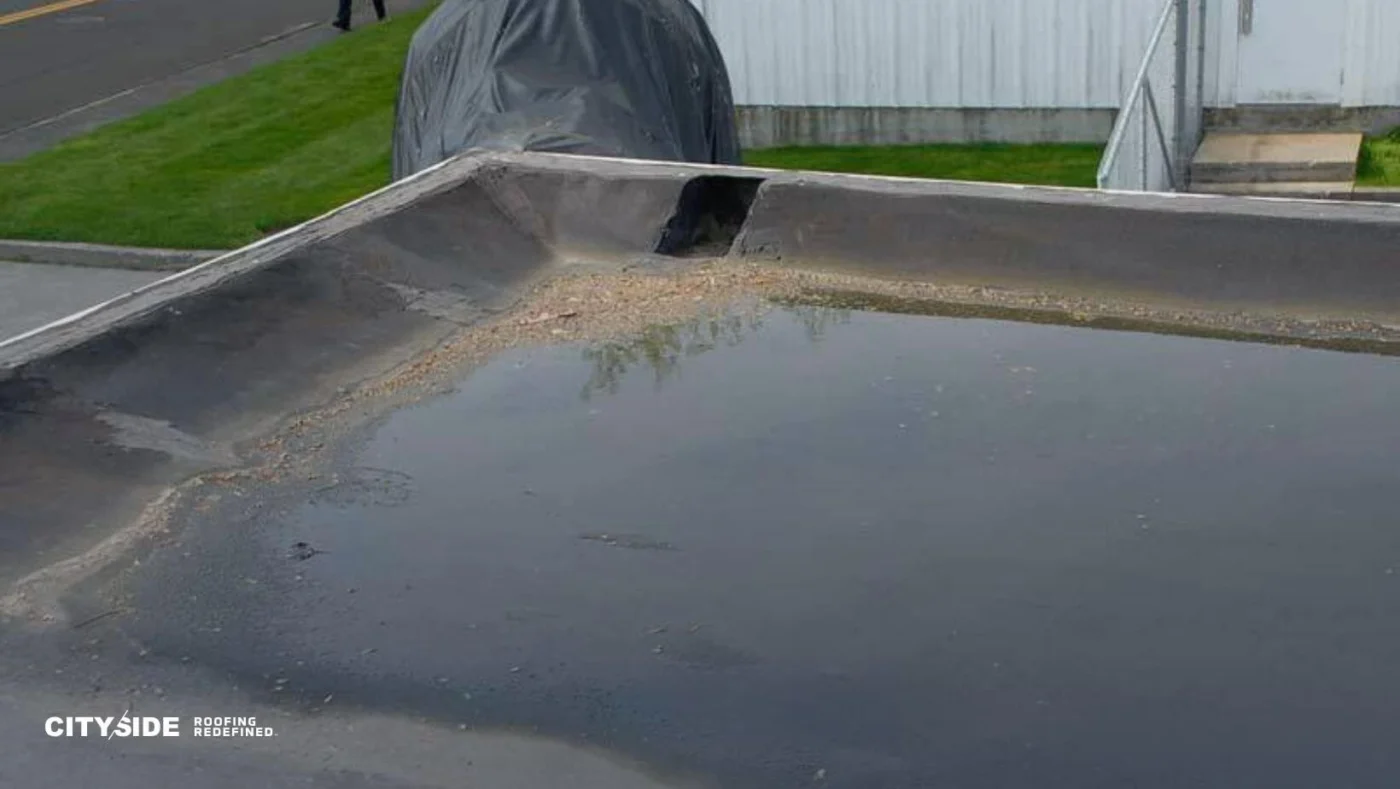
The drains on a flat roof are commonly called internal roof drains, roof drain assemblies, or interior drains. They typically include a drain bowl, strainer, and vertical leader pipe.
What is the best drainage for a flat roof?
For large buildings and expansive roof areas, internal roof drains are often the best solution due to their capacity, efficiency, and ability to manage heavy rainfall when properly designed and maintained.
Flat roofs dominate commercial, industrial, and multi-family construction due to their efficiency and usable surface area. However, water management is one of the most critical performance factors in flat roof design. Without an effective drainage strategy, standing water can lead to membrane deterioration, structural loading concerns, and premature roof failure.
Internal roof drains provide a high-capacity, code-compliant solution for managing rainwater on flat roofs. By moving water through the interior of the building rather than along the perimeter, they offer performance, durability, and design advantages that external systems often cannot match. Understanding how internal roof drains work, when they are appropriate, and how they should be designed is essential for builders, developers, and project managers overseeing flat roof construction.
What Are Internal Roof Drains?
Internal roof drains are drainage assemblies installed at low points on a flat roof that collect rainwater and route it through pipes inside the building. Unlike gutters or scuppers that move water along the exterior, internal systems rely on vertical leaders that pass through the structure.
Each internal roof drain typically consists of a drain bowl, a strainer or dome, and a connected pipe that carries water downward. The roof surface is designed with tapered insulation or structural slope that directs water toward these drains.
Because the system is internal, it is protected from exterior damage, wind-driven rain, and temperature fluctuations that affect exposed drainage components.
Why Internal Roof Drains Are Common on Large Buildings
Internal roof drains are especially common on warehouses, hospitals, schools, high-rise residential buildings, and large retail facilities. These structures often have expansive flat roof areas where perimeter drainage alone would be insufficient or impractical.
By placing drains strategically across the roof, water can be removed quickly and evenly. This reduces the risk of ponding water that can stress roof membranes and structural decks. It also allows architects to maintain clean exterior lines without visible gutters or downspouts.
For projects with long roof spans and high rainfall exposure, internal drainage systems provide scalability that external systems struggle to achieve.
How Internal Roof Drains Prevent Ponding
Ponding occurs when water remains on a roof surface for more than 48 hours after rainfall. Over time, ponding accelerates membrane wear, adds dead load to the structure, and increases the risk of leaks.
Internal roof drains work in combination with roof slope to eliminate standing water. While flat roofs appear level, they are designed with a slight pitch, often achieved using tapered insulation. This slope guides water toward drain locations.
When properly designed, internal drains remove water continuously during rain events, preventing accumulation and protecting the roofing system from prolonged moisture exposure.
Key Components of an Internal Roof Drain System

An internal roof drain system includes several critical components that must function together.
The drain bowl is the entry point where water leaves the roof surface. A strainer or dome prevents debris from entering the pipe. The vertical leader pipe carries water through the building to the discharge point.
In many designs, secondary or overflow drains are also required. These act as backups if the primary drains become blocked, providing a visible warning and preventing excessive water buildup.
Each component must be correctly sized and installed to meet building code requirements and rainfall intensity calculations.
Code Requirements and Design Considerations
Building codes typically regulate the number, size, and placement of internal roof drains. Codes also require secondary drainage systems to protect against blockage or extreme weather events.
Drain spacing is determined by roof area, slope, and local rainfall data. Improper spacing can lead to uneven drainage and ponding. Pipe sizing must account for peak flow rates to prevent backups.
Roof penetrations for drains must be properly flashed and integrated into the roofing membrane. Poor detailing at drain locations is one of the most common sources of leaks on flat roofs.
Expert Insight on Drainage Performance
According to guidance from the National Institute of Building Sciences, effective roof drainage is critical to structural safety and long-term building performance, as inadequate drainage can result in excessive loads, material degradation, and interior water damage. This guidance highlights the importance of properly designed internal roof drainage systems that align with structural and environmental demands.
Source: National Institute of Building Sciences, Whole Building Design Guide
Advantages of Internal Roof Drains Over External Systems
Internal roof drains offer several advantages compared to gutters and scuppers.
They handle higher water volumes more efficiently, making them suitable for large roofs. Because piping is internal, the system is less exposed to wind, impact damage, and ultraviolet degradation.
Aesthetically, internal drainage preserves clean building facades. Functionally, it reduces the number of exterior penetrations and terminations that can fail over time.
In climates with heavy rainfall, internal drains provide consistent performance when designed and maintained correctly.
Challenges and Risks of Internal Roof Drains
Despite their benefits, internal roof drains introduce specific risks that must be managed.
Clogging is the primary concern. Leaves, debris, and construction materials can block strainers and pipes if maintenance is neglected. A blocked drain can cause rapid water accumulation during storms.
Leaks can occur if flashing at the drain bowl is improperly installed or if movement between roof components stresses the membrane. Interior leaks may go unnoticed longer than exterior drainage failures.
Because piping runs through the building, failures can affect interior spaces, making quality control during installation essential.
Installation Best Practices for Builders
Successful internal roof drain performance begins with proper installation. Drain locations should align with the roof slope plan and structural layout.
Drain bowls must be securely fastened and fully integrated into the roofing membrane using manufacturer-approved details. Strainers should be installed after construction debris is cleared to prevent early blockages.
Secondary drains or overflow scuppers must be installed at the correct elevation to activate only when primary drains fail. Skipping this step can lead to code violations and increased liability.
Coordination between roofing, plumbing, and structural trades is critical to avoid misalignment and installation errors.
Maintenance Planning and Long-Term Performance

Internal roof drains require routine inspection and cleaning to remain effective. Maintenance plans should include scheduled removal of debris from strainers and visual checks after major storms.
Building owners and facility managers should understand where drains are located and how overflow systems function. Early detection of drainage issues prevents costly repairs and interior damage.
A well-maintained internal drainage system significantly extends the service life of a flat roof by minimizing water-related stress.
When Internal Roof Drains Are the Right Choice
Internal roof drains are best suited for large buildings with expansive flat roofs, complex layouts, or design requirements that limit exterior drainage. They are ideal when aesthetics, capacity, and long-term performance are priorities.
For smaller buildings or simple roof geometries, external drainage may be sufficient. However, as roof area and rainfall exposure increase, internal systems often provide superior reliability.
Selecting the right drainage approach should be based on building size, roof design, local climate, and long-term maintenance capabilities.
Conclusion
Internal roof drains play a vital role in protecting flat roofs from water damage by efficiently channeling rainwater through interior systems. When designed with proper slope, redundancy, and code compliance in mind, they prevent ponding, preserve roofing materials, and support structural integrity.
For builders and developers, understanding internal roof drain design and execution is essential to delivering durable flat roof systems that perform as intended over decades.
Key Takeaways
- Internal roof drains collect and remove water through interior piping systems
- Proper roof slope is essential to direct water to drain locations
- Large flat roofs benefit most from internal drainage solutions
- Secondary drains are required for code compliance and safety
- Installation quality and ongoing maintenance determine long-term performance
If you are planning a flat roof project and need expert guidance on internal roof drain design, coordination, and installation, contact CitySide Roofing today to ensure your roofing and drainage systems perform reliably from day one.
Related Reading: