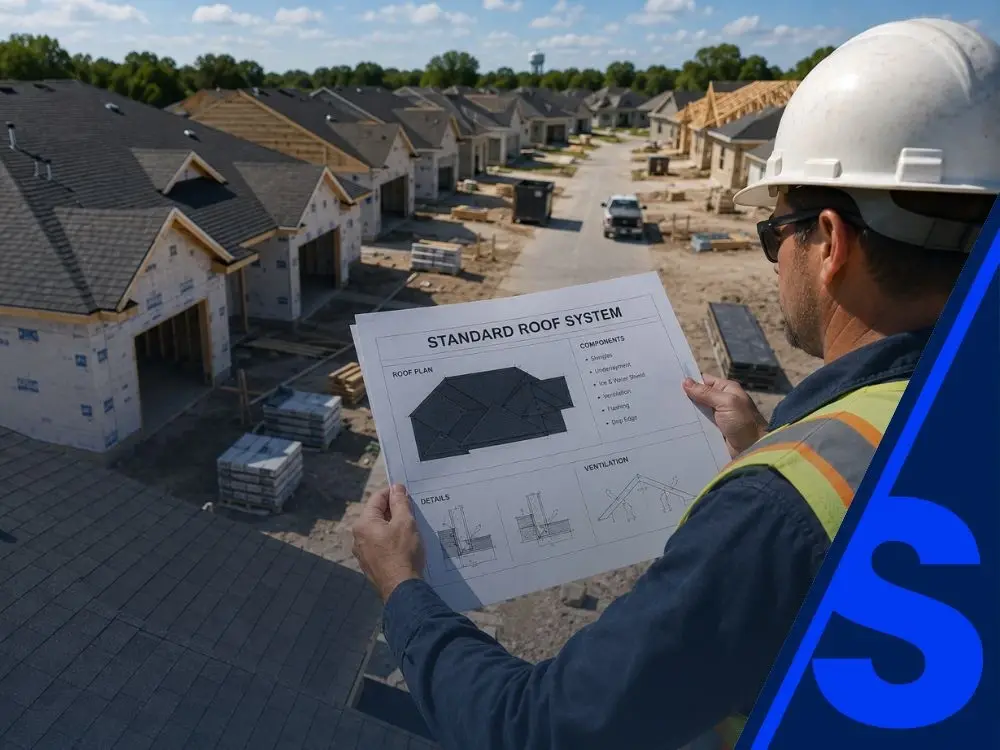
An ultimate guide to roof drains covers the main types including gravity-flow drains, internal drains, scuppers, and overflow drains, along with their benefits and proper installation requirements. Roof drains protect buildings from structural damage, leaks, and mold by efficiently managing water. Correct installation depends on rainfall intensity, roof area, slope, and local code requirements. Sloped roofs often rely on gravity-based drainage, while flat roofs require internal systems and secondary overflow protection. Because sizing and placement involve precise calculations and code compliance, professional design and installation are critical for long-term performance and safety.
What are the different types of roof drains?
The different types of roof drains include gravity-flow drains, internal roof drains, scuppers, and overflow drains. Each is designed to manage water based on roof slope, size, and building layout.
What are the main types of drains?

The main types of drains used on roofs are internal drains for flat roofs, gravity drains for sloped roofs, scuppers for perimeter drainage, and overflow drains for emergency water release.
What are the five main types of roof styles?
The five main roof styles are flat roofs, low-slope roofs, gable roofs, hip roofs, and shed roofs. Each roof style requires a different drainage approach.
What is the best type of drainage system?
The best drainage system depends on roof design and climate. Flat roofs typically perform best with internal roof drains and overflow protection, while sloped roofs rely on gravity drainage systems.
Roof drains are a critical component of any roofing system, yet they are often overlooked until problems arise. In new construction and large-scale projects, improper drainage design can lead to water accumulation, structural stress, leaks, and premature roof failure. An effective roof drainage strategy ensures water is safely collected and discharged away from the building, protecting both the roof structure and the interior environment.
This guide explains roof drains in detail, focusing on types, benefits, and installation considerations. Whether working on flat commercial roofs or sloped residential structures, understanding how roof drains function is essential for long-term building performance and code compliance.
Expert Insight on Roof Drainage and Building Safety
According to guidance published by the Federal Emergency Management Agency, proper roof drainage systems are essential to reduce the risk of structural failure caused by excessive water loading during heavy rainfall events, particularly on low-slope and flat roofs. FEMA emphasizes that inadequate drainage is a leading contributor to roof collapse in extreme weather scenarios.
What Are Roof Drains and Why They Matter
Roof drains are designed to remove rainwater and prevent it from collecting on the roof surface. Without properly designed roof drains, standing water can increase dead load on the structure, accelerate material deterioration, and create pathways for leaks.
Roof drains are especially important on flat and low-slope roofs where gravity alone cannot move water quickly. Even sloped roofs depend on drainage components to control runoff and prevent water from damaging fascia, walls, and foundations.
A well-designed roof drain system protects the roof membrane, preserves insulation performance, and reduces the likelihood of mold growth caused by trapped moisture.
How Roof Drains Work in Different Roofing Systems
Roof drains function by collecting water at low points on the roof and directing it through piping systems to ground-level discharge points. The way roof drains operate depends heavily on roof design.
On flat roofs, internal roof drains are typically placed at structural low points to ensure water flows inward rather than toward roof edges. On sloped roofs, water naturally flows toward gutters, scuppers, or gravity drains.
In all cases, roof drains must be sized to handle expected rainfall intensity and designed to prevent blockages that could lead to ponding water.
Types of Roof Drains
Gravity-Flow Roof Drains
Gravity-flow roof drains rely on roof slope to move water toward drainage points. These roof drains are common on sloped roofs and work without mechanical assistance.
Water flows through gutters or channels into downspouts that carry it away from the building. Gravity-flow systems are simple, cost-effective, and reliable when roof pitch is sufficient.
However, these roof drains depend heavily on proper slope design and clear pathways. Poor layout can lead to water overflow and erosion at discharge points.
Internal Roof Drains
Internal roof drains are most commonly used on flat and low-slope roofs. These roof drains are located within the roof surface and connect to internal piping systems inside the building.
Internal roof drains offer aesthetic advantages and reduce exterior water discharge issues. They are particularly effective in large commercial buildings where roof area is extensive.
Because internal roof drains are not visible from the exterior, they require regular inspection and careful installation to ensure long-term reliability.
Scuppers
Scuppers are openings in the roof edge or parapet wall that allow water to drain off the roof. These roof drains are often paired with downspouts or channels.
Scuppers are frequently used as primary or secondary drainage on flat roofs. They provide a visible drainage path and can serve as overflow protection when internal drains become blocked.
Proper placement and sizing of scuppers is critical to ensure they activate before water levels become dangerous.
Overflow Roof Drains
Overflow roof drains are secondary drainage systems designed to activate when primary drains fail or become overwhelmed. These roof drains are required by building codes for many flat roof applications.
Overflow roof drains protect against structural overload by releasing excess water once it reaches a predetermined height. They are not intended to handle everyday rainfall but serve as a critical safety measure.
Failing to include overflow roof drains can result in severe code violations and increased risk during heavy storms.
Benefits of Proper Roof Drain Systems

Preventing Structural Damage
One of the most important benefits of roof drains is preventing structural damage. Standing water adds significant weight to a roof, increasing stress on framing and deck materials.
Roof drains help maintain safe load limits by removing water efficiently. This is especially important in regions with heavy rainfall or sudden storms.
Over time, consistent water removal reduces the risk of deflection, cracking, and eventual roof collapse.
Reducing Leaks and Water Intrusion
Roof drains play a key role in leak prevention. When water is allowed to pool, it seeks pathways into seams, penetrations, and weak points in the roofing system.
By directing water away from vulnerable areas, roof drains reduce the likelihood of leaks and interior water damage.
Proper drainage also protects flashing, sealants, and membranes from prolonged exposure to moisture.
Preventing Mold and Moisture-Related Issues
Excess moisture on or beneath the roof can lead to mold growth and indoor air quality problems. Roof drains help keep roof assemblies dry and reduce humidity intrusion.
Effective drainage protects insulation from saturation, which preserves its thermal performance and prevents condensation-related damage.
By controlling water movement, roof drains contribute to a healthier building environment.
Roof Drain Installation Considerations
Sizing Roof Drains Correctly
Proper sizing is one of the most critical aspects of roof drain installation. Roof drains must be sized based on roof area, slope, and local rainfall intensity.
Undersized roof drains can quickly become overwhelmed during heavy rain, while oversized systems may increase costs without added benefit.
Drain sizing calculations must align with plumbing and building code requirements to ensure compliance and safety.
Placement and Layout of Roof Drains
Roof drain placement determines how effectively water is collected and removed. Roof drains should be installed at the lowest points of the roof to encourage natural flow.
On flat roofs, this often requires precise slope design using tapered insulation or structural adjustments.
Poor placement can result in ponding water even when roof drains are technically adequate in size.
Code Compliance and Safety Requirements
Roof drains are regulated by building and plumbing codes that dictate minimum capacity, overflow protection, and discharge methods.
Many jurisdictions require secondary roof drains or scuppers to prevent structural overload during extreme weather.
Ensuring roof drains meet code is essential for passing inspections and protecting long-term building performance.
Roof Drains for Flat Roofs vs Sloped Roofs
Flat roofs rely heavily on internal roof drains and overflow systems because water does not naturally move off the surface quickly.
Sloped roofs primarily use gravity drainage, but still depend on properly designed drain paths to prevent erosion and foundation issues.
Understanding the differences between roof types helps ensure roof drains are selected and installed appropriately.
Maintenance and Long-Term Performance of Roof Drains

Even well-designed roof drains require ongoing attention. Debris buildup, sediment, and vegetation can block drainage paths and reduce performance.
Routine inspections help identify issues before they lead to water backup or damage.
Long-term performance depends on both initial installation quality and consistent maintenance practices.
Common Roof Drain Problems and How to Avoid Them
Common issues with roof drains include clogging, improper slope, insufficient capacity, and missing overflow protection.
These problems often stem from design oversights or shortcuts during installation.
Avoiding these issues requires careful planning, professional installation, and adherence to code requirements from the start.
Choosing the Right Roof Drain System for Your Project
Selecting the right roof drains involves evaluating roof design, climate conditions, building use, and code requirements.
No single drainage system fits every project. Flat roofs benefit from internal drains and overflows, while sloped roofs rely on gravity systems.
A tailored approach ensures roof drains perform effectively throughout the life of the building.
Conclusion
Roof drains are a fundamental part of roofing system design that directly impact safety, durability, and building performance. Understanding the types of roof drains, their benefits, and proper installation practices helps prevent structural damage, leaks, and moisture-related issues.
From gravity-flow drains and internal systems to scuppers and overflow protection, each roof drain type serves a specific purpose. Correct sizing, placement, and code compliance are essential for long-term success.
Investing in a well-designed roof drainage system is not optional. It is a critical step in protecting the integrity of any building.
If you are planning a new construction project or evaluating roof drainage design, consult experienced professionals who understand code requirements and system performance. To discuss roof drain design, installation, or compliance support, contact CitySide Roofing today!
Related Reading: