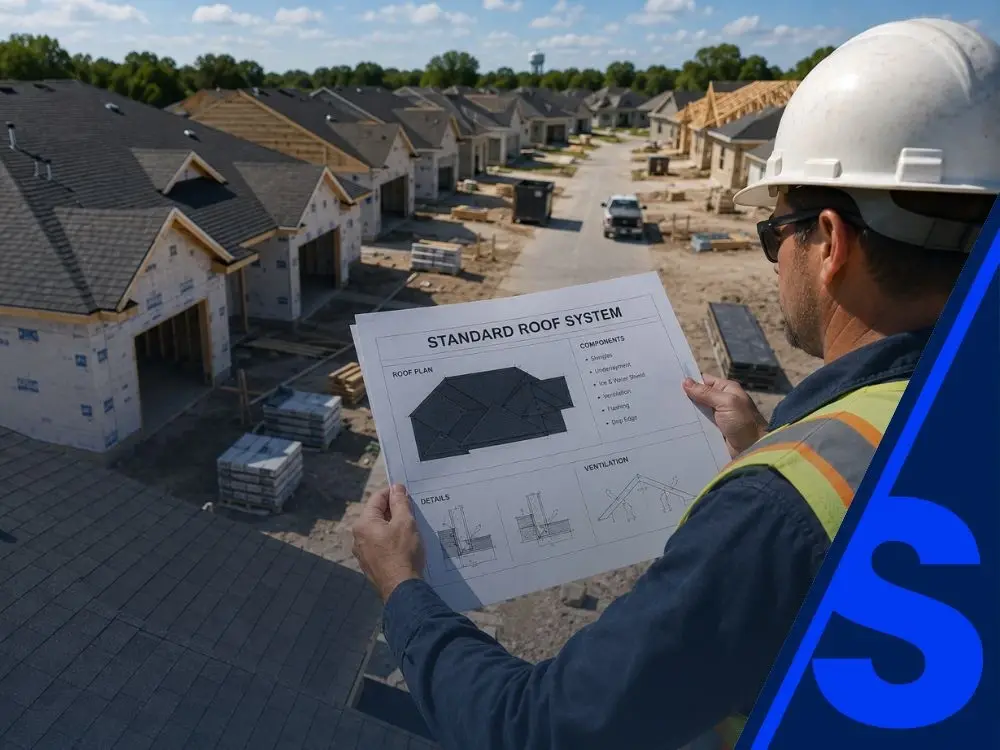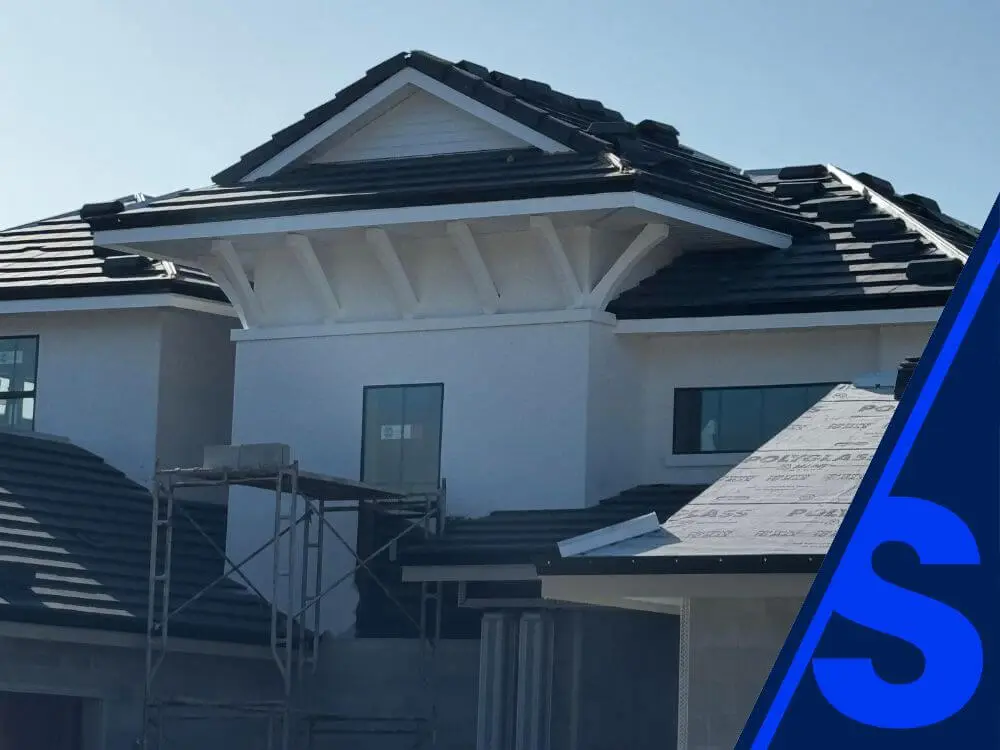
Yes — Built-Up Roofing (BUR) is still a highly viable system for low-slope applications in 2025.
BUR remains one of the most reliable waterproofing solutions for flat and low-slope commercial roofs. Its multi-ply, layered construction creates redundant waterproofing that outperforms many single-ply membranes under ponding water, mechanical loads, and harsh weather. While modern systems like TPO and EPDM are popular, BUR continues to be specified on commercial projects because of its proven 20–30+ year lifespan, exceptional waterproofing redundancy, and lower lifecycle cost over time.
Bottom line: For builders and facility owners prioritizing long-term durability over fast installation, BUR is a dependable, code-compliant choice for low-slope commercial roofing.
What Is Built-Up Roofing (BUR)?
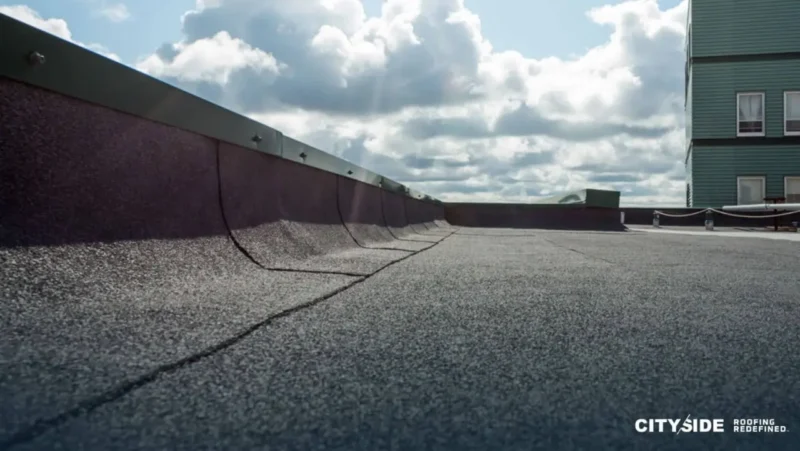
Built-Up Roofing (BUR) is a multi-layer roof membrane system made by alternating layers of bitumen (asphalt or coal tar) and reinforcing fabrics — typically felt, fiberglass, or polyester mats — topped with a surfacing layer such as gravel, slag, or a mineral cap sheet.
This layered assembly creates a thick, waterproof membrane that:
- Resists water infiltration and ponding
- Withstands foot traffic, mechanical loads, and hail
- Provides redundancy: if one layer is compromised, the remaining plies continue to protect the structure
BUR has been used in commercial construction for over a century, with original installations still performing on buildings today. This makes BUR one of the roofing innovations for large-scale construction, providing a proven, reliable solution for expansive commercial projects.
Frequently Asked Questions
What type of roofing is best for a low-pitch roof?
For low-pitch (flat) roofs, a multi-layer waterproofing system like Built-Up Roofing (BUR) is among the best choices. BUR offers waterproofing redundancy, strong resistance to ponding water, and durability over time — all critical on roofs where water drains slowly.
What is the minimum slope for a built-up roof?
BUR is designed for flat and low-slope applications. Under most installation standards, it performs effectively at the minimal slopes typical of commercial flat roofs. While specific slope requirements vary by code and product, BUR is one of the few systems engineered to handle near-zero slope conditions reliably.
Why can’t standard pitched roof materials be used on a low-slope roof?
Standard pitched roofing materials — shingles, tiles, and similar products — rely on gravity and rapid water runoff. On a low-slope roof, water moves slowly, ponds in low spots, and can infiltrate seams or laps. Systems like BUR are specifically designed with layered waterproofing and redundancy to handle these conditions safely.
How long does built-up roofing last?
Properly installed and maintained BUR systems typically last 20–30 years or more. Because each ply adds redundancy, the system tolerates minor damage without full membrane failure, and repairs can often be localized rather than requiring full replacement.
Related read: Low-Slope Thermoplastic Membranes for Commercial Applications
Is BUR more expensive than TPO or EPDM?
BUR generally has a higher upfront installation cost due to labor-intensive layering and material weight. However, its longer lifespan and lower maintenance requirements often result in a lower lifecycle cost compared to single-ply membranes, especially on large commercial or multi-unit buildings.
Is built-up roofing still used today?
Yes. BUR remains widely specified on commercial and industrial buildings, especially those with rooftop mechanical equipment, frequent maintenance access, or high exposure to harsh weather. The University of Florida Institute of Food and Agricultural Sciences notes that “multi-ply built-up roofing remains one of the most reliable waterproofing options for flat and low-slope commercial roofs,” particularly in high-heat, high-rainfall climates.
Intoduction
In commercial and low‑slope construction, roof choice is both strategic and critical. Built-Up Roofing (BUR) has a long history in low‑slope roof applications, with many buildings still using original BUR almost a century later. Given advances in single-ply and membrane systems over the decades, a common question arises: Is BUR still viable for new low‑slope builds?
This article addresses that question directly from a builder’s standpoint. We’ll examine how BUR performs under modern building demands, including code compliance, waterproofing reliability, structural load, and long-term durability. We’ll also compare BUR with modern alternatives, highlight technical caveats, and outline best practices for maximizing roof lifespan on low-slope applications.
Why Built-Up Roofing Still Holds Up: Core Strengths
Exceptional Waterproofing Redundancy
One of the biggest advantages of BUR is its waterproofing redundancy. Multiple plies and bitumen layers, paired with a protective surfacing, create a robust barrier that stands up even under ponding water or heavy rainfall. This makes BUR particularly suitable for commercial buildings in regions with unpredictable weather.
The thick, multi-layer assembly reduces the risk of leaks and extends the service life of the roof. Foot traffic, debris, or mechanical loads are less likely to penetrate all layers, increasing resilience compared to single-membrane systems.
Durability, Impact Resistance, and Fire Resistance
With its composition of bitumen layers and felt or fabric reinforcement, BUR delivers strong resistance to punctures, hail, foot traffic, and thermal stress. The surfacing, usually gravel or mineral cap sheet, adds a protective shield against UV, abrasion, and fire exposure.
Given these properties, BUR remains a sound choice for buildings with rooftop mechanical equipment, frequent maintenance access, or other potential sources of impact stress. It also tends to fare well under extreme weather and heavy rainfall, advantages that are particularly relevant in hurricane-prone or storm-sensitive regions.
Long-Term Lifespan and Lifecycle Value
Historically, properly installed and maintained BUR systems have lasted 20-30 years or more. Because each layer adds redundancy, the system is forgiving of minor damage, and repairs can often be localized without full roof replacement.
While single-ply membranes may offer lower upfront cost and easier installation, BUR’s long lifespan and low maintenance needs often yield a lower lifecycle cost in the long run, especially for large commercial or multi-unit developments.
Stability Under Heavy Loads and Weather Conditions
The aggregate surfacing (gravel or slag) on BUR not only protects the bitumen but also adds ballast weight. This ballast helps resist wind uplift and provides stability under heavy rainfall or mechanical stress.
In climates with high UV exposure and summer heat, like Florida, the protective surfacing shields the bitumen layers from direct sunlight and reduces thermal cycling damage. This serves to extend roof life and maintains structural integrity under harsh conditions.
Technical Considerations and Potential Drawbacks
While BUR offers many advantages, builders should be aware of certain limitations to ensure correct application and avoid future issues.
Weight and Structural Load
Because BUR includes multiple layers of felt, bitumen, and ballast surfacing, the system is significantly heavier than single-ply or lightweight membrane roofs. On some structures, especially older or lightly framed ones, this added weight may require structural reinforcement or design consideration.
Installation Complexity and Labor Intensity
Installing a BUR system is more labor-intensive and time-consuming than laying a single-ply membrane. The hot‑applied bitumen, repeated layering, and surfacing step all require skilled labor. Mistakes in preparation, thickness, or seam sealing can compromise the entire system.
This complexity makes quality control and experienced crews vital. Missing a step or misapplying layers can cause premature failures, leaks, or accelerated wear.
Drainage and Ponding Sensitivity
Even though BUR is highly waterproof, it still requires adequate drainage design. Flat or low‑slope BUR roofs must avoid areas where water can pond for extended periods. Standing water over time can accelerate degradation of the bitumen layers, reduce surfacing adhesion, and shorten overall lifespan.
Designers and builders must ensure sufficient roof slopes (however minimal), proper drainage, and regular inspections post-installation to address drainage issues early.
Maintenance Requirement and Surfacing Degradation
While maintenance is generally less frequent than with some systems, BUR is not maintenance-free. Over time, gravel or mineral surfacing can shift or erode, requiring reapplication or resurfacing. Without periodic inspection, areas of wear or displacement may compromise waterproofing.
BUR vs. Modern Roofing Systems: How They Compare
Modern options like TPO, EPDM, or PVC have gained popularity due to lighter weight, faster installation, and energy-efficient surfacing options. However, built-up roofing continues to compete strongly in several respects:
- Redundancy and waterproofing: BUR’s multiple plies provide layered protection that single-ply membranes may not replicate.
- Durability under load: Gravel- or mineral-surfaced BUR resists foot traffic, HVAC unit loads, and mechanical maintenance.
- Fire and weather resistance: BUR’s ballast surfacing improves resistance to heat, UV, wind uplift, and fire hazards.
- Lifecycle value: Over decades, a well-installed BUR can outperform membrane roofs in durability and require fewer repairs.
That said, single‑ply systems offer speed, light weight, and lower labor costs, factors that may appeal in fast-paced build schedules or for structures with load limitations.
Code, Standards, and Technical Guidelines for BUR
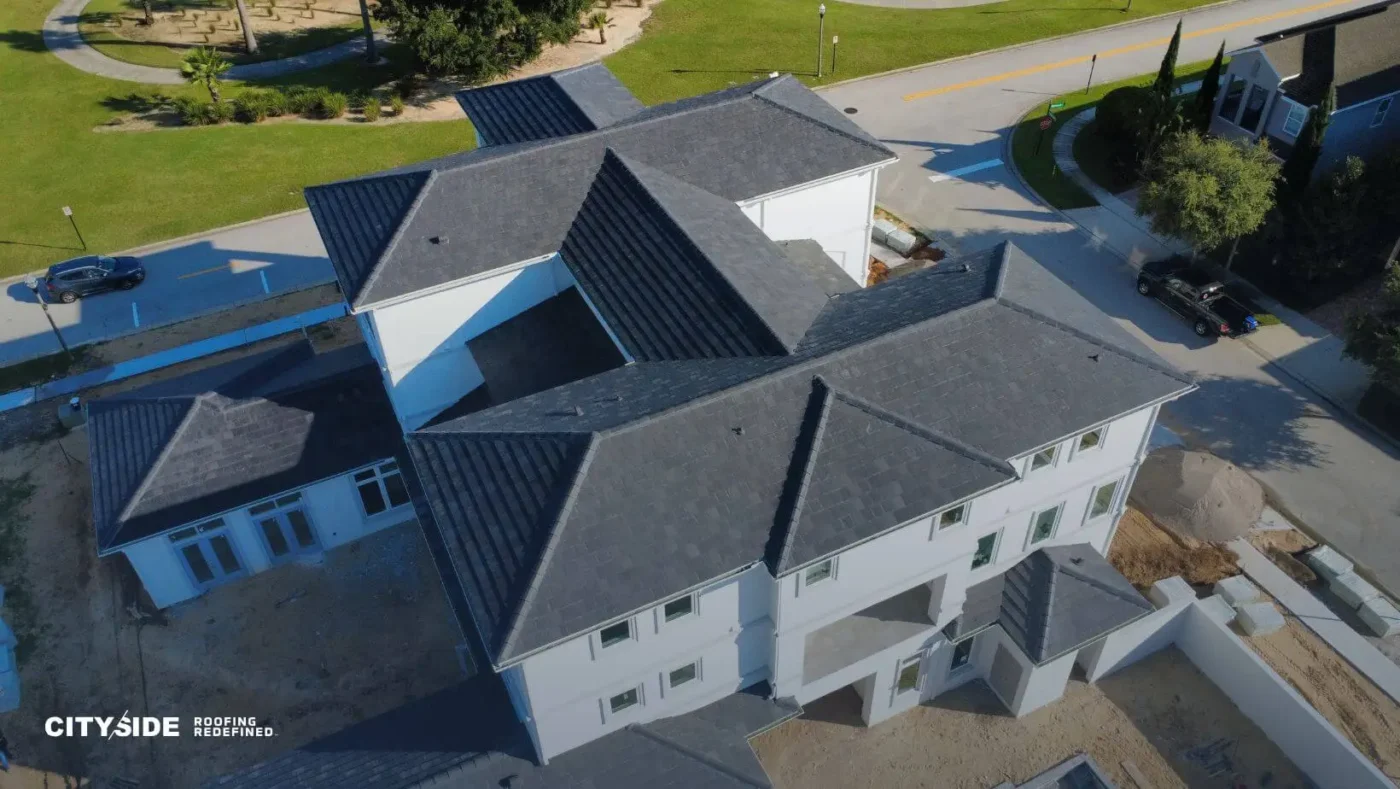
Industry standards for BUR outline acceptable slope ranges, installation rules, and surfacing requirements. For example, one installation guide allows asphalt-based BUR membranes on slopes up to 6 inches per foot with proper precautions, though for many low-slope jobs the typical incline is much less.
On smooth-surfaced roofs or gravel-surfaced roofs with steeper slopes, nailing patterns and nailer spacing must follow specific guidelines to ensure adherence and structural integrity.
Correct adherence to these standards ensures that BUR remains compliant, durable, and reduces risk of failure, even in challenging climates or weather conditions.
According to the University of Florida Institute of Food and Agricultural Sciences, “multi‑ply built-up roofing remains one of the most reliable waterproofing options for flat and low-slope commercial roofs,” particularly in regions with heavy rainfall and high heat exposure. This long-standing performance record makes BUR a dependable roofing solution when properly specified and installed.
This insight underscores the relevance of BUR, especially in climates and conditions similar to Florida, where durability and waterproofing redundancy are essential.
When Built-Up Roofing Makes the Most Sense
Based on its characteristics, BUR is especially well-suited for certain building types and project conditions:
- Large commercial or industrial buildings with flat or gentle low-slope roofs.
- Facilities with rooftop equipment, HVAC units, or heavy foot traffic.
- Projects that prioritize long-term durability and minimal maintenance over speed of installation.
- Regions with harsh weather: heavy rain, UV exposure, wind uplift, or potential fire risk.
- Buildings where added weight is acceptable and structural capacity is adequate.
When properly specified and installed, BUR meets these requirements exceptionally well.
Best Practices for Specifying and Installing BUR
To maximize the benefits of BUR and minimize risk:
- Confirm structural load capacity for BUR’s weight including gravel ballast.
- Design adequate roof drainage and minimal slope to prevent ponding.
- Use high-quality bitumen and surfacing materials tested for local climate conditions.
- Ensure installation by experienced crews with strict QC on plies, seams, and surfacing.
- Schedule regular inspections post-installation to check for ballast displacement, drainage issues, or wear on surfacing.
- Maintain drainage systems and remove debris that can trap moisture or inhibit runoff.
Applying these practices helps ensure that the built-up roof performs over decades, minimizing maintenance and warranty issues.
Addressing Common Misconceptions About BUR
Misconception 1: BUR is outdated compared to modern single-ply membranes.
Reality: BUR has been refined over decades. Its layered structure, redundancy, and surfacing protect it from wear and weather in ways that many single-ply systems can’t match, especially under mechanical loads or ponding conditions.
Misconception 2: BUR is excessively heavy for most buildings.
Reality: While heavier, many low-slope commercial structures are engineered to bear the load. When structural capacity is verified, the ballast weight becomes an asset, improving wind resistance and reducing uplift risk.
Misconception 3: Maintenance is frequent and expensive.
Reality: Properly installed BUR requires minimal maintenance, mainly periodic inspections and ballast checks. Maintenance needs are often lower than single‑ply systems subject to seam failure, punctures, or surface degradation.
Conclusion
Built‑Up Roofing (BUR) remains a highly viable and dependable solution for low-slope roof applications. Its layered construction, waterproofing redundancy, durability, and resistance to impact, UV, and weather make it a strong competitor even decades after newer systems emerged. For builders focused on long-term reliability, code compliance, and minimal maintenance overhead, BUR continues to deliver exceptional value and performance.
If you are planning a commercial or low-slope roofing project, evaluating structural load, drainage design, and surfacing requirements carefully will help you decide whether BUR is the right fit. When done correctly, BUR offers a long lifespan, robust protection, and lower lifecycle cost compared to many alternatives.
For professional help specifying, installing, or inspecting built‑up roofs in Florida, contact CitySide Roofing to get expert guidance and quality assurance.