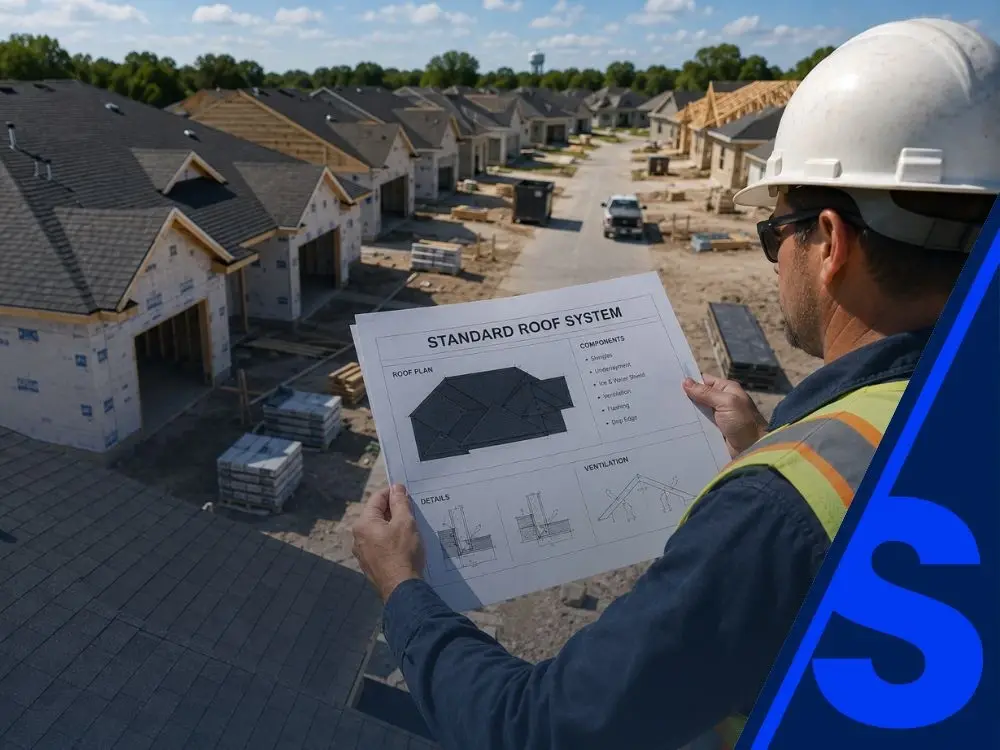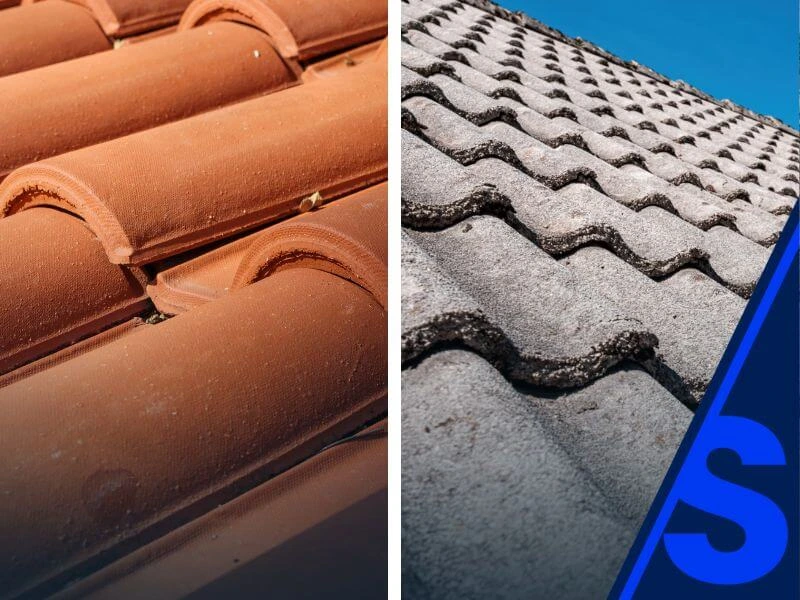
Clay and concrete roof tiles are both durable, high-quality roofing materials, but they differ in weight, lifespan, and cost. Concrete tiles are heavier and generally less expensive upfront, while clay tiles are lighter, longer lasting, and more costly due to their manufacturing process and longevity. When considering cost for builder projects in Florida, it’s important to weigh these factors to determine the best option for each project’s budget and needs.
Which is heavier, clay or concrete roof tiles?
Concrete roof tiles are heavier than clay. Concrete absorbs more water and has a denser profile, which adds to its overall weight.
Are clay roof tiles more expensive than concrete?
Yes. Clay tiles cost more because they are kiln-fired, require higher-quality raw materials, and typically last longer.
Are clay tiles better than concrete tiles?
Clay tiles offer superior longevity and color stability, while concrete tiles provide excellent durability at a lower cost. The better choice depends on structural capacity, budget, and climate.
Is clay more expensive than concrete?
Yes. Clay roofing products come with a higher upfront price due to material sourcing, firing processes, and longer service life.
According to FEMA’s guidance on roofing performance in high-wind regions, tile roof systems must be evaluated for weight, fastening, and uplift resistance to prevent failures during storms. This applies to both clay and concrete tiles, particularly in hurricane-prone states like Florida.
Introduction
Clay and concrete tile roofing systems are two of the most common premium roof coverings used in residential and commercial construction. When evaluating a concrete tile roof vs clay tile, builders must consider structural load, material longevity, color performance, installation requirements, and real-world costs. Florida’s building code environment creates additional considerations involving wind uplift, underlayment requirements, and the structural capacity of trusses. This guide provides a complete comparison to help builders choose the correct system for each project.
Weight Differences Between Clay and Concrete Tile Roofing
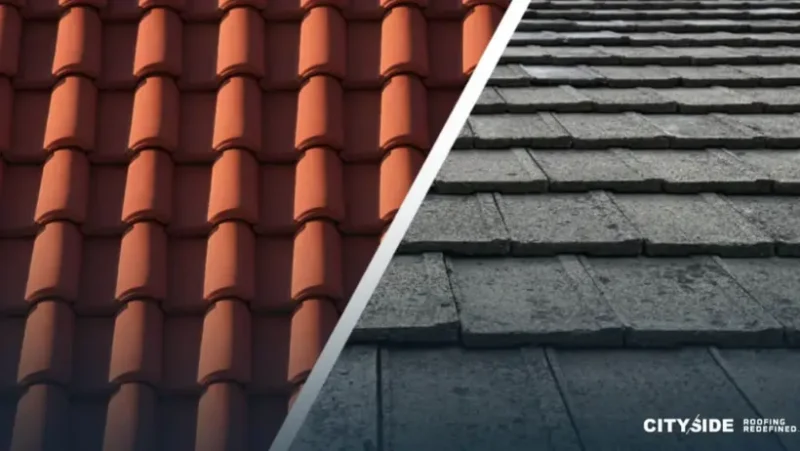
Clay tiles weigh less than concrete tiles, making them easier to install on structures with standard load-bearing capacity. Concrete tiles often require structural engineering approval because they can exceed allowable dead loads for older homes or lighter truss systems. In humid climates, concrete absorbs more moisture, adding even more weight to the system over time. Builders who choose concrete tiles must ensure the framing is engineered for the additional load.
Clay tiles, although lighter, still require accurate load calculations. Their lower absorption rate helps prevent weight fluctuations during rain events. Because Florida requires roofs to withstand hurricane pressures, choosing the right system can influence fastening requirements and uplift resistance during inspection.
Durability and Lifespan Comparison
Clay tiles are known for their exceptional longevity, often lasting 60 to 100 years when properly maintained. Their color is baked into the tile, which helps clay maintain its appearance even after decades of UV exposure. Clay also handles heat cycles well, making it a strong performer in Florida’s climate.
Concrete tiles offer excellent durability but generally have a shorter service life of around 40 to 60 years. They may require repainting or surface treatment over time because pigmentation is added to the tile surface rather than baked through the material. Concrete expands and contracts more than clay, which can influence long-term wear.
Both systems resist wind uplift when installed to current Florida Building Code standards, but clay tiles are typically more brittle. Concrete tiles may chip, but clay tiles can crack more easily under impact. Builders must select according to the home’s location, exposure category, and design pressures.
Related read: What builders should know about tile roofing systems
Cost Differences and Long-Term Value
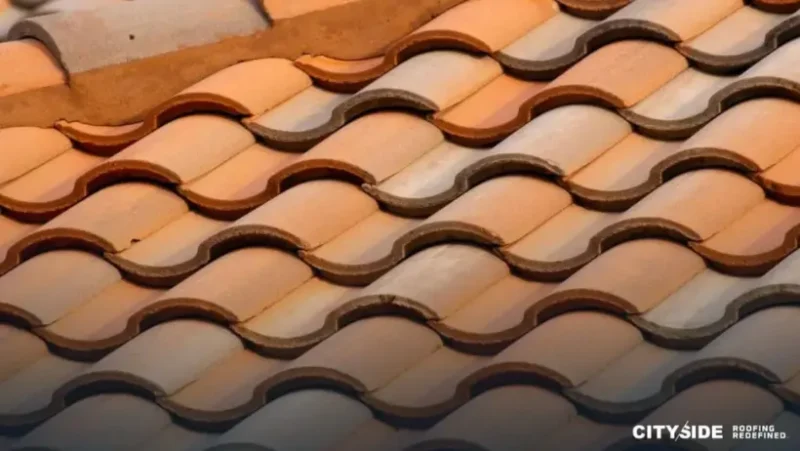
Clay roofing costs more upfront due to material processing, higher purity requirements, and kiln-firing procedures. For premium architectural builds, clay offers excellent long-term value because its color stability reduces maintenance costs.
Concrete tiles are less expensive to manufacture and install. They are often chosen for large subdivisions where cost control is important. Concrete tile systems can deliver strong performance at a more accessible price point, especially when roofing budgets must be balanced with exterior finishes, landscaping, or interior upgrades.
Over the lifetime of the roof, clay typically requires fewer replacements or cosmetic repairs. Concrete may require periodic painting or sealing. Builders must weigh initial savings against lifecycle costs, especially for long-warranty communities.
Impact on Roof Structure and Engineering Requirements
One of the most important differences between concrete tile roof vs clay tile is structural load. Concrete tiles can weigh 40 percent more than clay tiles, which significantly affects engineering calculations. Florida homes built before 2002 are especially likely to require reinforcement before switching to concrete tile.
Clay tiles are lighter and reduce the load on trusses, but both materials still require engineering approval. When planning reroofs, builders must verify whether the structure can accept the tile weight without modification. Failing to calculate load accurately is one of the most common reasons tile roofing fails inspection.
Installation Differences for Clay and Concrete Tile Roofing
Clay tiles require more delicate handling because they are more brittle, especially around nail holes. Installers often need to predrill or use specific fastening methods depending on the manufacturer. Because of the precision needed, clay installations may take slightly longer.
Concrete tiles allow faster production because they tolerate handling better. Their consistent size also makes layout more uniform, streamlining installation across large developments. However, concrete tiles are heavier, so crews must account for additional fatigue and storage limitations on the roof deck.
Both systems must follow Florida Building Code fastening schedules and require approved underlayment assemblies designed for high-wind regions. Builders must choose installers familiar with tile uplift ratings, certified foam systems, and mechanical fastening patterns to avoid callbacks.
Color, Style, and Aesthetic Differences
Clay tiles offer unmatched color permanence. Because pigment is fired into the tile, colors stay consistent for decades with minimal fading. Clay roofs provide a classic Mediterranean appearance that suits many Florida coastal markets.
Concrete tiles come in a wider variety of shapes, profiles, and surface textures. They can mimic clay, slate, or shake, providing design flexibility at a lower cost. Concrete loses color faster because pigment is in the outer surface rather than the entire tile body.
Clay often appeals to luxury buyers or communities focused on authentic architectural themes. Concrete appeals to builders seeking versatility and broad market acceptance.
Maintenance Requirements Over Time
Clay tiles require minimal maintenance other than periodic cleaning. Because they absorb less water, they resist staining and mold more effectively in humid climates.
Concrete tiles require more attention. They may need surface resealing or repainting as they fade. Concrete’s higher water absorption can lead to algae growth. Proper installation and ventilation reduce moisture buildup under both tile types, but concrete systems benefit from more frequent inspections.
Broken tiles must be replaced quickly in either system to prevent water intrusion. Clay tiles may crack, while concrete tiles may chip. Builders should plan inventory for post-closing repairs and neighborhood maintenance.
Performance in Florida Weather Conditions
Clay tiles withstand intense UV exposure and high temperatures extremely well. Their natural thermal properties keep them stable during heat cycles. Clay is also more resistant to color fading, which is valuable in Florida’s climate.
Concrete tiles perform well in heat but expand and contract more noticeably. This movement can influence fastener performance and require stronger underlayment systems. Concrete’s weight helps resist uplift but increases structural demands.
Both tile types are tested for Miami-Dade and Florida Product Approval. The main difference is how each system handles long-term exposure and moisture absorption.
Sustainability and Environmental Considerations
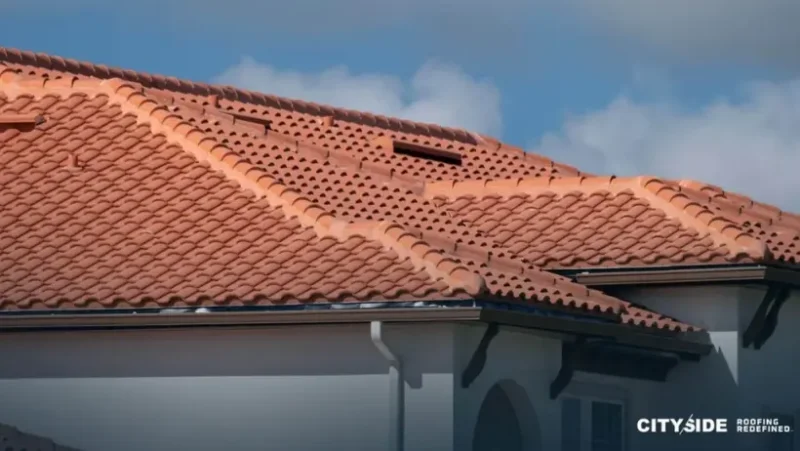
Clay tiles are made from natural earth materials and baked in kilns. Their longevity and low maintenance needs contribute to sustainability. Clay tiles are fully recyclable.
Concrete tiles use cement, sand, water, and sometimes pigments. While manufacturing concrete uses more energy and produces higher emissions, concrete tiles remain a durable and recyclable product.
Sustainability may influence builder choices depending on community branding, green certifications, or development guidelines.
Which Tile Roofing System Is Best for Builders in Florida
Builders must evaluate structural load, cost, installation labor, and long-term value when choosing clay or concrete tiles. Clay tiles are ideal for upscale communities focused on appearance, longevity, and architectural authenticity. Concrete tiles are better suited for large production neighborhoods where durability and lower cost are priorities.
Both systems perform well when installed according to code, paired with the proper underlayment, and maintained correctly. The choice depends on project goals, budgets, and the home’s engineering.
Conclusion and Key Takeaways
Choosing between a concrete tile roof vs clay tile depends on project scale, structural requirements, and long-term builder goals. Both offer strong protection and aesthetics, but their differences can influence performance and cost over decades.
Key points to remember:
• Concrete tiles are heavier, cheaper, and widely available.
• Clay tiles are lighter, longer lasting, and more color stable.
• Engineering considerations are essential for both, especially concrete.
• Clay offers premium longevity, while concrete offers production-friendly affordability.
• Florida climate favors materials with low water absorption and strong UV resistance.
• Installation skill is critical for passing inspections and avoiding callbacks.
For roofing guidance, specification support, and builder-focused installation standards, contact us today.