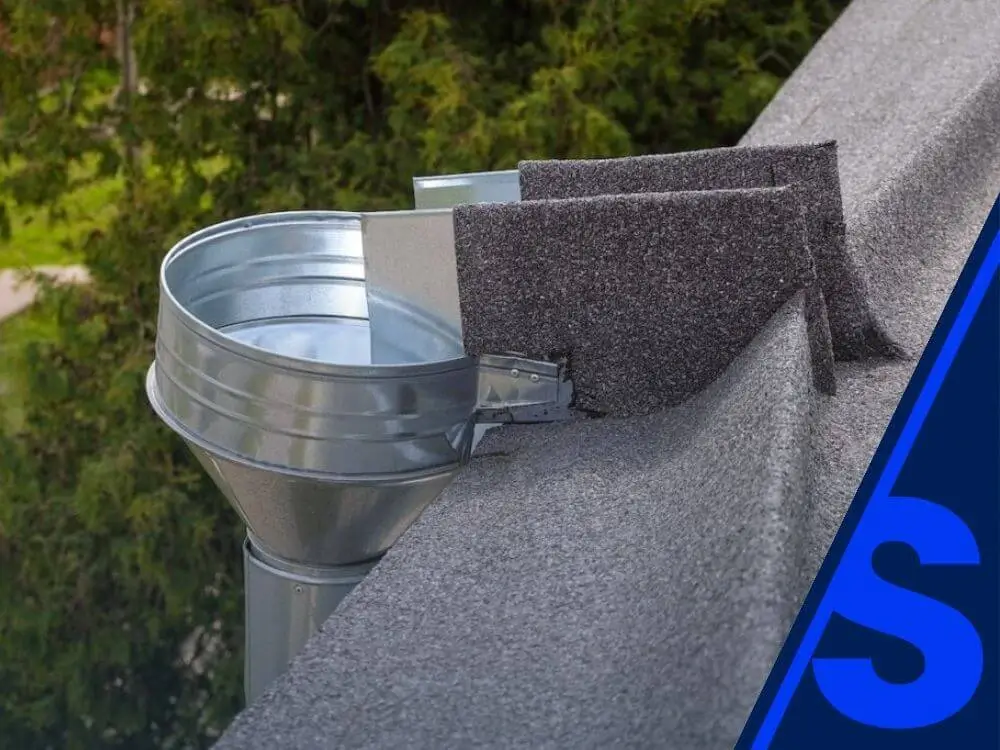
Roof scuppers are openings in a low-slope or flat roof parapet wall that provide a critical, code-compliant drainage path for water. They are most commonly used as a secondary or emergency overflow system to prevent water ponding, excessive structural loading, and potential roof collapse. Proper scupper design, sizing, placement, and coordination with roof slope and primary drains are essential for passing inspections and protecting the roof system over its full service life.
What are scupper drain requirements?
Scupper drain requirements are governed by building codes that mandate proper sizing, placement, and elevation relative to the roof surface. Scuppers must be designed to handle calculated rainfall rates, prevent ponding, and discharge water away from the building envelope.
What is the difference between a roof scupper and a roof drain?
A roof drain collects water internally and routes it through piping inside the building, while scuppers allow water to exit through the roof edge or parapet wall. Scuppers are often used as secondary or emergency drainage.
What is the size code for a scupper?
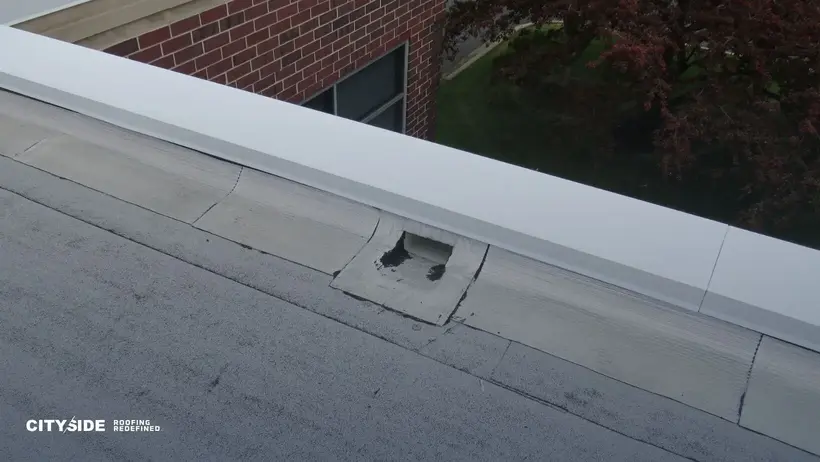
There is no single universal size. Codes require scuppers to be sized based on roof area, rainfall intensity, and drainage role. Minimum dimensions are often specified, but final sizing must follow hydraulic calculations.
How to size roof scuppers?
Roof scuppers are sized using roof drainage calculations that account for roof area, slope, design rainfall rate, and whether the scupper serves as primary or secondary drainage. Oversizing is often recommended to reduce clogging risk.
Roof drainage design is a critical but often underestimated component of low-slope and flat roof construction. For builders working in Florida and other high-rainfall regions, improper drainage detailing can result in failed inspections, water intrusion, structural loading issues, and costly rework. Scuppers play a central role in managing roof water safely and in compliance with modern building codes.
This guide explains how scuppers function, how codes regulate their use, and how builder roof designs can incorporate scuppers as part of a complete roof drainage strategy. The focus is on new construction, code compliance, and long-term roof system performance rather than repair or maintenance scenarios.
Expert Insight on Roof Scupper Design
According to guidance from the Federal Emergency Management Agency and the International Code Council, secondary roof drainage systems such as scuppers are critical for preventing structural overload when primary drains are blocked. FEMA notes that inadequate roof drainage has been a contributing factor in roof failures during heavy rain events, particularly on low-slope roofs with parapet walls.
What Are Roof Scuppers and How Do They Work?
Scuppers are openings formed through a parapet wall or roof edge that allow water to drain off a roof surface. On low-slope roofs, water flows toward these openings based on roof slope and internal drainage design. Unlike internal drains, scuppers discharge water externally, typically through a downspout or splash block.
In most commercial and multi-family construction, scuppers are used as secondary drainage. Their purpose is to activate only when primary drains fail or become overwhelmed. This redundancy is a core requirement of modern building codes and a major inspection focus.
Scuppers must be coordinated with roof slope, parapet height, and waterproofing details to ensure water exits the roof before ponding exceeds allowable limits.
Why Scuppers Matter in Code-Compliant Roof Design
Building codes require roofs to safely drain water during design-level storm events. On low-slope roofs, ponding water can add significant structural load. If primary drains clog, water can accumulate rapidly.
Scuppers provide a passive, gravity-driven overflow path that does not rely on internal piping. This makes them especially valuable as a fail-safe system. Inspectors frequently verify that scuppers are present, properly sized, and set at the correct elevation relative to the roof surface.
For builders, missing or undersized scuppers can delay approvals, require redesign, or lead to field corrections late in the schedule.
Primary vs Secondary Roof Drainage and the Role of Scuppers
Primary roof drainage typically consists of internal roof drains connected to vertical leaders and storm piping. These drains handle routine rainfall events and are designed for continuous use.
Secondary drainage is required to prevent roof collapse if primary drains fail. Scuppers are the most common secondary drainage method on parapet roofs. They are installed at a higher elevation than primary drains so they only activate during abnormal conditions.
Codes typically require secondary drainage to discharge in a visible location so building occupants and maintenance teams can detect a drainage failure quickly.
Florida Code Considerations for Roof Scuppers
Florida’s building environment presents unique challenges. High rainfall intensity, tropical storms, and hurricane events place extreme demands on roof drainage systems, making the best material for hurricane resilience a key factor in building design.
Florida Building Code requirements align with the International Building Code but place additional emphasis on overflow drainage and structural safety. Scuppers must be sized for local rainfall rates and coordinated with wind-driven rain exposure.
In coastal and high-wind regions, scupper detailing must also address waterproofing, membrane termination, and corrosion resistance.
Scupper Placement and Elevation Best Practices
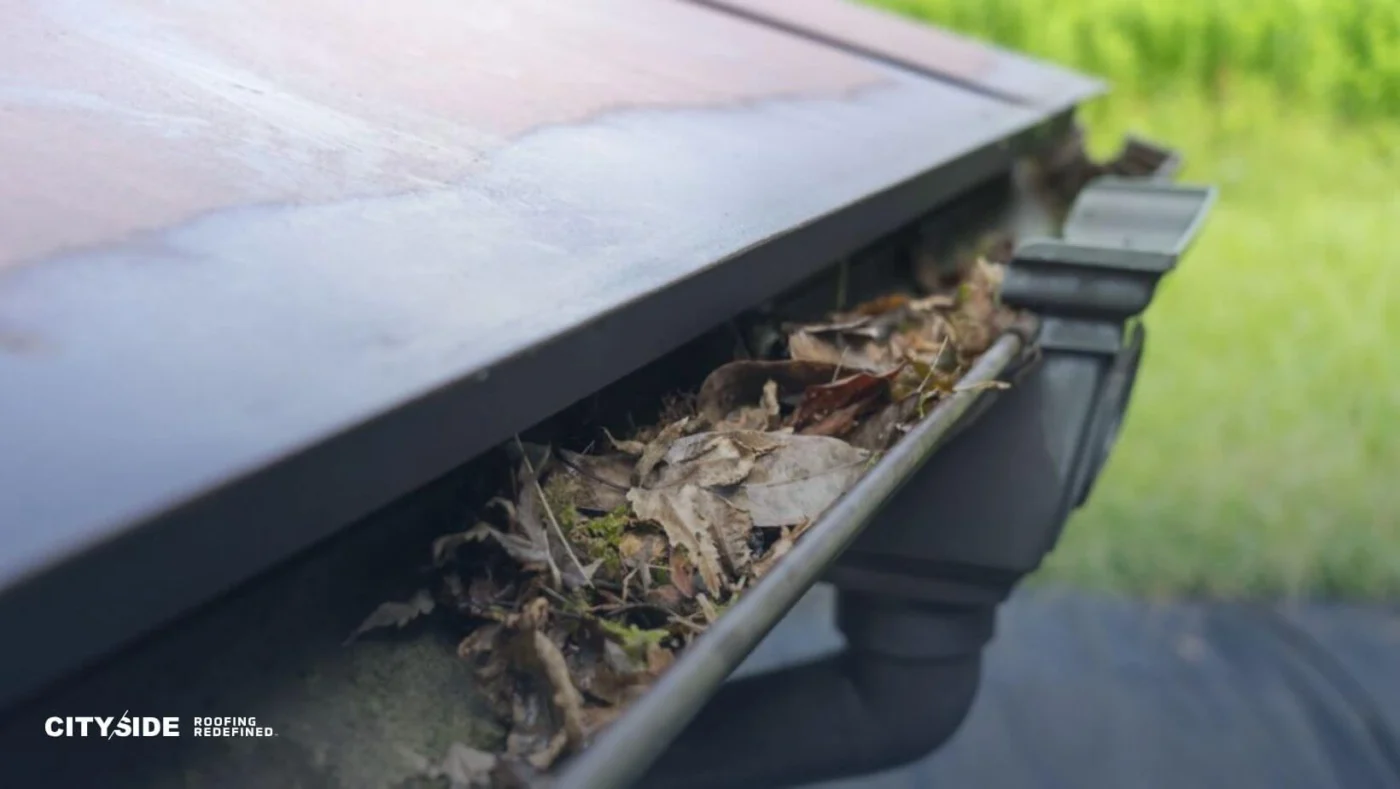
Proper scupper placement begins with roof slope design. Water must naturally flow toward the scupper opening without creating dead zones where ponding can occur.
Scuppers should be located at low points along the parapet wall and aligned with roof crickets or tapered insulation systems. Their opening elevation must be set above the primary drain but below the height that would allow excessive ponding.
Improper elevation is a common inspection failure. Scuppers set too high negate their purpose. Scuppers set too low may short-circuit the primary drainage system.
How to Size Roof Scuppers Correctly
Sizing scuppers requires hydraulic calculation, not guesswork. Factors include roof area served, design rainfall rate, and whether the scupper is primary or secondary drainage.
Codes provide formulas or tables that convert rainfall intensity into required drainage area. The scupper opening must be large enough to pass the required flow without restriction.
Builders should also consider debris accumulation. Leaves, construction materials, and roofing granules can partially block openings. Conservative sizing reduces risk.
Materials and Construction Detailing for Scuppers
Scuppers must be constructed from durable, corrosion-resistant materials compatible with the roof membrane and wall assembly. Common materials include coated steel, aluminum, and stainless steel.
Proper detailing includes membrane wrap into the scupper throat, secure termination bars, and integration with wall flashing. Poor detailing is a frequent source of leaks, even when scuppers are correctly sized.
Pre-manufactured scupper inserts can improve consistency and reduce installation errors when used correctly.
Common Scupper Design Mistakes Builders Should Avoid
One common mistake is treating scuppers as an afterthought rather than an integrated part of roof design. Late-stage additions often conflict with parapet reinforcement, insulation thickness, or façade details.
Another issue is relying on scuppers alone for primary drainage without internal drains. This approach often fails code review.
Improper coordination between architectural drawings, structural design, and roofing details can also result in misaligned slopes and ineffective drainage.
Coordination Between Trades During Construction
Scupper installation requires coordination between framing, masonry or concrete trades, roofing contractors, and façade installers. Opening dimensions, elevations, and waterproofing details must be consistent across all documents.
Builders who standardize scupper details and sequencing reduce rework and inspection issues. Clear responsibility assignment for membrane installation and flashing is critical.
Field verification before roofing installation helps catch dimensional issues early.
Inspection and Quality Control Considerations
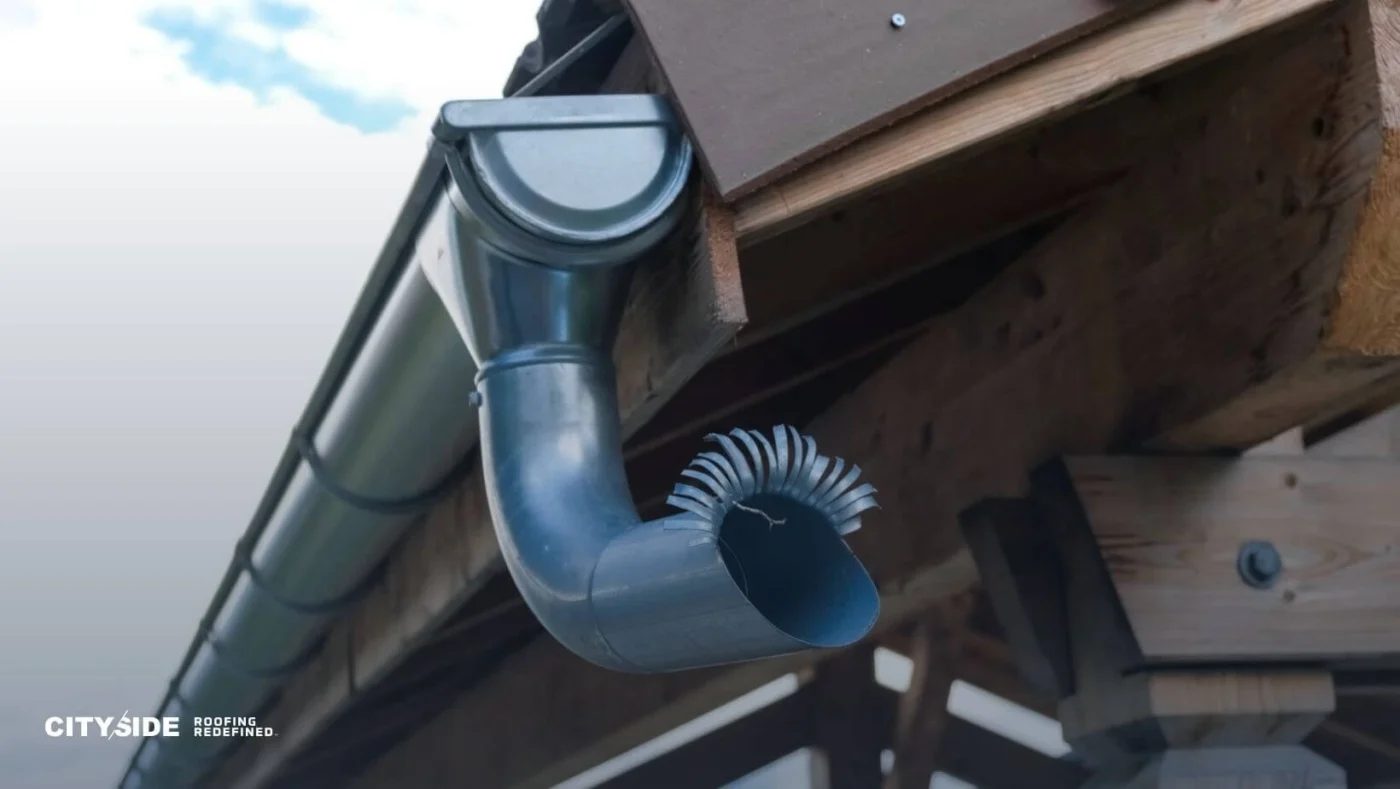
Inspectors typically verify scupper presence, size, elevation, and discharge location. They may also check that secondary drainage discharges are visible and not connected to the primary storm system.
From a quality control standpoint, builders should confirm membrane continuity, flashing integrity, and absence of obstructions. Water testing can validate performance before project closeout.
Documenting scupper installation as part of the roof system inspection record supports long-term warranty and risk management.
Scuppers in Multi-Building and High-Density Projects
In multi-family and large-scale developments, scupper consistency becomes even more important. Variations between buildings can lead to uneven inspection outcomes and maintenance challenges.
Standardized scupper designs, details, and sizing criteria help streamline production schedules and reduce variability. This approach also simplifies future asset management.
Builders should ensure drainage calculations are performed for each roof area rather than relying on generic assumptions.
Long-Term Performance and Risk Mitigation
Scuppers are a passive system, but they are not maintenance-free. Design decisions made during construction directly impact long-term performance.
Adequate sizing, proper detailing, and clear discharge paths reduce the likelihood of water backup during extreme events. From a risk perspective, scuppers protect both the roof structure and the building interior.
In regions with increasing rainfall intensity, conservative design is becoming the norm rather than the exception.
Conclusion
Roof scuppers are a critical component of code-compliant roof drainage design for low-slope and flat roofs. When properly designed, sized, and detailed, they provide a reliable secondary drainage path that protects the roof structure during extreme weather and primary drain failure.
For builders, scuppers are not just a roofing detail. They are a life-safety and structural safeguard that directly affects inspections, liability, and long-term performance. Treating scuppers as an integrated part of the roof system rather than a checkbox item leads to better outcomes across the project lifecycle.
Key Takeaways
- Scuppers provide essential secondary roof drainage for low-slope and flat roofs
- Proper sizing and elevation are critical for code compliance
- Scuppers must be coordinated with roof slope, parapets, and primary drains
- Durable materials and correct membrane detailing prevent leaks
- Early design integration reduces inspection failures and rework
For builders planning new construction projects that require code-compliant roof drainage systems, early coordination and proper execution are essential. To discuss scupper design, roof drainage strategy, and quality-controlled new roof installation, contact CitySide Roofing today!
Related Reading: