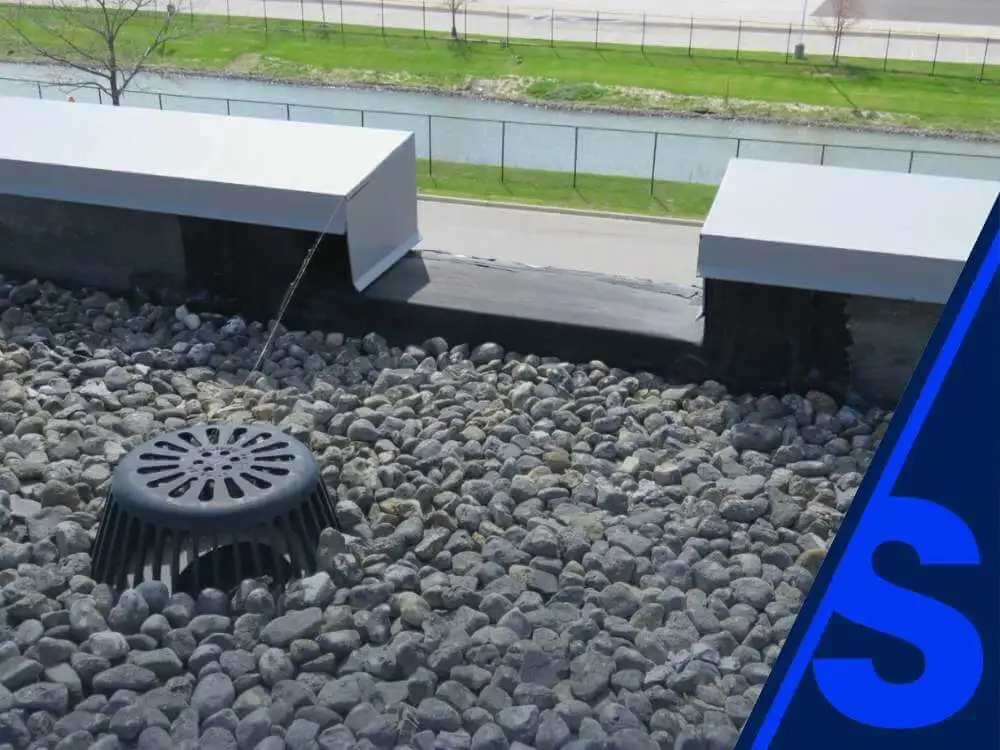
Overflow roof drains are critical secondary drainage components for flat and low-slope roofs. They act as an emergency outlet when primary roof drains fail or rainfall exceeds system capacity. By safely redirecting excess water, overflow roof drains prevent dangerous ponding, structural overload, membrane deterioration, and interior water damage. When properly designed, installed, and coordinated with primary drains, they protect the roof structure, extend roof life, and reduce liability on new construction projects.
What is the purpose of an overflow roof drain?
The purpose of an overflow roof drain is to safely remove excess water when the primary roof drain becomes clogged or overwhelmed. It prevents water from accumulating to levels that could damage the roof or structure.
What is the purpose of an overflow drain?
An overflow drain serves as a backup drainage path that activates only when water rises above normal levels. It reduces flood risk by diverting surplus water away from the building.
What is the purpose of a roof drainage system?
A roof drainage system manages rainwater by collecting and directing it off the roof surface to prevent ponding, leaks, and structural stress.
What is the thing called that drains water from the roof?
The components that drain water from a roof include roof drains, scuppers, gutters, and downspouts. On flat roofs, internal roof drains and overflow roof drains are most common.
On flat and low-slope roof systems, water management is not optional. It is a critical life safety and structural performance issue. While primary roof drains handle routine rainfall, they are not designed to manage every scenario. Heavy storms, blocked drains, construction debris, or improper maintenance can all cause primary drains to fail. This is where overflow roof drains become essential.
Overflow roof drains function as a secondary line of defense. They are designed to activate only when water rises beyond normal operating levels, allowing excess water to escape before it compromises the roof assembly or building structure. For builders, developers, and project managers, understanding overflow roof drains is not just about best practice. It is about code compliance, risk mitigation, and long-term asset protection.
Expert Insight on Roof Drainage Safety
According to guidance published by the Federal Emergency Management Agency, uncontrolled roof ponding can lead to progressive structural failure and interior flooding during extreme rainfall events, making secondary drainage systems such as overflow roof drains a critical safety component on low-slope roofs.
Source: Federal Emergency Management Agency guidance on flood and structural risk management.
What Are Overflow Roof Drains?
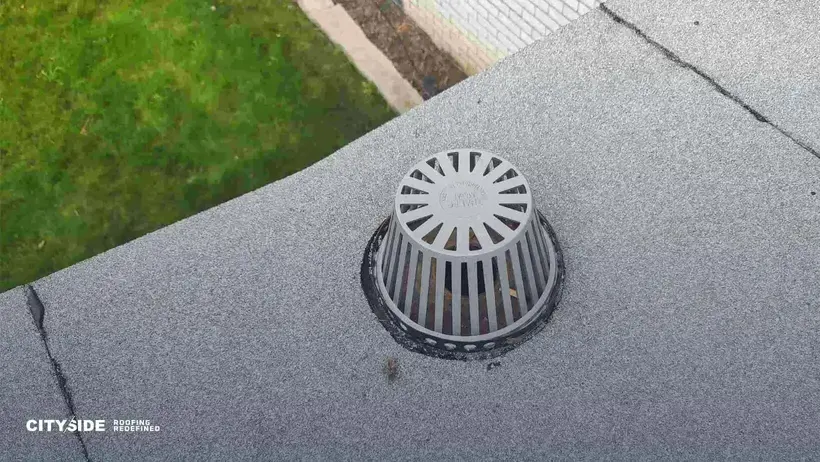
Overflow roof drains are secondary drainage openings installed in addition to primary roof drains. They are typically set slightly higher than the primary drain inlet, ensuring that they only engage when water rises above the intended maximum ponding depth.
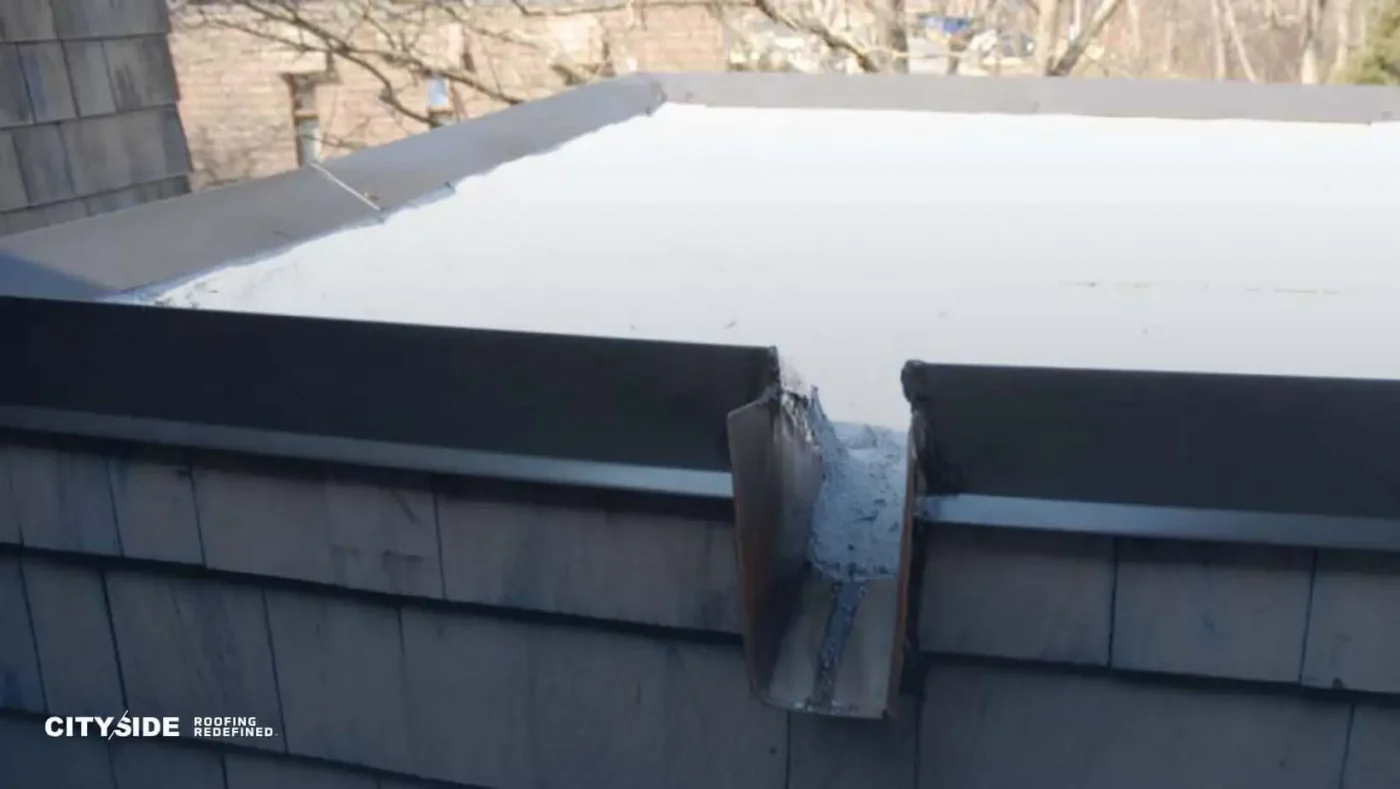
Unlike standard roof drains that connect directly to storm piping, overflow roof drains often discharge water in a visible manner. This may be through exterior scuppers, secondary downspouts, or dedicated overflow piping that exits the building envelope. The visibility of discharge provides a clear warning sign that the primary drainage system is not functioning properly.
From a design perspective, overflow roof drains are not a convenience feature. They are a safeguard against failure scenarios that primary systems cannot always prevent.
Why Primary Roof Drains Fail
Primary roof drains are effective under normal conditions, but several common issues can render them ineffective. Construction debris is one of the most frequent causes, especially on new builds where trades are active on the roof. Plastic wrap, fasteners, insulation scraps, and packaging materials can all block drain inlets.
Roof membranes and protective strainers can also become compromised if not installed correctly. In some cases, roof settlement or improper slope can cause water to bypass the primary drain entirely, leading to unexpected ponding.
Weather plays a role as well. Intense rainfall events can exceed the capacity of a single drain, especially on large roof areas. When water accumulates faster than it can exit, the roof system becomes vulnerable. Overflow roof drains are specifically designed to address these high-risk scenarios.
How Overflow Roof Drains Prevent Roof Flooding
Overflow roof drains prevent roof flooding by providing an alternate path for water once it reaches a predetermined depth. Instead of allowing water to continue rising, the overflow drain captures it and directs it away from the roof.
This process protects the roof membrane from prolonged immersion, which can accelerate material degradation. It also reduces the weight load on the roof structure. Standing water is heavy, and even a few inches across a large roof area can add thousands of pounds of load.
By relieving this pressure, overflow roof drains help prevent deflection, cracking, and in extreme cases, collapse. They also protect interior spaces from water intrusion that can damage finishes, equipment, and electrical systems.
The Role of Overflow Roof Drains in Structural Safety
Roof structures are engineered with specific load assumptions. These include dead loads, live loads, and environmental loads such as rain. When water is allowed to pond beyond design limits, those assumptions are exceeded.
Overflow roof drains act as a structural safety valve. They limit the maximum depth of water that can accumulate on the roof surface. This is especially important on long-span roofs, lightweight steel structures, and buildings with sensitive interior uses.
For builders, incorporating overflow roof drains into the drainage design reduces exposure to structural claims and post-construction liability. It demonstrates due diligence in addressing foreseeable failure modes.
Code Requirements for Overflow Roof Drains
Most building codes require secondary drainage systems on low-slope roofs. These requirements exist because primary drains alone are not considered sufficient protection against extreme conditions.
Codes typically specify that overflow roof drains must be sized to handle rainfall rates equal to or greater than the primary system. They must also discharge in a way that is visible to occupants or maintenance personnel, ensuring that drainage failures are detected quickly.
In many jurisdictions, overflow drains must be located at a height that limits water accumulation to a safe depth. This height is often coordinated with roof structural design and slope. Builders who ignore or misunderstand these requirements risk failed inspections, redesign costs, and delays.
Common Types of Overflow Roof Drains
There are several configurations used to provide overflow drainage, each suited to different building designs.
Internal overflow drains are installed within the roof assembly and connect to dedicated overflow piping. These systems are common on larger commercial buildings where exterior discharge is not practical.
Scuppers are another common option. These openings are placed through parapet walls and allow water to spill directly to the exterior when levels rise. Scuppers are simple, reliable, and easy to inspect, making them popular on many low-slope roofs.
Standpipe overflow drains use vertical extensions on primary drains to create an overflow threshold. While effective, they must be carefully designed to avoid restricting normal drainage.
Elevation and Placement Considerations
The elevation of an overflow roof drain is one of its most critical design elements. If set too high, water may accumulate to dangerous levels before discharge begins. If set too low, the overflow may activate too frequently, indicating false failures.
Placement also matters. Overflow drains should be located where water naturally accumulates or where ponding is most likely. This often requires coordination with roof slope design, structural framing, and insulation layout.
Builders should ensure that overflow drain locations are coordinated across trades to avoid conflicts with mechanical units, roof penetrations, and parapet detailing.
Integration With Primary Roof Drain Systems
Overflow roof drains do not replace primary drains. They complement them. A properly designed roof drainage system treats both as part of a single coordinated strategy.
Primary drains manage everyday rainfall and routine drainage. Overflow drains address abnormal conditions and emergencies. Both must be sized correctly and installed with equal attention to detail.
When these systems are not integrated properly, problems arise. For example, connecting overflow drains to the same piping as primary drains defeats their purpose. If the primary line is blocked, the overflow line will be blocked as well.
Preventing Roof Ponding and Membrane Damage
Ponding water is one of the most damaging conditions for flat roofs. Even membranes designed to tolerate standing water will experience accelerated aging when submerged for extended periods.
Overflow roof drains help limit the duration and depth of ponding. By activating before water reaches critical levels, they reduce stress on seams, flashing, and penetrations.
This protection is particularly important during the early life of a roof, when construction traffic and incomplete detailing increase vulnerability.
Overflow Roof Drains and Long-Term Roof Performance
A roof that experiences repeated flooding events will fail sooner than one that does not. Overflow roof drains play a direct role in extending roof service life by preventing those events.
By reducing membrane saturation, structural deflection, and insulation degradation, overflow drains preserve the integrity of the entire roof assembly. This leads to fewer repairs, fewer warranty claims, and more predictable lifecycle performance.
For builders and developers, this translates to reduced risk and improved asset value.
Common Design and Installation Mistakes
Despite their importance, overflow roof drains are often overlooked or improperly executed. One common mistake is treating them as an afterthought rather than a core system component.
Another issue is improper discharge routing. Overflow drains that discharge into concealed spaces or onto sensitive building elements can create new problems instead of solving existing ones.
Lack of coordination between structural, architectural, and roofing plans is another frequent cause of failure. Overflow drains must be accounted for early in design to function correctly.
Inspection and Testing of Overflow Roof Drains
Testing overflow roof drains is a critical step before project closeout. This typically involves temporarily blocking the primary drain and observing water rise until the overflow activates.
This test verifies elevation, flow capacity, and discharge routing. It also confirms that the overflow drain is not obstructed and functions as intended.
Builders who skip this step risk discovering failures only after occupancy, when the consequences are far more severe.
Overflow Roof Drains on Large Roof Areas
Large roof areas present unique challenges. The volume of water generated during heavy rain can be enormous, and a single overflow drain may not be sufficient.
In these cases, multiple overflow drains are required, spaced strategically to manage flow. Hydraulic calculations must consider worst-case rainfall scenarios and potential blockages.
Properly designed overflow systems on large roofs provide redundancy and resilience, ensuring that no single point of failure compromises the entire structure.
Coordination With Other Roof Components
Overflow roof drains must work in harmony with other roof elements such as insulation, vapor barriers, and flashing. Improper detailing around drain bodies can lead to leaks even when the drain functions hydraulically.
The interface between the drain and the roof membrane is especially critical. It must accommodate movement, temperature changes, and water exposure without failure.
Builders should ensure that drain assemblies are compatible with the selected roofing system and installed according to manufacturer requirements.
Long-Term Maintenance Considerations

While overflow roof drains are designed for emergencies, they still require periodic inspection. Debris can accumulate around overflow openings just as it does around primary drains.
Visible discharge points make it easier to identify problems early. If water is seen exiting an overflow drain during normal rain events, it signals an issue that should be addressed immediately.
Incorporating overflow drain checks into routine roof inspections helps ensure they remain ready when needed most.
Conclusion
Overflow roof drains are not optional accessories. They are essential safety components that protect roofs, structures, and interiors from flooding and water damage. By providing a controlled emergency outlet for excess water, they prevent ponding, reduce structural loads, and extend roof life.
For builders and project teams, properly designed and installed overflow roof drains reduce risk, support code compliance, and contribute to long-term building performance. When integrated thoughtfully with primary drainage systems, they form a comprehensive strategy for managing water on flat and low-slope roofs.
Key Takeaways
- Overflow roof drains act as emergency drainage when primary drains fail
- They prevent dangerous ponding, structural overload, and interior flooding
- Proper elevation and placement are critical for effective performance
- Codes often require visible secondary drainage on low-slope roofs
- Integration with primary drains is essential for system reliability
- Testing and inspection verify proper function before project closeout
If you are planning or constructing a flat or low-slope roof, ensure overflow roof drains are designed, installed, and tested correctly. Addressing secondary drainage early can prevent costly failures and protect your project for decades to come.
Related Reading: