
Clay vs. Concrete Tile Roofing Systems: Weight, Durability and Cost Compared

Table of Contents Clay and concrete roof tiles are both durable, high-quality roofing materials, but they differ in weight, lifespan, and cost. Concrete tiles are heavier and generally less expensive upfront, while clay tiles are lighter, longer lasting, and more costly due to their manufacturing process and longevity. Which is heavier, clay or concrete roof […]
Installing Metal Roofs Over Shingles: What Builders Should Consider
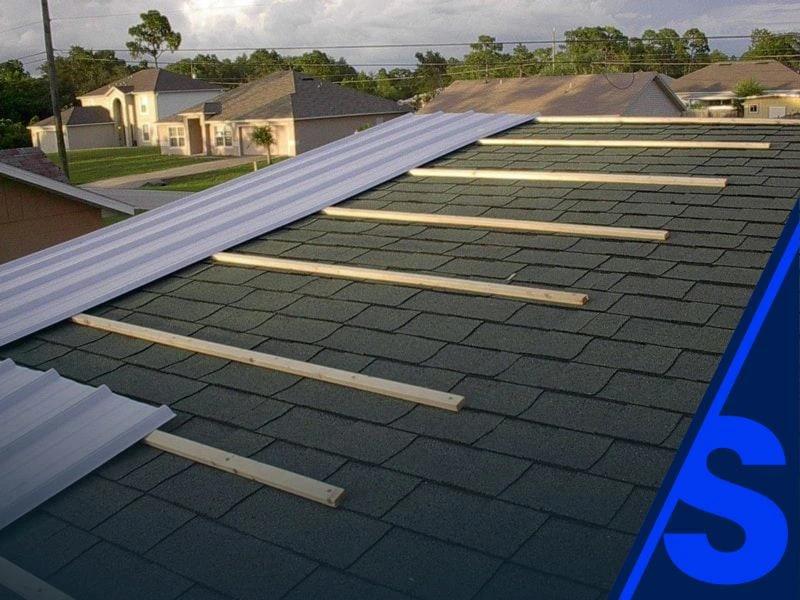
Table of Contents When installing a metal roof over shingles, builders must primarily consider local building codes, the structural condition of the existing roof deck, proper underlayment, and secure attachment techniques to manage added load, moisture risks, and warranty implications. Can you install metal roofing directly on top of shingles? Yes, in many cases […]
Architectural vs. 3-Tab Shingles: What’s Best for Your Build?
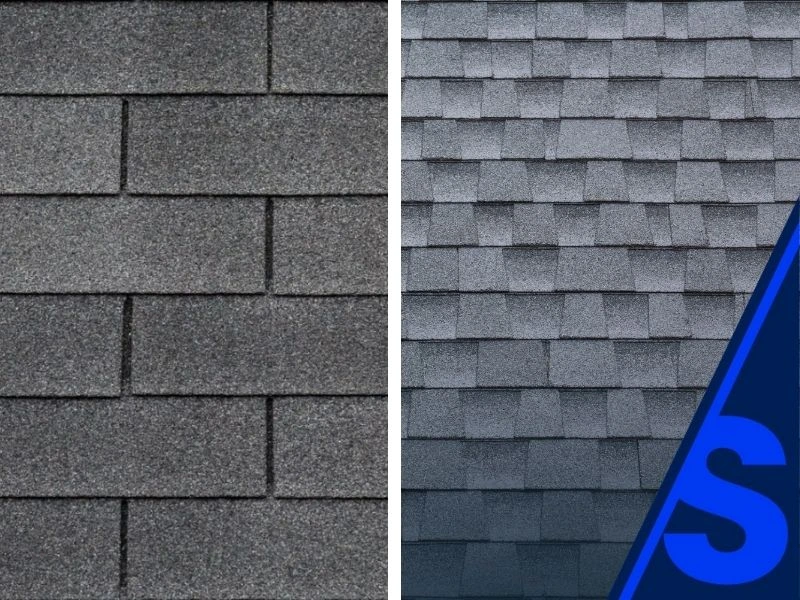
Table of Contents Architectural shingles are the better choice for most builds due to their superior durability, weather resistance, and aesthetic appeal, though they have a higher upfront cost. 3-tab shingles are a budget-friendly option for builders and property owners working within a lower budget or on short-term projects. The best option depends on your […]
What Is a System I vs. System II Asphalt Roof? A Builder’s Guide to Layered Performance

Table of Contents In construction and specification contexts, “System I” and “System II” asphalt roofs refer to defined application methods or material compositions outlined within specific technical documents or manufacturer systems, rather than universally recognized industry standards. The performance differences depend on the specifications of each system, including layers, underlayment, and reinforcement methods. What […]
Tile Roofing Systems: What Builders Need to Know About Weight, Venting, and Lifespan
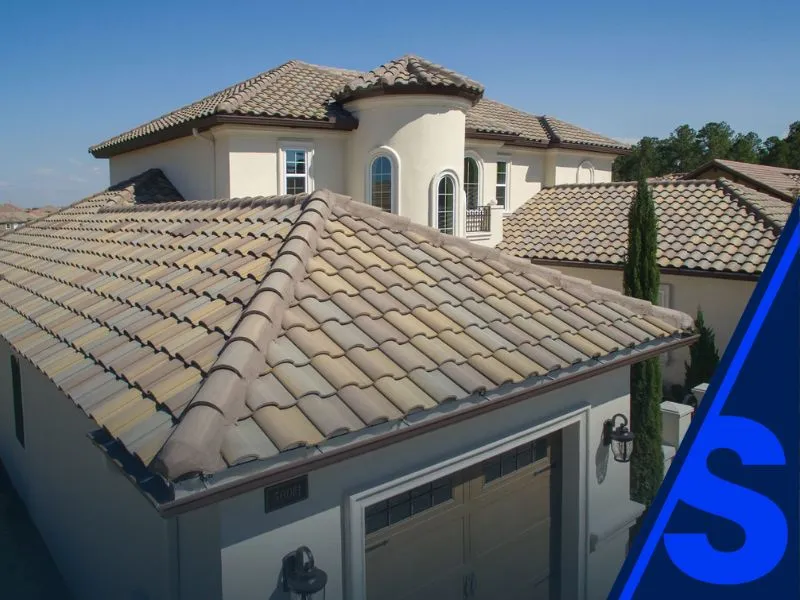
Table of Contents A tile roofing system is a durable and aesthetically pleasing roof that uses interlocking tiles made of materials like clay, concrete, or slate. These systems are known for their longevity, fire resistance, and ability to withstand harsh weather, but are also heavier and more expensive than other roofing options like asphalt shingles. […]
TPO vs. Modified Bitumen: Which Flat Roof System Is Right for Small Projects?

Table of Contents TPO is a single-ply white membrane known for energy efficiency, UV resistance, and heat-welded seams, making it ideal for low-traffic roofs in hot climates. Modified bitumen is an asphalt-based multi-ply system offering excellent durability, especially for high-traffic or cold-weather conditions. TPO often costs less upfront, while modified bitumen may provide longer-term protection […]
Standing Seam Metal Roofs: Why Builders Trust Them for Long-Term Performance
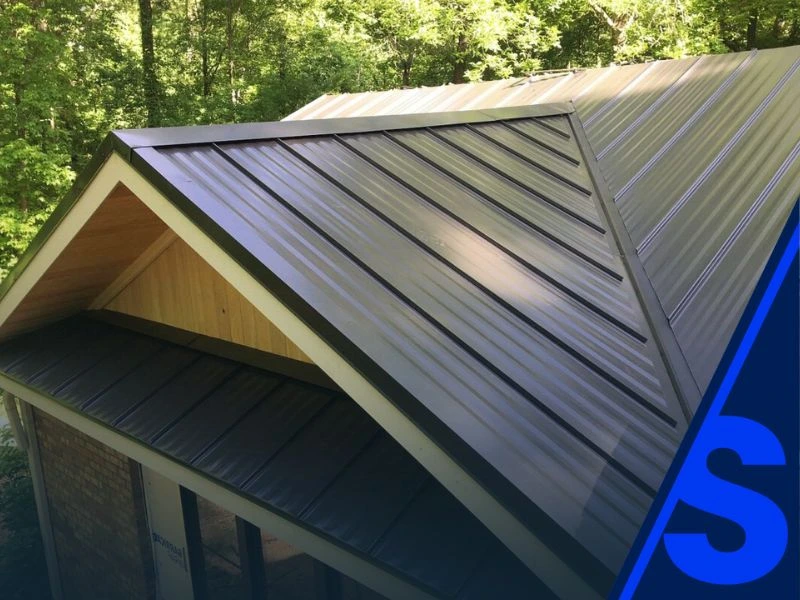
Table of Contents A standing seam metal roofing system consists of metal panels with interlocking vertical seams that form a continuous, durable, and watertight roof surface. This concealed-fastener system hides clips and screws beneath the interlocking ribs, shielding them from the elements and contributing to an exceptionally long lifespan and superior weather resistance. What is […]
What Is a System II Asphalt Roof and When Should Builders Use It?

Table of Contents Asphalt roof system II most commonly refers to either Type II oxidized asphalt used in built-up roofing (BUR) systems or a Class 2 impact-resistant shingle. Type II asphalt is a semi-flat, moderately soft grade suitable for low-slope roofs (up to a ¼-in-12-in pitch) and often used in commercial or multifamily applications. Class […]
What Are the Different Types of Roofing System? A Builder’s Guide to Choosing the Right Fit for Every Project
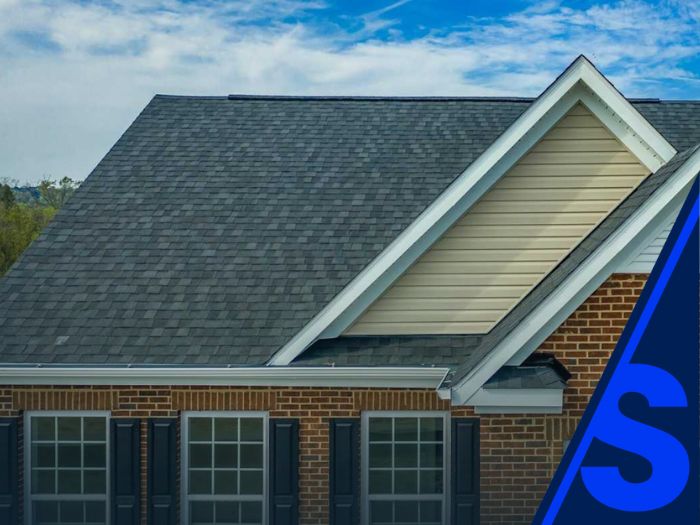
Table of Contents The main roofing styles include the gable and hip roofs, which are common and structurally sound, as well as the shed (a single slope), gambrel (like a barn roof), and mansard (a multi-paneled roof). Other styles include the butterfly and Dutch roof, each offering a unique aesthetic and set of practical advantages. […]